

Yes, you can fly a drone over railroad tracks, but there are important regulations and safety considerations to keep in mind. Understanding these rules is crucial for operating your drone legally and safely while capturing stunning aerial views. Drones have become increasingly popular for recreational and commercial use, but flying in proximity to sensitive infrastructure, such as railroads, necessitates a thorough understanding of both federal and local regulations, as well as an acute awareness of safety practices.
Understanding FAA Regulations
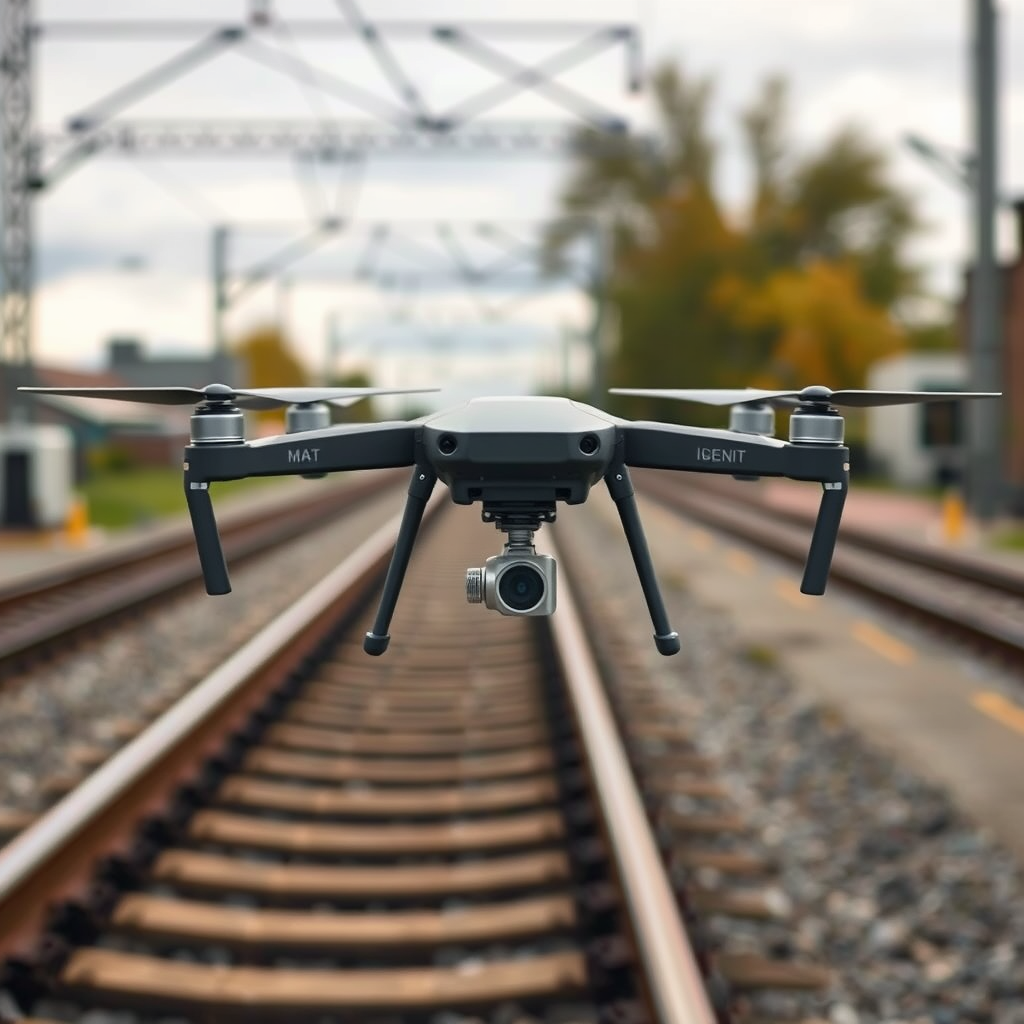
The Federal Aviation Administration (FAA) has established specific guidelines that govern drone operations, particularly concerning sensitive areas like railroads. According to FAA regulations, drone operators must adhere to a set of rules that include maintaining a maximum altitude of 400 feet and ensuring that their flights do not interfere with manned aircraft operations.

Furthermore, if you plan to fly your drone within 5 miles of an airport, you are required to notify the air traffic control tower prior to takeoff. This is particularly important as railroads often run parallel to or near airports. In addition, the FAA recommends that drone pilots avoid flying in restricted airspace, which may include areas around railroads, especially if they are near critical infrastructure.
Understanding these regulations helps ensure that you operate your drone responsibly and reduces the risk of accidents or legal issues. It is prudent to stay updated on the latest FAA guidelines as they evolve alongside technological advancements in drone capabilities.
State and Local Laws
In addition to federal regulations, drone operators must also be aware of state and local laws, which may impose stricter rules regarding drone flights over railroads and other infrastructures. Some states have enacted laws that explicitly prohibit flying drones over railroads due to safety concerns and privacy issues. For instance, states like California and New York have specific statutes that restrict drone operations around critical infrastructure, which includes railroads.
Local municipalities may also have their own regulations, which can vary significantly from one location to another. It is crucial to research and understand these laws before flying your drone. Checking with local authorities or the official state aviation office will help ensure compliance and avoid potential fines or penalties.
Additionally, some railroads have their own policies regarding drone use over their tracks, often restricting access to protect their operations and the safety of their personnel. Always consider reaching out to the railroad company for permissions or specific guidelines they may have in place.
Safety Considerations
Safety should always be a top priority when operating a drone, particularly in the vicinity of railroad tracks. Always maintain a safe distance from trains and other railway operations, as unexpected movements can occur and trains may be traveling at high speeds. The FAA advises maintaining a minimum distance of 50 feet from people and property to minimize risks.
Moreover, be aware of nearby pedestrians and workers who may be affected by your drone flight. Rail yards are often busy places with personnel who may not be aware of a drone overhead. To ensure everyone’s safety, it is essential to remain vigilant and cautious when operating in such environments.
Additionally, consider environmental factors such as weather conditions and visibility. Wind, rain, and fog can impact drone performance and increase the risk of accidents. Always check the weather forecast before flying and choose a time when conditions are optimal for safe operation.
Best Practices for Drone Operation
To maximize safety and compliance when flying drones over railroad tracks, following best practices is essential. Begin with a thorough pre-flight check to ensure your drone is in good working condition. This includes checking battery levels, propellers, and camera equipment, as well as confirming that all firmware is up-to-date.
Using visual line-of-sight (VLOS) while flying is crucial for maintaining control over your drone and avoiding obstacles. This means keeping the drone within your direct sight at all times, which enables you to react quickly to any developing situations. Avoid flying at night unless you are equipped with appropriate lighting systems, as operating in low visibility can significantly increase the likelihood of accidents.
Consider utilizing drone flight planning applications that provide real-time data on airspace restrictions, weather conditions, and potential obstacles. These tools can help you make informed decisions about your flight path and ensure safe operation.
Potential Risks and Consequences
Flying over railroad tracks does carry certain risks and potential consequences. Violating FAA regulations or local laws can lead to substantial fines and legal repercussions. In severe cases, operators may face criminal charges, particularly if their actions result in accidents or injuries.
Moreover, collisions with trains or other structures can result in significant damage to your drone and pose serious safety risks to individuals nearby. Such incidents can disrupt train operations and lead to costly delays and legal liabilities for the drone operator.
To mitigate these risks, it is essential to thoroughly understand and adhere to all regulations, as well as prioritize responsible flying practices. Awareness of your surroundings and adherence to safety protocols can significantly reduce the likelihood of accidents.
Tips for Responsible Drone Flying
To ensure responsible drone flying, especially over sensitive areas like railroad tracks, consider obtaining a Remote Pilot Certificate if you plan to fly commercially. Certification not only enhances your knowledge of regulations and safety practices but also demonstrates to authorities that you take your responsibilities seriously.
Stay informed about updates to drone regulations and best practices by regularly checking the FAA’s official website and reputable drone organizations. Engaging with the drone community through forums and local clubs can also provide valuable insights and resources.
Additionally, consider participating in training programs or workshops that focus on responsible drone operation. These programs can help you develop skills that enhance safety and legal compliance, making you a more effective and responsible drone pilot.
In summary, while flying a drone over railroad tracks is possible, it is essential to adhere to regulations and prioritize safety. Always research local laws and FAA guidelines, maintain proper distance from trains and other operations, and utilize best practices for drone operation. By doing so, you can ensure a responsible and enjoyable experience while capturing breathtaking aerial views.
Frequently Asked Questions
Can you legally fly a drone over railroad tracks?
Legally, you can fly a drone over railroad tracks, but there are specific regulations you must follow. The Federal Aviation Administration (FAA) requires drone operators to maintain a safe distance from manned aircraft and to avoid flying in restricted airspace without permission. Additionally, some states may have laws restricting drone flights over critical infrastructure, including railroads, so it’s essential to check local laws before flying.
What are the risks of flying a drone over railroad tracks?
Flying a drone over railroad tracks carries several risks, including potential collisions with trains, which can lead to serious accidents. Additionally, if your drone malfunctions or loses connection, it could crash onto the tracks, causing disruption to train services and posing dangers to passengers and crew. Furthermore, unauthorized drone flights can result in legal penalties and fines, so understanding the risks is crucial.
How can I ensure safe drone operation near railroad tracks?
To ensure safe drone operation near railroad tracks, always maintain a safe distance and be aware of your surroundings. Use a reliable drone with good GPS capabilities to avoid losing control, and check the airspace before flying to ensure there are no active train schedules. Additionally, consider using visual line-of-sight flying techniques and avoid flying during peak train hours to minimize risks.
Why is it important to get permission before flying a drone over railroad tracks?
Obtaining permission before flying a drone over railroad tracks is critical to ensure the safety of train operations and to comply with legal requirements. Railroads are considered critical infrastructure, and unauthorized drone flights can disrupt services and pose significant risks to public safety. By seeking permission, you demonstrate responsibility and respect for the operational integrity of the rail system.
What should I do if I encounter a train while flying my drone near railroad tracks?
If you encounter a train while flying your drone near railroad tracks, immediately bring your drone down to a safe location and land it if possible. Avoid trying to maneuver the drone around the train, as this can lead to accidents or loss of control. Always prioritize safety and ensure that you are aware of train schedules and signals to reduce the chances of encountering a train while flying.
References
- https://www.faa.gov/uas/getting_started/remote_id
- https://www.faa.gov/uas/
- https://www.railroadcrossing.com/faq/
- https://www.nerailroad.com/faq/
- https://www.nj.gov/transportation/rail/pdf/faq.pdf
- https://www.abc.net.au/news/2021-05-14/drone-use-over-railways-potential-legal-issues/100139248
- https://www.theguardian.com/us-news/2020/jul/15/drone-railroad-tracks-legal-issues
- https://www.wired.com/story/drones-railroads-safety-regulations/
