

Yes, you can fly a drone over residential property, but there are important legal and ethical considerations to keep in mind. Understanding local regulations, privacy concerns, and safety guidelines is crucial for responsible drone operation. Drones have become increasingly popular for recreational and commercial use, yet this rise in popularity brings with it a need for compliance with laws and an awareness of community sensitivities.
Understanding Local Laws and Regulations
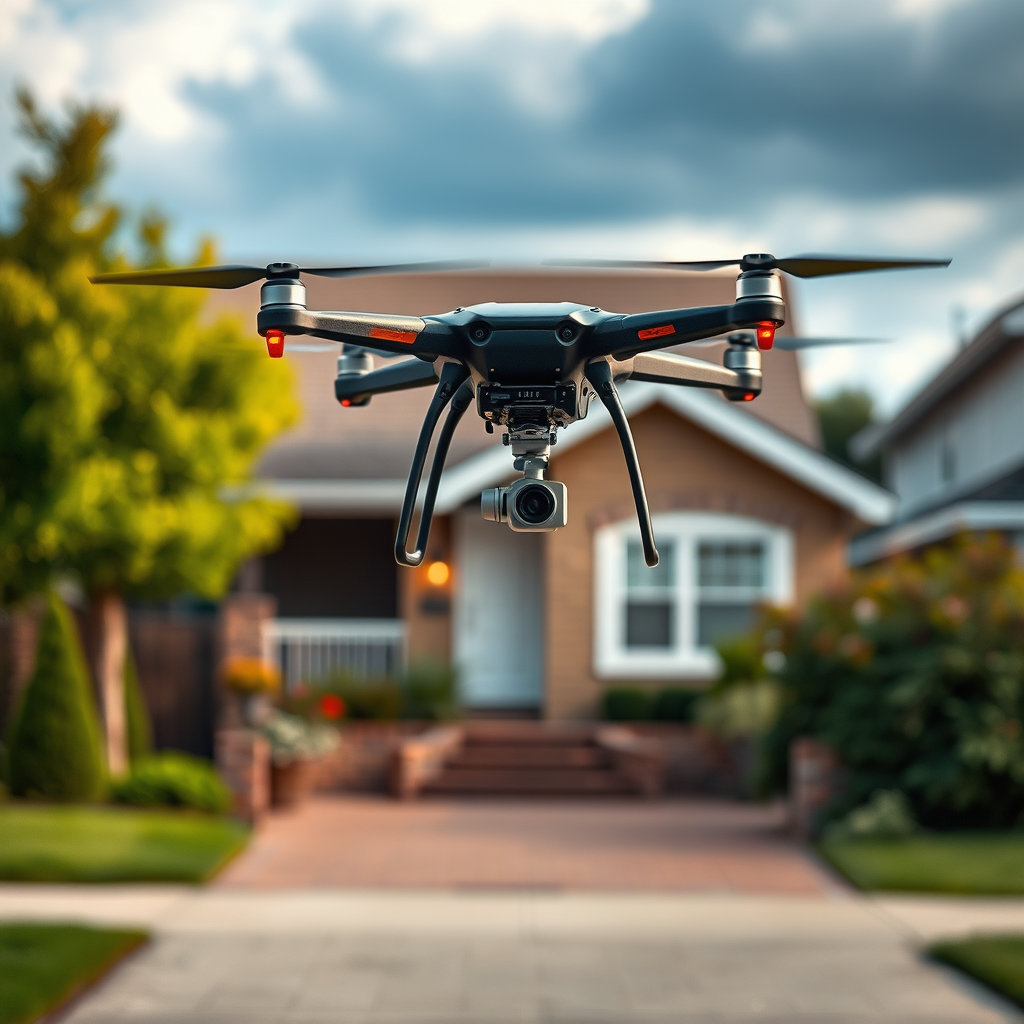
When considering flying a drone over residential property, it is vital to familiarize yourself with the Federal Aviation Administration (FAA) rules that govern drone usage in the United States. The FAA mandates that drone pilots must adhere to specific operational guidelines, including maintaining visual line-of-sight with the drone, flying below 400 feet, and avoiding controlled airspace without proper authorization. Before taking off, ensure that you also check for state and local laws, as these can impose additional restrictions. For example, some states may have specific regulations regarding the use of drones for commercial purposes, while local municipalities might have ordinances that limit flying in certain areas or at specific times.
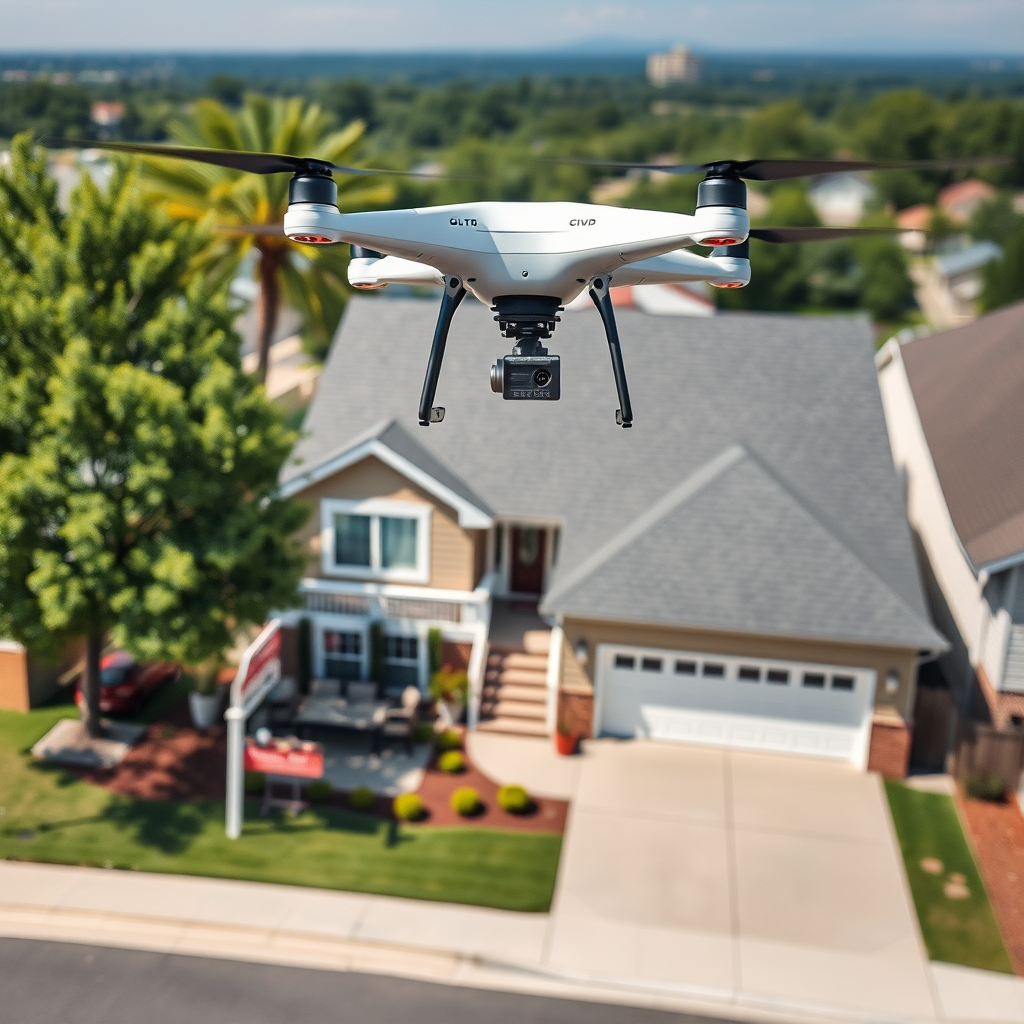
Moreover, some homeowners’ associations (HOAs) have established their own rules regarding drone flights, which can further complicate matters. It is prudent to conduct thorough research to avoid any unintentional legal violations.
Privacy Concerns
Flying a drone over residential property brings inherent privacy concerns that every drone operator must acknowledge. The right to privacy is a legal concept that protects individuals from unwarranted intrusions into their personal lives. Aerial surveillance of private property can be perceived as an invasion of privacy, leading to potential disputes with neighbors.
To respect your neighbors’ privacy while flying, consider adopting best practices such as flying at higher altitudes and avoiding direct filming of private spaces, like backyards or windows. If your drone is equipped with a camera, it’s advisable to maintain a focus on public areas or seek permission from property owners before capturing any aerial footage that includes their property. Open communication with neighbors can also help alleviate concerns and foster goodwill in your community.
Safety Guidelines for Flying Drones
Safety should always be a top priority when operating a drone. Maintaining a safe distance from people and structures is critical to prevent accidents. The FAA recommends keeping a minimum distance of 25 feet from individuals and avoiding flying over crowds. Additionally, it is essential to be conscious of your surroundings and to avoid flying near power lines, trees, or other obstacles that could pose a risk.
Implementing a pre-flight checklist can significantly enhance safety and functionality. Before each flight, check that your drone is in good working order, including battery levels, propeller integrity, and GPS calibration. Familiarize yourself with the drone’s controls and features, as well as potential emergency procedures. This preparation can help mitigate risks associated with accidents or equipment failure.
No-Fly Zones and Restricted Areas
Identifying no-fly zones and restricted areas around residential properties is crucial for safe drone operation. Certain locations, such as schools, hospitals, and airports, are designated as no-fly zones due to safety and security concerns. The FAA has established these areas to protect sensitive environments and ensure public safety.
Utilizing tools like the FAA’s B4UFLY app can provide real-time information about airspace restrictions in your vicinity. This app helps drone operators understand where they can legally fly and where they should refrain from doing so. Additionally, local airports often have specific protocols for drone use near their airspace, so it is wise to consult with them if you plan to fly close to these areas.
Understanding these restrictions not only helps you avoid legal repercussions but also enhances community safety and trust.
Best Practices for Responsible Drone Use
Adopting best practices for responsible drone use is essential to fostering a positive relationship with the community and ensuring compliance with regulations. One of the most effective measures is obtaining consent from property owners if you plan to fly over their land. This transparent approach can help mitigate privacy concerns and build trust between you and your neighbors.
Moreover, respecting community guidelines is equally important. Engage with local residents to understand their concerns regarding drone use in the neighborhood. This proactive approach can prevent misunderstandings and create a collaborative environment. Participating in community forums or local drone clubs can also enhance your knowledge of best practices and local norms, ensuring that your drone flying experience is both enjoyable and respectful.
Potential Consequences of Violating Drone Laws
Failing to adhere to drone laws can lead to severe consequences, including fines, legal action, and damage to your drone. The FAA imposes substantial penalties for non-compliance, which can range from monetary fines to criminal charges for egregious violations. For instance, flying in restricted airspace without authorization can result in fines exceeding $30,000.
In addition to legal ramifications, violating regulations can also cause damage to your drone. Accidents resulting from reckless flying can lead to equipment failure and loss of investment. Furthermore, if your drone causes property damage or injury, you may face liability issues that could have significant financial implications. It is essential to be fully aware of the legal landscape to avoid such pitfalls while enjoying the benefits of drone flying.
Resources for Further Information
For those seeking additional information, numerous resources are available to help navigate the complexities of drone operation. The FAA’s website offers comprehensive guidelines, educational materials, and updates on regulations that affect drone pilots. Additionally, joining local drone clubs can provide valuable insights and a community of like-minded individuals who share experiences and knowledge.
Utilizing drone apps, such as AirMap or Kittyhawk, can also help you stay updated on airspace restrictions, weather conditions, and local regulations. These tools can enhance your flying experience while ensuring compliance with safety and legal standards.
In summary, while flying a drone over residential property is generally permissible, it is essential to be informed about relevant laws, safety practices, and community norms. By doing so, you can ensure a safe and respectful flying experience that honors both legal obligations and the privacy of others. Taking the time to educate yourself and communicate with your community will not only enhance your drone flying experience but also promote responsible usage in shared airspace.
Frequently Asked Questions
What are the legal restrictions for flying a drone over residential property?
The legal restrictions for flying a drone over residential property vary by location, but generally, you must adhere to Federal Aviation Administration (FAA) regulations. In the U.S., you cannot fly a drone higher than 400 feet, and you must maintain a visual line of sight. Additionally, some states and municipalities have specific laws regarding drone flights over private property, which might require obtaining permission from property owners.
How can I safely fly a drone over my neighbor’s house?
To safely fly a drone over your neighbor’s house, first ensure you comply with FAA regulations and local laws. It is advisable to inform your neighbor beforehand to maintain good relations and avoid misunderstandings. Always avoid flying too low, respect their privacy, and be cautious of any obstacles, such as power lines or trees, that could interfere with your flight.
Why is it important to get consent before flying a drone over private property?
Obtaining consent before flying a drone over private property is crucial to respect the privacy rights of individuals and to avoid potential legal issues. Many states have laws that protect against invasion of privacy, and flying a drone without permission could lead to complaints or legal action. Additionally, asking for consent fosters good neighborly relations and can help you gather valuable information about any concerns they may have.
What should I do if my drone crashes on a residential property?
If your drone crashes on residential property, the first step is to assess the situation and ensure that no one is injured. Contact the property owner immediately to explain the situation and seek their permission to retrieve your drone. Be respectful and honest, as this can help maintain a positive relationship. If the drone is damaged or causes any property damage, be prepared to discuss how to resolve those issues amicably.
Which drones are best suited for flying over residential areas?
Drones that are best suited for flying over residential areas are typically those that are quieter, have excellent stabilization features, and are equipped with advanced safety technology. Models like the DJI Mavic Mini and the DJI Air 2S are popular choices due to their compact size, quiet operation, and high-quality cameras. Additionally, drones with geofencing capabilities can help you avoid restricted airspace, ensuring a safer flying experience in residential neighborhoods.
References
- https://www.faa.gov/uas/getting_started/registration
- https://www.faa.gov/uas/resources/policy_library/
- https://www.nolo.com/legal-encyclopedia/drone-laws-regulations-32756.html
- https://www.usatoday.com/story/tech/2020/06/12/drone-laws-what-you-need-know-flying-privately/5347013002/
- https://www.theguardian.com/technology/2021/oct/21/drone-regulations-uk-what-you-need-to-know
- https://www.nasagov/feature/drone-flying-regulations
- https://www.abc.net.au/news/2021-07-24/drone-rules-what-you-need-to-know/100303320
