
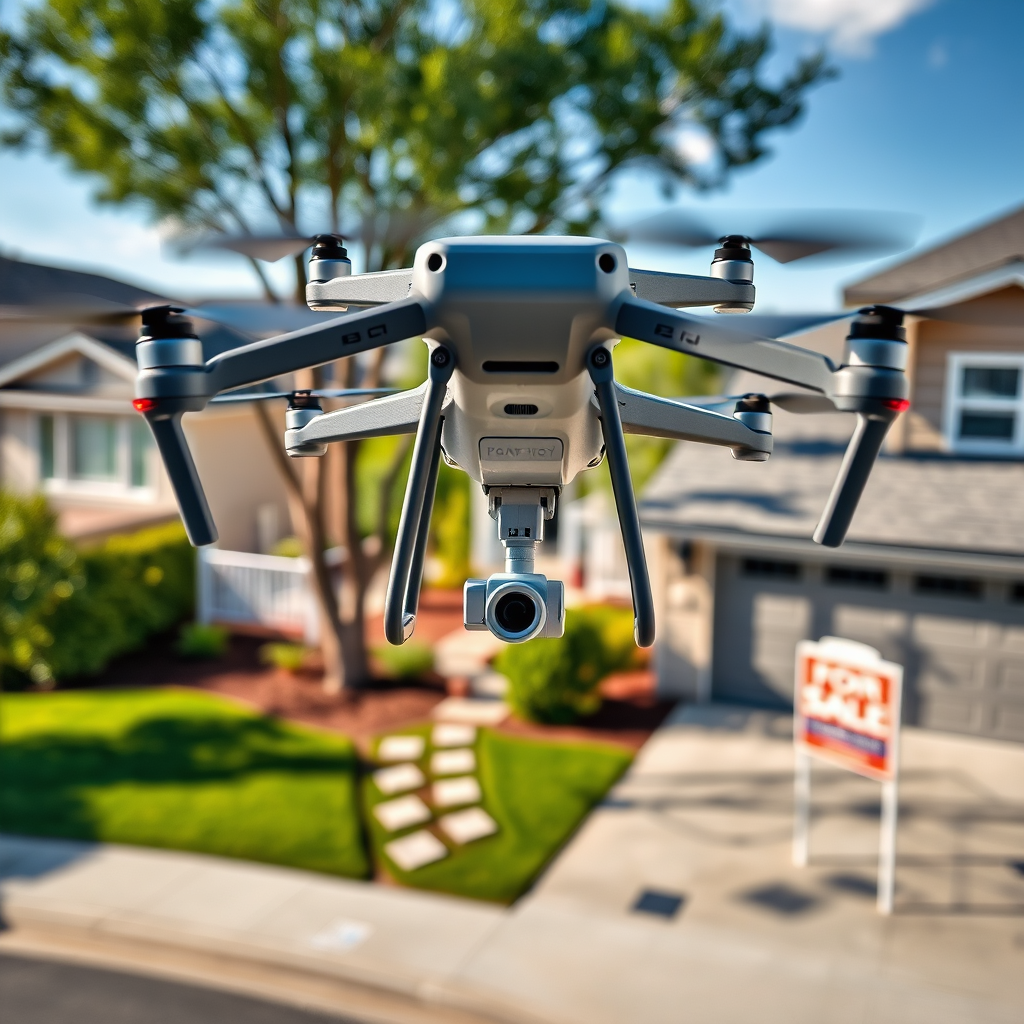
Yes, you can fly a drone over someone’s property, but there are important legal and ethical considerations to keep in mind. Understanding local laws, airspace regulations, and the rights of property owners is crucial before launching your drone. With the increasing popularity of drones for both recreational and commercial use, navigating the complexities of property rights and privacy concerns has become essential for responsible drone operators.
Understanding Drone Regulations
The Federal Aviation Administration (FAA) sets comprehensive guidelines that govern where and how drones can be flown across the United States. These regulations are primarily designed to ensure the safety of airspace and to mitigate risks associated with drone operations. According to the FAA, drones must be flown within the operator’s visual line of sight, typically below 400 feet, and not in restricted airspace unless special permissions have been obtained.
In addition to federal laws, local regulations can impose more stringent restrictions on drone usage. For instance, some states and municipalities have enacted laws that prohibit drone flights over private property without the owner’s consent. These local rules can vary widely, so it’s critical for drone operators to familiarize themselves with the specific regulations applicable to their area. Checking local statutes or consulting with local authorities can provide clarity on any restrictions that may apply.
Property Rights and Airspace
Property rights extend beyond the physical boundaries of land, encompassing the airspace above it as well. Generally, property owners have rights to the airspace above their land, typically extending to a height that allows reasonable use of their property. The legal doctrine of “navigable airspace” is relevant here, as it defines the airspace that is accessible for public use, while private landowners retain certain rights lower down.
Flying a drone too low may be considered an invasion of privacy or even trespassing. Courts have often sided with property owners in cases where drones were flown at altitudes that intruded upon their personal space, especially if the drones were equipped with cameras capable of capturing images or videos of the property. Therefore, it’s advisable to maintain a respectful altitude and avoid hovering over private residences or sensitive areas.
Privacy Concerns
The integration of cameras and advanced imaging technology on drones raises significant privacy issues for property owners. Drones can easily capture images or videos of private property, and this can lead to a host of ethical and legal dilemmas. For instance, in many jurisdictions, filming someone without their consent can lead to legal repercussions, particularly if the footage is deemed intrusive or if it captures individuals in compromising situations.
To mitigate privacy concerns, drone operators should adhere to a code of ethics that prioritizes respect for personal privacy. This includes seeking permission from property owners before capturing aerial imagery and avoiding flying over property while recording unless explicitly allowed. By being considerate of privacy, drone operators can foster goodwill in the community and minimize the potential for disputes.
Best Practices for Drone Usage
To ensure responsible drone operation, certain best practices should be followed. First and foremost, it is best practice to inform property owners if you plan to fly over their land, particularly for commercial purposes. This establishes a transparent relationship and can prevent misunderstandings or complaints. Many drone operators choose to make contact with local homeowners or businesses to explain their intentions, which can help avoid any friction.
Furthermore, drone operators should avoid flying over crowded areas or sensitive locations such as schools, hospitals, or government buildings, as these environments can pose additional risks and ethical concerns. Implementing a pre-flight checklist that includes a review of weather conditions, airspace restrictions, and community guidelines can also help operators maintain compliance and ensure a safe flying experience.
Consequences of Violating Drone Laws
The consequences of violating drone regulations can be severe, ranging from fines to legal action. The FAA can impose penalties for non-compliance, which can include civil fines that reach thousands of dollars. Additionally, local laws may enforce their own penalties, which could result in more severe repercussions depending on the nature of the infraction.
Understanding the local legal landscape is crucial for drone operators. Engaging in thorough research and remaining educated about updates in drone laws can help minimize the risk of violations. Consulting an attorney with expertise in drone law can also provide valuable insights, particularly for commercial operators who may face more complex legal scenarios.
Resources for Drone Operators
Several resources are available to help drone operators stay informed about regulations and best practices. The FAA’s website is an essential starting point for up-to-date regulations, guidelines, and educational materials. Operators can access resources related to registration, safety, and airspace classifications, which can aid in compliance.
Local drone clubs and online communities can also serve as valuable sources of information and support. These forums often provide insights from experienced pilots who can share tips, experiences, and advice on navigating the intricacies of drone operation. Engaging with these communities can foster a sense of camaraderie and contribute to responsible drone usage.
In conclusion, while flying a drone over someone’s property is often permissible, it is essential to be aware of and comply with legal requirements and respect others’ rights. Understanding drone regulations, property rights, and privacy concerns is vital for responsible operation. By following best practices and utilizing available resources, drone operators can enhance their flying experience while maintaining respect for the community and the law. Always stay informed and fly responsibly to ensure a positive drone experience.
Frequently Asked Questions
Can you legally fly a drone over someone else’s property?
The legality of flying a drone over someone else’s property largely depends on local laws and regulations. In the United States, while the Federal Aviation Administration (FAA) grants the right to fly in the national airspace, property owners have rights regarding what is above their land. It’s advisable to check local ordinances and to obtain permission from property owners to avoid potential legal issues.
What are the potential consequences of flying a drone over private property without permission?
Flying a drone over private property without permission can lead to several consequences, including legal action from the property owner. They may file a complaint for trespassing or invasion of privacy, which could result in fines or other penalties. Additionally, if you are using the drone for commercial purposes, you may also face violations of FAA regulations, which could lead to further legal complications.
How can I legally fly a drone over someone’s property?
To legally fly a drone over someone’s property, you should first familiarize yourself with local and federal drone regulations. Always seek permission from the property owner before flying over their land, as this can prevent disputes and potential legal issues. Additionally, ensure your drone is registered with the FAA if required and follow all safety guidelines to ensure compliance.
Why is it important to ask for permission before flying a drone over private property?
Asking for permission before flying a drone over private property is crucial to respecting the rights of the property owner and avoiding legal issues. Unauthorized drone flights can be perceived as an invasion of privacy, leading to complaints or legal actions. By seeking permission, you foster goodwill and demonstrate responsible drone operation, which can enhance your reputation as a drone pilot.
Which states have specific laws regarding flying drones over private property?
Different states have varying laws concerning drone flights over private property. For example, states like California and Florida have enacted specific privacy laws that may restrict drone usage in certain contexts. It’s essential to research state and local regulations, as some areas may have unique restrictions or requirements, especially regarding commercial drone use or privacy protection, to ensure compliance while flying.
References
- https://en.wikipedia.org/wiki/Drone#Regulation
- https://www.faa.gov/uas/recreational_fliers/
- https://www.nolo.com/legal-encyclopedia/drone-law-what-know-29748.html
- https://www.theguardian.com/technology/2021/aug/03/drones-flying-over-people-privacy-law
- https://www.reuters.com/technology/what-you-need-know-about-drone-regulations-2021-04-20/
- https://www.abc.net.au/news/2021-07-12/drone-law-australia-what-you-need-to-know/100302042
- https://www.ncsl.org/research/transportation/drone-laws.aspx
