
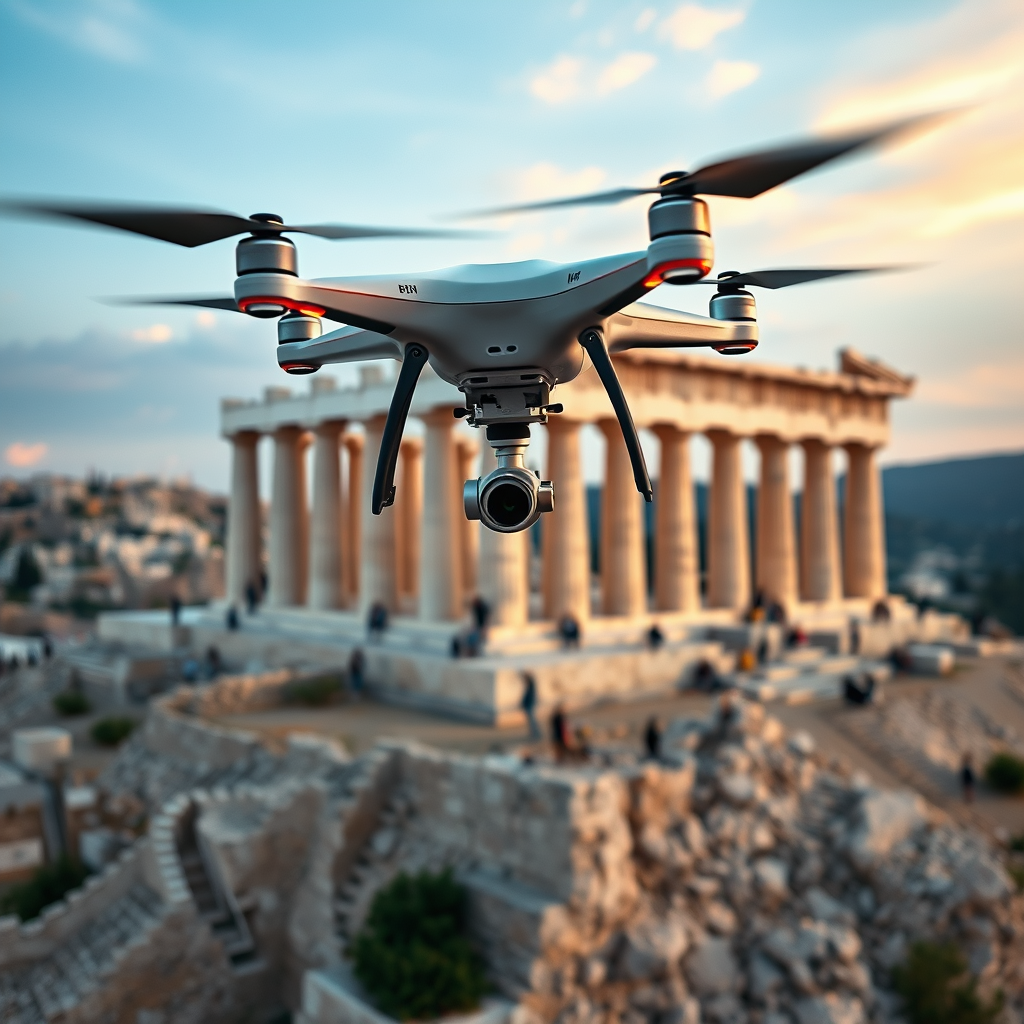
Yes, you can fly a drone over the Acropolis, but there are strict regulations and guidelines you must follow. Understanding these rules is essential to ensure compliance and respect for this historic site. With its rich history and cultural significance, the Acropolis is not only a marvel of ancient architecture but also a location where drone operators must navigate a complex web of legalities and ethical considerations. This blog post will explore the regulations surrounding drone use in Greece, specifically focused on the Acropolis, ensuring that drone enthusiasts can enjoy this stunning location without infringing on its sanctity.
Overview of Drone Regulations in Greece
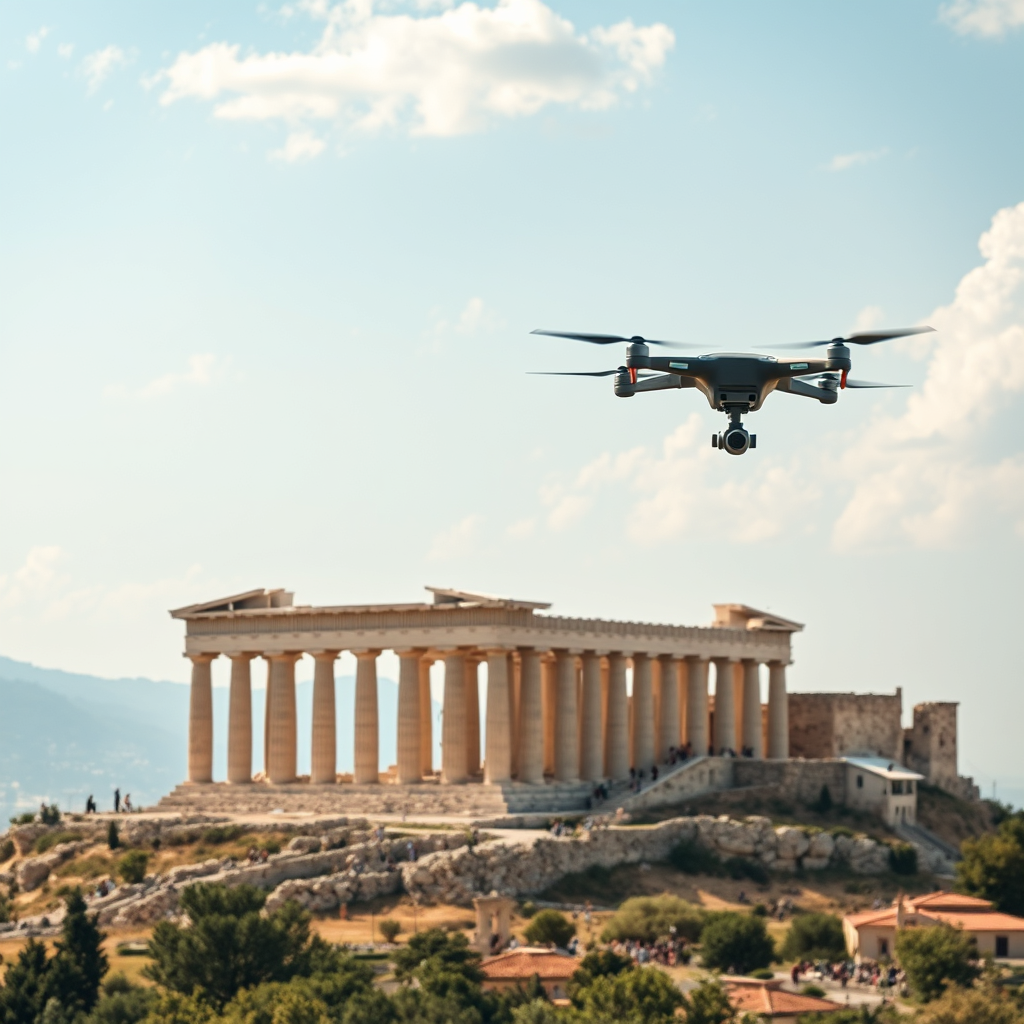
In Greece, drone operations are governed primarily by the regulations set forth by the European Union Aviation Safety Agency (EASA). These regulations, which came into effect in January 2021, provide a unified framework for the safe and responsible use of drones across EU member states. Under EASA rules, drone operators must adhere to specific categories based on the weight and purpose of their drone flights.
For instance, drones weighing over 250 grams must be registered, and operators must complete an online training course and pass a test to obtain a remote pilot certificate. Furthermore, specific rules apply to flying over historical sites, including the Acropolis. The integration of these regulations ensures that drone flights do not pose risks to public safety or privacy, while also safeguarding cultural landmarks.
Restrictions on Flying Over the Acropolis
The Acropolis, designated as a UNESCO World Heritage site, is subject to additional restrictions aimed at preserving its historical integrity. The Greek government enforces strict laws prohibiting drone flights in certain areas surrounding the Acropolis to prevent disturbances to both the site and the visitors. These restrictions are in place to protect cultural heritage and minimize the risk of damage to irreplaceable artifacts.
For instance, the area directly above the Parthenon and other significant monuments is often off-limits to drone pilots. Additionally, local municipalities may impose their regulations that further restrict drone use in popular tourist areas. To fly a drone legally near the Acropolis, operators must be well-versed in these restrictions and remain vigilant about any temporary flight prohibitions that may be enacted during special events or archaeological work.
Obtaining Permissions for Drone Flights
If you are considering flying a drone over the Acropolis, it is essential to obtain the necessary permissions from Greek authorities. The Hellenic Civil Aviation Authority (HCAA) is the primary body responsible for managing airspace and drone operations in Greece. To fly a drone in restricted areas, including those around the Acropolis, operators may need to submit a request for special permission.
This process often involves providing detailed flight plans, including the purpose of the flight, the intended route, and safety measures in place. It is advisable to start this process well in advance of your planned flight date, as obtaining the necessary approvals can take time. Furthermore, operators should remain aware of any changes in regulations or additional requirements that may arise, especially as drone technology and its applications evolve.
Safety Guidelines for Drone Pilots
Safety is paramount when operating drones, particularly in sensitive areas like the Acropolis. Drone pilots should always maintain a safe distance from people and structures to avoid accidents and potential injuries. This includes adhering to a minimum distance from crowds, monuments, and other visitors enjoying the site.
Respecting privacy laws is equally important. Operators should be cautious not to fly over residential areas or capture images of individuals without their consent. Additionally, drone pilots should familiarize themselves with local emergency procedures and ensure that their drones are equipped with fail-safe features, such as GPS return-to-home functions, to mitigate risks of loss or malfunction.
Best Practices for Responsible Drone Use
Conducting thorough research before planning a drone flight over the Acropolis is essential for responsible use. This research should include a review of the latest local regulations, any temporary restrictions in place, and a comprehensive understanding of the site’s cultural significance. Engaging with local drone communities or forums can provide valuable insights and updates on the ever-evolving drone landscape in Greece.
If flying directly over the Acropolis proves to be too restrictive, consider alternative locations for drone photography that comply with regulations. There are numerous vantage points around Athens that offer stunning views of the Acropolis without the stringent restrictions imposed directly above the site. By respecting these boundaries, you can still capture breathtaking imagery while honoring the cultural heritage of this iconic location.
Consequences of Non-Compliance
Failing to comply with drone regulations can lead to serious consequences, including hefty fines and the confiscation of your drone. The penalties for flying without permission can be substantial, reflecting the Greek government’s commitment to protecting its cultural heritage. In some cases, violators may even face criminal charges, particularly if their actions result in damage to historical sites.
Additionally, non-compliance can tarnish the reputation of the drone community as a whole, leading to stricter regulations for all operators. It is crucial to be aware of and adhere to local laws to avoid legal issues and contribute positively to the public perception of drone usage in Greece.
In summary, while flying a drone over the Acropolis is possible, it is crucial to navigate the complex regulations and obtain the necessary permissions. By understanding the specific restrictions, applying for approvals, and adhering to safety guidelines, drone pilots can enjoy the stunning vistas of this historic site while respecting its significance. Thorough preparation and responsible usage will ensure that drone operations do not detract from the cultural and historical value of the Acropolis. If you plan to fly a drone, do your homework and ensure a responsible approach to preserve this remarkable monument for future generations.
Frequently Asked Questions
Can you fly a drone over the Acropolis in Athens?
No, flying a drone over the Acropolis is strictly prohibited. The Acropolis is a UNESCO World Heritage Site and a significant cultural landmark in Greece, which means that regulations are in place to protect its integrity. Additionally, local laws and regulations restrict drone usage in urban areas, particularly around historical sites, to ensure public safety and preserve the site’s historical value.
What are the legal requirements for flying a drone in Greece?
In Greece, drone operators must adhere to the European Union Aviation Safety Agency (EASA) regulations, which include registering your drone if it weighs more than 250 grams and obtaining a remote pilot license for drones over 2 kg. It’s important to check local regulations before flying, as many areas, including those near historical landmarks like the Acropolis, may have additional restrictions or require special permits.
Why is it illegal to fly a drone over historical sites like the Acropolis?
Flying drones over historical sites like the Acropolis is illegal primarily to protect the cultural heritage and ensure the safety of visitors. Drones can pose risks of accidents or damage to these irreplaceable structures. Furthermore, the noise and disturbance caused by drones can detract from the experience of those visiting these sites, which is why strict regulations are enforced.
What are the best alternatives for capturing aerial views of the Acropolis?
Instead of flying a drone, consider using a high-quality camera with a telephoto lens from designated viewpoints around Athens, such as Lycabettus Hill or the Areopagus. These locations provide stunning vistas of the Acropolis without violating any regulations. Additionally, hiring a professional photographer who has permissions for aerial photography can be another viable option.
How can I find out more about drone regulations in specific areas of Greece?
To learn more about drone regulations in specific areas of Greece, visit the official website of the Hellenic Civil Aviation Authority (HCAA) or consult EASA’s guidelines. Local tourism boards and drone community forums can also provide valuable insights and updates on regulations, ensuring you have the most accurate and current information before your visit.
References
- https://en.wikipedia.org/wiki/Drone_regulation_in_Greece
- https://www.bbc.com/news/world-europe-49012345
- https://www.theguardian.com/world/2020/jul/17/drone-use-over-archaeological-sites-raises-concerns
- https://www.reuters.com/article/us-greece-acropolis-drone-idUSKBN1ZL1X9
- https://www.cnn.com/2020/11/02/europe/greece-drone-acropolis-scn/index.html
- https://www.archaeology.org/issues/366-2103/features/9116-greece-acropolis-drone-use
- https://www.nytimes.com/2021/07/26/world/europe/greece-drone-acropolis.html
