
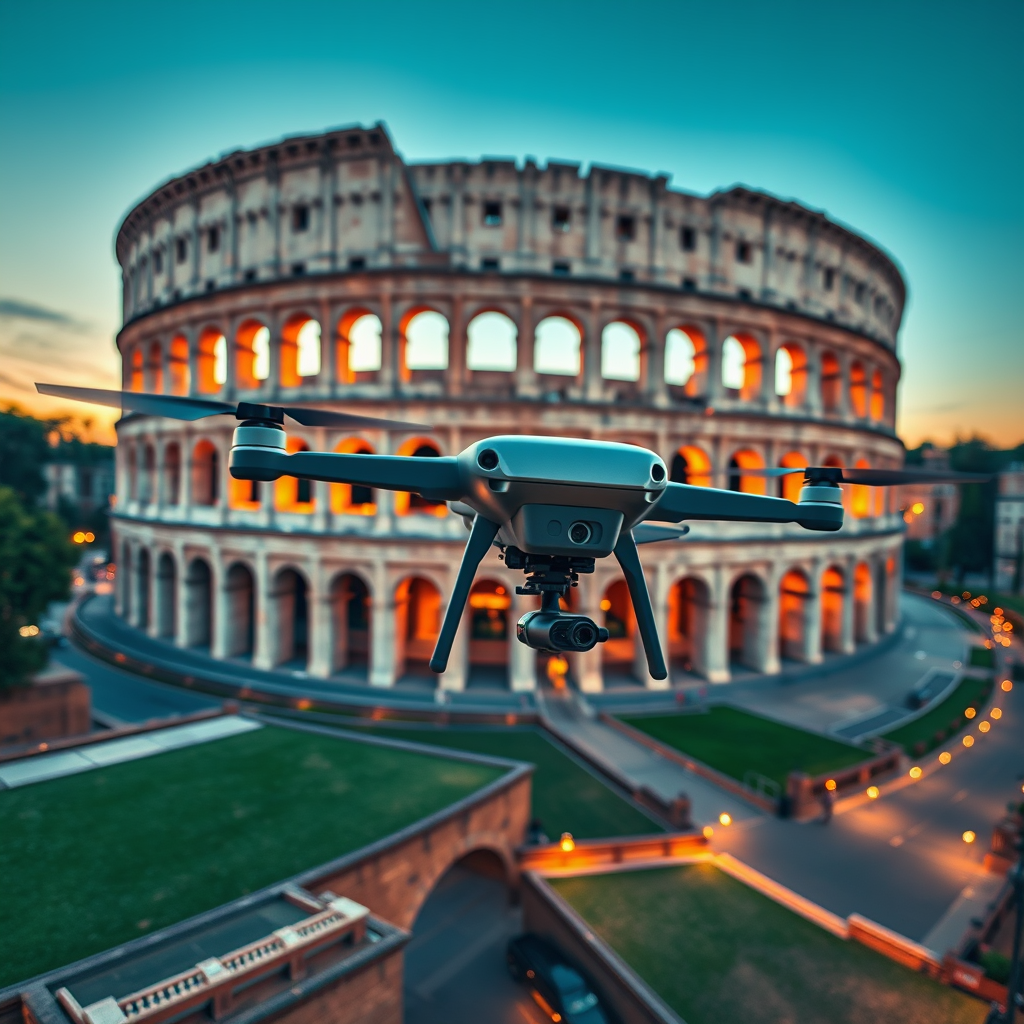
Yes, you can fly a drone over the Colosseum, but there are strict regulations and guidelines that must be followed. This iconic landmark in Rome is protected, and it’s essential to understand the legalities and safety measures before launching your drone. The allure of capturing aerial footage of such a historic site is undeniable, yet compliance with Italian laws and respect for the cultural significance of the Colosseum is paramount for any drone pilot aiming to navigate the skies above this ancient wonder.
Understanding Italian Drone Regulations
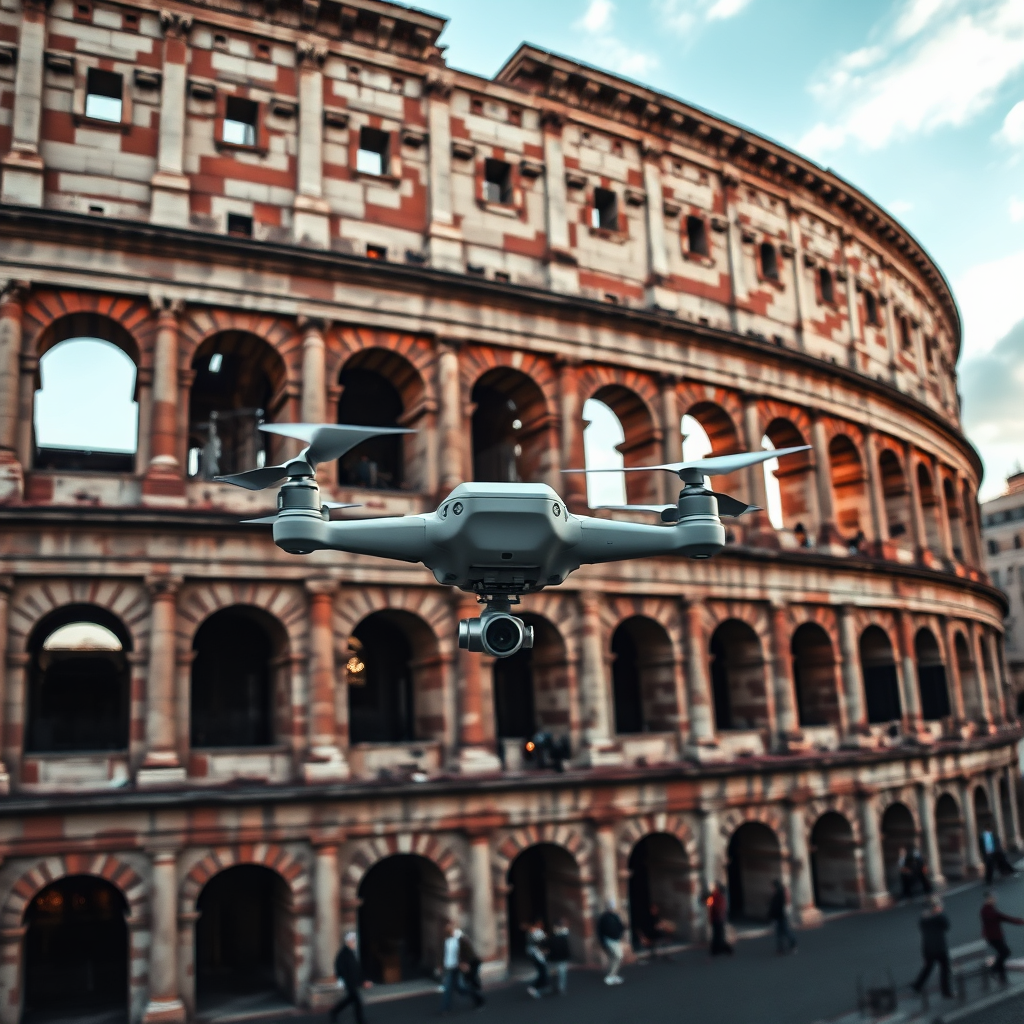
Italy has specific laws regarding drone usage that all pilots must adhere to, which include drone registration and pilot licensing. As of 2023, drone operators must register their drones if they weigh more than 250 grams. Additionally, they must obtain a Remote Pilot License (RPL) to operate drones for commercial purposes. It is crucial for pilots to familiarize themselves with these regulations, as failure to comply can result in severe penalties.
Moreover, flying within certain zones, particularly around historical sites like the Colosseum, is often restricted. The Italian Civil Aviation Authority (ENAC) oversees the regulations regarding drone flights, and any drone operation near significant cultural heritage sites is subject to stringent rules. Understanding these regulations not only ensures compliance but also protects the integrity of the landmark and the safety of the public.
No-Fly Zones and Permissions
The Colosseum is located within a no-fly zone due to its cultural significance, as well as the potential risks involved with flying drones in crowded urban areas. This no-fly zone encompasses a radius that extends to many of the surrounding streets and public spaces. Pilots must check local airspace restrictions and be aware that flying a drone in these areas without proper authorization is illegal.
For commercial drone use, special permissions may be required to operate in these restricted areas. Operators must apply for a specific permit from the relevant authorities, detailing the purpose of their flight and how they will ensure safety and compliance with the regulations. This process can take time, so it is advisable to plan well in advance if you intend to fly a drone near the Colosseum for commercial purposes.
Safety Considerations
Safety is a primary concern when operating drones, especially in areas with high foot traffic like the Colosseum. To mitigate risks, it is essential that your drone is equipped with geofencing technology, which prevents it from entering restricted airspace inadvertently. This technology acts as a safeguard, ensuring that the drone does not fly into no-fly zones and helps maintain safety for both the pilot and the public.
Additionally, drone operators must remain vigilant of their surroundings. The Colosseum attracts millions of visitors each year, and flying a drone over large crowds can pose significant risks. Pilots should assess the density of crowds and potential obstacles such as nearby structures before launching. By prioritizing safety and awareness, drone operators can prevent accidents and ensure a positive drone-flying experience.
Best Practices for Drone Photography
Capturing breathtaking aerial shots of the Colosseum requires careful planning and adherence to regulations. Pilots should plan their flight path in advance, mapping out the best angles that showcase the grandeur of the structure while also complying with legal restrictions. Utilizing flight planning apps can help in identifying optimal flight paths and in avoiding restricted areas.
Timing is also crucial for successful drone photography. Early morning or late afternoon often provides the best lighting conditions, casting soft shadows and enhancing the architectural details of the Colosseum. Additionally, flying during less crowded times can facilitate smoother operations and reduce the risk of accidents or disturbances.
Furthermore, using advanced drone technology, such as high-resolution cameras and stabilization features, can significantly improve the quality of your photographs and videos. Investing in quality equipment will not only enhance your overall output but also contribute to a more professional presentation of the iconic site.
Alternatives to Flying a Drone
For those who wish to capture the beauty of the Colosseum without the complexities of drone regulations, there are several alternatives available. One option is to explore aerial photography services that are permitted to operate in restricted areas. These professionals possess the necessary licenses and experience to capture stunning aerial footage while adhering to local laws.
Additionally, ground-based photography techniques can yield impressive results. Using wide-angle lenses or panoramic shots from strategic locations can provide a unique perspective of the Colosseum without the need for a drone. Many vantage points around Rome offer breathtaking views of this historic site, allowing photographers to capture its majesty without breaching regulations.
Resources for Drone Pilots
Staying informed about drone laws and regulations in Italy is essential for any pilot. Official government websites, such as the Italian Civil Aviation Authority (ENAC), provide up-to-date information on drone regulations, licensing requirements, and no-fly zones. Familiarizing yourself with these resources can help ensure compliance and avoid potential legal troubles.
Additionally, joining online forums or communities of drone enthusiasts can be beneficial. These platforms often share valuable insights, tips, and experiences related to flying in Italy. Engaging with fellow drone pilots can enhance your knowledge and help you navigate the complexities of drone usage in restricted areas.
In conclusion, while flying a drone over the Colosseum is technically possible, it requires navigating a complex web of regulations and safety practices. Pilots must be diligent in understanding the legal requirements, obtaining necessary permissions, and prioritizing safety. For those looking to capture this ancient wonder from above, it’s crucial to do so responsibly and legally. By considering all available options, including professional services and ground-based photography, aspiring drone pilots can still achieve stunning imagery of the Colosseum while respecting its historical significance.
Frequently Asked Questions
Can you legally fly a drone over the Colosseum in Rome?
No, flying a drone over the Colosseum is prohibited due to strict regulations governing airspace and heritage sites in Italy. The Colosseum is a protected archaeological site, and the Italian Civil Aviation Authority (ENAC) has established no-fly zones around it to preserve its integrity and ensure public safety. Violating these regulations can result in fines and confiscation of your drone.
What are the penalties for flying a drone illegally over the Colosseum?
The penalties for flying a drone illegally over the Colosseum can be quite severe, including hefty fines that can range from several hundred to thousands of euros. Additionally, authorities may confiscate your drone, and you may face legal repercussions, such as charges for violating airspace regulations. It is crucial to respect these laws to avoid complications during your visit to this historic site.
Why are drones banned in the vicinity of the Colosseum?
Drones are banned around the Colosseum primarily to protect its cultural and historical significance as a UNESCO World Heritage Site. The use of drones poses potential risks, including disturbances to tourists and damage to the structure itself. Furthermore, the ban helps maintain the integrity of the surrounding environment and minimizes risks to public safety.
What are some alternatives to flying a drone for capturing views of the Colosseum?
If you’re looking to capture stunning views of the Colosseum without using a drone, consider visiting nearby viewpoints such as the Palatine Hill or the Capitoline Hill, which offer excellent vantage points for photography. Additionally, you can use a high-quality camera or smartphone with zoom capabilities to take detailed shots from the ground. Guided tours often offer unique perspectives and insights that can enhance your experience further.
Which permits or licenses are needed to fly a drone in Italy?
To fly a drone in Italy, you must obtain specific permits and adhere to regulations set by the Italian Civil Aviation Authority (ENAC). Depending on the type of drone and the intended use (recreational or commercial), you may need to complete a registration process and acquire liability insurance. Familiarizing yourself with Italy’s drone regulations is essential to ensure compliance and safe operation, especially in busy urban areas.
References
- https://www.wired.com/story/drone-regulations-2021/
- https://www.bbc.com/news/world-europe-45557829
- https://www.tourism-review.com/drone-use-in-tourism-news11762
- https://www.italianways.com/can-you-fly-a-drone-over-the-colosseum/
- https://www.nytimes.com/2021/04/23/world/europe/rome-drone-regulations.html
