
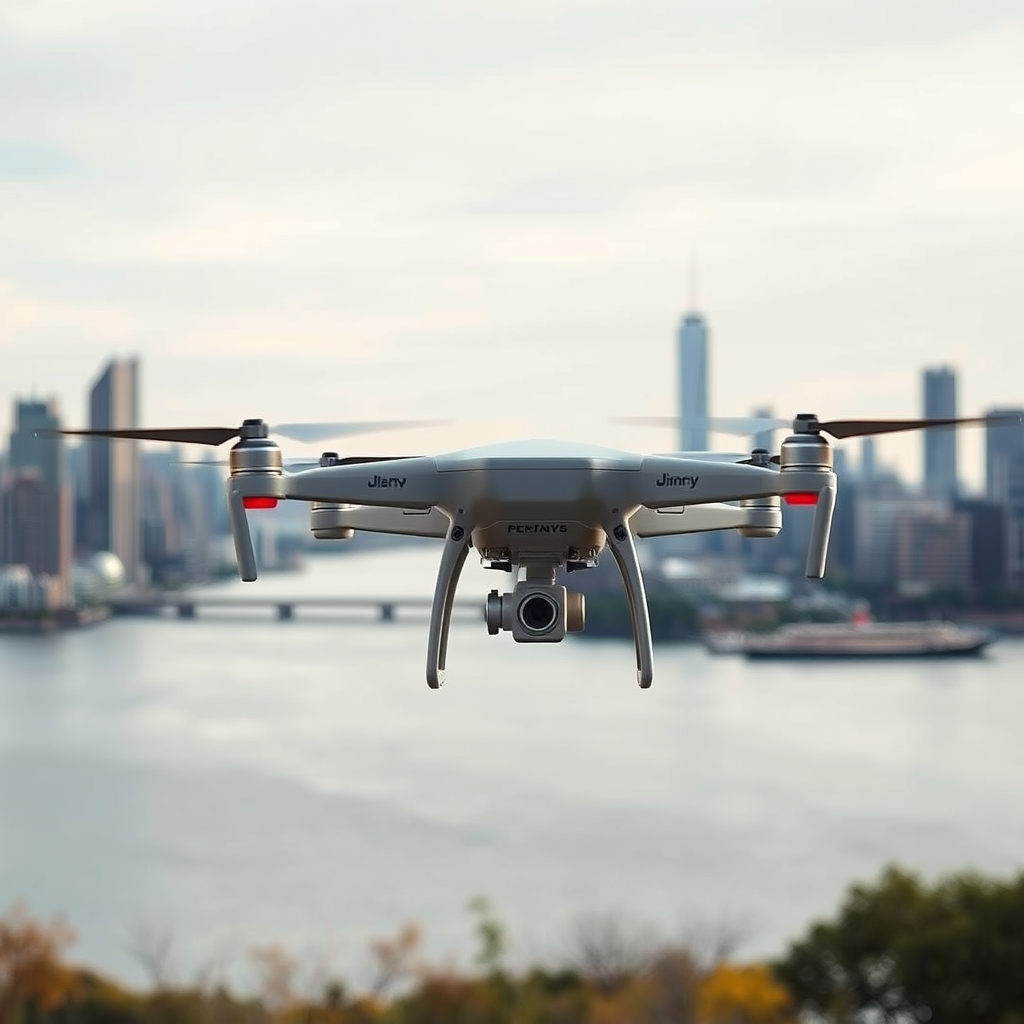
Yes, you can fly a drone over the Hudson River, but there are specific regulations and guidelines you must follow to ensure safety and compliance with local laws. Understanding these rules is crucial for both recreational and commercial drone pilots, as the Hudson River area is bustling with activity, including boats, bridges, and varying elevation levels. This blog delves into the essential regulations, local laws, safety considerations, and best practices for flying a drone in this picturesque region, ensuring an enjoyable and lawful experience.
Understanding FAA Regulations
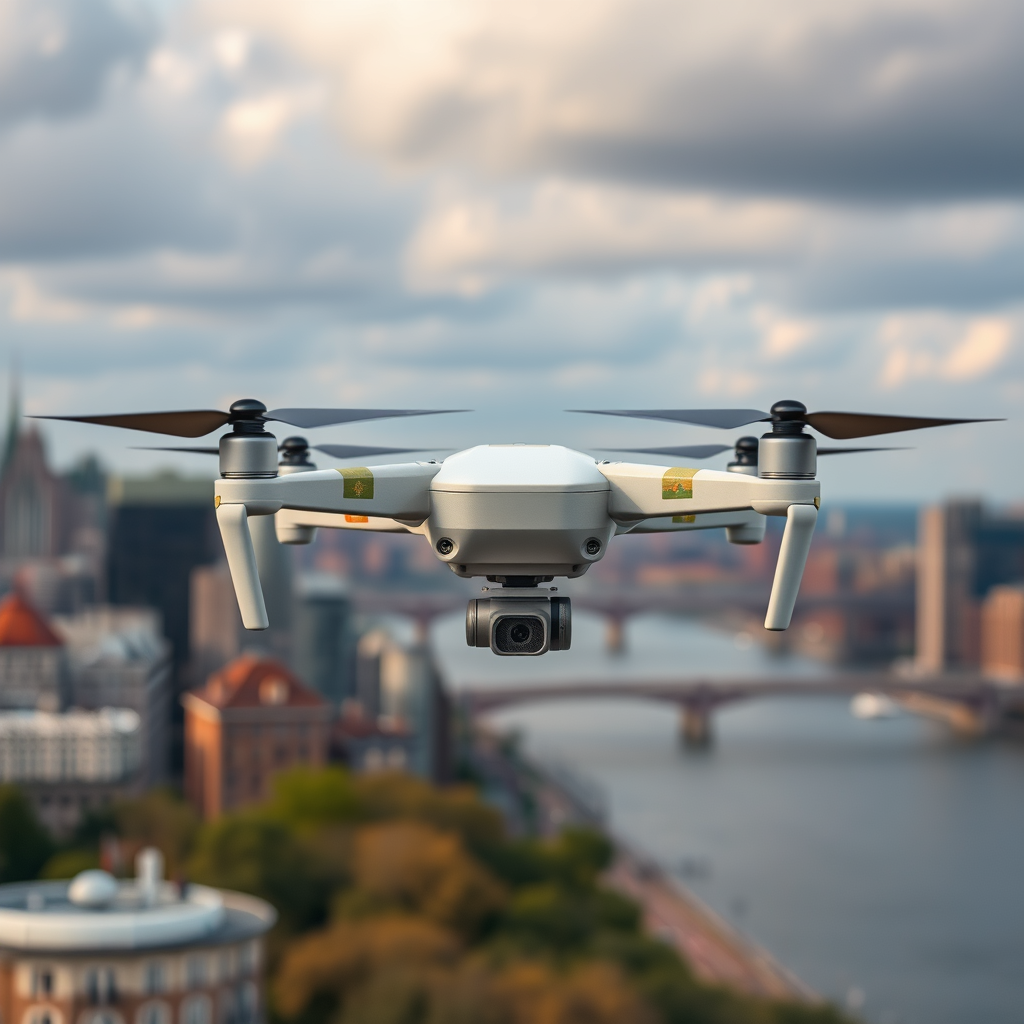
The Federal Aviation Administration (FAA) governs the operation of drones in the United States, including over the Hudson River. One of the primary regulations is that drones must be flown below 400 feet to minimize risks associated with manned aircraft. This altitude restriction also allows for safer navigation in areas with potential obstacles, such as bridges and buildings.
Additionally, pilots must maintain a visual line of sight with their drones at all times. This requirement ensures that operators can effectively control their drones and avoid collisions with other aircraft or obstacles. For those flying drones that weigh more than 0.55 pounds, registration with the FAA is mandated. This process involves obtaining a unique identifier for the drone and helps in tracking and accountability. Failure to comply with these FAA regulations can lead to fines and legal repercussions, so it’s crucial for pilots to remain informed and adhere to these guidelines.
Local Laws and Restrictions
While the FAA sets forth overarching regulations, local laws and ordinances can impose additional restrictions on drone flights. Before flying over the Hudson River, it is vital to check for any specific local prohibitions or guidelines that may apply. Many municipalities along the river have established their own rules concerning drone operations to address concerns about privacy and safety.
Moreover, the Hudson River has numerous no-fly zones, particularly near airports, heliports, and military installations. For instance, the proximity of New York City airports, including LaGuardia and JFK, creates significant air traffic that drone pilots must navigate carefully. Resources like the FAA’s B4UFLY app can help pilots identify these no-fly zones in real-time, ensuring safe and compliant flying.
Safety Considerations
Safety is paramount when flying drones, especially over densely populated or active areas like the Hudson River. Pilots should avoid flying in crowded spaces, such as parks or busy waterfronts, where individuals may be present. Respecting the privacy of individuals and their property is also crucial; operators should refrain from capturing images or videos of private residences without permission.
Additionally, natural obstacles such as bridges and boats can pose significant risks to drone flights. The Hudson River is known for its numerous bridges, such as the George Washington Bridge and the Tappan Zee Bridge, which can interfere with drone operations. It’s also essential to be vigilant about other watercraft, including ferries and recreational vessels, which can create unexpected challenges. Maintaining situational awareness and planning flight paths that avoid these hazards will contribute greatly to ensuring a safe flying experience.
Best Practices for Drone Flying
To enhance the safety and enjoyment of flying a drone over the Hudson River, pilots should adopt several best practices. First and foremost, planning your flight route in advance is essential. Thoroughly researching the areas you intend to fly in will help you avoid restricted zones and any potential hazards.
Utilizing drone flight planning apps can be invaluable for this purpose. These apps provide real-time information about airspace conditions, including temporary flight restrictions, weather updates, and nearby obstacles. Resources like AirMap or Skyward can assist pilots in making informed decisions about their flights.
Another best practice is to conduct a thorough pre-flight check of the drone. This should include inspecting the battery levels, ensuring all components are functioning correctly, and verifying that the drone’s firmware is up to date. Such diligence will not only improve the likelihood of a successful flight but also contribute to overall safety.
Popular Drone Launch Points
Identifying safe and accessible locations for takeoff and landing is critical for drone pilots seeking to explore the Hudson River. Several parks and designated drone areas along the river offer excellent opportunities for launching a drone while providing stunning views of the surrounding landscapes.
For instance, the Hudson River Park in New York City has several designated areas where drone flying is allowed. This waterfront park provides ample open space, beautiful scenery, and a controlled environment for drone enthusiasts. Additionally, locations like the Croton Point Park and the Bear Mountain State Park offer excellent vantage points and are generally more remote, minimizing the risk of interference from crowds.
When selecting a launch point, consider factors such as accessibility, the presence of nearby facilities, and compliance with local regulations. By choosing the right spots, you can enhance both the safety and enjoyment of your drone flying experience.
Photography and Videography Tips
The Hudson River’s breathtaking scenery offers a wealth of opportunities for drone photography and videography. Utilizing the camera features of your drone can help you capture stunning aerial images of the river, its bridges, and the surrounding landscape. To achieve the best results, consider using the drone’s manual settings to adjust parameters such as exposure, ISO, and shutter speed.
Moreover, understanding the golden hours of photography—early morning and late afternoon—can lead to dramatic lighting conditions that enhance your images. Additionally, employing techniques such as framing, leading lines, and utilizing the rule of thirds can significantly improve the composition of your shots.
It is also imperative to follow ethical photography guidelines. This includes avoiding capturing images of private properties without consent and being mindful of the impact of your flying on wildlife. Prioritizing these ethical considerations not only demonstrates respect for privacy but also promotes responsible drone use within the community.
In summary, flying a drone over the Hudson River is indeed possible, provided that operators are well-informed about the relevant regulations and safety considerations. By adhering to FAA guidelines, respecting local laws, and employing best practices, drone pilots can enjoy the stunning views of this iconic river while ensuring a safe and compliant flying experience. Always stay updated on the latest regulations, prioritize safety, and relish the opportunity to capture the beauty of the Hudson responsibly.
Frequently Asked Questions
Can you fly a drone over the Hudson River?
Yes, you can fly a drone over the Hudson River, but it is subject to specific regulations and restrictions. The airspace over the Hudson River is classified as controlled airspace, particularly near New York City, which requires drone pilots to obtain authorization from the Federal Aviation Administration (FAA). Additionally, it’s crucial to be aware of local laws and park regulations that may further restrict drone usage in certain areas along the river.
What are the regulations for flying a drone near the Hudson River?
When flying a drone near the Hudson River, pilots must adhere to FAA regulations, which include flying below 400 feet, keeping the drone within visual line of sight, and avoiding flying near airports and heliports. Since parts of the Hudson River fall under Class B airspace, drone operators will need to apply for a Remote Pilot Certificate and potentially secure a waiver or authorization through the FAA’s LAANC system to operate in these areas legally.
Why is it important to check local laws before flying a drone over the Hudson River?
Checking local laws before flying a drone over the Hudson River is essential to ensure compliance with both state and local regulations that can vary widely. Areas along the river may have specific restrictions, especially in parks, historical sites, or residential neighborhoods, which could result in fines or confiscation of the drone. Being informed about these regulations helps avoid legal issues and promotes responsible drone flying that respects the rights of others.
What are the best locations to fly a drone over the Hudson River?
Some of the best locations to fly a drone over the Hudson River include state parks such as Hudson River State Park and the areas around the George Washington Bridge, where you can capture stunning views of the river and the skyline. However, it is essential to verify the drone regulations specific to each location, as some parks may have designated no-fly zones or require permits for drone use. Always prioritize safety and respect for others when choosing a flying site.
How can I obtain permission to fly my drone over the Hudson River?
To obtain permission to fly your drone over the Hudson River, you’ll need to register your drone with the FAA and potentially apply for a Part 107 Remote Pilot Certificate if you plan to fly commercially. For recreational flying, you can use the FAA’s LAANC (Low Altitude Authorization and Notification Capability) system to request authorization to fly in controlled airspace. Make sure to plan ahead and allow sufficient time for processing any necessary permissions or waivers before your flight.
References
- https://www.faa.gov/uas/getting_started/part_107
- https://www.nps.gov/gate/planyourvisit/drone-use.htm
- https://www.whitehouse.gov/briefing-room/statements-releases/2021/01/15/fact-sheet-drone-safety-and-security-in-the-united-states/
- https://www.nj.gov/dep/education/drone-use-in-new-jersey.html
- https://www.nytimes.com/2020/11/10/nyregion/drone-nyc-regulations.html
- https://www.wired.com/story/drone-regulations-2021/
- https://www.nps.gov/articles/drone-regulations.htm
