
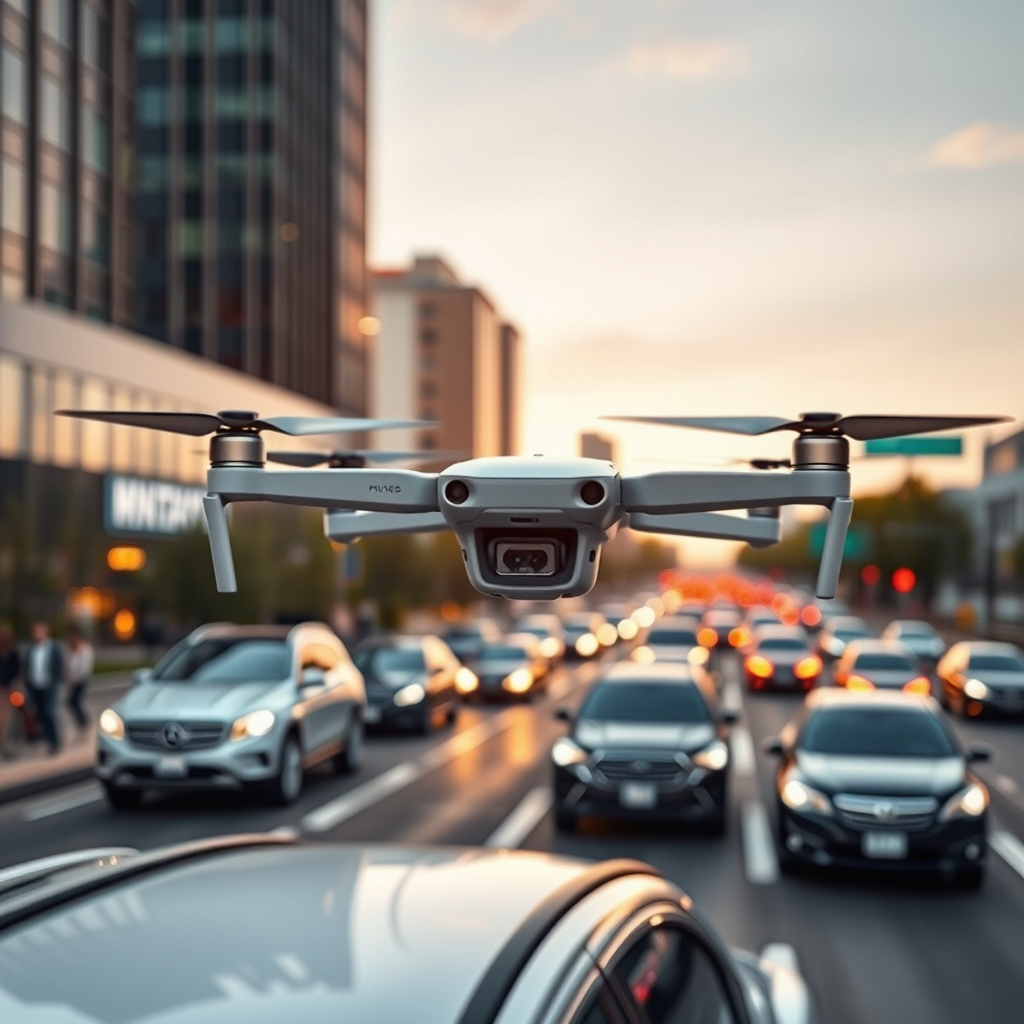
Yes, you can fly a drone over traffic, but there are strict regulations and safety considerations to keep in mind. Navigating the airspace above busy roads and highways requires a thorough understanding of the legal landscape, as well as a commitment to safety and responsible flying practices. This article will explore the legal requirements, safety measures, and best practices for flying drones in urban areas with traffic, ensuring that you can operate within the law while minimizing risks.
Understanding Drone Regulations
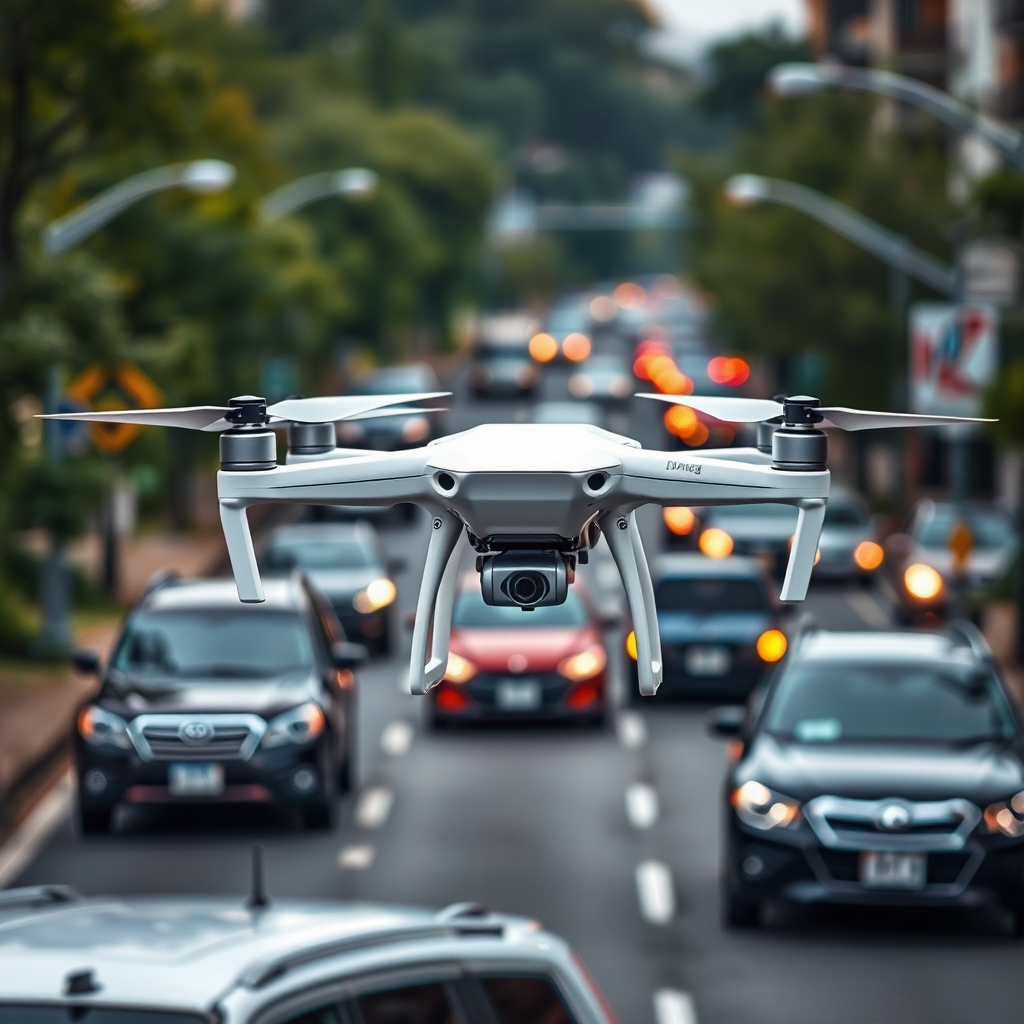
The Federal Aviation Administration (FAA) governs the operation of drones in the United States, outlining specific rules that dictate where and how these devices can be flown. Under FAA regulations, drones must maintain visual line-of-sight with the operator and cannot be flown over people without a waiver. Furthermore, flying over traffic falls under the category of operating over populated areas, which often requires special permissions.
Local laws may impose additional restrictions on flying over populated areas, including traffic. For instance, many cities have enacted ordinances that limit drone use in certain areas, particularly near major thoroughfares or densely populated neighborhoods. Before taking to the skies, it is critical to research both federal and local regulations to avoid potential fines or legal repercussions. Websites like the FAA’s B4UFLY app are invaluable resources for checking airspace restrictions and ensuring compliance.
Safety Considerations
Safety is paramount when operating drones, especially over moving vehicles. One of the essential aspects to consider is whether your drone is equipped with necessary safety features such as obstacle avoidance technology. This feature can help prevent collisions with vehicles and other structures, significantly enhancing operational safety.
Understanding the risks of flying over moving vehicles is another critical safety consideration. Drones can experience sudden malfunctions, leading to potential crashes that could cause injuries or property damage. For example, if a drone were to fall onto a busy highway, it could create a hazardous situation for drivers. Therefore, it is advisable to conduct a thorough pre-flight checklist, including verifying battery levels, GPS functionality, and weather conditions. Pilots should also be prepared for emergencies, such as having a clear plan in case of a lost signal or unresponsive drone.
Best Practices for Flying Over Traffic
When flying a drone over traffic, maintaining a safe altitude is crucial. The FAA recommends that drones be operated below 400 feet, but this can vary depending on local regulations and the specific environment. By flying at a higher altitude, drone operators can avoid interference with vehicles and enhance visibility for both the drone pilot and motorists.
Utilizing real-time traffic data is another effective strategy for ensuring safety during drone operations. Many smartphone applications provide live traffic updates, which can help drone pilots choose optimal times for flying. For instance, avoiding rush hour can reduce the risk of potential accidents and provide a smoother flying experience. Additionally, consider using flight planning tools that allow you to visualize traffic patterns and identify potential hazards in your flight path.
Insurance and Liability Issues
When flying a drone, especially over traffic, it is wise to consider obtaining liability insurance to cover potential damages or accidents. Drone insurance can protect operators from financial losses resulting from property damage or personal injury claims. Some insurance policies may even cover incidents that occur while flying over populated areas, though it is essential to review the specifics of your policy closely.
Understanding the legal implications of flying over traffic is also critical. Should an accident occur, the drone operator may be held liable for damages. In many cases, proving negligence can be complicated, particularly if local laws regarding drone operation are ambiguous. Consulting with a legal expert familiar with drone regulations can provide clarity and help ensure compliance with all applicable laws.
Alternatives to Flying Over Traffic
For those looking to monitor traffic without the risks associated with flying directly overhead, there are several alternatives to consider. Exploring options such as flying in open areas or designated drone zones can provide a safer environment for operations while still achieving your objectives. Many cities are establishing drone-friendly areas that allow for safe and legal flying.
Additionally, consider using drones for traffic monitoring from a distance rather than directly overhead. For example, positioning a drone on the outskirts of a busy intersection can still allow for effective monitoring without the risks associated with flying directly above vehicles. This approach can help operators gather valuable data and images while adhering to safety and legal guidelines.
Technology and Innovations
Advancements in drone technology have significantly enhanced safety and navigation capabilities, making it easier for operators to fly in complex environments like urban areas. Features such as GPS tracking, automated flight paths, and real-time data sharing with traffic management systems can improve the overall safety of drone operations. For instance, some drones are now equipped with advanced mapping software that allows for precise flight planning, helping operators avoid obstacles and high-traffic areas.
Furthermore, the integration of drones with traffic management systems is an exciting innovation. Such systems can enable drones to receive live traffic updates, adjusting their routes dynamically to avoid congestion and enhance safety. As technology continues to evolve, staying informed about new developments can help drone operators make safer and more informed decisions.
In conclusion, flying a drone over traffic is feasible but comes with a host of legal and safety challenges that must be navigated carefully. By ensuring compliance with regulations, prioritizing safety, and considering alternatives, drone operators can optimize their flying experience while mitigating risks. Understanding the landscape of drone operations in urban settings is essential for anyone looking to explore this exciting and rapidly evolving field.
Frequently Asked Questions
Can you legally fly a drone over traffic?
In many countries, including the United States, flying a drone over traffic is generally prohibited without special permissions. The Federal Aviation Administration (FAA) states that drones must not operate over people or moving vehicles unless they meet specific criteria. Always check local regulations and obtain any necessary permits to ensure compliance with the law before flying a drone in such areas.
What are the risks of flying a drone over traffic?
Flying a drone over traffic poses significant risks, including potential collisions with vehicles and endangering public safety. Drones can be difficult to control in crowded areas, and any accidents could lead to serious legal consequences or liability issues. Additionally, the loss of a drone control signal could result in a crash, potentially causing injury or property damage.
How do I get permission to fly a drone over a busy road?
To obtain permission for flying a drone over a busy road, you typically need to apply for a waiver from the appropriate aviation authority, such as the FAA in the U.S. This process may involve demonstrating that you can safely operate the drone and outlining the specific safety measures you will take. It’s crucial to collaborate with local law enforcement or traffic authorities as part of this process to ensure public safety.
Why do drone regulations restrict flying over traffic?
Drone regulations restrict flying over traffic primarily to ensure public safety and minimize the risk of accidents. Drones can malfunction or be challenging to control, particularly in busy areas, leading to potential collisions with vehicles or pedestrians. By enforcing these regulations, authorities aim to prevent accidents and ensure that drone operations do not interfere with road safety.
What are the best practices for flying a drone near traffic?
If you must fly a drone near traffic, adhere to best practices such as maintaining a safe distance from vehicles and ensuring you have a clear line of sight at all times. Avoid flying directly over moving traffic and choose times when traffic is minimal. Additionally, consider using a spotter to help monitor the airspace and maintain communication with local authorities to comply with safety regulations.
References
- https://www.faa.gov/uas/getting_started/part_107
- https://www.faa.gov/uas/law_enforcement/
- https://www.nytimes.com/2020/02/21/technology/drone-traffic.html
- https://www.reuters.com/article/us-usa-drone-traffic-idUSKBN1VE2SZ
- https://www.usc.edu/pressreleases/2021/3/3/drone-traffic-management-research
- https://www.nas.edu/activities/2019/07/drone-traffic-management-report
- https://www.wired.com/story/faa-drone-regulations-traffic/
- https://www.bbc.com/news/technology-46810054
- https://www.nap.edu/catalog/25536/drone-traffic-management-technical-approaches-to-ensuring-safety-and-security
