
Yes, you can fly a drone over water, but there are important factors to consider for safety and legality. Operating a drone in aquatic environments can be both exhilarating and challenging, presenting unique risks and rewards. This article will explore the key aspects you need to keep in mind when flying your drone over water, ensuring a safe and enjoyable experience.
Understanding Drone Regulations
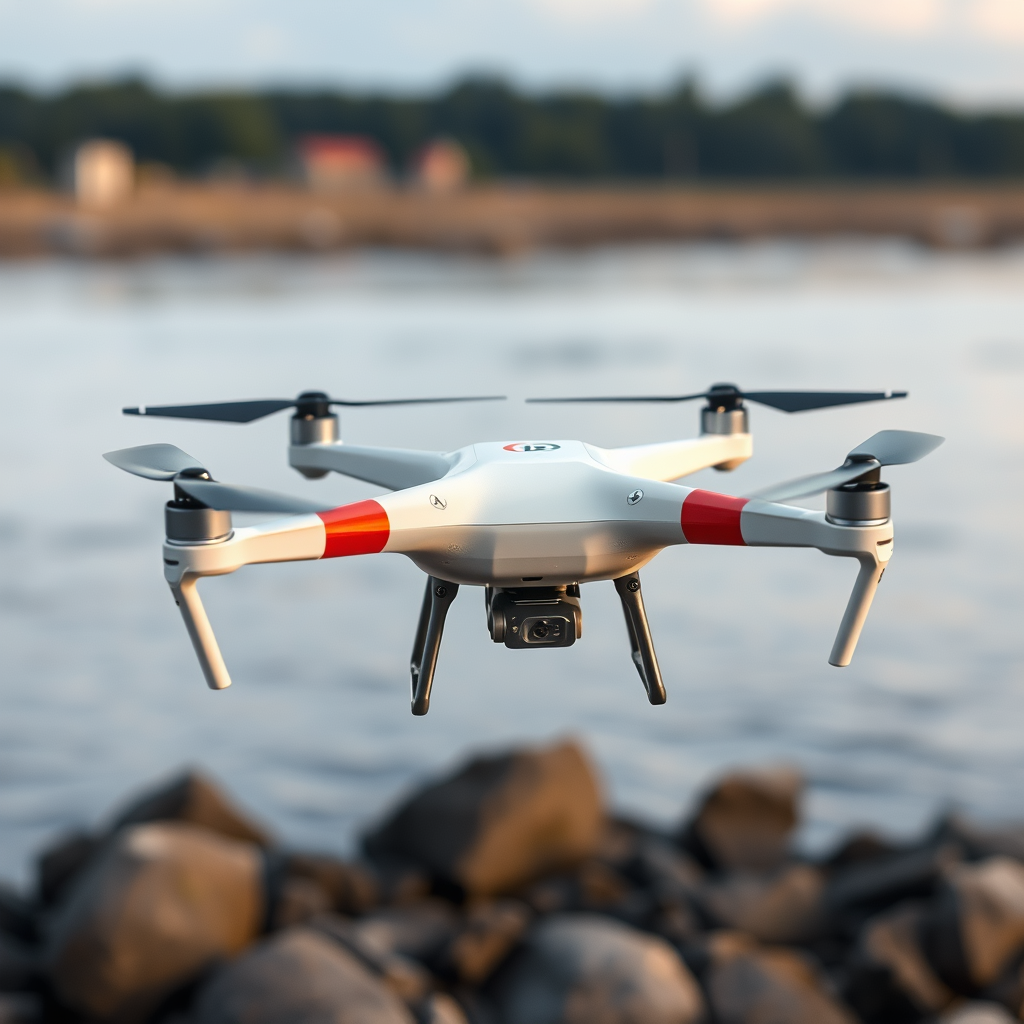
Before embarking on your aquatic drone adventure, it is imperative to familiarize yourself with local laws and regulations regarding drone usage, especially when flying over bodies of water. Different countries and even states or municipalities may have specific restrictions or requirements that apply to drones operating in these areas. For instance, in the United States, the Federal Aviation Administration (FAA) imposes regulations that pilots must adhere to, such as maintaining visual line of sight and not flying over people or moving vehicles.
In some regions, you may also encounter specific rules regarding drone flights over protected waterways, such as national parks or wildlife conservancies. Always verify whether you need to acquire any permits before flying, as non-compliance could result in fines or confiscation of your equipment. Websites like the FAA’s B4UFLY app can help you check for local airspace restrictions, providing an essential tool for responsible drone operation.
Safety Precautions to Take
Safety should always be your top priority when flying a drone, particularly over water where recovery can be challenging. One of the main precautions is to ensure that your drone is either waterproof or water-resistant. Models such as the DJI Mavic Air 2 and the Swellpro Splash Drone are designed to withstand water exposure, significantly reducing the risk of damage if an accident occurs.
In addition, always keep a close eye on your drone’s battery life. Water landings can be more complicated than landings on solid ground, and having a low battery when flying over water increases the risk of not being able to retrieve your drone. Aim to land your drone before the battery reaches critically low levels, ideally keeping at least 20% battery life as a buffer for safe return.
Ideal Drones for Aquatic Use
When selecting a drone for flying over water, it is beneficial to research models specifically designed for aquatic environments. Drones like the Swellpro Splash Drone 4 not only boast waterproof capabilities but also come equipped with features such as GPS return-to-home functions, which can be invaluable if you lose sight of your drone or experience a technical failure.
Consideration should also be given to drones that can be outfitted with flotation devices. These add-ons can help your drone stay afloat in the event of an unexpected water landing, making it easier to retrieve. Companies like FlyHigh offer flotation kits that are compatible with various drone models, providing an extra layer of security for your aquatic missions.
Techniques for Flying Over Water
Flying over water requires a different approach compared to flying in terrestrial environments. One key technique is to maintain a consistent altitude to avoid unexpected water splashes that can lead to accidents. A steady altitude ensures that your drone remains at a safe distance from the water surface, minimizing the risk of collision with waves or splashes.
Additionally, prior to flying over water, it’s advisable to practice your piloting skills in open areas, free of obstacles. This will help you build confidence in your flying abilities and improve your control of the drone. Familiarizing yourself with the drone’s responsiveness will make handling it over water much easier and safer.
Emergency Procedures
Despite taking all necessary precautions, emergencies can still occur when flying over water. Developing a clear plan for potential water landings or crashes is essential. Be aware of the water conditions, such as currents and tides, as they can complicate retrieval efforts.
Equip yourself with recovery tools, such as a fishing net or a flotation device, to facilitate the recovery of your drone should it land in the water. For example, a small inflatable raft can be a practical solution for helping to retrieve a submerged drone. Additionally, having a buddy system where another person assists you can further improve your chances of a successful recovery.
Tips for Capturing Great Footage
Flying a drone over water presents a unique opportunity for capturing stunning aerial footage, but achieving high-quality results requires careful consideration of several factors. One critical aspect is the time of day; the golden hour—shortly after sunrise or before sunset—offers soft, diffused light that can enhance your video quality.
Moreover, using polarizing filters can significantly reduce glare from the water’s surface, allowing for clearer images and more vibrant colors. These filters can help eliminate reflections that might otherwise obscure underwater details, providing viewers with a more immersive experience. Experimenting with different angles and perspectives can also lead to captivating footage that showcases your environment in unique ways.
In conclusion, flying a drone over water is not only feasible but can also yield stunning results. However, it’s crucial to stay informed about regulations, prioritize safety, and prepare adequately to ensure a successful flying experience. By understanding the local laws, equipping the right drone, and employing effective flying techniques, you can enjoy the thrill of capturing breathtaking aerial views over water. Always check local guidelines and equipment specifications before taking off to ensure a safe and enjoyable experience.
Frequently Asked Questions
Can you legally fly a drone over water?
Yes, you can legally fly a drone over water, but there are specific regulations you must follow. In many countries, including the United States, the Federal Aviation Administration (FAA) allows drone flights over water as long as you adhere to general safety guidelines, maintain visual line of sight, and do not violate local laws or regulations. Always check your local regulations, as rules can vary by state or region.
What are the risks of flying a drone over water?
Flying a drone over water presents several risks, including the potential for the drone to crash into the water, which can result in permanent damage or loss. Water can short-circuit electronic components, leading to malfunctions. Additionally, strong winds and currents can affect the drone’s stability and control. To mitigate these risks, it’s essential to fly a drone equipped with features like GPS return-to-home and to keep a safe distance from waves and water activity.
How can I ensure my drone is safe to fly over water?
To ensure your drone is safe to fly over water, consider investing in a waterproof or water-resistant model, or use a drone that has been specifically designed for aquatic environments. Additionally, before flying, perform thorough pre-flight checks, including battery levels, GPS signal strength, and ensuring all components are in good working order. It’s also wise to practice flying in a controlled environment before attempting to navigate over larger bodies of water.
What is the best type of drone for flying over water?
The best type of drone for flying over water is one that is waterproof or water-resistant, with robust features such as GPS stabilization and obstacle avoidance. Models like the DJI Mavic Air 2 or the Swellpro Splash Drone 4 are popular choices among enthusiasts for their durability and ability to handle water exposure. These drones typically have additional features like floatation devices or sealed components that make them ideal for aquatic adventures.
Why should I avoid flying a drone over busy waterways?
You should avoid flying a drone over busy waterways due to safety concerns for both recreational water users and drone operators. Increased boat traffic and water activities can pose collision risks, and the presence of people can lead to potential accidents or injuries. Moreover, flying in such areas may be against local regulations, which often restrict drone use in crowded places to ensure public safety. Always prioritize safety and consider quieter, less populated areas for drone flights over water.
References
- https://en.wikipedia.org/wiki/Drone_flight_restrictions
- https://www.faa.gov/uas/
- https://www.nytimes.com/2020/08/11/us/drone-water-safety.html
- https://www.dronepilotgroundschool.com/can-you-fly-a-drone-over-water/
- https://www.nasa.gov/feature/nasa-drones-take-flight-over-water
- https://www.reuters.com/article/us-drones-water-idUSKBN2A82M0
