

Yes, you can generally fly a drone over your house, but there are specific regulations and guidelines you must follow. With the growing popularity of drone technology, understanding the legal landscape surrounding their operation is essential. This includes being aware of local laws, safety measures, and privacy issues that can impact your flying experience. As a drone operator, it is your responsibility to navigate these regulations properly to ensure a safe and enjoyable experience.
Understanding Drone Regulations
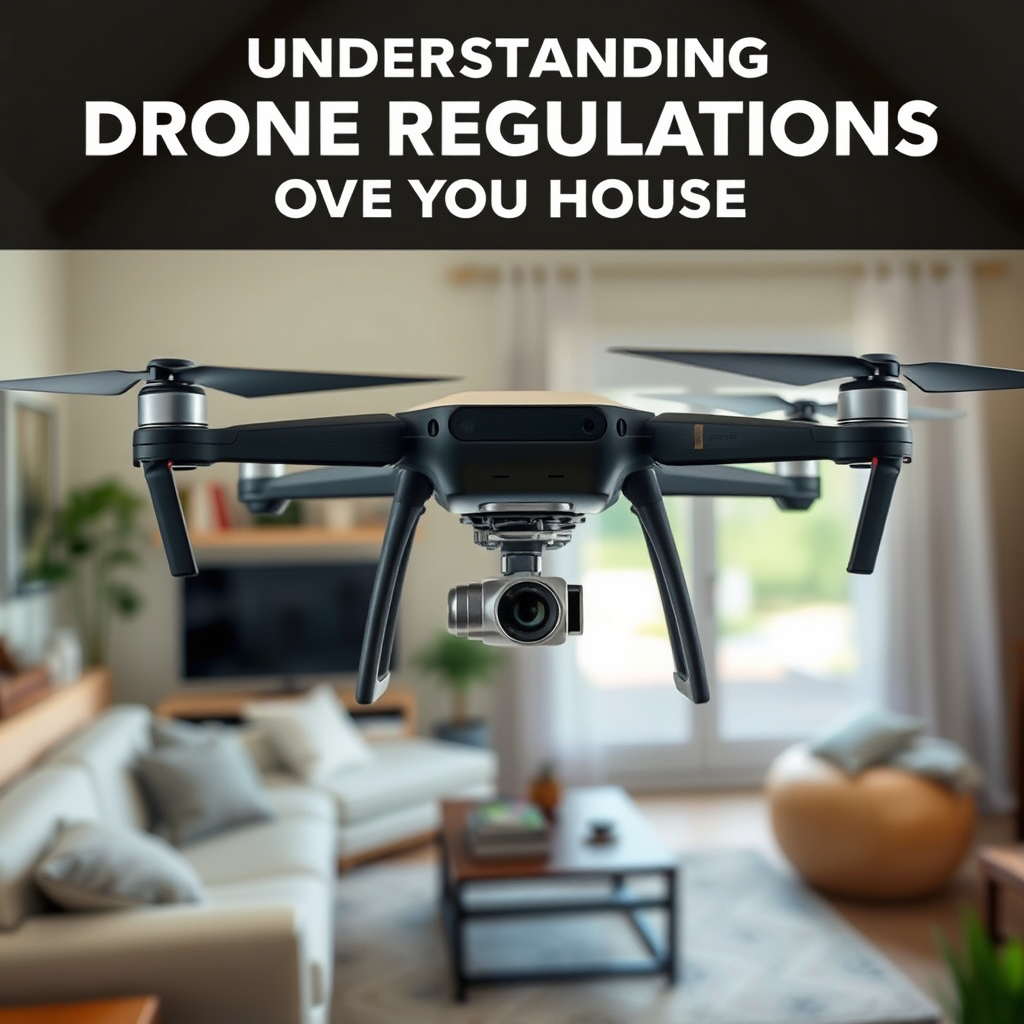
The Federal Aviation Administration (FAA) governs drone usage in the U.S., establishing rules to promote safe and responsible flying. According to the FAA’s Part 107 regulations, drones must be operated within a set of guidelines, including registration requirements for drones weighing more than 0.55 pounds. It is crucial to familiarize yourself with the FAA’s rules, which include restrictions on commercial drone use, flying at night, and maximum altitude limits.

Moreover, local laws and regulations can vary significantly by state or municipality. Some areas may have specific ordinances that restrict drone flights, particularly in urban environments or near sensitive locations. For instance, cities like Los Angeles and New York have enacted laws that prohibit drone use in certain public parks or near densely populated areas. Therefore, checking with your local government and understanding the specific regulations in your area is vital to ensure compliance and avoid unnecessary legal issues.
Airspace Restrictions
Understanding airspace classifications is critical for responsible drone operation. In general, U.S. airspace is divided into controlled and uncontrolled categories. Controlled airspace, which includes Class B, C, D, and E airspace, is closely monitored and often requires prior authorization to fly a drone. For example, flying near airports, where air traffic is dense, may require you to contact the control tower and obtain permission before takeoff.
On the other hand, uncontrolled airspace (Class G) typically allows more freedom for drone operation as it is less regulated. However, even in uncontrolled airspace, you must avoid flying above 400 feet and maintain visual line-of-sight with your drone. Additionally, certain areas, such as military bases or national parks, may have temporary flight restrictions (TFRs) that can affect your ability to fly. Utilizing tools like the FAA’s B4UFLY app can help you stay informed about airspace restrictions in real-time.
Privacy Concerns
Privacy is a significant issue when it comes to drone operation, particularly when flying over private property. While the FAA allows you to fly over your property, doing so over your neighbor’s land can lead to potential legal disputes. Many states have not yet established comprehensive drone privacy laws; however, some have enacted statutes that protect individuals from unauthorized surveillance.
For example, in California, legislation prohibits the use of drones to capture images of private property without the owner’s consent, while New York has similar laws that protect against invasion of privacy. Being proactive and respectful of your neighbors’ privacy is essential for maintaining good relationships and avoiding potential legal ramifications. To mitigate risks, consider informing your neighbors of your drone use and ensure that your operations do not inadvertently infringe upon their privacy.
Safety Guidelines
Safety should always be a top priority when flying a drone. The FAA mandates that operators maintain a visual line-of-sight with their drones to ensure effective control and minimize the risk of accidents. Additionally, it’s important to avoid flying over people and crowded areas; doing so can put individuals at risk and may result in injury or property damage.
Before each flight, conduct a thorough pre-flight checklist that includes inspecting your drone for any mechanical issues, confirming battery levels, and ensuring that weather conditions are suitable for flying. If your drone is equipped with advanced technology, such as obstacle detection and GPS, make sure to leverage these features to enhance safety. Furthermore, consider flying during times when visibility is optimal, avoiding dusk or dawn when visibility may be compromised.
Best Practices for Flying at Home
To ensure a safe and legally compliant drone experience at home, adhere to a set of best practices. Start with a pre-flight checklist that includes verifying local regulations, checking for airspace restrictions, and assessing weather conditions. Using technology such as GPS and altitude limits can help you stay within legal boundaries and avoid potential violations.
Additionally, consider designating a specific area in your yard or property for drone flying, away from structures, trees, and people. This not only minimizes risks but also provides a controlled environment for practice and exploration. If you’re new to flying, take time to familiarize yourself with your drone’s controls and features in a spacious, open area before flying in more confined spaces or near your home.
Consequences of Illegal Drone Use
Failing to adhere to drone regulations can lead to significant consequences. The FAA has the authority to impose fines for violations, which can range from a few hundred to several thousand dollars depending on the severity of the infraction. For instance, flying in restricted airspace without authorization may lead to steep penalties, and individuals found guilty of reckless flying could face even harsher fines.
In addition to legal penalties, drone operators may also encounter civil actions from individuals whose privacy has been infringed upon. If a neighbor feels that their privacy has been violated due to your drone flights, they may pursue legal action against you, leading to costly legal fees and potential damages. To protect yourself, always stay informed about regulations and prioritize respectful flying practices.
In summary, while you can fly a drone over your house, it is essential to adhere to regulations and respect privacy to avoid legal complications. Understanding drone regulations, airspace restrictions, and privacy concerns will enable you to operate your drone responsibly. By following safety guidelines and implementing best practices, you can enjoy your drone experience while minimizing risks and ensuring compliance. Stay informed, fly responsibly, and make the most of your drone adventures.
Frequently Asked Questions
Can I legally fly a drone over my house?
Yes, you can legally fly a drone over your house, provided you comply with local regulations and guidelines set by the Federal Aviation Administration (FAA) in the United States. Ensure that your drone is registered if it weighs more than 0.55 pounds, and maintain a visual line of sight while flying. Additionally, be aware of any local ordinances that may restrict drone usage in residential areas.
What are the safety considerations for flying a drone over residential areas?
When flying a drone over residential areas, safety should be your top priority. Avoid flying over crowds or private property without permission, as this can lead to privacy violations and potential legal issues. Always check for obstacles like trees, power lines, and buildings, and maintain a safe altitude to minimize the risk of accidents while ensuring that you have a clear flight path.
How high can I fly my drone over my house?
The maximum altitude for flying a drone is generally 400 feet above ground level, as per FAA regulations. However, the exact height may vary depending on your local laws and regulations, which could impose lower limits. Always check state and municipal laws to ensure compliance and avoid potential fines while flying in residential areas.
Why would I need to shoot a drone over my house?
Shooting a drone over your house can be beneficial for several reasons, including aerial photography, surveying land, or inspecting your roof and property for maintenance purposes. However, it’s essential to ensure that you respect privacy and abide by legal regulations while conducting such activities to avoid infringing on the rights of your neighbors or violating local laws.
What are the best practices for flying a drone around my home?
The best practices for flying a drone around your home include conducting a pre-flight check to ensure your drone is in good working condition, adhering to FAA guidelines, and respecting your neighbors’ privacy. Additionally, use a reliable drone app to monitor airspace restrictions and avoid flying during adverse weather conditions to ensure a safe and enjoyable flying experience.
References
- https://www.faa.gov/uas/
- https://www.nolo.com/legal-encyclopedia/drone-laws-your-state-what-you-need-know-29795.html
- https://www.wired.com/story/what-know-flying-drones-near-homes/
- https://www.theguardian.com/technology/2021/jul/18/drones-privacy-uk-laws
- https://www.reuters.com/technology/us-drone-laws-2021-06-24/
- https://www.nytimes.com/2021/06/23/technology/drones-privacy.html
- https://www.ncsl.org/research/transportation/drone-laws.aspx
