
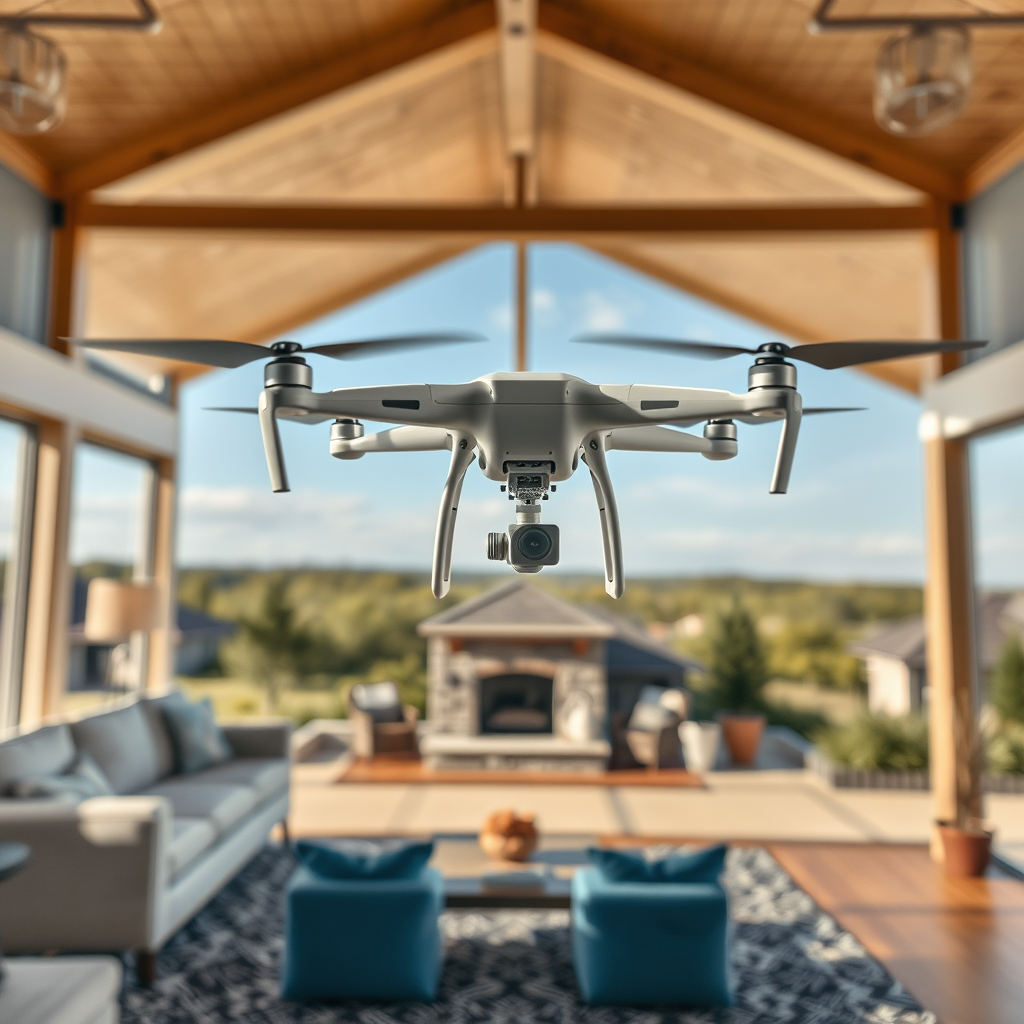
Yes, you can generally fly a drone over your property in Missouri, but there are specific regulations and guidelines you must follow. Understanding these rules is crucial for ensuring safe and lawful drone operation while respecting privacy and airspace regulations. Whether you’re using your drone for recreational purposes, photography, or surveying, adhering to both federal and state laws will help you avoid potential legal issues and enhance your flying experience.
Overview of Drone Regulations in Missouri
Missouri adheres to federal regulations set forth by the Federal Aviation Administration (FAA) regarding drone operations. This means that anyone flying a drone must comply with established federal guidelines, which include safety measures and operational protocols. Additionally, Missouri state laws may impose extra restrictions that pertain to privacy and trespassing, which can vary by city or county. It is vital for drone operators to stay informed about both federal and state regulations to ensure compliance and to promote safe flying practices.
Drone operators must also be aware that local municipalities may have their own specific rules regarding drone use. These can include restrictions on flying drones in parks, over private property without permission, or near sensitive locations such as schools and hospitals. Understanding these regulations is essential for responsible drone operation and will help you avoid fines or penalties that might arise from non-compliance.
Federal Aviation Administration (FAA) Guidelines
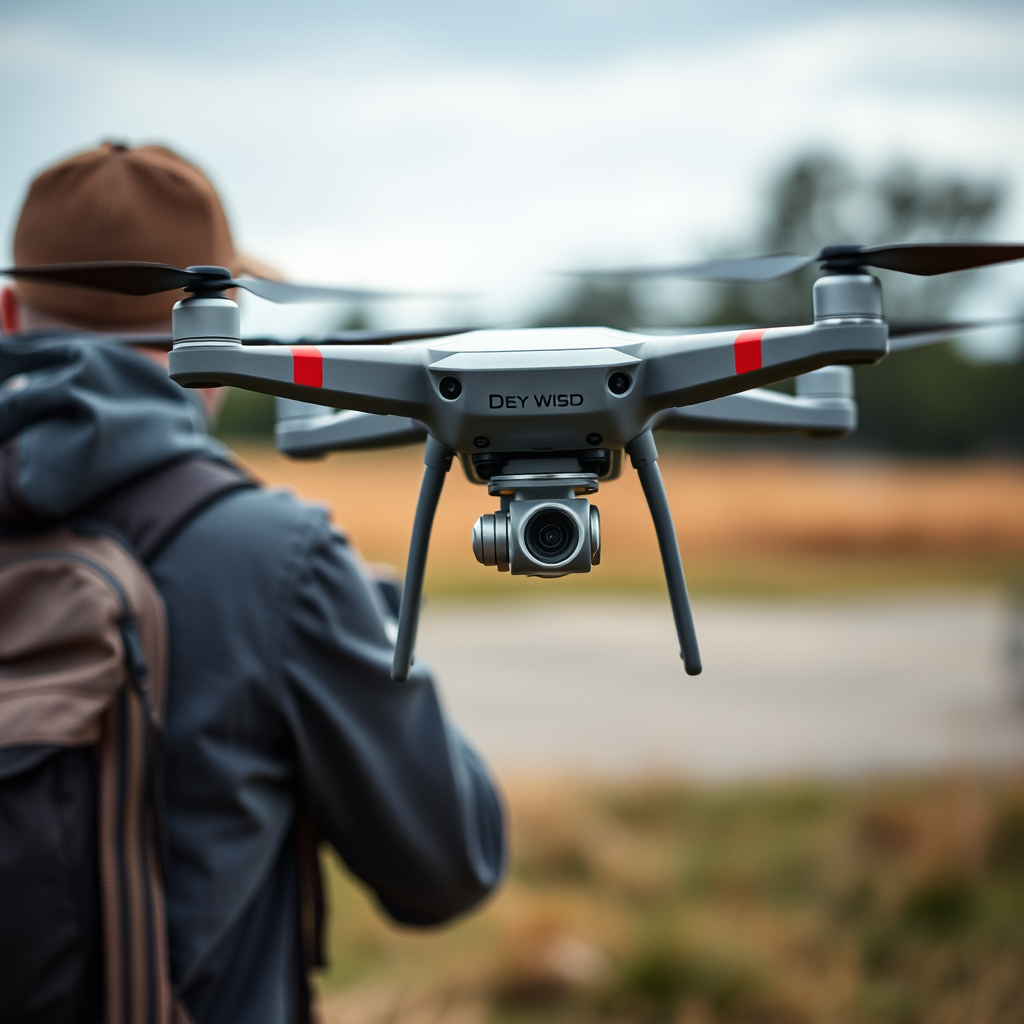
The FAA establishes the fundamental framework for drone operations across the United States, and Missouri is no exception. According to FAA regulations, drones must be registered if they weigh more than 0.55 pounds. This registration process is straightforward and can be completed online, providing accountability and safety within the drone community.
Moreover, operators are required to adhere to specific safety protocols, such as maintaining visual line of sight with their drone at all times and flying below 400 feet in controlled airspace. It is also important to avoid flying near airports or helipads, as these areas are subject to strict regulations to prevent airspace conflicts. By following these guidelines, drone operators can significantly contribute to safer skies and minimize the risk of incidents.
Local Ordinances and Restrictions
In addition to federal regulations, local ordinances in Missouri can impose further restrictions on drone usage. Cities such as St. Louis and Kansas City may have regulations that prohibit drone flying in certain public spaces, or that require permits for commercial drone use. It is essential for drone operators to check their local laws and ordinances to ensure compliance and avoid potential fines or penalties that could arise from violations.
For instance, a drone operator in St. Louis might find that flying in city parks is restricted or requires permission from the city government. Similarly, some areas may have designated no-fly zones, particularly near critical infrastructure or busy urban centers. Familiarizing yourself with these local guidelines can save you from hefty fines and ensure a more enjoyable flying experience.
Privacy Concerns and Trespassing Laws
While you have the right to fly a drone over your property, it is crucial to respect the privacy of your neighbors. Missouri law stipulates that unauthorized aerial surveillance can be classified as a form of invasion of privacy. This means that while you can operate your drone, you should avoid capturing images or videos of private property without consent, as this could lead to legal repercussions.
Moreover, the concept of trespassing can extend to the airspace above your neighbor’s property. Although airspace is generally considered public, courts have ruled in certain cases that flying a drone at low altitudes over someone else’s property could be deemed as trespassing, especially if it invades their privacy. To mitigate these risks, it is advisable to inform your neighbors before conducting any drone activities, fostering goodwill and understanding within your community.
Best Practices for Drone Operation
To ensure a positive experience when flying a drone, consider implementing best practices that prioritize safety and community relations. Firstly, informing neighbors of your intentions to fly can help alleviate concerns and foster open communication. This proactive approach can prevent misunderstandings and potential complaints.
In addition, avoid flying near airports, crowded areas, or sensitive locations to minimize risks. Keeping your drone within visual line of sight is not only a regulatory requirement but also a safety measure that helps prevent accidents. Moreover, consider flying during designated hours when fewer people are outdoors, which can further reduce the risk of collisions or disturbances.
Lastly, always conduct a pre-flight inspection of your drone to ensure that it is in good working condition. This includes checking battery levels, propellers, and camera functionality. Taking these steps will enhance your flying experience and promote safety for both yourself and those around you.
Insurance and Liability Considerations
Drone insurance is a crucial consideration for anyone operating a drone, especially over populated areas. Obtaining liability insurance can help cover potential damages or accidents that may occur during flight, which is particularly important if you accidentally cause harm to property or individuals. Many insurance providers offer specialized drone insurance policies, which can provide peace of mind as you navigate the skies.
Understanding your liability as a drone operator is also essential. If your drone causes harm or damage while flying over private property, you may be held financially responsible. Therefore, it is prudent to familiarize yourself with your insurance coverage and ensure that you are protected against potential claims.
Resources for Drone Operators in Missouri
For those looking to stay informed about drone regulations in Missouri, the Missouri Department of Transportation offers various resources, including guidelines and updates about the legal landscape for drone operations. Their website provides valuable information on how to register your drone, understand local laws, and access educational materials on safe flying practices.
Additionally, joining local drone clubs or online forums can be an excellent way to connect with other drone enthusiasts. These communities often share insights, tips, and updates about regulations, making it easier for you to stay informed and improve your flying skills. Engaging with fellow operators can also enhance your experience by providing opportunities for collaboration and learning.
In summary, while you can fly a drone over your property in Missouri, it is essential to adhere to both federal and state regulations, respect privacy laws, and follow best practices for safe operation. By staying informed about the latest rules and fostering positive relationships within your community, you can ensure a rewarding and lawful flying experience.
Frequently Asked Questions
Can I legally fly a drone over my own property in Missouri?
Yes, you can legally fly a drone over your own property in Missouri, provided you follow federal regulations set forth by the Federal Aviation Administration (FAA). These regulations include keeping the drone within your line of sight, flying below 400 feet, and avoiding restricted airspace. Additionally, it’s important to respect the privacy of others and avoid flying over their properties without permission.
What are the restrictions for flying drones in Missouri?
In Missouri, drone pilots must adhere to both federal and state regulations. This includes not flying near airports, not exceeding 400 feet in altitude, and not flying over crowds or moving vehicles. Some local jurisdictions may have additional rules, so it’s advisable to check local ordinances before flying your drone.
How can I ensure I’m not infringing on privacy laws while flying my drone in Missouri?
To avoid infringing on privacy laws while flying your drone in Missouri, maintain a respectful distance from private properties and avoid capturing images or videos of individuals without their consent. Missouri law does not allow recording someone without their permission in circumstances where they have a reasonable expectation of privacy, so always be mindful of this when operating your drone.
What should I do if I encounter someone who complains about my drone flying over their property?
If someone complains about your drone flying over their property, the best approach is to engage in a calm and respectful conversation. Explain that you are flying legally over your own property and inquire if there are specific concerns that can be addressed. It’s crucial to remain compliant with regulations and maintain good neighborly relations to avoid potential conflicts.
Which drone regulations should I be aware of when using my drone for commercial purposes in Missouri?
When using a drone for commercial purposes in Missouri, you must comply with FAA regulations, which require obtaining a Remote Pilot Certificate under Part 107. This includes understanding airspace classifications, operational limitations, and safety protocols. Additionally, you may need to obtain permits or adhere to local regulations, so it’s essential to research and stay informed about both federal and state laws before operating commercially.
References
- https://en.wikipedia.org/wiki/Drone_regulation_in_the_United_States
- https://www.faa.gov/uas/getting_started/
- https://www.ncsl.org/research/transportation/drone-laws.aspx
- https://www.missouri.gov/
- https://www.cmu.edu/ethics/documents/Drone%20Regulations%20in%20Missouri.pdf
- https://www.kansascity.com/news/local/article227847974.html
- https://www.npr.org/sections/alltechconsidered/2016/10/19/498775461/what-you-need-to-know-about-drones-and-the-law
- https://www.usatoday.com/story/tech/2020/01/10/what-drones-can-and-cant-do-when-flying-over-private-property/4399718002/
- https://www.jstor.org/stable/10.5325/jreadres.36.2.0141
