

Yes, you can fly a drone over your property in Virginia, but there are specific regulations and guidelines you must follow. Adhering to these rules ensures that you can enjoy your drone flying experience while remaining compliant with both federal and state laws. This not only helps you avoid legal complications but also promotes safety and respect for privacy in your community.
Understanding FAA Regulations
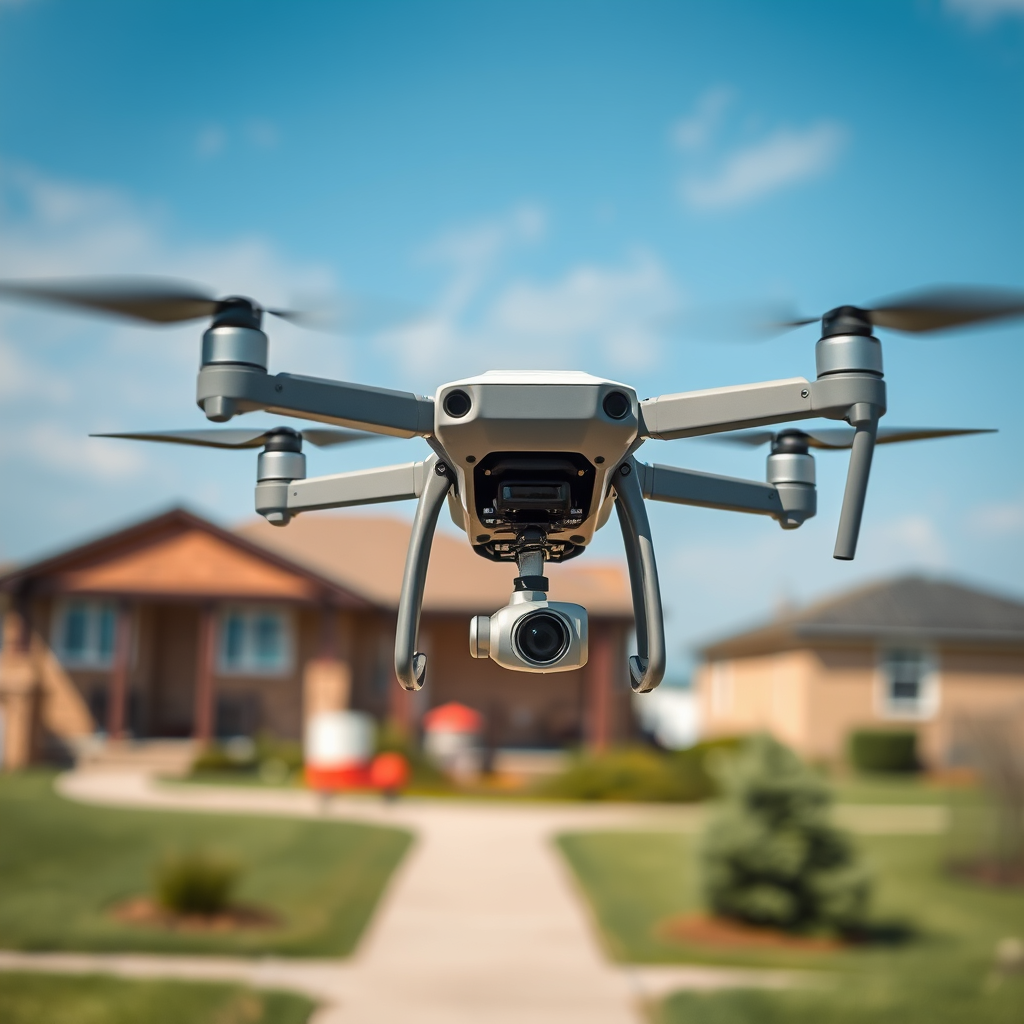
The Federal Aviation Administration (FAA) is the governing body for airspace and drone operation throughout the United States. For recreational drone pilots, understanding FAA regulations is crucial. The primary regulation governing the operation of drones is Part 107, which includes several key requirements. For instance, drones must be flown below an altitude of 400 feet, and pilots must maintain visual line-of-sight with their drones at all times. Additionally, certain areas are designated as no-fly zones, such as near airports, military bases, and populated areas, which are prohibited for drone operations unless special permissions are obtained.
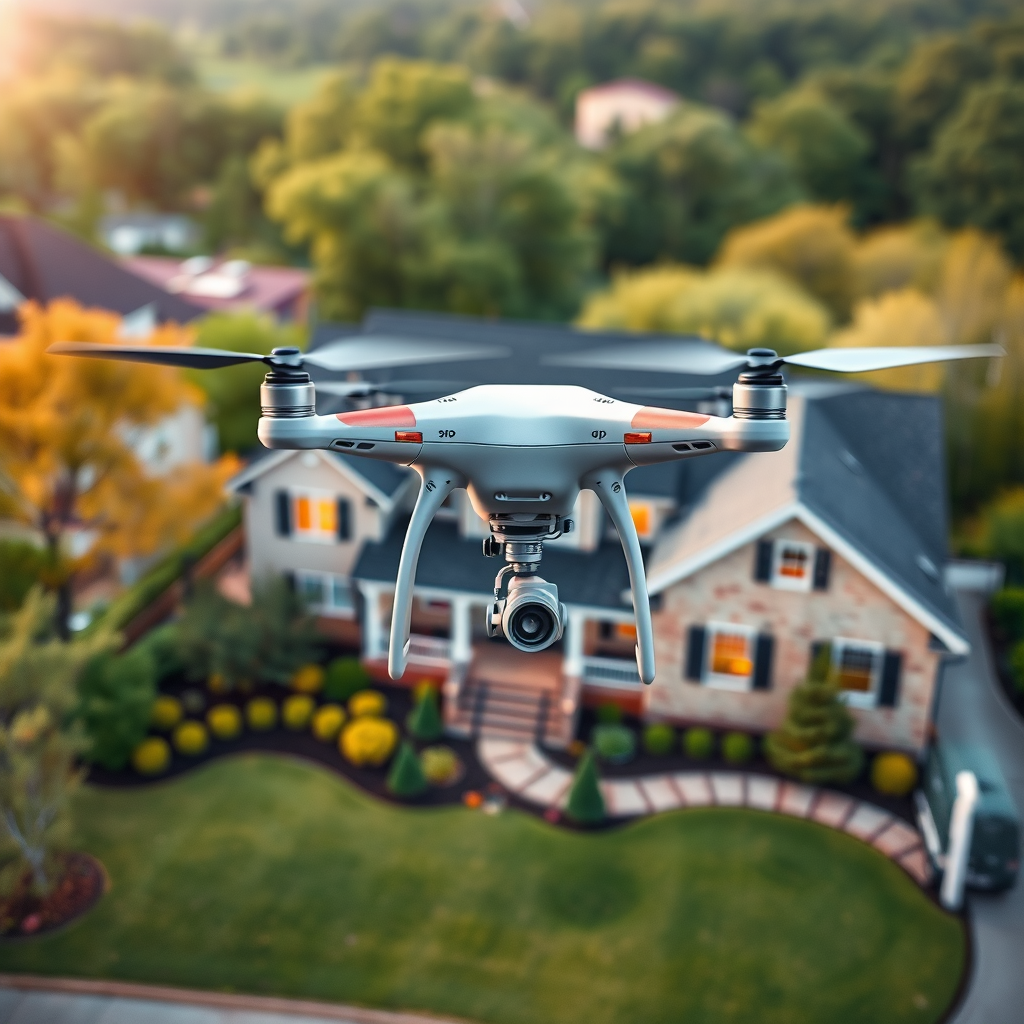
Recreational drone pilots are also required to register their drones if they weigh over 0.55 pounds (250 grams). This registration process not only establishes accountability but also enhances safety by promoting responsible drone use. By familiarizing yourself with these regulations, you can ensure that your flying activities are conducted legally and safely.
Virginia State Drone Laws
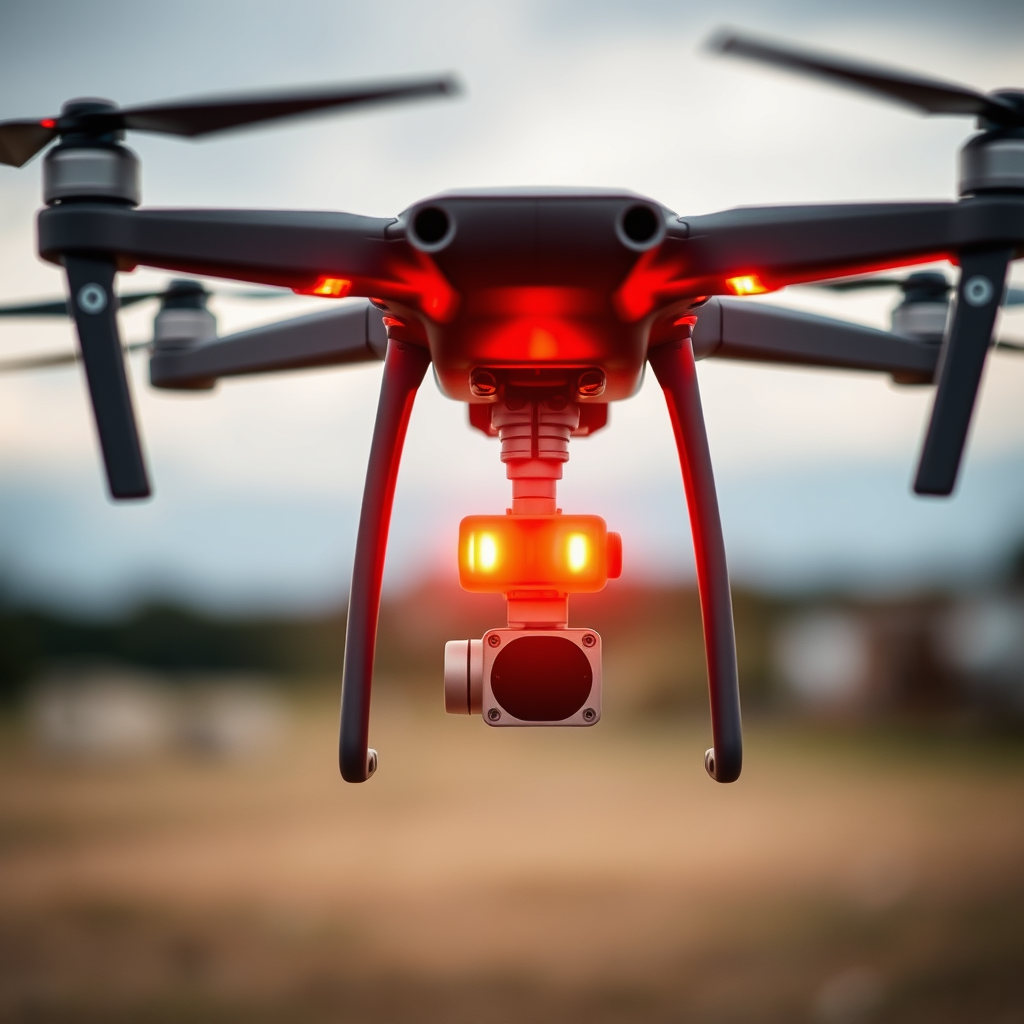
In addition to federal regulations, Virginia has specific laws governing drone use that you must be aware of before taking to the skies. These laws address issues such as privacy, trespassing, and local ordinances that may impose additional restrictions on drone flying. For example, Virginia Code § 19.2-60.1 prohibits the use of drones to conduct surveillance on individuals or private property without consent. This is an important aspect of the law, as it underscores the state’s commitment to protecting individuals’ privacy rights.
Moreover, certain localities in Virginia may have their own regulations regarding drone usage, especially in urban areas where congestion and privacy concerns may be heightened. It is advisable to check with local city or county ordinances before flying your drone. Failing to do so could result in fines or other legal consequences, thereby underscoring the importance of comprehensive knowledge of both state and local laws.
Property Lines and Airspace Rights
Property owners in Virginia do have rights to the airspace above their land, which might lead you to believe that you can freely operate a drone at any altitude over your property. However, this belief is nuanced. The FAA asserts that airspace is a shared resource, meaning that while you have some rights to the airspace above your property, your use of that airspace must not interfere with the rights of others. This can lead to potential conflicts with neighbors who may feel uncomfortable or threatened by drone activity.
Legal disputes can arise if a neighbor perceives your drone as an invasion of their privacy or if it causes disturbances. Therefore, it is prudent to engage with your neighbors about your intentions to fly a drone over your property, fostering understanding and cooperation. This open communication can help mitigate any potential conflicts and promote a harmonious neighborhood environment.
Privacy Concerns
Flying a drone over your property does not exempt you from privacy laws, and respecting your neighbors’ privacy is paramount. Virginia’s laws emphasize the importance of consent when it comes to capturing images or recordings using a drone. If your drone inadvertently captures video or images of individuals on adjacent properties without their permission, you may be violating privacy laws, leading to legal complications.
To navigate these concerns effectively, consider implementing best practices such as avoiding flying over neighboring properties and being mindful of the angles and heights from which you operate your drone. Additionally, if you plan to use a drone for commercial purposes or photography, obtaining explicit consent from affected parties is a wise precaution that can protect you from legal repercussions.
Insurance and Liability
As with any form of technology, operating a drone comes with inherent risks. To cover potential damages or accidents that may occur while flying, obtaining drone insurance is highly advisable. Liability coverage can protect you in the event of disputes or claims made by third parties, such as a neighbor claiming that your drone caused damage to their property or invaded their privacy.
Several insurance providers offer specialized drone insurance policies that can cover various aspects of drone operation, including physical damage to the drone itself, liability for bodily injury, and property damage. Investing in this type of insurance not only provides peace of mind but also demonstrates a commitment to responsible drone operation.
Best Practices for Safe Drone Flying
To ensure a safe and enjoyable drone flying experience, it is essential to follow best practices. Start with a pre-flight checklist to verify that your drone is in optimal working condition. Check battery levels, ensure that propellers are secure, and confirm that your remote control is functioning properly.
When flying, maintain a safe altitude and be mindful of people, animals, and structures in your vicinity. Avoid crowded areas and refrain from flying near airports or other restricted zones. Also, consider the weather; strong winds and adverse conditions can affect your drone’s performance, so choose a clear day for flying. Finally, always be prepared for emergencies by having a plan for safely landing your drone should any unforeseen issues arise.
Resources for Drone Operators in Virginia
To enhance your understanding and compliance with drone regulations, several resources are available for drone operators in Virginia. Local drone clubs and online forums provide valuable community support, offering a platform for sharing experiences, advice, and updates on regulations. These groups can also help you connect with other drone enthusiasts and professionals who can provide insights into best practices and safe flying techniques.
Additionally, governmental websites such as the FAA’s official site and Virginia’s state-specific resources can keep you informed about changes in regulations, safety guidelines, and educational opportunities. Staying updated and engaged with these resources will enable you to be a responsible and informed drone pilot.
In conclusion, while you can fly a drone over your property in Virginia, it is crucial to understand and comply with both federal and state regulations. By adhering to FAA rules, respecting privacy rights, and communicating openly with your neighbors, you can foster a positive drone flying experience. Additionally, being proactive about insurance and practicing safe flying techniques will help you navigate the skies responsibly and enjoyably.
Frequently Asked Questions
Can I fly a drone over my property in Virginia without any restrictions?
Yes, you can fly a drone over your own property in Virginia, but there are specific regulations that you must follow. Your drone must be registered with the FAA if it weighs more than 0.55 pounds, and you should comply with any local laws or ordinances that may apply. Additionally, it’s important to be aware of airspace restrictions and to fly at or below 400 feet to ensure safety and legality.
What are the legal requirements for flying a drone in Virginia?
In Virginia, drone operators must adhere to federal regulations set by the FAA as well as any state laws. This includes registering the drone if it weighs more than 0.55 pounds, obtaining a Remote Pilot Certificate for commercial operations, and following guidelines for flying in controlled airspace. Local ordinances may also impose additional restrictions, so it’s advisable to check with local authorities before flying.
Why is it important to know the airspace classification when flying a drone in Virginia?
Understanding airspace classification is crucial for drone safety and legality in Virginia. Different airspace types—such as Class G, Class B, Class C, and Class D—have varying rules regarding drone flight. For instance, flying in controlled airspace often requires authorization from the FAA. Knowing these classifications helps you avoid potential fines and ensures the safety of manned aircraft.
What should I do if my neighbor objects to my drone flying over their property in Virginia?
If a neighbor expresses objections to your drone flying over their property, it’s best to communicate openly and respectfully with them. Familiarize yourself with Virginia’s privacy laws, as flying a drone does not give you the right to invade someone’s privacy. You may consider adjusting your flight path or altitude to address their concerns, promoting a good neighborly relationship while still enjoying your drone activities.
Which resources can help me stay updated on drone regulations in Virginia?
To stay updated on drone regulations in Virginia, you can visit the FAA’s official website, which provides essential information on federal laws and guidelines for drone use. Additionally, the Virginia Department of Aviation and local government websites often have specific rules and updates regarding drone operations in the state. Joining local drone clubs or online forums can also be beneficial for networking with fellow drone enthusiasts and receiving real-time information on any changes in regulations.
References
- https://www.faa.gov/uas/getting_started/part_107
- https://www.virginia.gov/
- https://www.legis.state.va.us/
- https://www.nytimes.com/2021/06/29/us/drones-virginia-property-rights.html
- https://www.washingtonpost.com/local/virginia-news/drone-law-virginia/2021/01/30/
- https://www.ucsusa.org/resources/drone-privacy-and-safety
- https://www.virginia.edu/
- https://www.nap.edu/catalog/25371/drone-safety-and-security-in-the-united-states
