
Yes, you can fly a drone in the rain; however, it is not recommended due to potential risks to the drone’s functionality and safety. While some drones might withstand light moisture, most consumer models are not designed for wet conditions, which can lead to significant operational failures. In this article, we will explore the implications of flying a drone in wet weather, potential damage, and best practices to ensure both your drone’s longevity and your safety.
Understanding Drone Weather Resistance
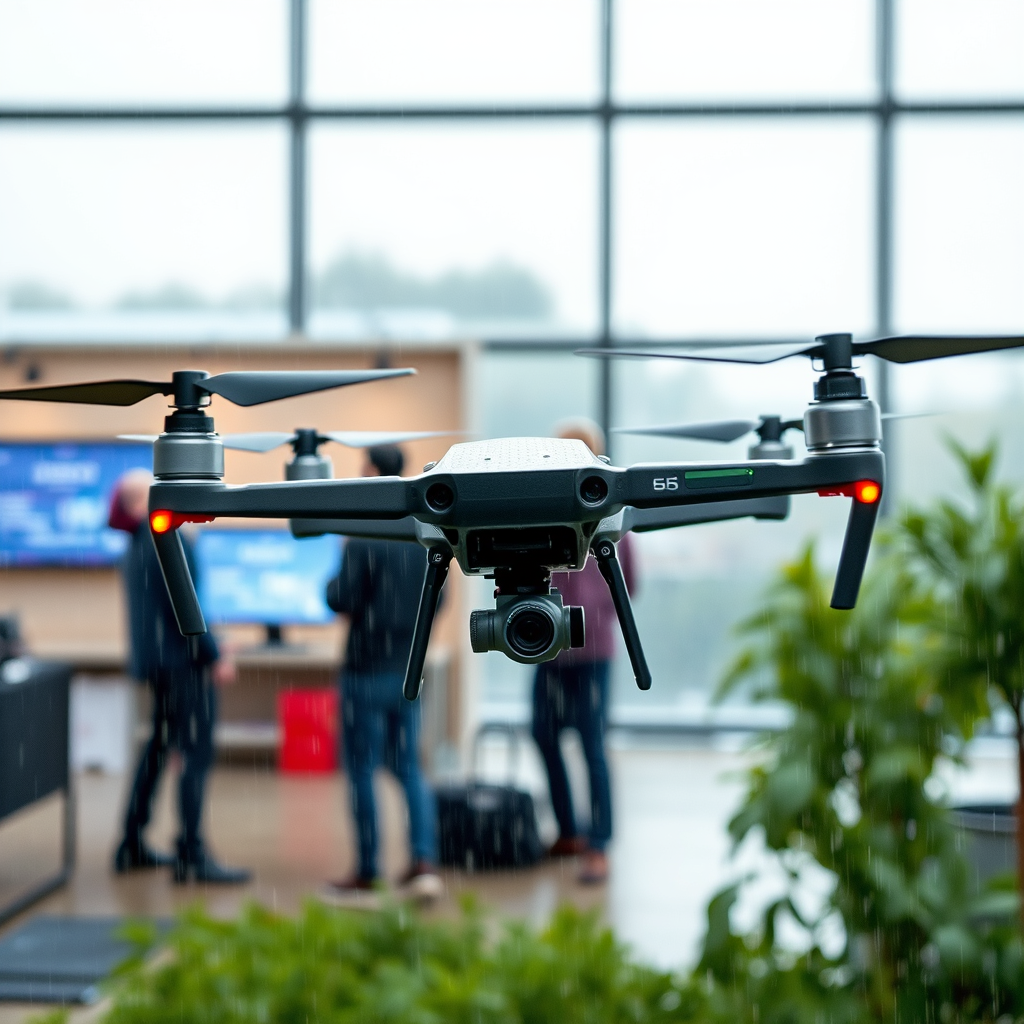
Many consumer drones lack adequate waterproofing and are susceptible to moisture damage. While there are high-end models designed with weather-resistant features, such as those from brands like DJI and Autel Robotics, these are exceptions rather than the rule. For instance, the DJI Mavic 3 has some level of water resistance, but even it isn’t fully waterproof. The majority of recreational drones are built primarily for optimal performance in dry conditions, and exposure to rain can lead to short circuits, corrosion, and other forms of damage.
Moreover, understanding the materials used in drone construction can provide insight into their weather resistance. For example, drones made with plastic components are often more vulnerable to water damage than those with aluminum or carbon fiber parts. Therefore, before flying in the rain, it’s crucial to verify your drone’s specifications and user manual to understand its weather capabilities.
Risks of Flying Drones in Rain
Flying a drone in the rain poses several risks that could jeopardize both the drone and the flying experience. One of the most concerning issues is that water can damage electronic components, leading to malfunction or failure during flight. For example, if moisture penetrates the drone’s internal systems, it can cause critical failures, including loss of control or failure to respond to commands.
Additionally, wet conditions can significantly reduce visibility for both the pilot and the drone. Rain can obscure the drone’s camera, leading to poor image quality and making it difficult to navigate accurately. Furthermore, wet surfaces can increase the risk of crashes, as the drone may not respond as expected when landing on slick or uneven ground. Such factors not only endanger the drone but also pose risks to people and property in the vicinity.
Drone Performance in Rainy Conditions
Rainy weather can have a detrimental effect on drone performance, impacting factors such as battery efficiency and flight time. Cold and wet conditions can cause battery life to diminish more quickly than in dry weather, leading to shorter flight times. For instance, a drone that typically flies for 25 minutes in optimal conditions might see that time reduced to 15 minutes or less in rainy conditions.
Moreover, rain can hinder GPS signal quality, which is vital for navigation and stability. Drones rely on GPS for accurate positioning, and poor signal reception can result in erratic flight behavior, including unintended altitude changes or drift. A compromised GPS signal can also affect automated flight modes, such as Return to Home, which can be crucial in maintaining control of the drone during adverse conditions.
Regulations and Guidelines
Before deciding to fly a drone in rainy weather, it is essential to familiarize yourself with local regulations regarding drone operations in adverse weather conditions. Various jurisdictions may have specific restrictions that prohibit flying in the rain or during inclement weather. For instance, some regions may enforce rules that require pilots to maintain visual line-of-sight, which can be challenging during rain.
Additionally, adhering to manufacturer guidelines is critical for ensuring the longevity of your drone. Most manufacturers will outline acceptable weather conditions for flight in the user manual. Ignoring these guidelines not only risks damage to the drone but may also void warranties, leaving you with no recourse for repairs or replacements if issues arise.
Best Practices for Flying in Rain
If you find it absolutely necessary to fly in light rain, there are best practices you should follow to mitigate risks. First and foremost, ensure your drone is equipped with a rain cover or protective gear specifically designed for flying in wet conditions. These accessories can provide an additional layer of protection against moisture and can help maintain the drone’s operational integrity.
Additionally, always perform pre-flight checks to assess the drone’s condition before flying in wet weather. Check for any visible signs of wear or damage, particularly around electronic components and battery compartments. Ensuring that the drone’s propellers, motors, and sensors are clean and functioning properly can also help prevent operational failures during flight.
It is also advisable to limit flight duration and altitude in rainy conditions. Keeping the flight short minimizes exposure to moisture and reduces the potential for battery drain. Flying at lower altitudes can also allow for quicker responses to any issues that may arise during the flight.
Alternatives to Flying in Rain
To ensure the safety of your drone and the quality of your footage, consider waiting for clearer weather before taking to the skies. Rain not only affects the drone’s performance but can also impact your ability to capture high-quality images and videos. Waiting for better conditions ensures that you can operate your drone effectively and safely.
If you’re eager to practice your flying skills without risking damage to your drone, explore indoor flying options or drone flight simulators. Many simulators offer realistic flying experiences that can help you hone your piloting skills without the dangers associated with adverse weather conditions. This can be particularly beneficial for beginners looking to build confidence before heading outdoors.
In conclusion, while it is technically possible to fly a drone in the rain, doing so poses significant risks that can affect both the drone’s performance and the safety of the flight operation. Prioritizing safety and the integrity of your equipment is paramount, and it is advisable to avoid flights in wet weather whenever possible. Always consult your drone’s user manual, adhere to local regulations, and consider alternatives to ensure a responsible and enjoyable flying experience.
Frequently Asked Questions
Can you fly a drone when it’s raining?
While it is technically possible to fly a drone in light rain, it is generally not advisable. Most consumer drones are not designed to withstand water exposure, and flying in wet conditions can lead to damage, reduced battery efficiency, and impaired visibility. It’s best to check the manufacturer’s guidelines for specific weather recommendations to ensure the longevity and safety of your drone.
What are the risks of flying a drone in the rain?
Flying a drone in the rain poses several risks, including potential water damage to the internal components, loss of control due to reduced visibility, and compromised battery performance. Additionally, wet conditions can affect the drone’s sensors and GPS accuracy, leading to crashes or malfunction during flight. It’s crucial to weigh these risks before deciding to fly in inclement weather.
How can I protect my drone from rain while flying?
To protect your drone from rain, consider using a waterproof drone cover or a rain-resistant case designed for your specific model. Additionally, if you know rain might be in the forecast, plan your flying sessions accordingly and avoid flying during or after heavy rainfall. Always check the weather conditions before takeoff to ensure a safe flying experience.
Why is flying a drone in the rain discouraged by manufacturers?
Manufacturers discourage flying drones in the rain primarily because moisture can lead to severe damage to electronic components, motors, and the battery. Water exposure can void warranties and result in costly repairs. Furthermore, flying in rain can hinder a pilot’s ability to effectively control the drone, increasing the likelihood of accidents and crashes.
Which drones are suitable for flying in rainy conditions?
Drones specifically designed for adverse weather conditions, such as those classified as waterproof or weather-resistant, are suitable for flying in light rain. Models like the DJI Matrice series or the Parrot Anafi USA offer enhanced protection against moisture. When selecting a drone for such conditions, always review the specifications and ratings to ensure it meets your needs for flying in varying weather.
References
- https://www.faa.gov/uas/getting_started/part_107_rules
- https://www.nasa.gov/feature/nasa-drone-research
- https://en.wikipedia.org/wiki/Unmanned_aerial_vehicle#Weather_conditions
- https://www.abc.net.au/news/2019-06-12/drone-use-in-weather-conditions/11205290
- https://www.dronepilotgroundschool.com/drone-flying-in-the-rain/
- https://www.theguardian.com/technology/2020/oct/05/drone-flying-rules-uk-what-you-need-to-know
- https://www.verywellmind.com/how-weather-affects-drone-flying-5116519
