

Yes, you can fly a drone in windy conditions, but it requires caution and an understanding of your drone’s capabilities. Wind can significantly impact a drone’s stability, control, and battery life, necessitating a thorough assessment of weather conditions before takeoff. By understanding the dynamics of wind and how they interact with drone technology, pilots can make informed decisions that enhance safety and performance during their flights.
Understanding Wind Conditions
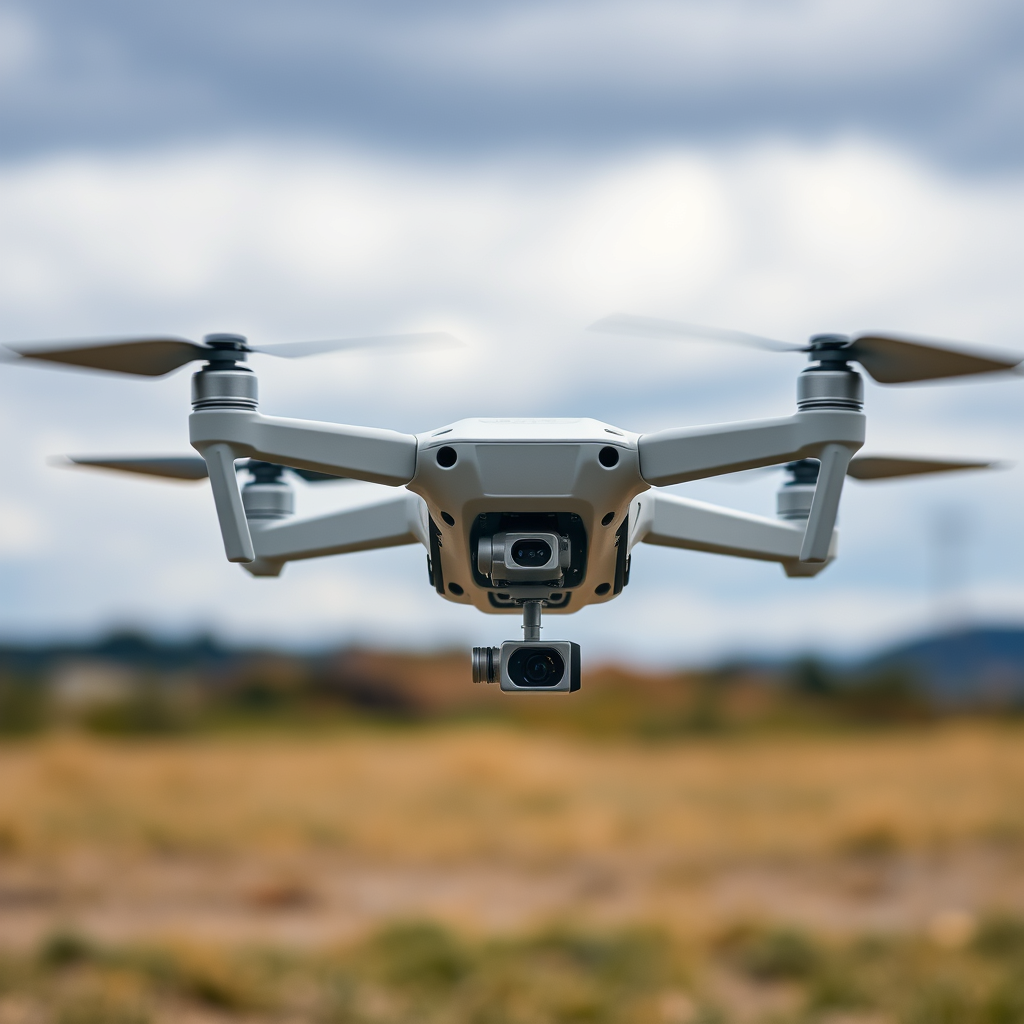
Wind speed is crucial: Most consumer drones can handle winds up to 15-20 mph, but this varies by model. For example, professional-grade drones are often equipped with more robust motors and better aerodynamics, allowing them to withstand higher wind speeds. Pilots should always reference the manufacturer’s specifications and guidelines regarding maximum wind resistance to avoid potential mishaps.
Wind direction matters just as much as speed. Crosswinds can be particularly challenging, as they can push the drone off its intended flight path, making control difficult. In contrast, headwinds—winds blowing against the drone’s forward motion—can reduce speed and battery life, while tailwinds can enhance speed but can also pose risks during landing. Understanding these dynamics will help pilots anticipate how the wind might affect their flights and how best to adjust their maneuvers accordingly.
Drone Specifications and Limitations
Knowing your drone is critical to navigating windy conditions effectively. Each drone model comes with specific guidelines that outline its maximum wind resistance capabilities. For instance, while a compact drone designed for beginners may only be suitable for calm conditions, a high-end drone equipped with advanced stabilization technology may be able to handle winds over 25 mph.
The weight and design of a drone play significant roles in its performance during windy conditions. Heavier drones typically have a lower risk of being tossed around by gusts of wind, offering greater stability. Additionally, drones with larger wingspans can leverage aerodynamic principles better, making them more resilient against strong winds. Pilots should assess their drone’s specifications and choose models that match the expected flying conditions to minimize risks.
Tips for Flying in Windy Conditions
Choosing your time wisely can greatly influence the success of your flight. Wind patterns often vary throughout the day; early mornings and late afternoons typically offer more favorable conditions with lighter winds. Additionally, observing local weather forecasts can help in planning your flights around periods of calmer weather.
Adjusting your flight plan is another critical strategy when dealing with wind. Staying close to the ground can help minimize the effects of wind, as lower altitudes often experience less turbulence. Flying at lower altitudes allows for better control and quicker reactions to sudden gusts. Furthermore, maintaining a stable altitude by utilizing features like altitude hold can provide an added layer of safety, allowing you to focus more on navigation than on constantly adjusting your height.
Safety Precautions
Maintaining a visual line of sight with your drone is paramount, especially in windy conditions. Wind can cause unexpected changes in your drone’s trajectory, and being able to see it allows for quicker reactions to any potential hazards, such as trees, buildings, or power lines. This practice is not only a best practice but often a legal requirement in many jurisdictions.
Utilizing GPS and altitude hold features can also enhance safety in windy conditions. Most modern drones come equipped with a GPS-based positioning system that helps maintain stability against wind gusts. Altitude hold features allow the drone to maintain a consistent height even in fluctuating wind conditions, which is particularly useful for capturing stable images and video footage. Pilots should familiarize themselves with these features and ensure they are enabled before takeoff.
Alternatives to Flying in Wind
Safety should always be the top priority when considering flying a drone in windy conditions. If the winds are too strong, consider postponing your flight. Many pilots find it beneficial to wait for more favorable conditions rather than risking damage to their equipment or potential accidents.
Exploring indoor flying is another viable option for drone enthusiasts. Some drones are specifically designed for indoor use, where wind is not a factor. Indoor flying can provide an excellent opportunity to practice maneuvers and improve piloting skills without the challenges posed by outdoor elements. Furthermore, many indoor drone racing leagues offer exciting competitions that can be a fun alternative to outdoor flying.
Legal Considerations
Checking local regulations is essential before flying a drone in windy conditions. Some areas may have restrictions on drone flights during inclement weather for safety reasons. Familiarizing yourself with these regulations not only aids in compliance but also helps ensure the safety of yourself and others in the vicinity.
If you do choose to fly in windy conditions and an incident occurs, it’s essential to report any accidents to the appropriate authorities. Following legal protocols after an incident can help mitigate any potential liabilities and emphasizes the importance of responsible drone operation.
In conclusion, while flying a drone in windy conditions is possible, it demands careful consideration of the drone’s capabilities, environmental factors, and safety precautions. By understanding wind dynamics, adhering to safety measures, and being aware of legal regulations, pilots can make informed decisions that enhance their flying experience while prioritizing safety. Always remember that when in doubt, it’s better to postpone your flight than to risk damage to your drone or create hazardous situations.
Frequently Asked Questions
Can you fly a drone in windy conditions?
Yes, you can fly a drone in windy conditions, but it depends on the wind speed and the specific drone model. Most consumer drones can handle winds of up to 10-15 mph, while more advanced models may withstand higher gusts. Always check the manufacturer’s specifications regarding wind resistance to ensure safe operation and avoid losing control.
How do I know if it’s too windy to fly my drone?
To determine if it’s too windy to fly your drone, check the local weather conditions, including wind speed and gusts. If the wind exceeds the manufacturer’s recommended limits, or if you notice excessive swaying or difficulty controlling the drone, it’s best to postpone your flight. Utilizing weather apps or drone-specific flight planning tools can help you make informed decisions about flying in windy weather.
Why is flying a drone in the wind risky?
Flying a drone in windy conditions poses several risks, including loss of control, decreased battery life, and potential crashes. Strong gusts can make it challenging to maintain stability, leading to erratic flight behavior. Additionally, wind can impact the drone’s ability to return home safely, increasing the likelihood of accidents or damage to both the drone and surrounding property.
What should I do if my drone gets caught in the wind?
If your drone gets caught in the wind, remain calm and take immediate action to regain control. Use the throttle to maintain altitude and steer towards a safe location, ideally downwind to avoid drifting further away. If the situation becomes unmanageable, activate the Return-to-Home (RTH) feature if available, as this can help bring the drone back to its launch point safely.
Which drones are best for flying in windy conditions?
Drones specifically designed for stability and wind resistance are best suited for windy conditions. Models such as the DJI Mavic Air 2 and the Phantom 4 Pro are known for their robust build quality and advanced stabilization features, making them more capable of handling gusty weather. Additionally, drones with larger frames and heavier weights tend to perform better in the wind compared to smaller, lighter models.
References
- https://www.faa.gov/uas/getting_started/fly_safe
- https://www.dronepilotgroundschool.com/flying-drones-in-wind/
- https://www.wired.com/story/how-wind-affects-drones/
- https://www.nytimes.com/2021/02/24/technology/drones-wind.html
- https://www.theguardian.com/technology/2020/jul/21/flying-drones-in-wind-what-you-need-to-know
- https://www.nasa.gov/centers/dryden/pdf/88529.pdf
- https://www.suasnews.com/2021/05/how-wind-affects-drone-flight/
