
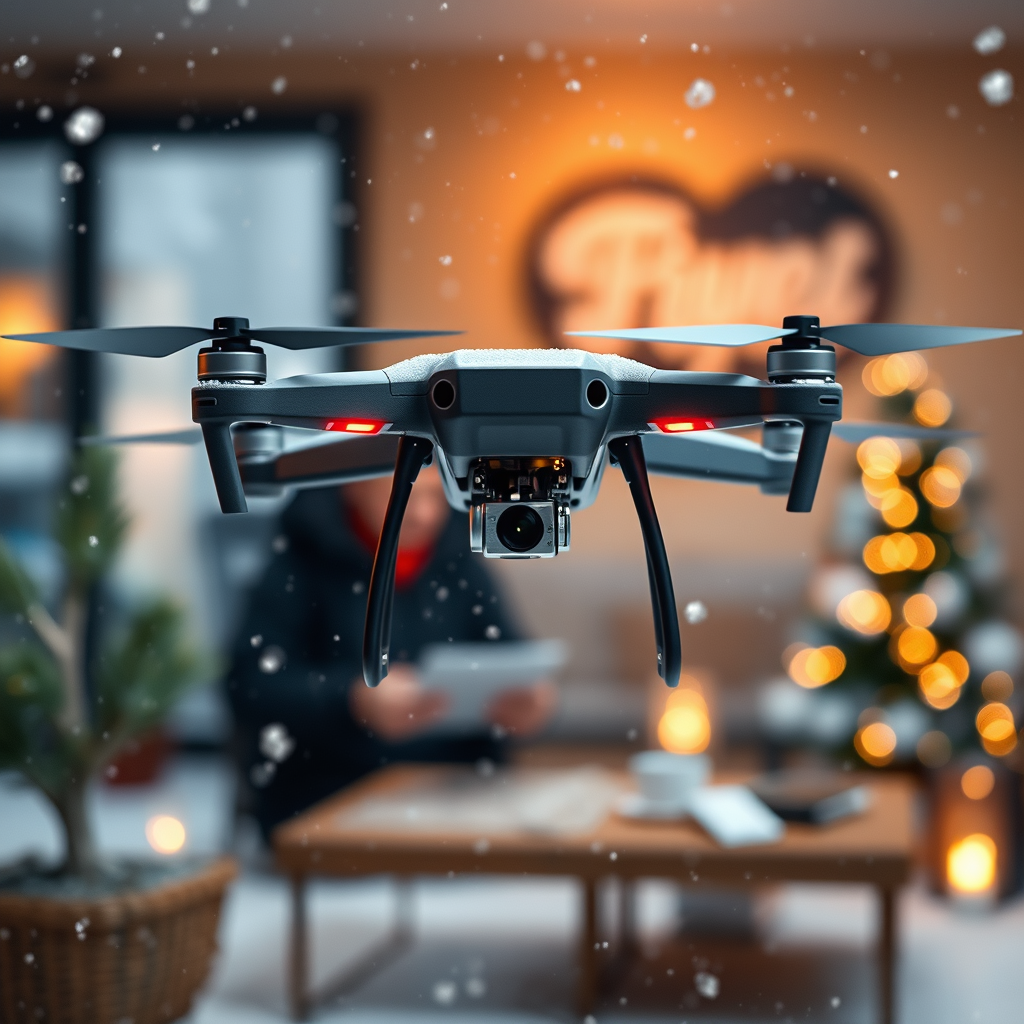
Yes, you can fly a drone while it’s snowing, but it comes with certain risks and considerations. Snowy conditions can impact visibility, battery performance, and the overall functionality of your drone, making it crucial to take precautions. Understanding the intricacies of flying in such weather will help you not only ensure your safety but also enhance your drone’s performance during these challenging conditions.
Understanding the Risks of Flying Drones in Snow

Flying a drone in snowy weather presents unique challenges that every operator should be aware of. One of the primary risks is visibility. Heavy snowfall can obscure your sight of the drone, making it difficult to maintain control and navigate effectively. This lack of visibility can lead to accidents, including crashes into trees, power lines, or even ground obstacles that might be hidden under the snow.
Additionally, the accumulation of snow on the drone itself can pose serious risks. As snow collects on the drone’s body and propellers, it can lead to imbalances in weight distribution, which may affect flight stability. Furthermore, wet snow can seep into the drone’s electronic components, leading to potential mechanical failures or short-circuits. Operators must remain vigilant and constantly monitor conditions to mitigate these risks.
Checking Your Drone’s Rating for Cold Weather
Before attempting to fly in snowy conditions, it is essential to check whether your drone is rated for cold weather operations. Many consumer drones are designed to operate within a specific temperature range, typically between 32°F (0°C) and 104°F (40°C). Operating outside of this range can lead to poor performance or even damage.
Moreover, battery performance in cold weather is a critical factor to consider. Lithium-polymer batteries, commonly used in drones, can lose a significant amount of their capacity in low temperatures. For instance, a drone that usually offers 20 minutes of flight time in optimal conditions might only provide 10-15 minutes in the cold. Always consult the manufacturer’s specifications regarding battery life and cold weather performance to avoid unexpected shutdowns during flight.
Preparing Your Drone for Snowy Conditions
Proper preparation is key to ensuring a safe flight in snowy weather. One effective step is to equip your drone with propeller guards. These guards not only shield the propellers from direct contact with snow but also help maintain balance and flight stability.
Additionally, it is crucial to check that all components of your drone are dry and functioning correctly before takeoff. Moisture can lead to malfunctions, so consider using a soft, dry cloth to wipe down your drone after it has been outside. You might also want to store your drone in a warm environment before flying to prevent condensation from forming when transitioning to a colder climate.
Lastly, familiarize yourself with the local weather forecast and avoid flying during heavy snowfall or severe weather conditions. A clear understanding of the forecast can guide you in planning your flights more effectively.
Recommended Flying Practices in Snow
When flying a drone in snowy conditions, certain practices can help enhance safety and performance. One of the most effective strategies is to limit your flight time. Cold temperatures can quickly drain your battery, so planning shorter flight sessions can help avoid unexpected power loss. Monitoring your battery levels closely during flight is also advisable.
Maintaining a visual line of sight is paramount when flying in adverse weather. Snow can obscure your view, so it’s essential to keep the drone within easy sightlines at all times. Avoid flying in heavy snowfall, as this can significantly reduce visibility and increase the risk of losing control of your drone.
Additionally, be cautious about flight altitude. Snow-covered landscapes can create optical illusions, making it difficult to gauge the drone’s height relative to the ground. Keeping your drone at a lower altitude can help you maintain better control and make navigation easier.
Legal Considerations for Flying Drones in Inclement Weather
Before flying a drone in snowy conditions, it is essential to familiarize yourself with local regulations regarding drone usage in adverse weather. Different regions may have specific laws about flying drones during inclement weather, especially if it affects visibility or safety.
For instance, in the United States, the Federal Aviation Administration (FAA) requires drone operators to maintain visual line of sight and follow rules that may vary by state or municipality. Some areas may also impose additional restrictions during winter months due to increased risks associated with snow or ice. Always check local laws and regulations to ensure compliance and avoid fines.
Tips for Capturing Great Footage in the Snow
Capturing stunning footage in snowy conditions can be incredibly rewarding, but it requires some adjustments to your standard filming techniques. First, adjust your camera settings to compensate for the bright reflections and exposure challenges posed by snow. Using manual exposure settings can help you avoid overexposed images that are common in bright, white environments.
Experimenting with different angles and heights can also yield unique winter scenery shots. Aerial views of snow-covered landscapes can provide breathtaking perspectives, while lower angles can capture the intricate details of snowflakes or the texture of snowy surfaces.
Consider using ND filters to help manage the brightness and achieve better depth of field. These filters can enhance your footage by allowing you to maintain optimal shutter speeds, ensuring smooth, cinematic video even in bright conditions.
In conclusion, flying a drone while it’s snowing is certainly possible, but it requires careful preparation and a thorough understanding of the risks involved. By checking your drone’s specifications, preparing adequately for snowy conditions, and adhering to local regulations, you can enjoy safe and effective drone operation. Always prioritize safety and take the necessary precautions, and you will be rewarded with the opportunity to capture the beauty of winter landscapes from a unique aerial perspective.
Frequently Asked Questions
Can you fly a drone while it’s snowing?
Yes, you can fly a drone while it’s snowing, but there are important considerations to keep in mind. Snow can impact visibility, and wet conditions may affect the drone’s electronics. It’s essential to ensure that your drone is rated for cold weather and that the snow is not heavy enough to obstruct the camera or sensors.
What are the risks of flying a drone in snowy conditions?
The main risks of flying a drone in snowy conditions include reduced visibility, potential ice accumulation on the drone, and battery performance degradation in cold temperatures. Additionally, landing on snow can be tricky as the surface may be uneven, increasing the chance of damaging the drone upon landing.
How can I prepare my drone for flying in the snow?
To prepare your drone for flying in the snow, ensure that its battery is fully charged, since cold weather can reduce battery life. You should also consider using propeller guards to protect the blades from snow and ice, and check that all components are functioning correctly. Lastly, consider using a drone that has a weather-resistant design for optimal performance.
Which drones are best suited for flying in snowy weather?
Drones that are best suited for flying in snowy weather typically have a weather-resistant design, longer battery life, and good cold-weather performance. Models like the DJI Mavic Air 2, DJI Phantom 4 Pro, and Autel Robotics EVO Lite are popular choices among drone enthusiasts for their durability and reliability in adverse weather conditions.
Why should I avoid flying a drone during heavy snowfall?
It is advisable to avoid flying a drone during heavy snowfall because the accumulation of snow can obstruct visibility and affect the drone’s sensors, leading to potential crashes. Additionally, heavy snow can cause loss of signal and altitude control issues, putting your drone at risk of going down or being lost entirely. Always prioritize safety and adhere to local regulations regarding drone operation.
References
- https://www.cnet.com/tech/services-and-software/flying-drones-in-snow-what-you-need-to-know/
- https://www.faa.gov/uas/
- https://www.bbc.com/news/technology-51304790
- https://www.nasa.gov/mission_pages/GLORY/overview/index.html
- https://www.researchgate.net/publication/330774469_Weather_Influence_on_UAV_Flight_Safety
- https://www.dronepilotgroundschool.com/drone-flying-in-snow/
- https://www.ncbi.nlm.nih.gov/pmc/articles/PMC6067765/
- https://www.theguardian.com/technology/2021/feb/09/drones-snow-weather-conditions
- https://www.wired.com/story/flying-drones-in-bad-weather/
