
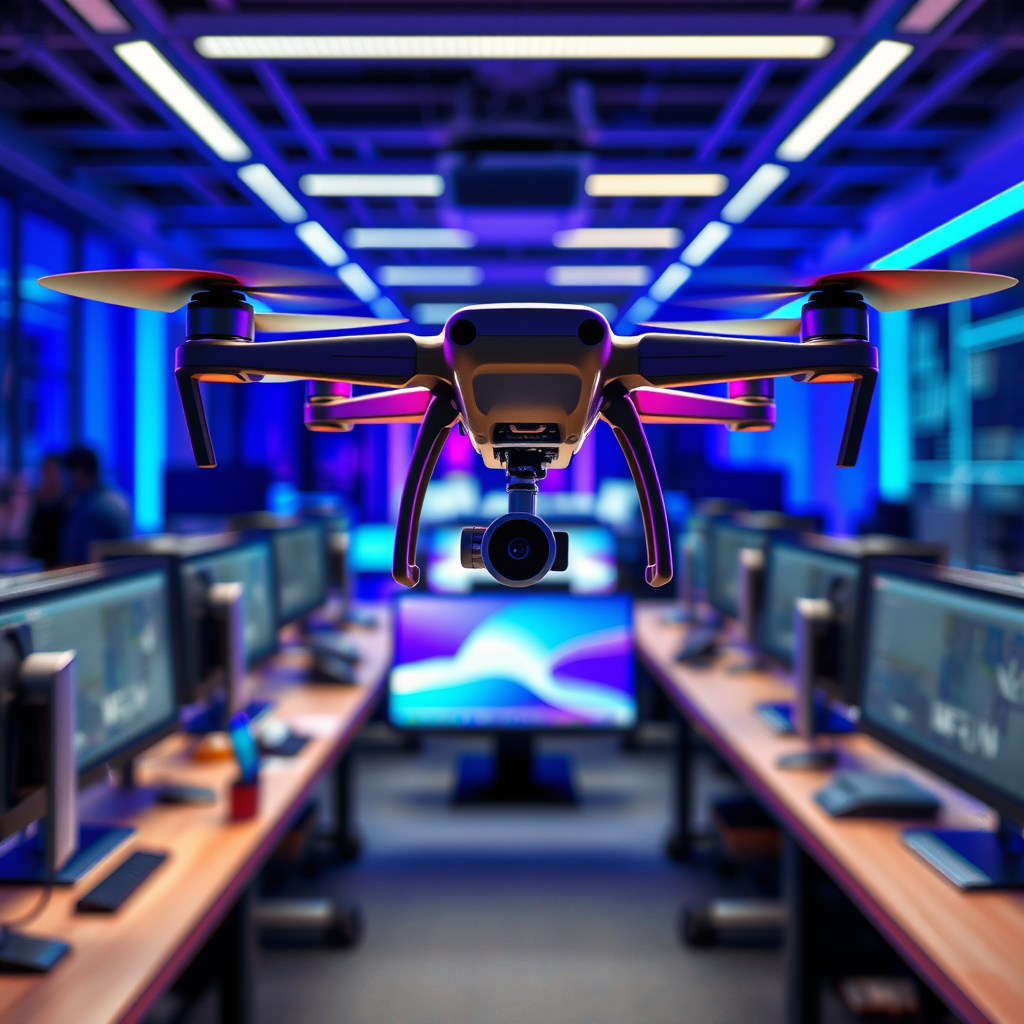
Yes, you can fly a drone without a smartphone; many drones come with dedicated remote controllers that allow for full functionality without the need for a smartphone. However, flying without one can limit certain features, such as live video feeds and advanced flight planning. This article will explore the possibilities and limitations of flying drones without a smartphone, providing insights into remote control options, benefits, limitations, types of drones available, tips for flying, and essential safety considerations.
Understanding Drone Control Options
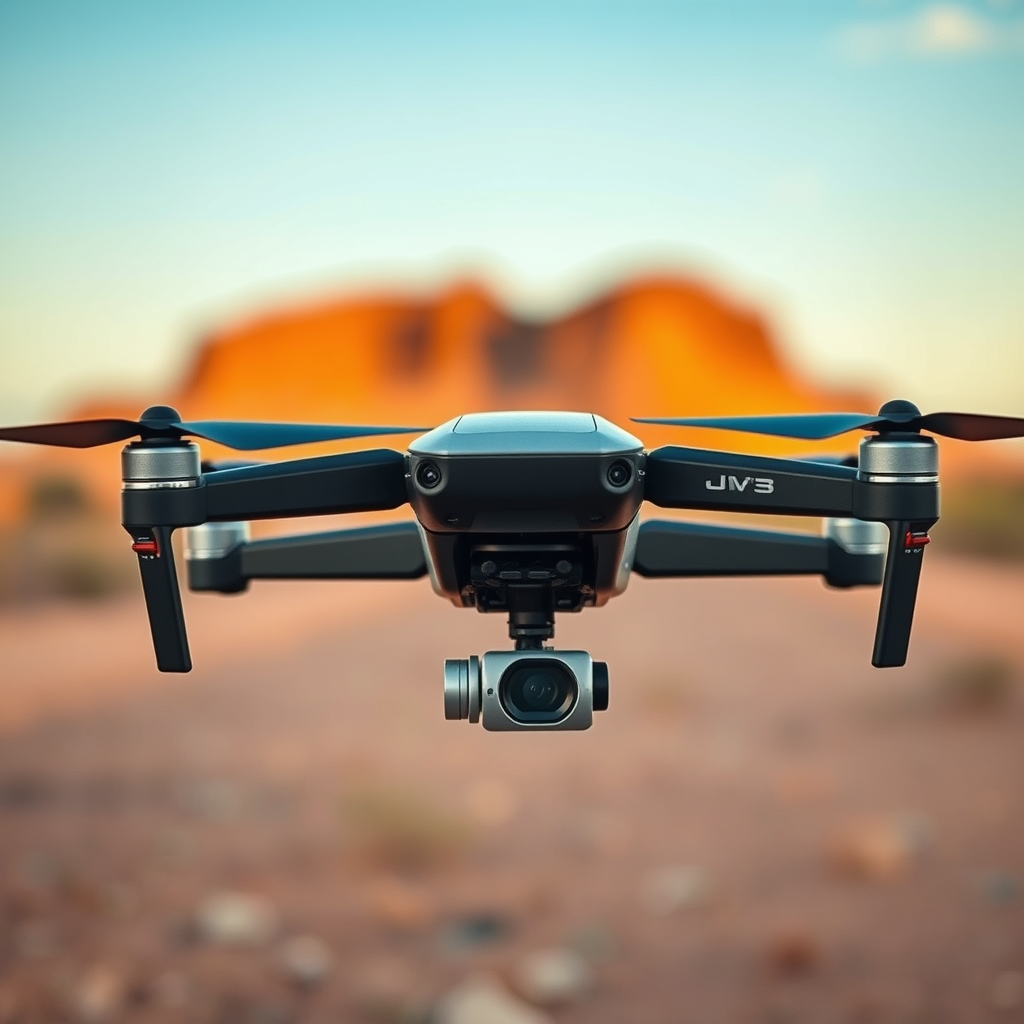
Most consumer drones can be operated using a remote controller, which typically features a variety of buttons, joysticks, and sometimes even programmable functions. These controllers allow for basic flight maneuvers such as takeoff, landing, and directional control. For example, models like the DJI Mini SE and the Holy Stone HS720 come equipped with comprehensive remote controls that enable effective navigation without needing a smartphone.
Moreover, some drones are equipped with built-in display screens for basic navigation and settings. This allows pilots to view critical flight data, such as battery life and altitude, directly on the controller. Drones like the Parrot Anafi and the Yuneec Breeze include these features, making it easier for users to operate them without additional devices. While advanced functionalities are often tied to smartphone applications, many users can still enjoy a satisfactory flying experience with a dedicated controller.
Benefits of Flying Without a Smartphone
Flying a drone without a smartphone can significantly simplify the flying experience. By relying solely on a remote controller, pilots can reduce their dependence on technology, leading to a more straightforward and focused flying session. This is particularly beneficial for beginners who may feel overwhelmed by the plethora of options available through mobile applications.
Additionally, flying without a smartphone helps avoid potential distractions from notifications and apps. Many drone pilots find that using a smartphone can lead to divided attention, which can compromise safety and flying performance. By eliminating this distraction, pilots can concentrate on the drone’s flight path and enjoy the experience without interruptions. This streamlined approach can enhance the enjoyment of flying and enable pilots to develop their skills more effectively.
Limitations of Not Using a Smartphone
While flying a drone without a smartphone offers distinct advantages, it also comes with notable limitations. One of the primary drawbacks is the lack of a live video feed. Many drones depend on smartphones to provide a real-time video stream from the drone’s camera, which is crucial for capturing high-quality aerial footage. For instance, drones like the DJI Mavic Air 2 leverage smartphone apps to allow users to view and control camera settings, which is essential for professional photography and videography.
Moreover, advanced features such as GPS tracking, automated flight planning, and geofencing are often only accessible through smartphone applications. These functionalities allow pilots to execute complex flight missions, follow specific paths, or even return to home automatically. Without these features, pilots may miss out on the full potential of their drones, limiting their ability to explore creative aerial photography or advanced drone maneuvers.
Types of Drones That Don’t Require Smartphones
Several types of drones are designed specifically for users who prefer not to rely on smartphones. Entry-level drones often come with basic remote controls that provide essential functionalities without the need for app integration. For instance, the Holy Stone HS210 is an excellent choice for beginners, offering straightforward controls and a user-friendly experience.
Additionally, specialized drones for specific tasks, such as agricultural drones or those designed for racing, may not require smartphone integration. They come equipped with dedicated controllers that can handle the unique demands of their intended applications. For example, the DJI Agras series is tailored for agricultural use and operates efficiently with its dedicated remote control, allowing farmers to manage crop spraying without smartphone dependency.
Tips for Flying a Drone Without a Smartphone
If you decide to fly a drone without a smartphone, there are several tips to enhance your experience. First, familiarize yourself with the remote control features before taking off. Understanding how to navigate the controls, including speed adjustments and camera angles, can significantly improve your flying capabilities. Many manufacturers provide detailed manuals and online tutorials that can aid in this learning process.
Additionally, consider practicing in open spaces to build confidence without the aid of a smartphone. Choose locations away from obstacles and people to minimize risks while you familiarize yourself with the drone’s responsiveness. Utilizing practice sessions can help you develop a feel for the drone’s handling and capabilities, making you a more competent pilot when it comes time for more advanced flights.
Safety Considerations When Flying Without a Smartphone
Safety should always be a top priority when flying drones, regardless of whether a smartphone is involved. Always adhere to local regulations regarding drone flights, which may include altitude limits, no-fly zones, and registration requirements. Many countries have specific laws governing drone usage, and being informed about these rules is essential for responsible flying.
Maintaining visual line of sight with the drone is crucial for ensuring safety and compliance. This means keeping the drone within your direct line of sight at all times, which can be more challenging when relying solely on a remote controller. Additionally, be aware of your surroundings, including other aircraft, people, and structures, to avoid potential accidents.
In conclusion, while you can successfully fly a drone without a smartphone, doing so may limit your experience and access to advanced features. The dedicated remote controllers available with many drones offer a viable solution for those looking to simplify their flying experience. However, it is essential to weigh the pros and cons of smartphone integration based on your specific needs. By understanding the options available, the benefits and limitations, and adhering to safety practices, you can enjoy a fulfilling and exciting journey into the world of drone flying.
Frequently Asked Questions
Can I fly a drone without using a smartphone?
Yes, you can fly a drone without a smartphone, depending on the model you own. Many drones come equipped with their own remote control systems that allow for operation without a mobile device. However, keep in mind that some advanced features, such as GPS tracking, real-time video streaming, or flight planning, may require a smartphone app for full functionality.
What are the limitations of flying a drone without a smartphone?
Flying a drone without a smartphone can limit your ability to access certain features, such as mapping, live video feed, or advanced camera controls that require an app. Additionally, you may miss out on firmware updates or maintenance alerts that are often managed through a mobile application. Consequently, your flying experience may be less interactive and you might not utilize the drone’s full potential.
How can I operate a drone without a smartphone?
To operate a drone without a smartphone, you’ll primarily rely on the remote controller that comes with the drone. Ensure that the controller is paired with the drone before takeoff. You can use basic flight controls for takeoff, landing, and navigation. Always refer to the user manual for specific instructions on operating your drone without mobile connectivity.
Why do some drones require a smartphone for operation?
Some drones require a smartphone for operation because they rely on mobile apps to unlock advanced functionalities like GPS waypoints, access to camera settings, and firmware updates. These features often enhance the flying experience, improve safety, and provide real-time data that is not available through the remote controller alone. Drones designed for photography or complex maneuvers particularly benefit from smartphone integration.
What are the best drones to fly without a smartphone?
The best drones to fly without a smartphone typically include entry-level models that prioritize user-friendly controls and basic flying capabilities. Examples include the Holy Stone HS720 and the Potensic D80, which come with dedicated remotes and offer solid performance without the need for a mobile device. When selecting a drone, consider your flying needs and whether you require advanced features that may necessitate a smartphone.
References
- https://en.wikipedia.org/wiki/Drone
- https://www.faa.gov/uas/getting_started/part_107/
- https://www.theguardian.com/technology/2021/mar/01/drones-flying-without-smartphone
- https://www.nytimes.com/2021/06/15/technology/drones-smartphones.html
- https://www.ncbi.nlm.nih.gov/pmc/articles/PMC7375076/
- https://www.wired.com/story/drones-without-phones/
- https://www.techrepublic.com/article/how-to-fly-a-drone-without-a-smartphone/
- https://www.dronepilotgroundschool.com/drone-flying-without-a-smartphone/
