
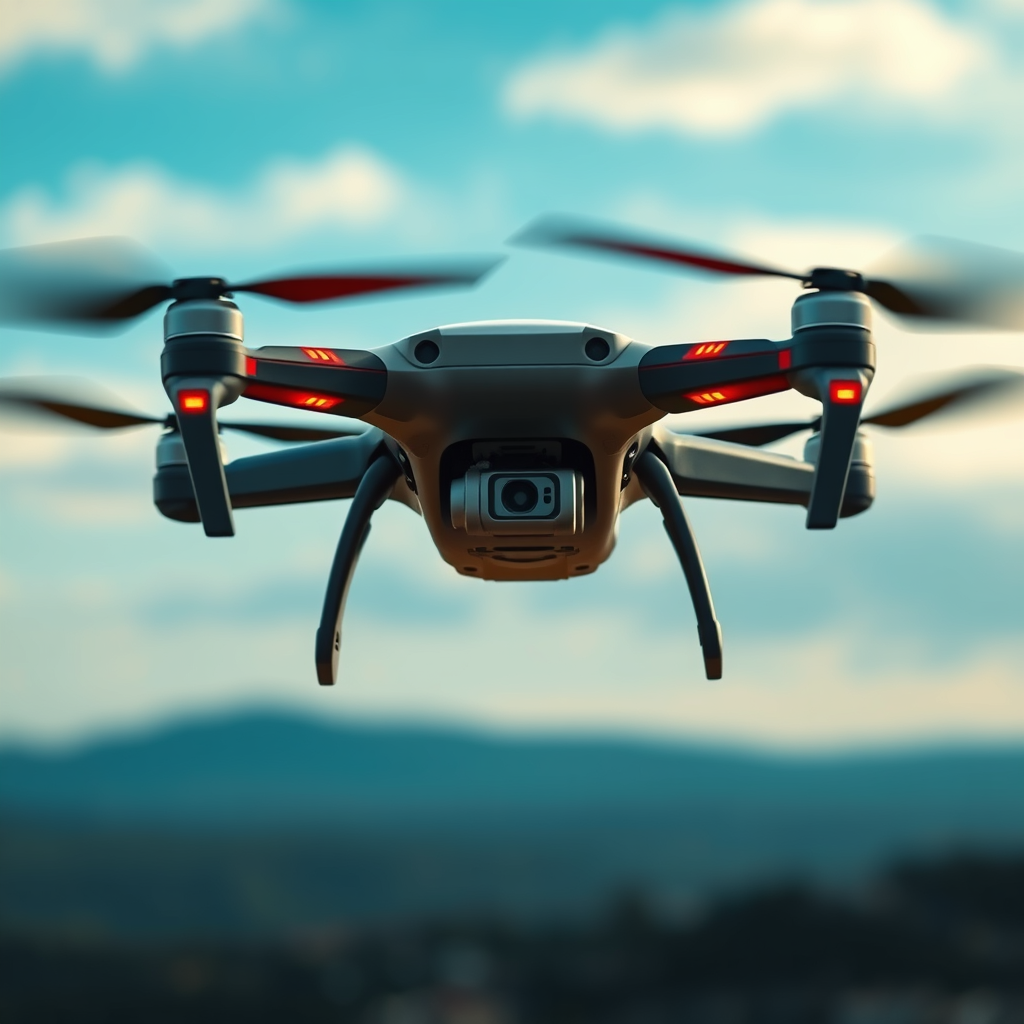
Yes, you can fly an FPV (First Person View) drone without goggles by using a compatible display screen or monitor. While goggles provide an immersive experience that enhances the pilot’s connection to the drone, flying without them is still a viable option. This article will explore the various alternatives available, weigh the pros and cons of flying without goggles, and provide essential tips for maintaining safety and enhancing your experience while piloting FPV drones.
Understanding FPV Drone Basics
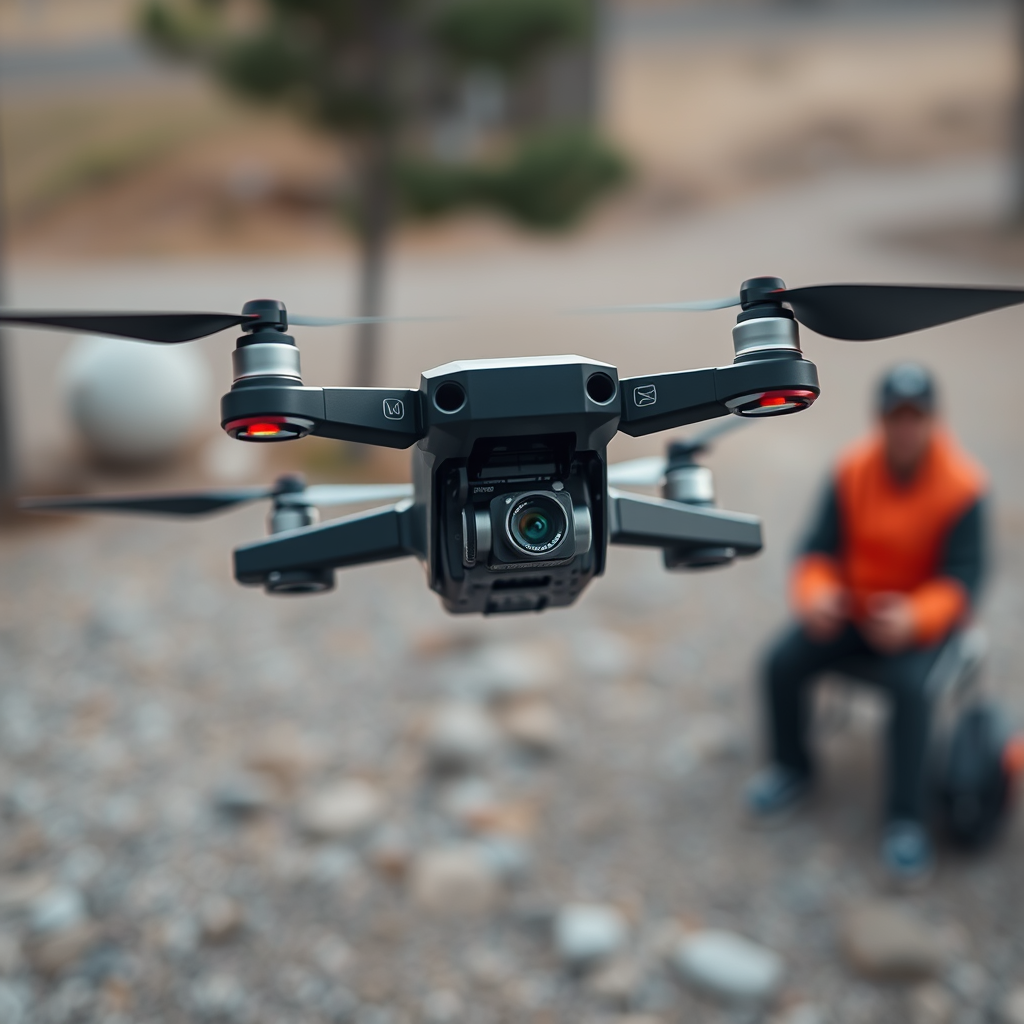
FPV drones have revolutionized the way enthusiasts and professionals experience flight. These drones are equipped with cameras that transmit real-time video feeds back to the pilot, allowing them to navigate as if they were onboard the aircraft. The primary advantage of FPV flying lies in the immersive experience goggles provide, making pilots feel as though they are in the cockpit, enjoying a first-person view of their surroundings. This technology has transformed the hobby into a thrilling activity, allowing for racing, aerial photography, and simply the joy of flight. However, the reliance on goggles can sometimes limit options, especially for those who may prefer alternative viewing methods.
Alternatives to Goggles
For those who wish to fly FPV drones without goggles, there are several alternatives that can still deliver a satisfactory experience. One popular option is to use a smartphone or tablet equipped with the appropriate app to connect to the drone’s camera. Many drones come with dedicated applications that allow pilots to see the live feed on a larger screen. This can be particularly useful for those who want to share the experience with friends or family, as multiple viewers can gather around a single device.
Another alternative is to invest in a portable monitor or screen specifically designed for FPV use. These monitors often have built-in receivers that can directly connect to the drone’s video feed, offering good resolution and low latency. Some models even come with features like adjustable brightness and contrast to ensure visibility in various lighting conditions. Using a larger screen can enhance the viewing experience and provide clearer visuals, making it easier to navigate your drone.
Pros and Cons of Flying Without Goggles
Flying an FPV drone without goggles presents both advantages and disadvantages that every pilot should consider.
Pros:
1. Ease of Sharing: One of the most significant benefits of using a screen rather than goggles is the ability to share the view with others. Friends and family can gather around to watch the flight, creating a more communal experience.
2. Less Bulky Equipment: Pilots who choose not to use goggles can enjoy a lighter, less cumbersome setup, which can be particularly beneficial for those who travel frequently or prefer minimalism in their equipment.
Cons:
1. Reduced Immersion: The most significant downside is the loss of the immersive experience that goggles provide. Without that feeling of being inside the drone, the pilot may find it harder to achieve the same level of control and engagement.
2. Increased Distance Limitations: Flying without goggles may also lead to challenges with maintaining control over the drone, particularly at greater distances. The video feed may lag or become less clear, impairing the pilot’s ability to navigate effectively.
Safety Considerations
Safety is paramount when flying FPV drones, regardless of the viewing method utilized. It is essential to maintain line-of-sight with the drone at all times, which can be more challenging when using a screen instead of goggles. Pilots should familiarize themselves with local regulations regarding drone flying, especially in public areas. Many jurisdictions have specific laws regarding where and how drones can be flown, and understanding these regulations can prevent legal issues and ensure a safe flying experience.
Additionally, it is advisable to choose open areas free from obstacles and people when flying FPV. This not only enhances safety but also minimizes the risk of damaging the drone. Lastly, always conduct a pre-flight check to ensure that the drone is in good working order, including battery levels, camera functionality, and connections to the viewing device.
Tips for Successful Non-Goggle FPV Flying
For those who choose to fly FPV drones without goggles, there are several tips that can help enhance the experience:
1. Start Small: If you are new to FPV flying, consider starting with a smaller, more manageable drone. These drones are typically easier to control and less intimidating for beginners, allowing you to build confidence before progressing to larger models.
2. Invest in Quality Equipment: A high-quality screen can dramatically improve video clarity and responsiveness. Look for monitors that have good resolution and low latency to minimize lag, which can be detrimental during flight.
3. Practice Regularly: Like any skill, flying FPV drones takes practice. Regularly flying will enhance your ability to control the drone effectively, even when using a screen.
4. Utilize Spotters: If flying in crowded areas, consider having a ‘spotter’ who can help keep an eye on the drone while you focus on the screen. This added layer of safety can help prevent accidents and improve overall situational awareness.
Enhancing Your Experience
To further enhance your FPV flying experience without goggles, consider incorporating additional accessories. A head tracker can provide a more dynamic control method, allowing you to move your head to change the camera angle, enhancing your ability to navigate.
Joining local FPV communities can also be beneficial. These groups often share tips, experiences, and best practices that can help you improve your flying skills and connect with like-minded enthusiasts. Additionally, attending meetups or events can provide opportunities to test different equipment and gain insights from experienced pilots.
While flying an FPV drone without goggles is feasible, it may not provide the same level of engagement and control as using goggles. However, with the right approach and tools, you can still enjoy the thrill of FPV flying. By considering your options, practicing diligently, and connecting with others in the community, you can find a method that works best for you and enhances your overall experience.
Frequently Asked Questions
Can you fly an FPV drone without goggles?
Yes, you can fly an FPV drone without goggles, but it typically involves using a screen like a smartphone or tablet instead. Many drones come with a built-in camera that transmits live video feed to a device, allowing you to see what the drone sees. However, flying this way may not provide the same immersive experience as using goggles, and it can be more challenging to maintain orientation, especially at greater distances.
What are the disadvantages of flying an FPV drone without goggles?
Flying an FPV drone without goggles can lead to several disadvantages, including reduced immersion and control. Without the first-person view that goggles provide, it can be harder to judge distances and navigate obstacles effectively. Additionally, relying on a screen may cause difficulties in maintaining a stable flight path, as it may be more challenging to react quickly to changes in the environment.
How do you fly an FPV drone using a smartphone?
To fly an FPV drone using a smartphone, you need to download the appropriate app provided by the drone manufacturer. Once the drone is powered on, connect your smartphone to the drone’s Wi-Fi network, and launch the app to view the live feed from the drone’s camera. From there, you can control the drone using the app’s interface, but keep in mind that the experience may not be as intuitive as using goggles.
Why do most FPV pilots prefer using goggles instead of screens?
Most FPV pilots prefer using goggles because they offer a more immersive flying experience, allowing pilots to feel as if they are inside the drone. Goggles provide a wider field of view and better depth perception, which is crucial when navigating complex environments at high speeds. Additionally, goggles minimize distractions from the surrounding environment, allowing pilots to focus solely on flying.
Which FPV drone models are best for flying without goggles?
Some of the best FPV drones for flying without goggles include models like the DJI Mini 2 and DJI Air 2S, which offer excellent camera quality and user-friendly apps for smartphone control. These drones typically feature robust video transmission systems that deliver a clear live feed to your device, making it easier to pilot without the use of goggles. Consider drones with obstacle avoidance technology for added safety when flying without goggles.
References
- https://en.wikipedia.org/wiki/First-person_view
- https://www.faa.gov/uas/
- https://www.nytimes.com/2021/06/18/technology/drones-fpv.html
- https://www.dronepilotgroundschool.com/fpv-drone-flying-without-goggles/
- https://www.researchgate.net/publication/339200123_FPV_Drones_and_The_Quest_for_Freedom
- https://www.wired.com/story/fpv-drone-flying/
