
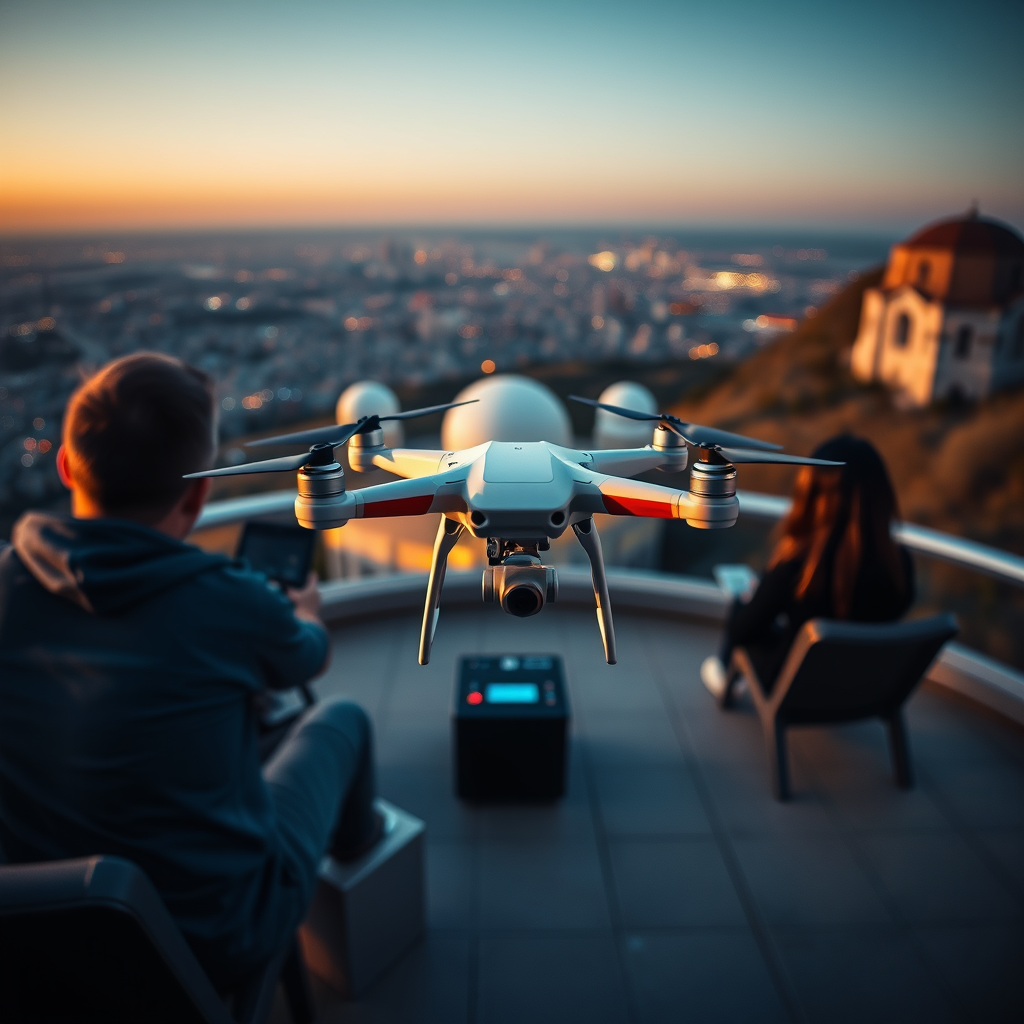
Yes, you can fly drones at Griffith Observatory, but there are specific regulations and guidelines you must follow to ensure safety and compliance. Located in Los Angeles, California, Griffith Observatory is not only a prominent astronomical observatory but also a popular tourist destination offering stunning views of the city and the iconic Hollywood Sign. However, flying drones in this area comes with a responsibility to adhere to both federal and local regulations, as well as the observatory’s specific policies. This article will explore the rules and considerations for flying drones in this iconic location.
Understanding Drone Regulations
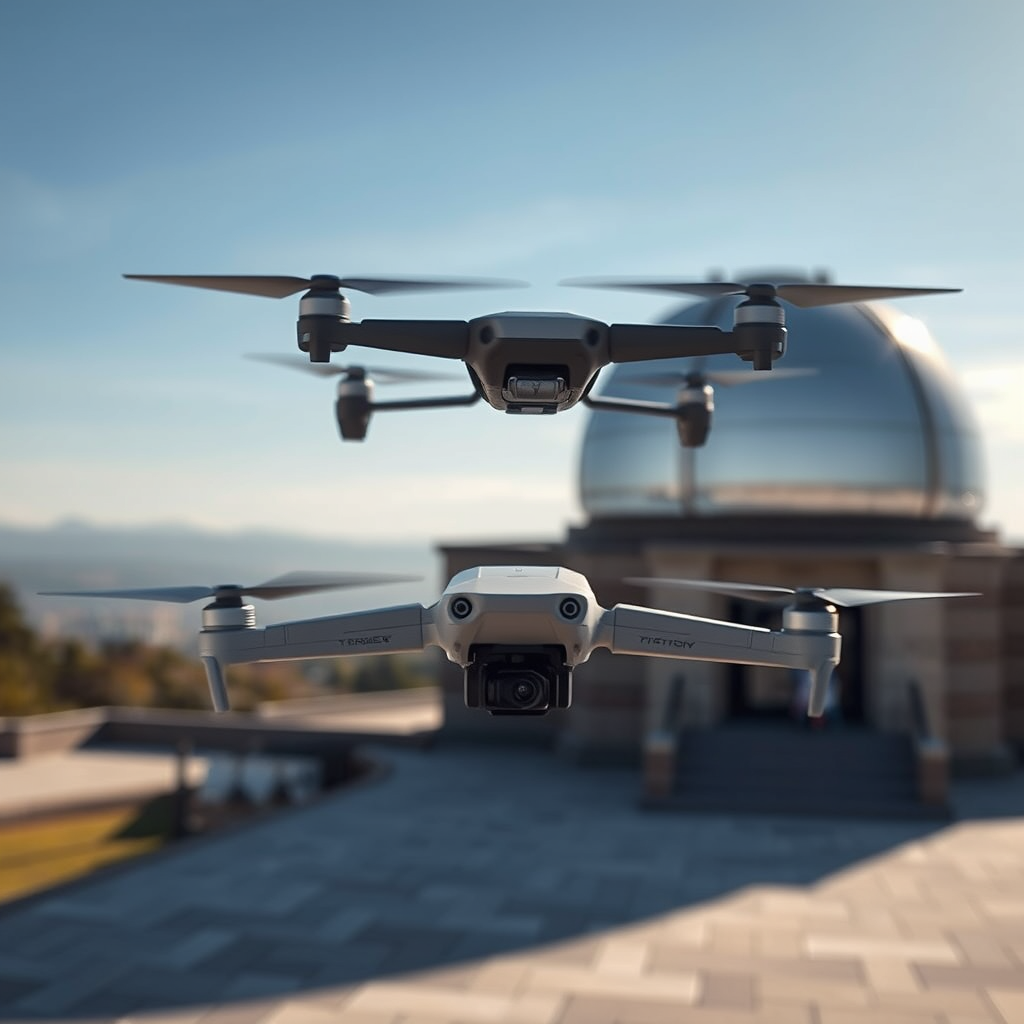
Drones are subject to Federal Aviation Administration (FAA) regulations, which are designed to promote safety in the airspace. One of the fundamental rules is that drone operators must fly their aircraft below 400 feet and maintain a visual line of sight with the drone at all times. This ensures that the pilot is aware of their surroundings and can respond to any hazards or emergencies that may arise.
In addition to FAA regulations, local laws and ordinances may impose further restrictions on drone flights. Many urban areas, including Los Angeles, have designated no-fly zones, particularly around crowded places, schools, and government buildings. It is crucial for drone operators to familiarize themselves with these local regulations, as violations can result in fines and the confiscation of equipment. Resources such as the FAA’s B4UFLY app can provide real-time information on airspace restrictions and help ensure compliance.
Griffith Observatory Policies
Griffith Observatory has its own set of rules regarding drone usage that align with broader safety and community considerations. These policies are designed to protect visitors and preserve the observatory’s serene environment. Before flying a drone at Griffith Observatory, it is essential to check for any required permits or permissions. The observatory’s management may have specific guidelines that dictate when and where drones can be flown, as well as the need to apply for a special use permit.
Moreover, it is advisable to contact the Griffith Observatory directly to inquire about any recent changes to their policy or to obtain guidance on the proper channels for securing permission. This proactive approach not only ensures compliance but also demonstrates respect for the site and its visitors.
Safety Considerations
When flying drones, safety should always be the top priority. Griffith Observatory is a popular destination with large crowds, particularly on weekends and during special events. Operators must be vigilant and considerate of the safety of other visitors and local wildlife. Collisions with people or animals can lead to serious injuries and have legal repercussions.
Additionally, drone operators should be aware of potential hazards such as high winds, sudden weather changes, and obstacles like trees and buildings. It’s vital to conduct a thorough pre-flight check and assess environmental conditions before launching the drone. This includes reviewing the weather forecast, ensuring that the drone’s battery is sufficiently charged, and checking that all equipment is functioning correctly. Following these safety protocols can help prevent accidents and ensure a smooth flying experience.
Best Practices for Flying Drones
To minimize disruptions and ensure a positive experience for everyone at Griffith Observatory, drone operators should consider flying during less busy hours. Early mornings or weekdays may provide a quieter environment, allowing for more freedom to capture stunning aerial footage without interfering with the observatory’s visitors.
Additionally, ensuring that your drone is in good working condition is essential for avoiding accidents. Regular maintenance checks can help identify potential issues before they become problematic. Operators should also familiarize themselves with the drone’s controls and features, including emergency landings, to handle unexpected situations effectively. By preparing thoroughly and flying responsibly, operators can contribute to a safer and more enjoyable experience at Griffith Observatory.
Photography and Filming Regulations
For those interested in capturing breathtaking visuals, it’s important to be aware of specific regulations surrounding photography and filming. Commercial drone operators intending to use their drones for filming or photography may need to obtain special permits from local authorities or Griffith Observatory’s management. This requirement is in place to manage the increased foot traffic and maintain the integrity of the site.
Moreover, operators must respect privacy laws and avoid capturing images of individuals without their consent. This is particularly pertinent in crowded areas where people expect a certain level of privacy. Being mindful of these considerations not only fosters goodwill among the community but also protects operators from potential legal challenges.
Alternative Locations for Drone Flying
If the Griffith Observatory is not suitable for your drone flying needs, there are several nearby parks and open spaces that may have fewer restrictions and offer beautiful scenery. Locations like Griffith Park itself, which encompasses the observatory, provide ample space for drone enthusiasts to enjoy the outdoors while adhering to regulations.
Additionally, consider researching local drone-friendly venues that boast scenic views. Areas such as Elysian Park or the Los Angeles State Historic Park can provide an excellent backdrop for aerial photography without the same level of restrictions as more crowded sites. Always verify local regulations for these alternative locations to ensure compliance.
In conclusion, while flying drones at Griffith Observatory is possible, it is essential to be aware of and follow the relevant regulations and safety guidelines. Understanding FAA regulations, Griffith Observatory’s policies, and best practices for safe drone operation will ensure a positive experience for both operators and visitors alike. Always check for updates on policies and consider alternative locations if necessary to enhance your drone flying experience.
Frequently Asked Questions
Can you fly drones at Griffith Observatory?
No, flying drones at Griffith Observatory is prohibited. The observatory is located within Griffith Park, which has specific regulations against drone usage to ensure the safety of visitors and protect wildlife. Additionally, the observatory is situated near the Los Angeles International Airport (LAX), further complicating the legality of drone operations in the area.
What are the rules for flying drones in Griffith Park?
While Griffith Park allows drone flying in certain areas, the Griffith Observatory and its surrounding vicinity are off-limits. Drones can typically be flown in designated open spaces within the park, as long as operators comply with the Federal Aviation Administration (FAA) regulations, including maintaining a visual line of sight and avoiding crowds and emergency response areas. Always check for any park-specific regulations before launching your drone.
Why is drone flying restricted at Griffith Observatory?
Drone flying is restricted at Griffith Observatory primarily due to safety concerns and the preservation of the environment. The high volume of visitors, particularly families and children, creates a potential hazard for drone operators. Additionally, the observatory’s mission focuses on education and research, where maintaining a serene atmosphere is essential, and drone noise can disrupt this experience.
What are the best places to fly drones near Griffith Observatory?
If you’re looking to fly your drone near Griffith Observatory, consider places like the large open fields of Griffith Park, such as the East Observatory Road area or the picnic areas further away from the observatory itself. These locations provide ample space for drone flying while still offering scenic views of the Los Angeles skyline and surrounding nature, ensuring both an enjoyable flight experience and compliance with local regulations.
How can I find out more about drone regulations in Los Angeles?
To find out more about drone regulations in Los Angeles, you can visit the City of Los Angeles Department of Transportation website, which provides comprehensive guidelines on drone usage. Additionally, the FAA website offers valuable resources regarding national airspace rules and restrictions. Local drone clubs and forums can also be great sources of information and advice on safe flying practices and legal considerations in the area.
References
- https://www.nps.gov/chis/planyourvisit/drone-policy.htm
- https://www.laparks.org/parks/griffith/
- https://www.faa.gov/uas/getting_started/
- https://www.lacity.gov/your-government/office-mayor/mayor-eric-garcetti/drones
- https://www.griffithobservatory.org/
