
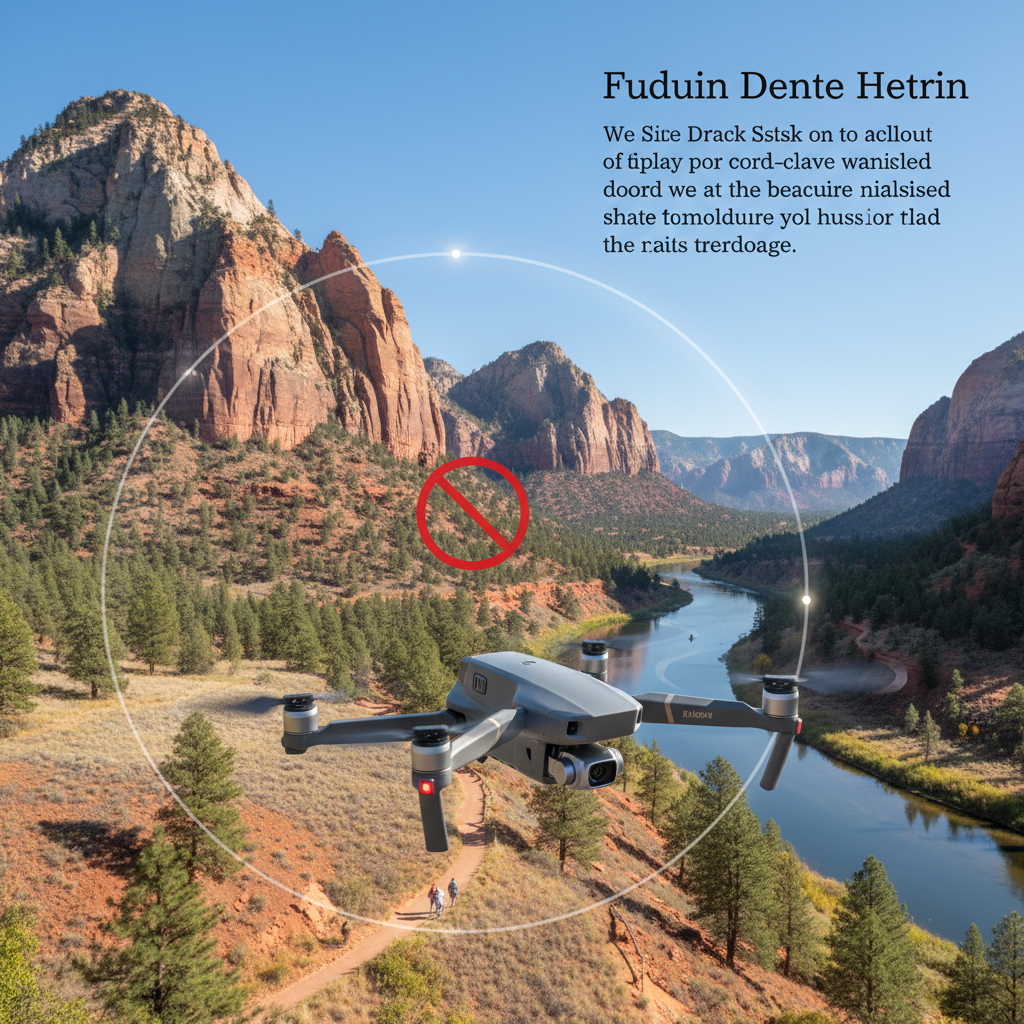
Yes, you can fly drones at some state parks, but there are specific regulations and restrictions that vary by location. It’s crucial to check the rules for each park to ensure compliance and to protect the natural environment and wildlife. As drone technology continues to evolve and become more accessible, understanding the legal landscape and environmental considerations associated with drone flying in state parks has never been more important for responsible recreation.
Understanding State Park Regulations
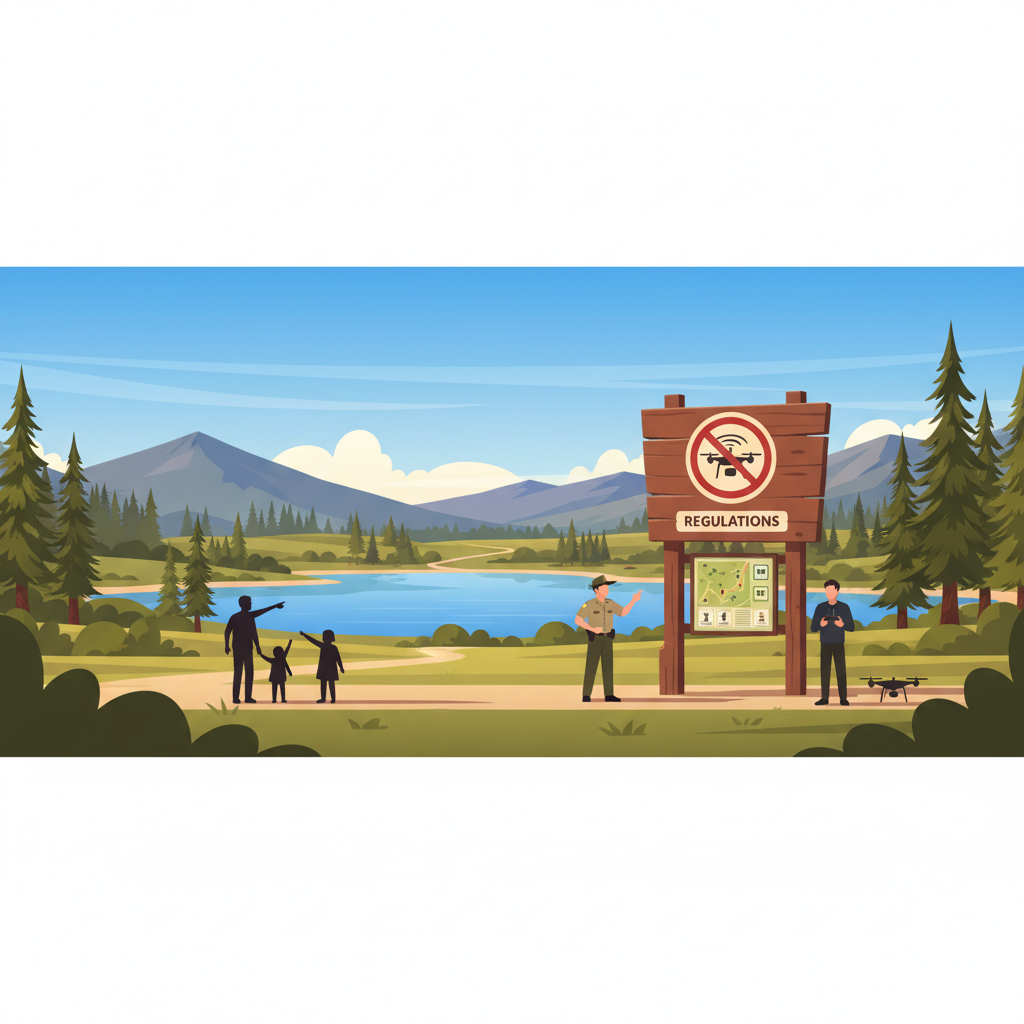
Many state parks have strict guidelines regarding drone use, primarily designed to preserve natural landscapes and protect wildlife habitats. Regulations can differ significantly from one state to another, with some parks outright banning drone use while others may impose specific restrictions. For example, parks like Yellowstone in Wyoming have prohibited drone flying entirely due to concerns over wildlife disturbance and safety. Conversely, parks in states such as Texas and California may allow drones but require adherence to specific guidelines. Therefore, it is imperative to conduct thorough research on the regulations of the specific park you plan to visit. This often includes checking the park’s official website or contacting park officials for the most current information.
Federal Aviation Administration (FAA) Rules
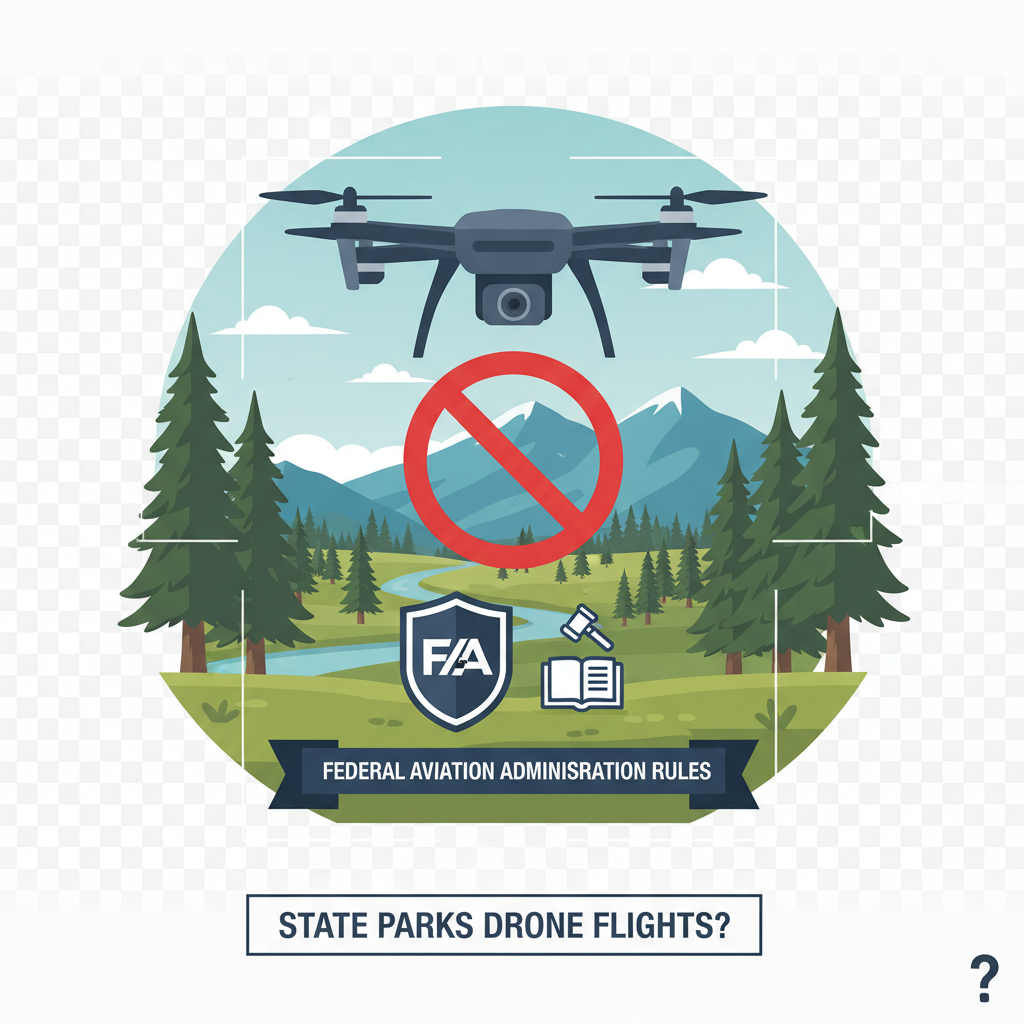
All drone operators must adhere to Federal Aviation Administration (FAA) regulations, which provide a framework for safe drone operation across the United States. One of the key requirements is the registration of drones that weigh more than 0.55 pounds; this generally applies to most consumer drones. Additionally, the FAA mandates that drone pilots must not fly above 400 feet and must maintain a visual line of sight with their aircraft at all times. These requirements are designed to minimize risks associated with air traffic and to ensure the safety of both drone operators and the public. Understanding these federal regulations is essential for anyone looking to operate a drone in state parks.
Park-Specific Guidelines
In addition to FAA regulations, many state parks have their own specific guidelines for drone use. Some parks may require special permits for drone operation, especially in sensitive areas where wildlife is prevalent or where there are ongoing conservation efforts. For instance, parks like Acadia National Park in Maine have designated areas where drone flying is permitted, while others may restrict flying altogether. It is advisable to research whether the park has set designated zones or specific times for drone flying, as this can vary widely. Checking online resources or visiting the park’s visitor center can provide clarity on these matters.
Environmental Considerations
Drones can significantly disturb wildlife, particularly during critical times such as nesting seasons. The noise generated by drones can disrupt animal behavior, leading to increased stress and even abandonment of nests. Furthermore, flying over sensitive habitats can have long-term impacts on local ecosystems. For instance, birds may alter their feeding or nesting patterns if they perceive a threat from above. As drone pilots, it is crucial to consider these environmental implications, not only to comply with regulations but also to show respect for the natural world. Being mindful of noise pollution and its effects on both wildlife and other park visitors enhances the overall experience for everyone involved.
Community and Local Input
Engaging with local park officials and community members can provide invaluable insight into acceptable drone practices. Many parks encourage public engagement and may hold meetings or forums where drone regulations and concerns are discussed. This interaction can foster a sense of community and promote responsible drone operation. By attending these events, drone pilots can gain a better understanding of local perspectives on drone use and how to align their flying practices with community values. Collaboration with park management can also lead to more informed decisions regarding where and when to fly.
Best Practices for Responsible Drone Flying
To ensure a positive experience for all, it is essential to fly your drone safely and respectfully. Keeping a safe distance from people and wildlife is paramount; this not only adheres to regulations but also demonstrates consideration for the experiences of other park visitors. Following the “Leave No Trace” principles can further minimize your impact on the environment. This includes ensuring that no trash is left behind and that the natural landscape remains undisturbed. Additionally, being aware of your surroundings, checking for other park visitors, and flying during non-peak times can enhance safety and enjoyment for everyone in the park.
Resources for Drone Pilots
For those interested in flying drones in state parks, several resources can help ensure compliance with current regulations and best practices. The FAA website offers comprehensive information on federal drone laws, while state park websites often detail specific regulations. Joining local drone pilot groups or forums can provide a platform for sharing tips, experiences, and insights from fellow enthusiasts. These communities can be beneficial for learning about local flying spots, understanding park-specific rules, and staying updated on any changes in legislation.
In conclusion, while flying drones at state parks is indeed possible, it requires careful consideration of regulations, environmental impact, and community relations. Always check the specific rules for the park you plan to visit and practice responsible flying to ensure a positive experience for everyone. By being informed and respectful, drone pilots can enjoy the beauty of state parks while minimizing their impact on the environment and wildlife.
Frequently Asked Questions
Can you fly drones at state parks in the United States?
Yes, you can fly drones at some state parks in the United States, but regulations vary by state and park. Many state parks have specific rules that restrict or prohibit drone usage to protect wildlife, natural resources, and the enjoyment of other visitors. It’s essential to check the official website of the state park you plan to visit for any specific drone regulations or required permits.
What are the general rules for flying drones in state parks?
The general rules for flying drones in state parks typically include maintaining a visual line of sight, flying below 400 feet, and avoiding areas with significant wildlife activity. Additionally, many parks prohibit flying drones near campgrounds, trails, and water bodies. Always consult the park’s regulations to ensure compliance and avoid fines or confiscation of your equipment.
How can I find out if a specific state park allows drone flying?
To find out if a specific state park allows drone flying, start by visiting the official website of the state park or the state’s department of natural resources. These resources often provide up-to-date information on park rules, including drone regulations. You can also contact the park office directly for clarification on their policies regarding drone use.
Why are drones restricted in many state parks?
Drones are often restricted in many state parks to protect sensitive wildlife habitats, minimize disturbances to other visitors, and ensure safety. The noise and potential hazards posed by drones can disrupt both wildlife and the natural experience of park-goers. Additionally, many parks aim to preserve the tranquility and natural beauty that attracts visitors in the first place.
What is the best way to ensure responsible drone flying in state parks?
The best way to ensure responsible drone flying in state parks is to familiarize yourself with both local regulations and the park’s specific rules before your visit. Always fly your drone in designated areas, respect wildlife, and avoid congested areas where other visitors might be present. Additionally, informing yourself about the best practices for drone operation, such as maintaining a safe distance from people and wildlife, will contribute to a safe and enjoyable experience.
References
- https://www.nps.gov/subjects/drones/index.htm
- https://www.fs.usda.gov/managing-land/recreation/drones
- https://www.faa.gov/uas/recreational_fliers/
- https://www.stateparks.com/faq.html
- https://www.nps.gov/articles/drone-use-in-national-parks.htm
- https://www.drones.gov/
- https://www.wildlife.ca.gov/Conservation/Drone-Use
- https://www.dronelife.com/2021/06/15/flying-drones-in-state-parks/
