

Yes, you can fly drones at some state parks, but there are specific regulations and restrictions that vary by location. It’s crucial to check the rules of the particular state park you plan to visit to ensure compliance and safety. As drone technology becomes increasingly popular among outdoor enthusiasts, understanding the legal landscape surrounding drone usage in state parks is essential. Different states have different laws, and many parks implement unique guidelines that reflect local ecological concerns and visitor safety.
Understanding State Park Regulations
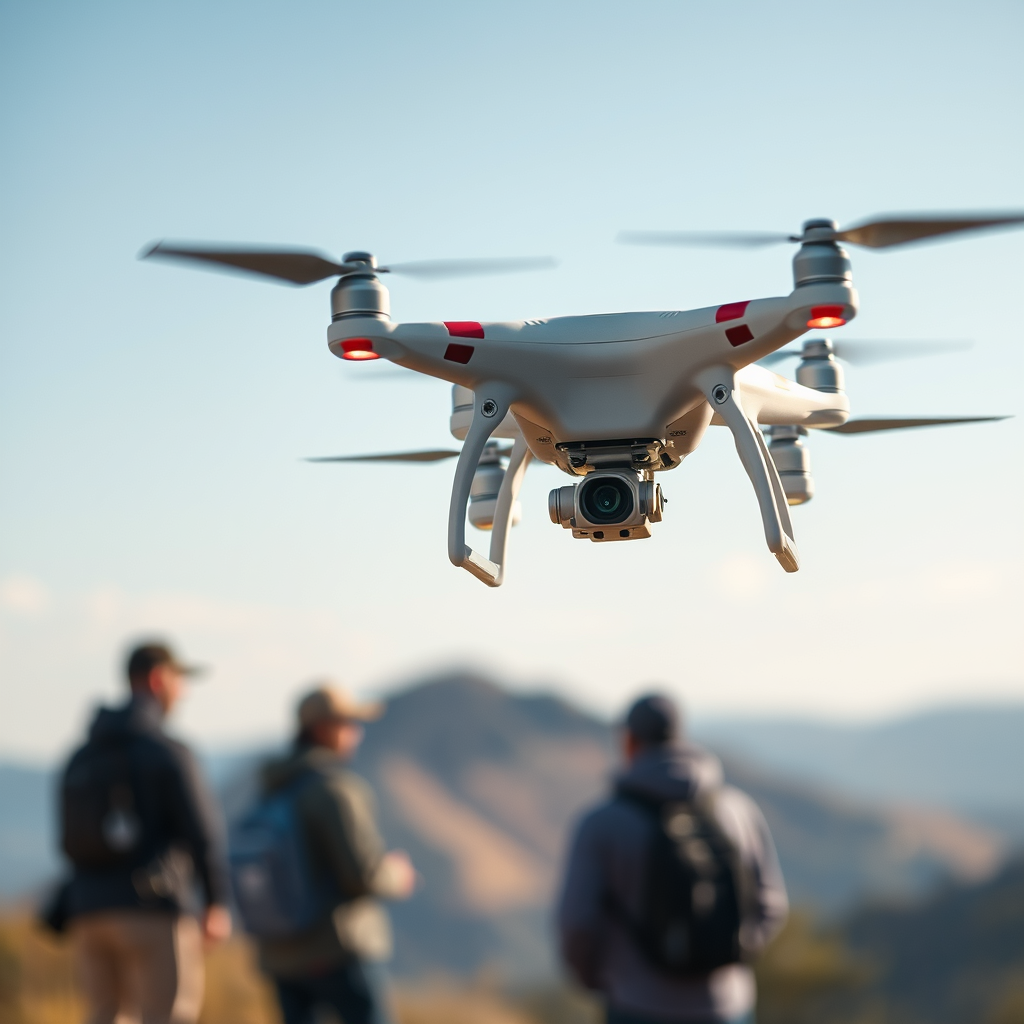
Each state park may have its own set of drone regulations, which can significantly affect your plans for flying. For example, national parks, which are often administered by the National Park Service, generally prohibit drone usage entirely, while some state parks may allow it under certain conditions. In California, for instance, state parks such as the Riverside County’s Lake Skinner Recreation Area permit drone flying in designated areas, whereas others like the state parks in New York may have stricter regulations.
It’s important to research the specific state park you wish to visit and understand their unique guidelines. Many state parks provide this information on their official websites, making it easier for drone pilots to stay informed. Additionally, local visitor centers often have staff who can answer questions about drone regulations and provide additional resources.
Federal Aviation Administration (FAA) Rules
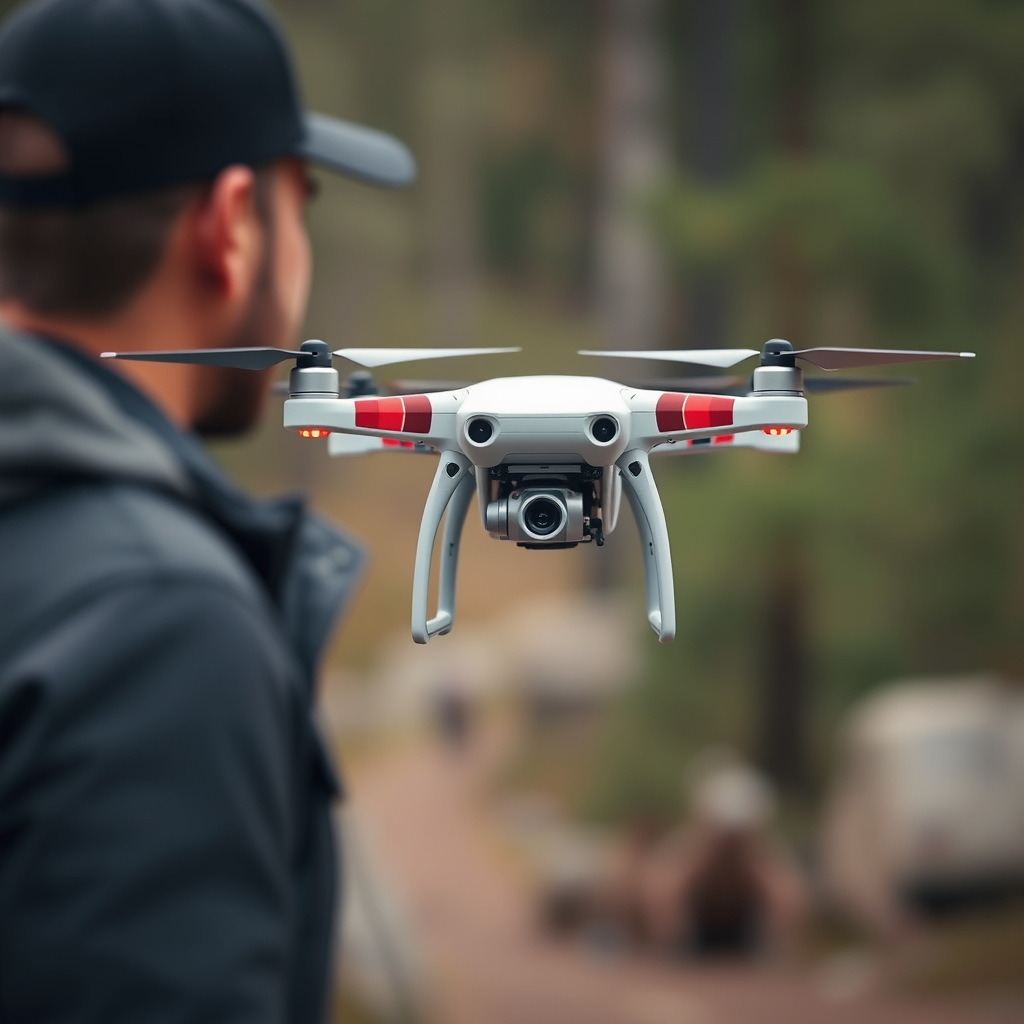
In addition to state park regulations, drone pilots must adhere to Federal Aviation Administration (FAA) rules. The FAA mandates that drones weighing over 0.55 pounds must be registered before takeoff, ensuring that operators are compliant with national standards. Registration is a straightforward process that can be completed online, and it provides a unique identification number that must be displayed on the drone.
Moreover, pilots must follow FAA guidelines that govern recreational flying. This includes maintaining visual line of sight with the drone at all times, flying below 400 feet, and avoiding restricted airspace, which can include areas near airports or military installations. Familiarizing yourself with these regulations not only ensures your compliance but also enhances the safety of your flying experience.
Permits and Permissions
Some state parks require special permits for drone use, and it is essential to secure these permissions before flying. The need for a permit often depends on the size of the drone, the purpose of the flight (recreational vs. commercial), and the specific park’s policies. For example, certain parks in Colorado require an application process to be completed prior to drone use, which may include outlining your intended flight path and the purpose of your aerial photography.
Always seek permission before flying, especially in sensitive ecological areas or during specific seasons when wildlife is particularly vulnerable. Engaging with park officials not only ensures compliance but also demonstrates respect for the natural environment and its preservation. In many cases, park officials can provide invaluable insights on the best practices for flying in their areas.
Safety Considerations
When flying drones in state parks, safety should be a top priority. Maintaining a safe distance from wildlife and other park visitors is crucial to avoid disturbances. For instance, flying too close to nesting birds can lead to increased stress for the animals and may even jeopardize their breeding success. Additionally, it is essential to be aware of no-fly zones within and surrounding the park, which may include areas near airports or military installations where drone activity is strictly prohibited.
Moreover, drones can pose potential hazards to other visitors, especially in crowded areas. Ensuring that you maintain a safe altitude, avoid flying over groups of people, and stay clear of trails and picnic areas can prevent accidents and enhance the overall park experience for everyone. Always be vigilant and prepared to land your drone immediately if a situation arises that could cause harm.
Responsible Drone Use
Responsible drone use is not just about following regulations; it also involves respecting the privacy of others while flying. Many park visitors seek solitude and a connection with nature, and the presence of drones can disrupt this experience. Therefore, it is advisable to avoid flying in areas where people are gathered or during peak visitation times.
Additionally, following “Leave No Trace” principles is fundamental to minimizing your impact on the environment. This includes not only respecting wildlife and their habitats but also ensuring that your drone does not disturb the landscape. Always clean up after yourself and avoid flying in areas where you could inadvertently damage vegetation or disturb soil.
Consequences of Non-Compliance
Violating park regulations can result in significant consequences. Fines for improper drone use can vary widely, depending on the severity of the infraction and the park’s policies. In some cases, park rangers may confiscate your drone, leading to not only the loss of equipment but also the potential for longer-term bans from the park or other legal repercussions.
It is imperative to recognize that these measures are in place to protect both the natural environment and the safety of park visitors. Understanding and respecting these regulations ensures a more enjoyable experience for everyone involved and fosters a culture of responsibility among drone users.
In conclusion, while flying drones at state parks can be an enjoyable experience, it is essential to familiarize yourself with the specific regulations and safety guidelines. Each state park has its own rules regarding drone use, and compliance with FAA regulations is mandatory. Securing necessary permits, prioritizing safety, practicing responsible flying habits, and understanding the consequences of non-compliance are all critical components of ensuring a positive experience. Always check with park officials before your visit to ensure a safe and compliant flying experience, allowing you to capture the beauty of nature from above while protecting the environment and fellow visitors.
Frequently Asked Questions
Can you fly drones at state parks in the United States?
Yes, you can fly drones at some state parks in the United States, but it largely depends on the specific park and its regulations. Many state parks have designated areas where drone flying is permitted, while others may restrict or prohibit the use of drones altogether to protect wildlife and maintain the natural environment. It’s essential to check the official website or contact the park’s administration for the most accurate and up-to-date information regarding drone use.
What are the regulations for flying drones in state parks?
Regulations for flying drones in state parks can vary significantly from one park to another. Common regulations include flying at a maximum altitude of 400 feet, keeping the drone within your line of sight, and avoiding flying over people or wildlife. Some parks require a special permit, while others may have complete bans on drone activities. Always review the specific park’s rules and regulations before planning your flight.
How do I find out if a state park allows drone flying?
To determine if a state park allows drone flying, you can start by visiting the official website of the park in question. Most park websites provide detailed information about their drone policy under the “Visitor Information” or “Regulations” sections. You can also contact the park’s visitor center directly via phone or email to clarify any specific questions you might have about drone usage.
Why are there restrictions on flying drones in state parks?
Restrictions on flying drones in state parks are primarily in place to protect the natural environment, wildlife habitats, and the experience of other visitors. Drones can disturb wildlife, especially during breeding seasons, and may also pose safety risks if flown near crowds. Additionally, preserving the tranquility and natural beauty of state parks is a priority, and drone noise can detract from that experience for other park-goers.
What is the best drone for flying in state parks?
The best drone for flying in state parks depends on your specific needs, but some popular choices include the DJI Mini 2 for its lightweight design, excellent camera quality, and ease of use. The DJI Mavic Air 2 is another great option, providing advanced features and longer battery life. When choosing a drone, consider its portability, flight time, and camera capabilities, as well as ensuring it complies with local regulations to avoid any issues while flying in state parks.
References
- https://www.nps.gov/subjects/drones/index.htm
- https://www.fs.usda.gov/managing-land/recreation/drones
- https://www.nytimes.com/2021/05/06/us/drone-state-parks.html
- https://www.parks.ca.gov/?page_id=30129
- https://www.wildlife.ca.gov/Conservation/Drone-Use
- https://www.sciencedirect.com/science/article/pii/S221067071830021X
- https://www.wisconsin.gov/Pages/DoingBusiness/DroneRegulations.aspx
- https://www.stateparks.com/drones.html
