
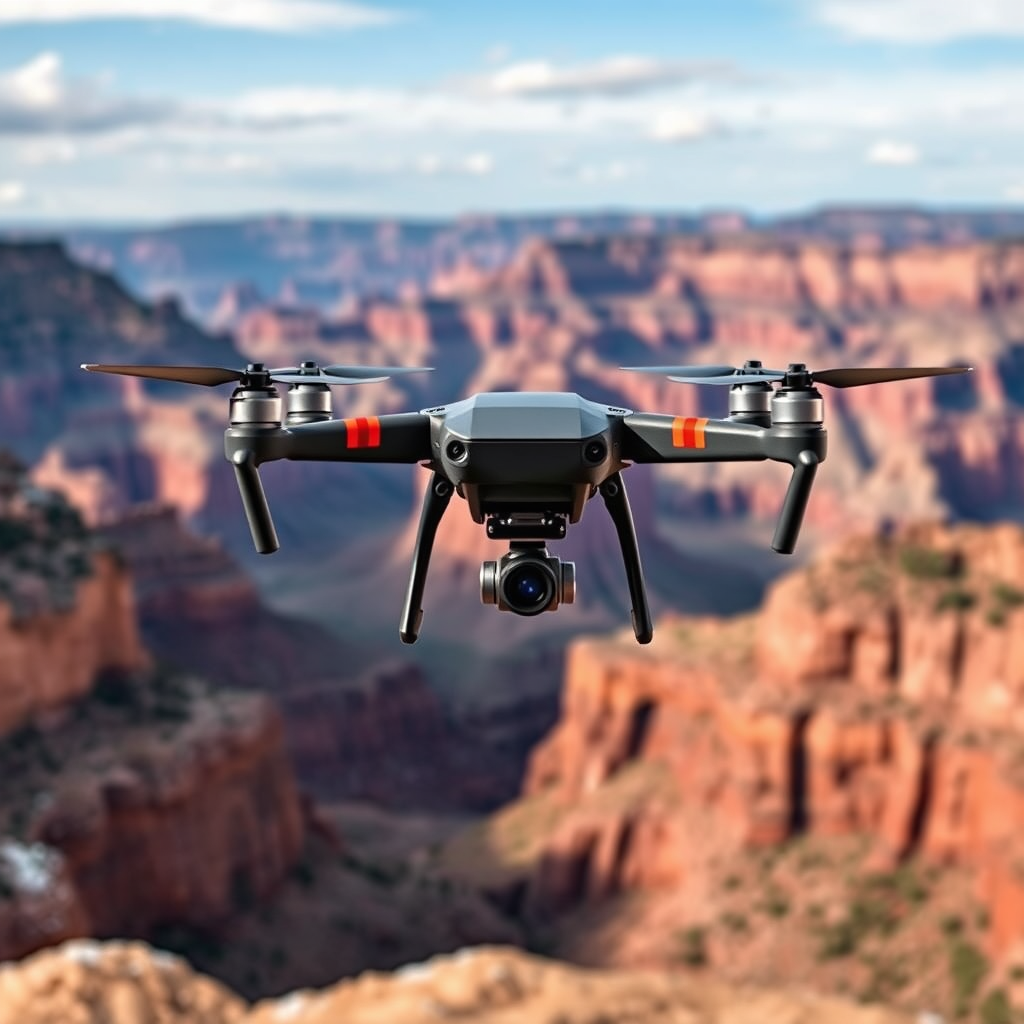
You cannot fly drones at the Grand Canyon due to strict regulations imposed by the National Park Service. These rules are designed to protect the park’s wildlife and preserve its extraordinary natural beauty. The Grand Canyon, recognized as one of the most stunning landscapes in the United States, is a sensitive ecosystem where the introduction of drones could disturb both flora and fauna as well as the experience of visitors. Below, we explore the specifics of drone usage in the area, important regulations, and the impact of these restrictions.
Overview of Drone Regulations in National Parks
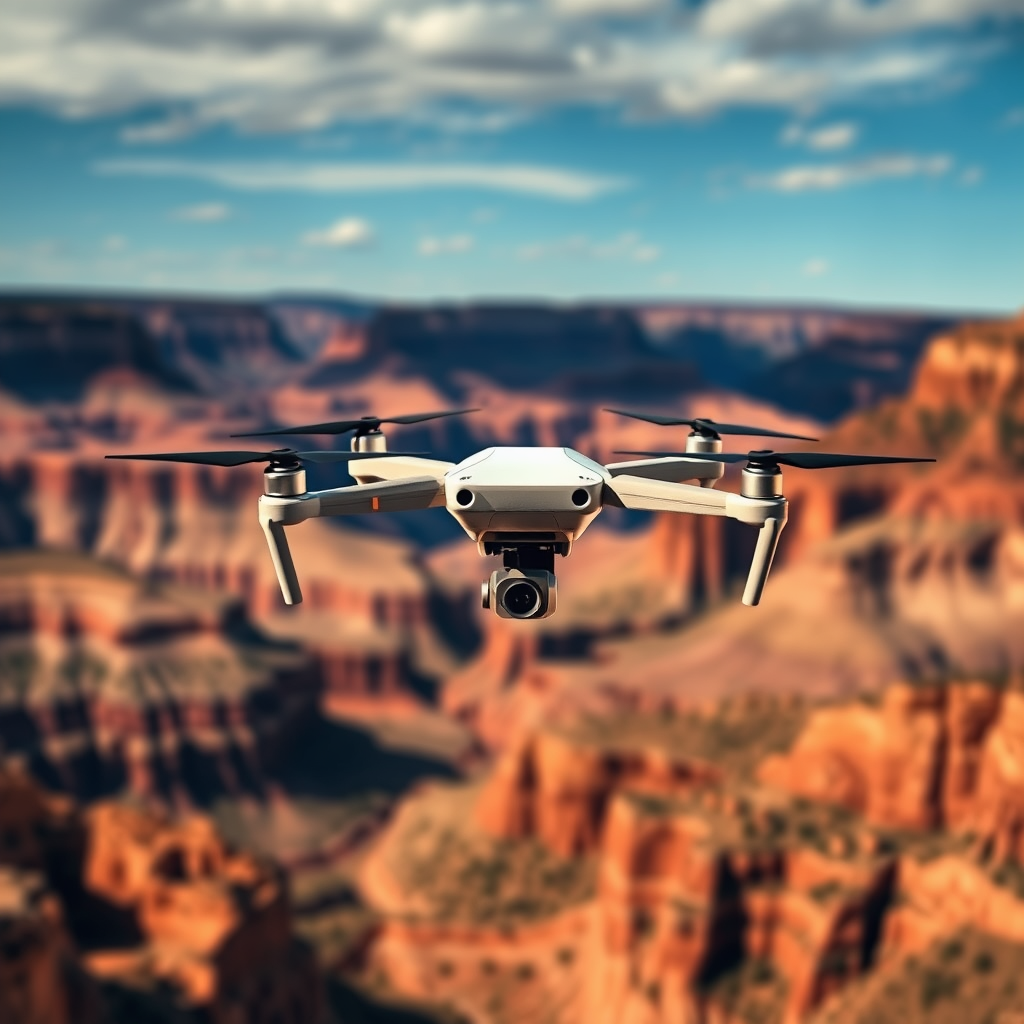
Drones are prohibited in all national parks, including the Grand Canyon. This blanket regulation is enforced by the National Park Service (NPS) and is intended to minimize disturbances to wildlife and visitors alike. The NPS has established these rules to ensure that the unique landscapes and habitats within national parks are preserved for future generations. The regulations apply to all forms of unmanned aerial vehicles (UAVs), regardless of their size or purpose, thereby eliminating any ambiguity regarding drone use in protected areas.
The prohibition extends beyond just flying drones; it also includes launching, landing, or using drones in any capacity within park boundaries. Violators of this regulation may face significant fines and penalties, which underscores the importance of compliance for anyone considering drone usage in national parks.
Reasons for the Drone Ban
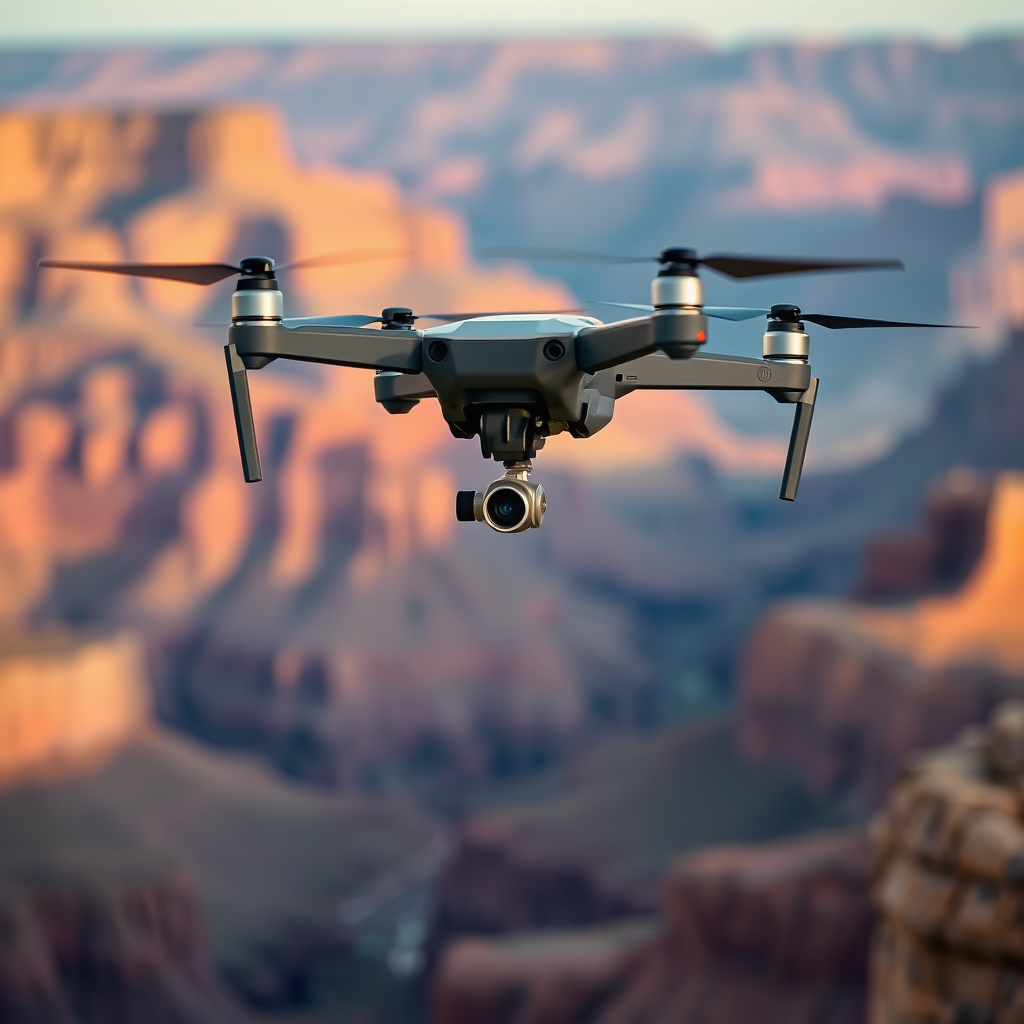
The drone ban in the Grand Canyon and other national parks primarily serves two critical purposes: protecting sensitive ecosystems and wildlife habitats, as well as ensuring visitor safety and preserving the natural experience of the park.
Firstly, the Grand Canyon is home to diverse wildlife, including species that are sensitive to disturbances. The noise and presence of drones can disrupt animal behavior, particularly during feeding, nesting, and mating seasons. For example, birds such as the California condor, which are an endangered species, can be significantly affected by aerial disturbances, leading to stress and potential abandonment of nests.
Secondly, visitor safety is a paramount concern. The Grand Canyon attracts millions of visitors annually, and the introduction of drones can create hazards, including collisions. Drones can potentially crash, posing risks to both park-goers and wildlife. Moreover, many visitors come to the Grand Canyon to immerse themselves in the natural environment, and the presence of drones can detract from this experience, leading to increased noise and visual pollution.
Alternatives to Flying Drones
While flying drones in the Grand Canyon is prohibited, there are several viable alternatives for those interested in capturing aerial views or photography. One option is to hire a licensed aerial photography service that specializes in drone footage. These professionals typically have the necessary permits and experience to operate drones responsibly, ensuring compliance with all regulations while providing stunning imagery.
Additionally, visitors can explore various designated viewpoints that offer breathtaking vistas of the Grand Canyon. Locations such as Mather Point, Yavapai Observation Station, and Desert View Watchtower provide excellent opportunities for photography and videography without the need for drones. Utilizing traditional photography techniques can also yield beautiful results and allow visitors to capture the essence of the park without infringing on regulations.
Applying for Special Permits
In rare cases, special permits for drone use in national parks may be granted, but the application process is stringent and typically reserved for exceptional circumstances, such as research or specific educational purposes. If you believe your intended use of a drone qualifies as exceptional, it is essential to understand the application process and requirements.
The process involves submitting a detailed proposal to the NPS, outlining the purpose of the drone use, the proposed flight plan, and how it will comply with park regulations. It is advisable to contact the park’s administrative office well in advance, as the review process can be lengthy. However, applicants should be prepared for the possibility of denial, as the NPS maintains a strong stance against drone usage to protect the integrity of the park.
Local Laws and Regulations
While the Grand Canyon itself has strict rules against drone usage, it is also important to be aware of state and local laws regarding drones outside of national park boundaries. Arizona, where the Grand Canyon is located, does not have a statewide ban on drone usage, but there are specific regulations that must be followed.
For instance, drone operators must adhere to Federal Aviation Administration (FAA) regulations, which include guidelines on maximum altitude, visibility, and restrictions around populated areas. Additionally, local municipalities may have their own ordinances regarding drone use, so it is crucial for users to research and comply with these laws to avoid potential fines or penalties.
Best Practices for Responsible Drone Use
For drone enthusiasts who wish to operate their UAVs in areas where it is permissible, adhering to best practices for responsible drone use is vital. Firstly, it is essential to respect wildlife and natural habitats. This means maintaining a safe distance from animals and avoiding areas known for sensitive ecosystems.
Moreover, drone operators should follow all FAA regulations and local laws to avoid fines or penalties. This includes obtaining the necessary licenses if required, keeping the drone within visual line of sight, and avoiding flight over populated areas. Lastly, operators should always prioritize safety by ensuring that their drones are in good working condition and that they are aware of their environment.
In summary, while flying drones at the Grand Canyon is prohibited, there are alternatives and regulations that enthusiasts should understand if they are interested in aerial photography. Respecting these guidelines not only preserves the beauty of this stunning natural landscape but also enhances the experience for all visitors. As responsible stewards of the environment, it is crucial to prioritize the conservation of such precious natural resources and consider ways to capture their beauty responsibly.
Frequently Asked Questions
Can you fly drones in the Grand Canyon National Park?
No, flying drones is prohibited in Grand Canyon National Park. The National Park Service has strict regulations against drone usage to protect wildlife, preserve the natural landscape, and ensure visitor safety. If you’re considering capturing aerial photography or videography, it’s best to look for alternative locations outside the park’s boundaries that allow drone flights.
What are the penalties for flying a drone at the Grand Canyon?
If you fly a drone in the Grand Canyon National Park, you may face significant penalties, including fines up to $5,000 for individuals and up to $10,000 for organizations. Additionally, violating park regulations could lead to confiscation of your drone and potential legal action. It’s crucial to respect the rules to avoid these consequences and protect the park’s environment.
Are there any nearby areas where I can legally fly a drone near the Grand Canyon?
Yes, there are several areas near the Grand Canyon where drone flying is allowed. For instance, parts of the Kaibab National Forest and other surrounding public lands permit drone use, provided you adhere to local regulations. Always check the specific rules and guidelines for these areas to ensure a safe and legal flying experience.
Why are drones banned in the Grand Canyon National Park?
Drones are banned in the Grand Canyon National Park primarily to protect the park’s delicate ecosystem and wildlife. The noise and visual disturbance caused by drones can disrupt natural behaviors of animals, affect their habitats, and detract from the park’s scenic beauty. Additionally, the presence of drones can interfere with the experiences of other visitors seeking tranquility and connection with nature.
What are the best practices for drone flying in areas where it is allowed?
When flying drones in areas where it is permitted, always follow the Federal Aviation Administration (FAA) guidelines, including maintaining visual line of sight and flying below 400 feet. It’s also advisable to respect other people’s privacy, avoid flying near wildlife, and steer clear of crowded spaces. Always check for any local restrictions and ensure your drone is registered if required, ensuring a responsible and enjoyable flying experience.
References
- https://www.nps.gov/grca/planyourvisit/drone.htm
- https://www.faa.gov/uas/getting_started/where_to_fly
- https://www.grandcanyontrust.org/blog/why-drones-are-not-allowed-grand-canyon
- https://www.nps.gov/grca/planyourvisit/visitorcenters.htm
- https://www.frontiersin.org/articles/10.3389/fenvs.2021.642947/full
