
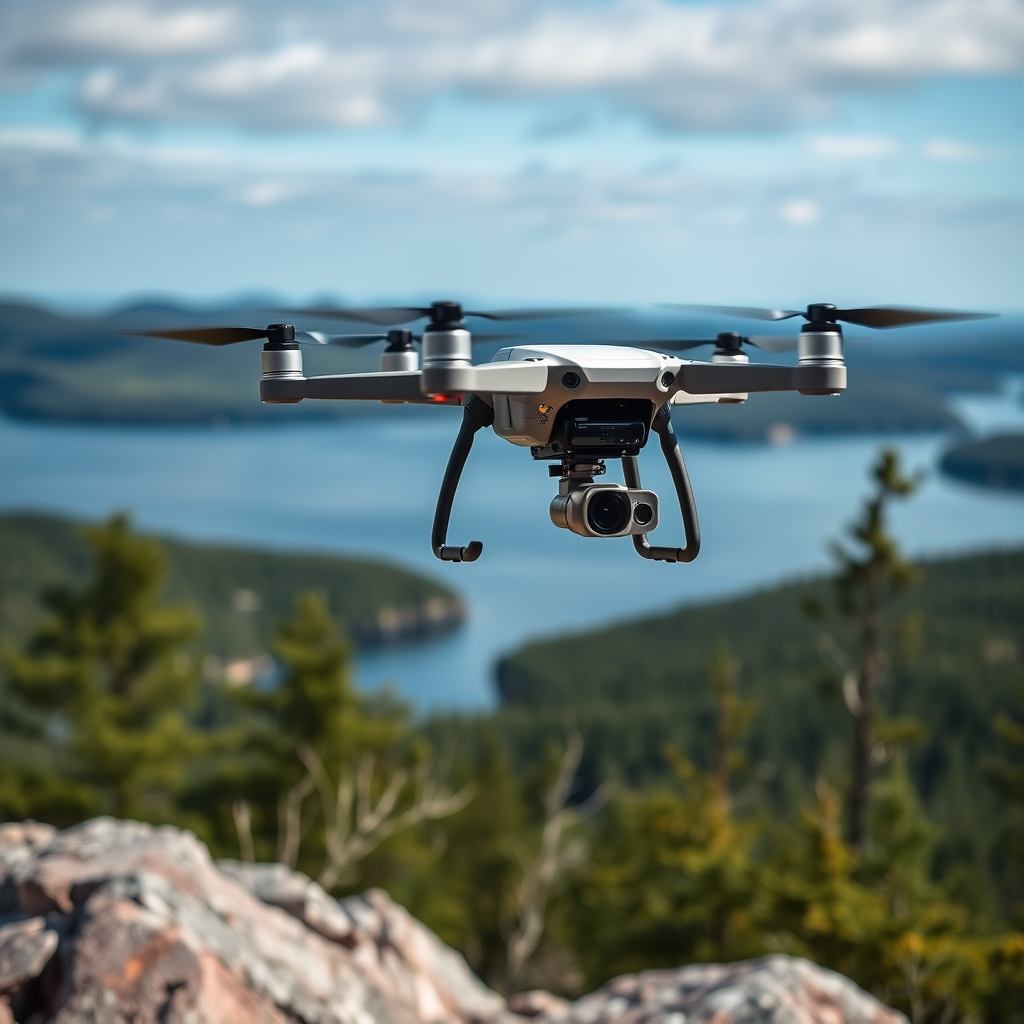
Yes, you can fly drones in Acadia National Park, but there are specific regulations and restrictions to follow. As one of America’s most picturesque national parks, Acadia attracts visitors who want to capture its breathtaking landscapes through aerial photography. However, understanding the legal framework and environmental considerations is crucial for responsible drone operation within the park. In this article, we will explore the guidelines, limitations, and best practices for flying drones in this beautiful national park.
Understanding the Regulations
Drones are generally prohibited in national parks, including Acadia. The National Park Service (NPS) has established strict regulations governing the use of drones to protect wildlife, preserve the natural environment, and ensure the safety of park visitors. While flying a drone might seem appealing for capturing stunning visuals, it is essential to recognize that these regulations are in place for good reason.
If you intend to use a drone for research, educational purposes, or commercial photography, specific permits may be required. The NPS has outlined a special use permit process that individuals must follow to gain authorization for certain drone-related activities. It is vital to check the NPS website or contact park officials to understand the specific requirements and current status of drone regulations at Acadia National Park before planning your visit.
Designated Areas for Drone Use
While Acadia National Park generally restricts drone use, there may be designated areas where flying is permitted. These areas can change depending on seasonal conditions or ongoing environmental protection measures. Thus, it is essential for drone operators to conduct thorough research before their visit.
To find out if there are any specific areas where drone flying may be allowed, consult the park’s official website or contact park rangers directly. They can provide the most current information regarding any designated zones for drone usage and any temporary restrictions that may be in effect. Moreover, local drone forums and user communities can also offer insights into the best practices and current regulations.
Safety Guidelines for Flying Drones
Safety should be the top priority when operating a drone in any setting, and Acadia National Park is no exception. To adhere to best practices, always maintain a visual line of sight with your drone. This not only ensures you can control your equipment effectively but also minimizes the risk of accidents or collisions with other aircraft.
Additionally, avoid flying near wildlife and people to minimize disturbances. Acadia is home to a variety of sensitive wildlife, including nesting birds and other fauna. Disturbing these animals could have negative consequences for their habitat and populations. Always be respectful of park visitors; flying a drone over crowded areas can cause distractions and safety concerns. By following these guidelines, you contribute to a safer park experience for all.
Environmental Considerations
When flying drones in natural settings like Acadia National Park, it is crucial to be aware of the potential impact on the ecosystem. The noise from drones can disrupt wildlife, including birds and mammals, which may lead to stress or altered behavior.
To mitigate your impact, adhere to Leave No Trace principles when operating your drone. This means minimizing your footprint by avoiding sensitive areas, not disturbing wildlife, and respecting the natural landscape. Support conservation efforts by ensuring that your drone activities do not negatively affect the park’s ecosystems. Always be conscious of the environment, and choose locations that minimize disruption to both nature and fellow visitors.
Obtaining Necessary Permits
If you plan to operate your drone in Acadia National Park for specific activities that may require special permissions, it is vital to understand how to apply for the necessary permits. The NPS provides a clear framework for acquiring special use permits, which may include drone operations for research, filming, or educational purposes.
To navigate this process, begin by consulting the official NPS website dedicated to special use permits. This resource will outline the application timeline, necessary documentation, and any associated fees. Completing the application accurately and submitting it well in advance of your planned activities will increase your chances of approval. Always keep communication open with park officials for any updates or changes in regulations.
Local Resources and Contacts
For the most accurate and up-to-date information on drone regulations at Acadia National Park, utilizing park ranger resources is essential. Park rangers are knowledgeable about current guidelines and can offer insights into safe and responsible drone operation.
Additionally, joining local drone flying communities can be an invaluable resource. These groups often share their experiences, tips, and advice regarding drone use in specific locations, including Acadia. Online platforms such as forums and social media groups can connect you with fellow drone enthusiasts who can provide firsthand insights and guidance.
In conclusion, while flying drones in Acadia National Park is generally restricted, understanding the regulations and following best practices can enhance your experience. It is essential to stay informed about designated areas for drone use, adhere to safety and environmental guidelines, and apply for any necessary permits. Always check the latest guidelines before your visit and consider reaching out to park officials for any clarifications. By doing so, you can enjoy the stunning landscapes of Acadia National Park while respecting the natural environment and fellow visitors.
Frequently Asked Questions
Can I fly drones in Acadia National Park?
No, flying drones in Acadia National Park is prohibited. The National Park Service has strict regulations that protect wildlife and preserve the natural beauty of the park. Visitors are encouraged to enjoy the park’s stunning views and landscapes without the use of unmanned aircraft.
What are the penalties for flying a drone in Acadia National Park?
Violating drone regulations in Acadia National Park can result in fines and penalties as determined by the National Park Service. Offenders may face fines up to $5,000 for individuals and $10,000 for organizations. In addition to monetary penalties, drone operators may also be subject to confiscation of their equipment.
Why are drones banned in Acadia National Park?
Drones are banned in Acadia National Park primarily to protect wildlife and preserve the park’s natural resources. The noise and visual disturbance caused by drones can disrupt animal behavior and affect the serenity that visitors seek. Furthermore, the regulations help maintain the park’s scenic landscape for all to enjoy.
Are there any designated areas near Acadia National Park where I can fly my drone?
Yes, there are several areas surrounding Acadia National Park where drone flying is allowed, as long as you adhere to local regulations and guidelines. Popular locations include private property (with permission) and designated outdoor recreational areas that are not part of the National Park system. Always check local laws and requirements before flying.
How can I capture aerial photos or videos in Acadia National Park without a drone?
You can capture stunning aerial photos or videos in Acadia National Park by using alternative methods, such as hiring a professional photographer with the necessary permits or utilizing vantage points accessible by hiking. Additionally, consider using a tripod for stability and taking panoramic shots from elevated locations to achieve a similar effect without the use of a drone.
References
- https://www.nps.gov/acad/planyourvisit/drone-use.htm
- https://www.nps.gov/acad/learn/management/drone-use.htm
- https://www.faa.gov/uas
- https://www.nps.gov/acad/learn/news/drone-regulations-in-acadia-national-park.htm
- https://www.acadia-ns.com/faq/drone-use-in-acadia-national-park/
- https://www.washingtonpost.com/local/public-safety/acadia-national-park-drone-rules/2021/07/18/2c4e5f32-eeb0-11eb-9f69-b5f96187a8ae_story.html
