

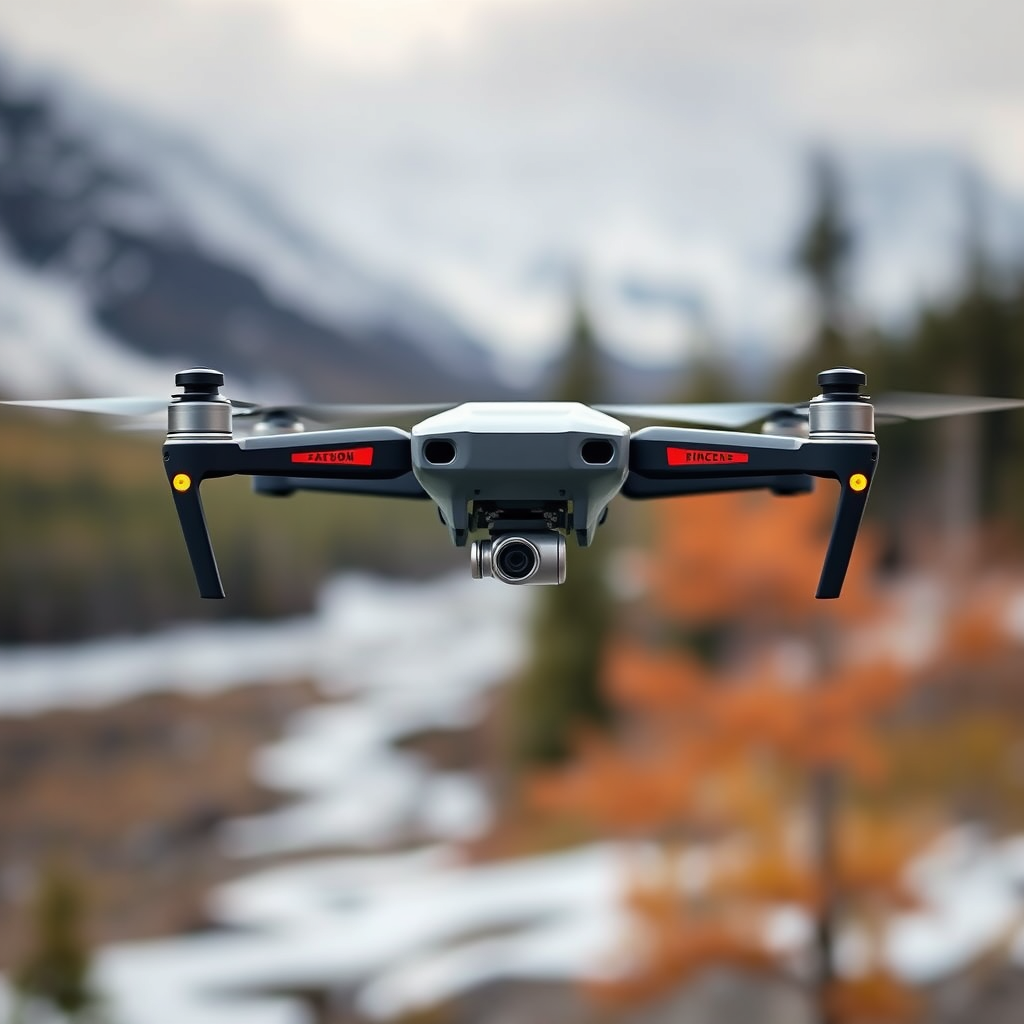
Yes, you can fly drones in Alaska, but there are specific regulations and guidelines that you must follow to ensure safe and legal operation. Alaska’s stunning landscapes and diverse wildlife make it an attractive location for drone enthusiasts, whether for recreational purposes or commercial applications. However, understanding the local laws, airspace restrictions, and best practices is essential to avoid potential legal issues and enhance safety during drone flights.
Understanding Alaska’s Drone Regulations
The Federal Aviation Administration (FAA) governs drone operations nationally, including Alaska. This means that all drone users in the state must adhere to FAA regulations, which serve to ensure the safety of both drone operators and the general public. For commercial use, drone operators must comply with the FAA’s Part 107 rules. These rules dictate various operational guidelines, including pilot certification, flight altitude, and the necessity of pre-flight checks.
Recreational drone enthusiasts, on the other hand, must follow specific guidelines that include flying below 400 feet, keeping the drone within visual line-of-sight, and not flying near other aircraft or over people. Additionally, recreational fliers are encouraged to educate themselves on airspace classifications to avoid flying in restricted areas. Understanding these regulations is crucial for anyone looking to operate a drone in Alaska safely and legally.
Registration Requirements
Registration requirements for drones in Alaska follow the FAA’s national standards. Drones weighing over 0.55 pounds (approximately 250 grams) must be registered with the FAA prior to operation. The registration process is straightforward and can be completed online through the FAA’s dedicated portal. The registration is valid for three years and incurs a nominal fee of $5. Once registered, operators will receive a unique identification number that must be marked on the drone. This registration is not only a legal requirement but also serves as a means for accountability in case of incidents.
For commercial operators, additional certification may be required, including obtaining a Remote Pilot Certificate, which necessitates passing an FAA-administered knowledge test. This certification emphasizes the importance of understanding aeronautical knowledge, airspace regulations, and operational safety.
Airspace Restrictions in Alaska
Alaska’s vast and varied landscape presents unique challenges and considerations when it comes to airspace restrictions. Certain areas, such as national parks, wildlife refuges, and military zones, are subject to strict regulations regarding drone flights. For instance, flying a drone in Denali National Park is prohibited to protect the natural environment and wildlife. Similarly, military installations may enforce temporary flight restrictions that could affect drone operations in those regions.
Drone operators should utilize tools like the FAA’s B4UFLY app, which provides real-time information on airspace restrictions and helps ensure compliance with local regulations. This app is particularly valuable in Alaska, where the remoteness and variable geography can lead to confusion about where flying is permissible. Familiarizing oneself with these restrictions not only ensures legal compliance but also promotes the safety of manned aircraft and wildlife.
Weather Considerations for Drone Flights
Alaska is notorious for its rapidly changing weather conditions, which can significantly impact drone operations. Pilots must be prepared for harsh elements, such as strong winds, rain, snow, and low visibility. Weather conditions can fluctuate dramatically, especially in mountainous or coastal regions, so understanding local weather patterns is critical for safe drone operation.
Before each flight, operators should check weather forecasts and be aware of any approaching storms or adverse conditions. It is advisable to have a backup plan in case weather conditions deteriorate while in the air. Additionally, drone operators should equip themselves with drones capable of handling challenging weather conditions, as this can enhance safety and operational success.
Best Practices for Flying Drones in Alaska
To ensure a safe and enjoyable experience while flying drones in Alaska, operators should adhere to several best practices. Firstly, always maintain visual line-of-sight with your drone. This is not only a regulatory requirement but also essential for avoiding obstacles and other aircraft. Keeping the drone within sight allows for better control and situational awareness.
Moreover, it is crucial to avoid flying near wildlife, especially in remote areas where animals may be sensitive to disturbances. This practice protects both the animals and the drone, as unexpected wildlife encounters can lead to accidents or injuries. Operators should also be respectful of other individuals in the area, especially in popular recreational zones where people may not expect drones to be flying overhead.
Lastly, drone operators should stay informed about the latest regulations and best practices through local drone clubs, online forums, and official resources such as the Alaska Department of Transportation. Engaging with the community can provide valuable insights, tips, and support for navigating the unique challenges of flying drones in Alaska.
Resources for Drone Operators in Alaska
For drone operators in Alaska, several resources can assist in navigating the complex regulatory landscape and enhance flying experiences. Local drone clubs and online forums provide platforms for networking, sharing experiences, and seeking advice from fellow enthusiasts. Engaging with these communities can lead to valuable insights, tips, and even organized flying events.
Additionally, the Alaska Department of Transportation regularly updates its guidelines and resources for drone operators. Staying abreast of state-specific regulations can help ensure compliance and promote safe flying practices. Other resources include the FAA’s website, which offers comprehensive information about national regulations, as well as educational materials for both recreational and commercial operators.
Conclusion
Flying drones in Alaska is indeed possible, but it requires adherence to federal and local regulations to promote safety and ensure responsible operation. Understanding the rules surrounding drone use, including registration requirements and airspace restrictions, is essential for all operators. Additionally, considering weather conditions and following best practices can enhance the overall flying experience. By remaining informed and engaged with the drone community, operators can fully enjoy the breathtaking Alaskan landscape while ensuring compliance with the law. For more detailed information, always consult official resources and stay updated on any changes to regulations.
Frequently Asked Questions
What are the regulations for flying drones in Alaska?
In Alaska, drone operators must adhere to the Federal Aviation Administration (FAA) regulations, which include registering your drone if it weighs more than 0.55 pounds and following guidelines for safe flight. Additionally, Alaska has specific restrictions in certain areas, such as national parks and wildlife refuges, where flying drones may be prohibited or require special permissions. Always check local laws and regulations before flying to ensure compliance.
How do I register my drone in Alaska?
To register your drone in Alaska, you need to visit the FAA’s official website and complete the online registration process. You will need to provide your name, address, and contact information, as well as pay a small registration fee. Once registered, you will receive a unique identifier that must be displayed on your drone, ensuring that you follow the FAA guidelines applicable to all drone operations in Alaska.
Why are there restrictions on drone flights in certain areas of Alaska?
Restrictions on drone flights in specific areas of Alaska are primarily in place to protect wildlife, preserve natural landscapes, and ensure the safety of people. Many regions, including national parks and sensitive ecosystems, have regulations to minimize disturbances to animals and habitats. Understanding these restrictions is essential for responsible drone use and helps maintain the natural beauty of Alaska.
What is the best time of year to fly a drone in Alaska?
The best time to fly a drone in Alaska is during the summer months, typically from late May to mid-August, when weather conditions are milder and daylight is abundant. This period allows for optimal visibility and longer flying times, making it easier to capture stunning aerial footage of Alaska’s breathtaking landscapes. However, always check for specific weather conditions and daylight hours, especially in remote areas.
Which drone models are recommended for flying in Alaska’s rugged terrain?
When flying in Alaska’s rugged terrain, it’s advisable to choose drone models that are known for their durability, stability, and high-quality camera capabilities. Popular options include the DJI Mavic Air 2 for its portability and excellent image quality, and the DJI Phantom 4 Pro for its robust features and reliable performance in challenging conditions. Additionally, consider drones with extended battery life to accommodate longer flights in remote locations.
References
- https://www.faa.gov/uas/getting_started/registration
- https://www.faa.gov/uas/getting_started/part_107
- https://www.faa.gov/uas/faq
- https://www.alaska.gov/dnr/parks/units/uas.html
- https://www.adfg.alaska.gov/index.cfm?adfg=regulations.drones
- https://www.wildlife.alaska.gov/index.cfm?adfg=regulations.drones
- https://www.doi.gov/ppa/aviation/drones-in-alaska
- https://www.nps.gov/articles/drone-use-in-national-parks.htm
