
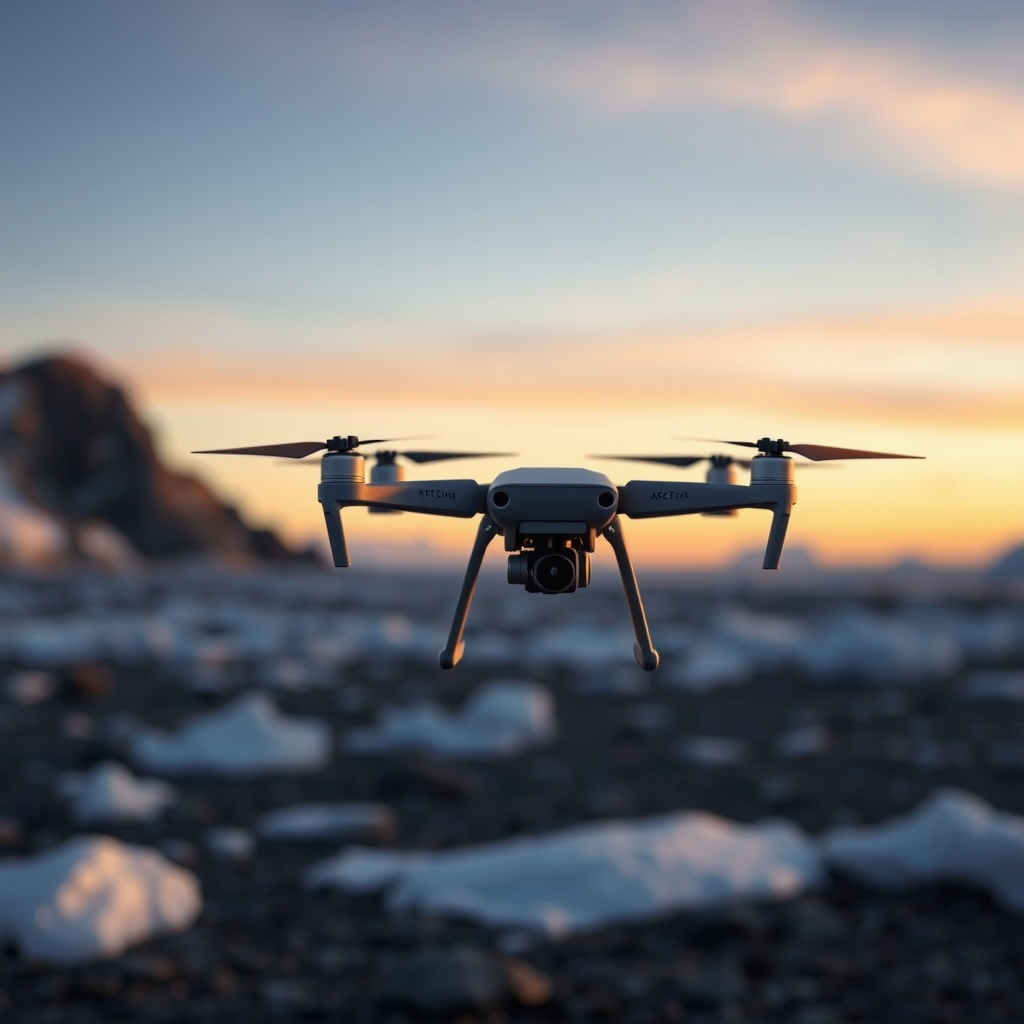
Yes, you can fly drones in Antarctica, but there are strict regulations and guidelines that must be followed to protect the unique environment and wildlife. As interest in drone technology grows, understanding these restrictions is essential for anyone considering flying in this remote region. The continent’s ecological sensitivity, coupled with international treaties governing its use, necessitates a thorough understanding of the rules that dictate drone operations in this pristine environment.
Understanding Antarctic Regulations
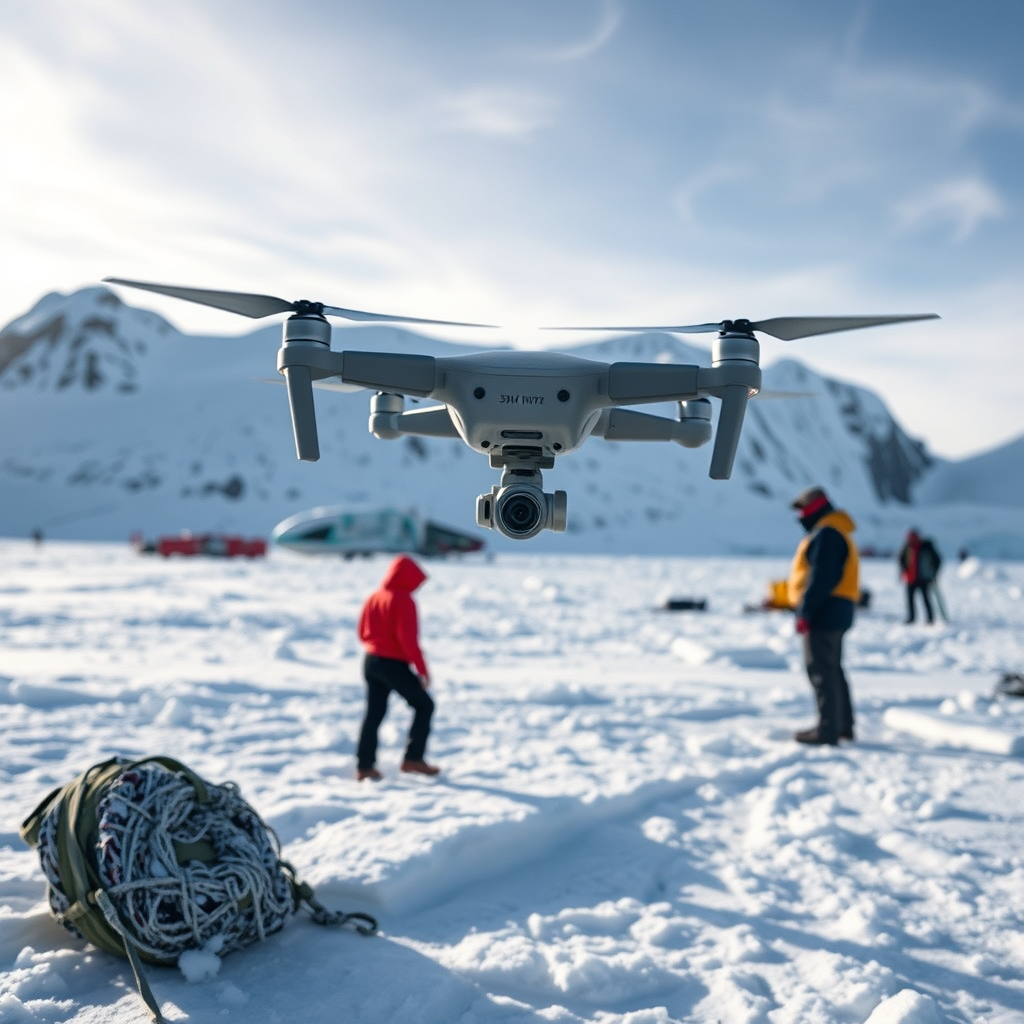
The Antarctic Treaty System governs all activities in Antarctica, including drone use. Established in 1961, the Antarctic Treaty is a multilateral agreement that emphasizes the importance of scientific cooperation and the preservation of the continent’s ecosystem. Under this framework, any drone operations must adhere to strict environmental protocols designed to minimize impact. This includes compliance with guidelines set by the Committee for Environmental Protection, which advises on the environmental impact assessments required for various activities, including drone flights. Additionally, countries that operate in Antarctica typically have their own specific regulations that align with the treaty, further tightening the governance of drone use.
Regulations also encompass the need for drone operators to be aware of designated protected areas and the specific prohibitions against activities that could disturb the wildlife or disrupt research sites. Therefore, understanding the broader implications of the Antarctic Treaty and the responsibilities it entails is crucial for anyone looking to operate drones in this region.
Permits and Permissions
Users must obtain permits from the appropriate governing bodies, such as the Antarctic Division or relevant national authorities. Each country that conducts operations in Antarctica has its own permitting process, which often requires applicants to demonstrate a clear understanding of the environmental impacts associated with their planned drone activities. For instance, the Australian Antarctic Division mandates that all actions taken in the region must be assessed for their potential to disturb the natural environment or compromise scientific research.
Detailed project proposals may be required to assess potential environmental impacts. These proposals usually include information on the drone type, flight path, duration of operation, and the specific purpose of the flight. The assessment process can also involve consultations with environmental experts to ensure compliance with established protocols. Obtaining these permits can be a lengthy process, so it is advisable for drone operators to plan well in advance to avoid any delays.
Environmental Considerations
Drones must not disturb wildlife, particularly during breeding seasons. The Antarctic region is home to several vulnerable species, including penguins, seals, and various migratory birds, all of which are sensitive to disturbances caused by human activities. For example, flying drones near breeding colonies can lead to stress and abandonment of nests, which can severely impact population numbers. Therefore, operators are required to follow strict guidelines to avoid damaging the fragile ecosystem.
Additionally, operators need to be mindful of the potential for drones to inadvertently introduce contaminants or foreign materials into the environment. Strict cleanliness protocols should be observed, including ensuring that drones are free from residues that may harm the indigenous flora and fauna. This aligns with the broader ethos of the Antarctic Treaty, which emphasizes the importance of conserving the continent’s unique ecological heritage.
Best Practices for Drone Operation
To minimize the impact of drone operations in Antarctica, it is essential to adhere to best practices. Ensure that drones are equipped with the latest technology to minimize disturbance. For instance, using quieter propeller designs and advanced flight controls can help lessen noise pollution and reduce the likelihood of startling wildlife.
Maintain a safe distance from wildlife and sensitive areas during flights. Recommended practice suggests keeping at least 500 meters away from wildlife to prevent disturbance. Operators should also familiarize themselves with the specific habitats and behaviors of local species to make informed decisions about flight paths and altitudes. Furthermore, conducting pre-flight checks and ensuring that drones are in optimal working condition is critical to mitigate any risks associated with mechanical failure.
Popular Uses of Drones in Antarctica
Drones are commonly used for scientific research, including mapping and wildlife monitoring. They provide researchers with the ability to collect high-resolution data and imagery without the need for invasive ground surveys. For example, drones equipped with thermal imaging cameras can monitor seal populations by detecting their heat signatures from a safe distance, allowing scientists to gather data on population dynamics without disturbing the animals.
They assist in logistical operations, such as surveying and delivering supplies to remote areas. The use of drones can significantly reduce the time and resources needed for logistical support, especially in locations that are difficult to access. For instance, drones can be deployed to transport essential equipment or samples from research stations to remote field sites, streamlining operations and enhancing overall research efficiency.
Challenges of Flying Drones in Antarctica
Extreme weather conditions can limit operational times and battery life. The frigid temperatures, high winds, and unpredictable weather patterns characteristic of Antarctica can pose significant challenges for drone operations. Battery performance can degrade significantly in cold weather, reducing the effective flight time and range of drones. Operators must carefully plan their flights, considering weather forecasts and the specific capabilities of their drone technology.
Communication issues due to the remote location can affect drone control and data transmission. In many parts of Antarctica, GPS signals can be weak or interrupted, complicating navigation and real-time data transfer. Operators are encouraged to use advanced navigation systems and have contingency plans in place to ensure that they can maintain control over their drones in case of signal loss.
In conclusion, while flying drones in Antarctica is possible, it requires careful planning and adherence to regulations. Interested operators should ensure they understand the legal and environmental implications before embarking on their drone adventures. With the right permits and a commitment to responsible operation, drones can play a vital role in advancing scientific research and logistical support in one of the world’s most remote and fragile environments. For more information on drone regulations in different regions, consider exploring local guidelines and best practices to ensure compliance and promote ecological stewardship.
Frequently Asked Questions
Can you legally fly drones in Antarctica?
Yes, you can legally fly drones in Antarctica, but there are strict regulations in place. All drone operations must comply with the relevant environmental laws, including the Antarctic Treaty System, which aims to protect the unique ecosystem. Additionally, operators must obtain permission from the national authority responsible for their country’s activities in Antarctica and adhere to guidelines set by the Antarctic Conservation Act.
What are the restrictions on flying drones in Antarctica?
The restrictions on flying drones in Antarctica include limitations on flight altitude, designated flight paths, and no-fly zones around research stations and wildlife habitats. Drones must not disturb wildlife or interfere with scientific research. It is crucial to familiarize yourself with the specific guidelines of the national program you are participating in, as these can vary significantly between countries.
How can I get permission to fly a drone in Antarctica?
To obtain permission to fly a drone in Antarctica, you must apply through the appropriate national authority that manages Antarctic activities, such as the Antarctic Programs of the US, UK, or Australia. This process typically involves submitting detailed flight plans, safety measures, and environmental impact assessments to ensure compliance with both national and international regulations.
Why would someone want to fly a drone in Antarctica?
People may want to fly drones in Antarctica for various reasons, including scientific research, environmental monitoring, and photography. Drones can effectively capture high-resolution images of remote areas, monitor wildlife populations, and assess the impacts of climate change by providing data that is difficult to obtain through traditional methods. The unique landscape and wildlife also make it an attractive destination for drone enthusiasts and researchers alike.
What type of drones are best suited for flying in Antarctica?
The best drones for flying in Antarctica are those that are durable, weather-resistant, and capable of operating in extreme cold temperatures. Models designed for harsh environments, such as those with robust battery life and reliable GPS systems, are ideal. Additionally, drones with thermal imaging capabilities can be beneficial for wildlife monitoring and research purposes, allowing researchers to gather valuable data without disturbing the natural habitat.
References
- https://en.wikipedia.org/wiki/Antarctica
- https://www.nsf.gov/news/special_reports/antarctica/faq.jsp
- https://www.sciencedirect.com/science/article/pii/S2213343721000132
- https://www.theguardian.com/world/2021/oct/24/drones-in-antarctica-science-research
- https://www.researchgate.net/publication/335874157_Drones_in_the_Arctic_and_Antarctic
- https://www.nature.com/articles/d41586-020-01843-4
- https://www.usgs.gov/mission-areas/water-resources/science/use-drones-science-and-research
- https://www.antarctic.gov.au/about-antarctica/people-and-culture/science-and-research/drones-in-antarctica/
