
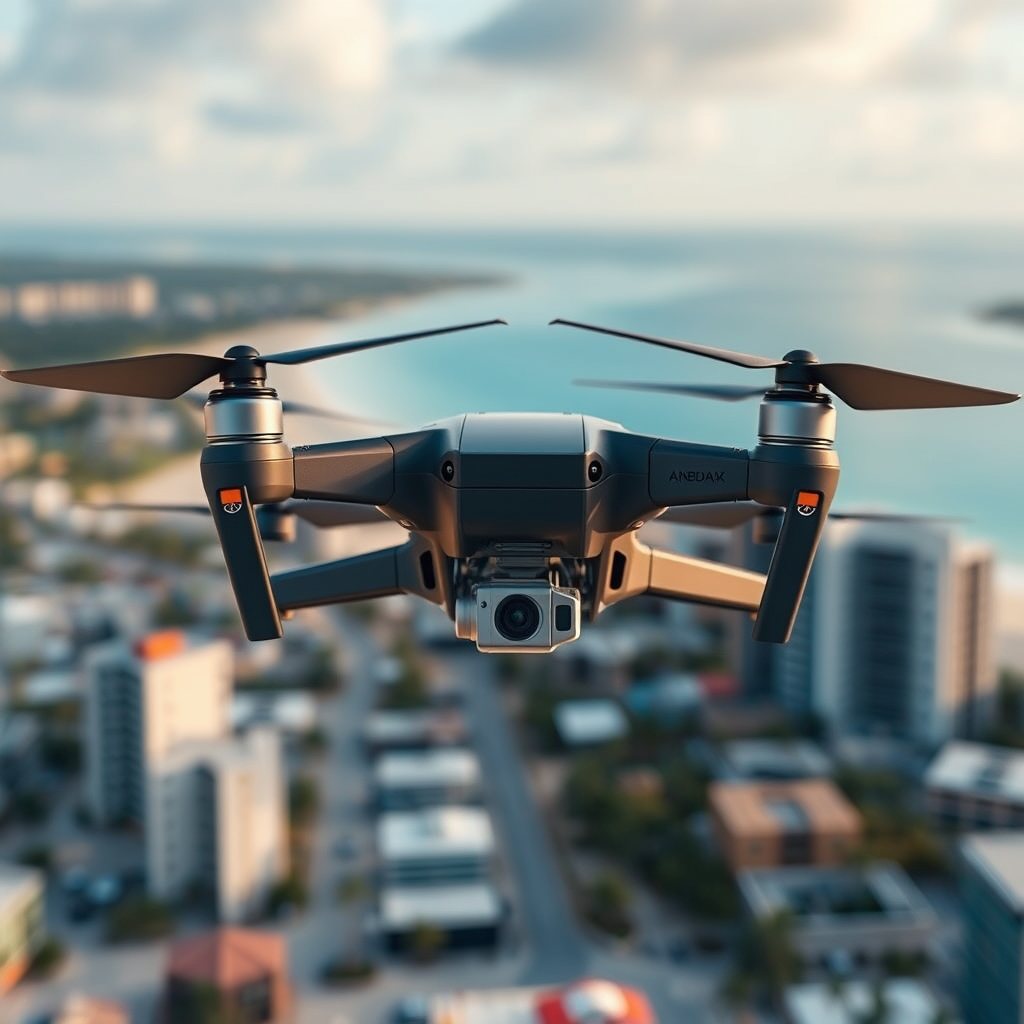
Yes, you can fly drones in Aruba, but there are specific regulations and guidelines that you must follow to ensure compliance with local laws. Understanding these rules will help you enjoy your drone flying experience while respecting the island’s natural beauty and privacy. As drone technology continues to advance, many travelers want to capture stunning aerial footage of Aruba’s pristine landscapes. However, ensuring that you are informed about the local regulations is essential to avoid potential fines and contribute to a safe flying environment.
Overview of Drone Regulations in Aruba
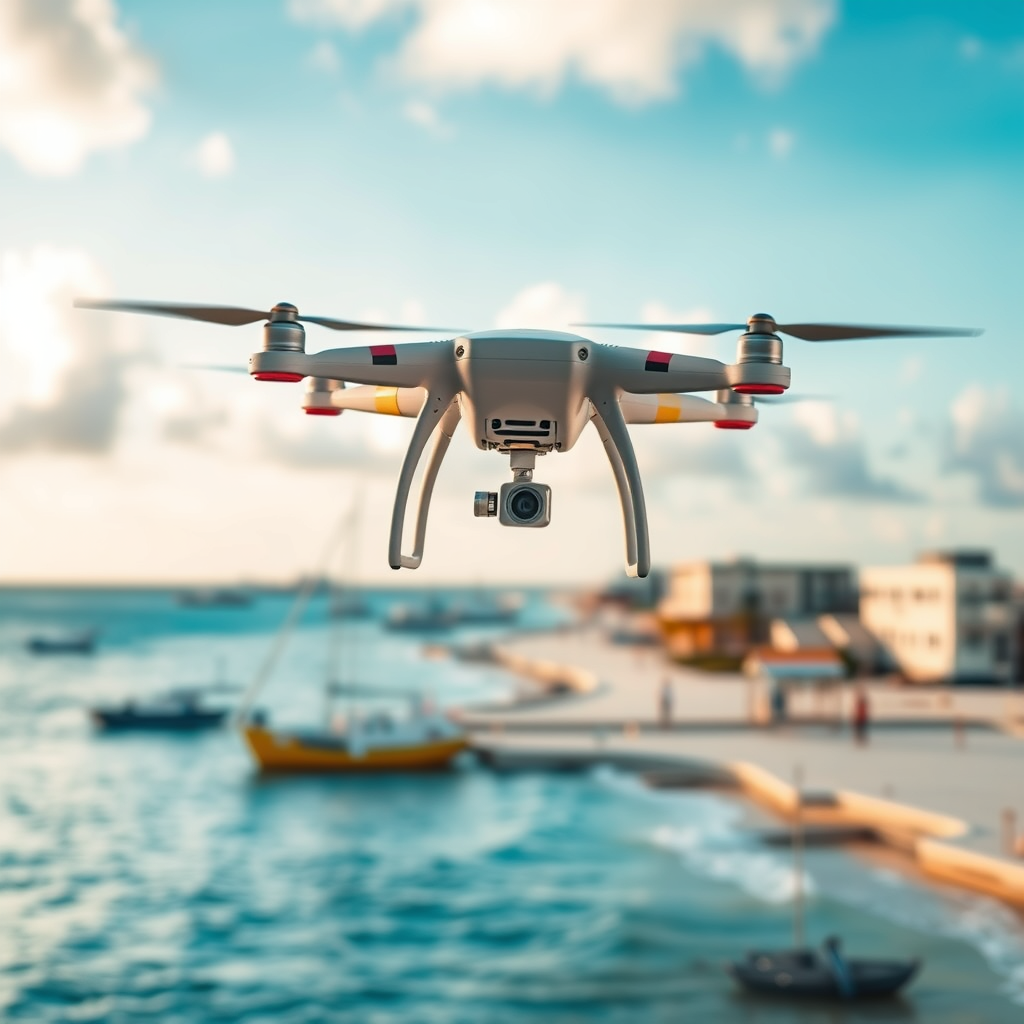
In Aruba, drone regulations are primarily overseen by the Aruba Civil Aviation Authority (AAC), which enforces rules that align with the International Civil Aviation Organization (ICAO) standards. Before flying a drone, it is mandatory to register the device with local authorities. This registration process not only helps to track drone usage but also ensures that operators are aware of the responsibilities that come with flying.
Moreover, the AAC has established regulations that dictate the technical standards for drones, including limitations on weight, operational altitude, and equipment requirements. As a drone pilot, it is your responsibility to familiarize yourself with these regulations to ensure compliance and to promote safety in the airspace.
Required Permits and Licenses
Before you can take to the skies in Aruba, obtaining the necessary permits and licenses is crucial. All drone pilots are required to secure a permit from the Aruba Civil Aviation Authority. This permit serves as official authorization to operate your drone legally within the country.
If you plan to use your drone for commercial purposes—such as photography, videography, or other business-related activities—additional licenses may be required. Commercial operators often need to demonstrate their proficiency and knowledge of aviation regulations, which may include submitting proof of training or certifications. It’s recommended to initiate the application process well in advance of your trip to ensure all paperwork is completed in time.
No-Fly Zones and Restricted Areas
When flying drones in Aruba, awareness of no-fly zones and restricted areas is paramount. Certain locations, including areas near airports, military installations, and national parks, are designated as off-limits for drone operations. For instance, flying near Queen Beatrix International Airport is strictly prohibited, as it poses risks to manned aircraft and can lead to serious legal consequences.
To stay informed about these restrictions, pilots should regularly check for updated maps and resources published by the AAC. Many drone enthusiasts also share this information within local online communities, making it easier to stay current with any changes in regulations or restricted zones.
Drone Insurance and Liability
Having liability insurance is a prudent decision for any drone operator, particularly in a foreign country like Aruba. While it is not always mandatory, certain permits may require proof of insurance coverage to mitigate risks associated with drone operations. Liability insurance provides financial protection in case of accidents, property damage, or personal injury caused by drone activities.
Before flying in Aruba, it’s wise to consult with your insurance provider to ensure that your policy covers international drone flying. Some companies specialize in drone insurance, offering tailored plans that cover specific risks associated with aerial operations.
Best Practices for Flying Drones in Aruba
To ensure a safe and enjoyable flying experience in Aruba, adhering to best practices is essential. First and foremost, respect the privacy of individuals—avoid flying over private property without permission. This not only fosters goodwill among locals but also aligns with the legal stipulations surrounding drone operations.
Additionally, familiarize yourself with local guidelines regarding altitude limits and maximum flight distances. In general, the AAC recommends that pilots maintain a flight altitude of no more than 120 meters (394 feet) to ensure safety and minimize disturbances to wildlife and residents. Always keep your drone within your line of sight and be aware of your surroundings to avoid potential hazards.
Local Drone Community and Resources
Engaging with the local drone community can significantly enhance your flying experience in Aruba. By connecting with local enthusiasts, you can gain invaluable insights into the best flying spots, local regulations, and tips for capturing breathtaking aerial footage. Social media platforms and online forums serve as excellent resources for finding groups where you can share experiences and learn from other drone operators.
Additionally, consider joining online communities dedicated to drone flying in Aruba, where members frequently discuss their experiences, share information, and provide updates on regulations. Building relationships within these communities can lead to collaborative flying opportunities and enhance your overall understanding of the local drone landscape.
Tips for Capturing Stunning Aerial Footage
When it comes to capturing stunning aerial footage in Aruba, timing and preparation are key. Planning your flights during the golden hours—early morning or late afternoon—will provide the best lighting conditions for photography and videography. The soft, warm hues during these times can create breathtaking visuals that showcase the island’s natural beauty.
Moreover, always be mindful of weather conditions that could affect drone performance. Windy or rainy weather can lead to unstable flying conditions, which may result in loss of control or equipment damage. Before each flight, check local weather forecasts and ensure your drone is equipped with the latest firmware for optimal performance.
In conclusion, while flying drones in Aruba is permitted, it’s crucial to adhere to all regulations and guidelines to ensure a safe and enjoyable experience. By obtaining the necessary permits, respecting no-fly zones, and engaging with the local community, you can make the most of your drone flying adventure. Always plan ahead and stay informed about current regulations to avoid any complications during your trip to this beautiful Caribbean island.
Frequently Asked Questions
Can you fly drones in Aruba for recreational purposes?
Yes, you can fly drones in Aruba for recreational purposes, but there are specific regulations you must follow to ensure compliance. The Aruba Civil Aviation Authority requires drone operators to register their drones and adhere to guidelines that include maintaining a maximum altitude of 120 meters, avoiding populated areas, and staying clear of airports and military zones. It’s essential to familiarize yourself with local laws before flying to have a safe and enjoyable experience.
What are the legal requirements for flying a drone in Aruba?
To fly a drone legally in Aruba, you must register your drone with the Aruba Civil Aviation Authority and obtain permission if your drone exceeds a certain weight or if you plan to use it for commercial purposes. Additionally, operators must possess a valid pilot’s license if the drone weighs over 7 kg. Always check for the latest regulations before your trip, as laws can change.
Where are the best places to fly drones in Aruba?
The best places to fly drones in Aruba include scenic beaches like Eagle Beach and Palm Beach, where you can capture stunning aerial views of the coastline. However, you must remain mindful of local regulations, avoiding crowded areas and respecting the privacy of others. Always seek permission from property owners if you plan to fly over private land.
How can I ensure my drone flights are safe and legal in Aruba?
To ensure your drone flights are safe and legal in Aruba, start by registering your drone with the Aruba Civil Aviation Authority and familiarizing yourself with the local laws regarding drone operation. Always check the weather conditions before flying, avoid crowded places, and respect the privacy of others. Carrying a copy of your registration and any required permits can also be beneficial in case you encounter authorities.
Why is it important to follow drone regulations in Aruba?
Following drone regulations in Aruba is crucial to ensure the safety of both people and wildlife, to protect the environment, and to avoid legal penalties. Non-compliance can lead to fines, confiscation of your drone, or even legal action. By adhering to the rules set by the Aruba Civil Aviation Authority, you contribute to responsible drone flying and help maintain the island’s beauty for future visitors.
References
- https://www.wikiwand.com/en/Drone_regulation_in_Aruba
- https://www.arubatourism.com/faq/drone-regulations-in-aruba
- https://www.faa.gov/uas/getting_started/remote_id
- https://www.nbcnews.com/news/us-news/drone-flying-rules-vary-state-state-n1252354
- https://www.reuters.com/article/us-aruba-drone-idUSKBN2A12RL
