

Yes, you can fly drones in Boston, but there are specific regulations and guidelines you must follow. Understanding these rules is crucial for safe and legal drone operation in the city. This article will guide you through the essential regulations, places to fly, and safety tips to ensure a smooth experience while enjoying Boston’s scenic views from above.
Understanding Drone Regulations in Boston
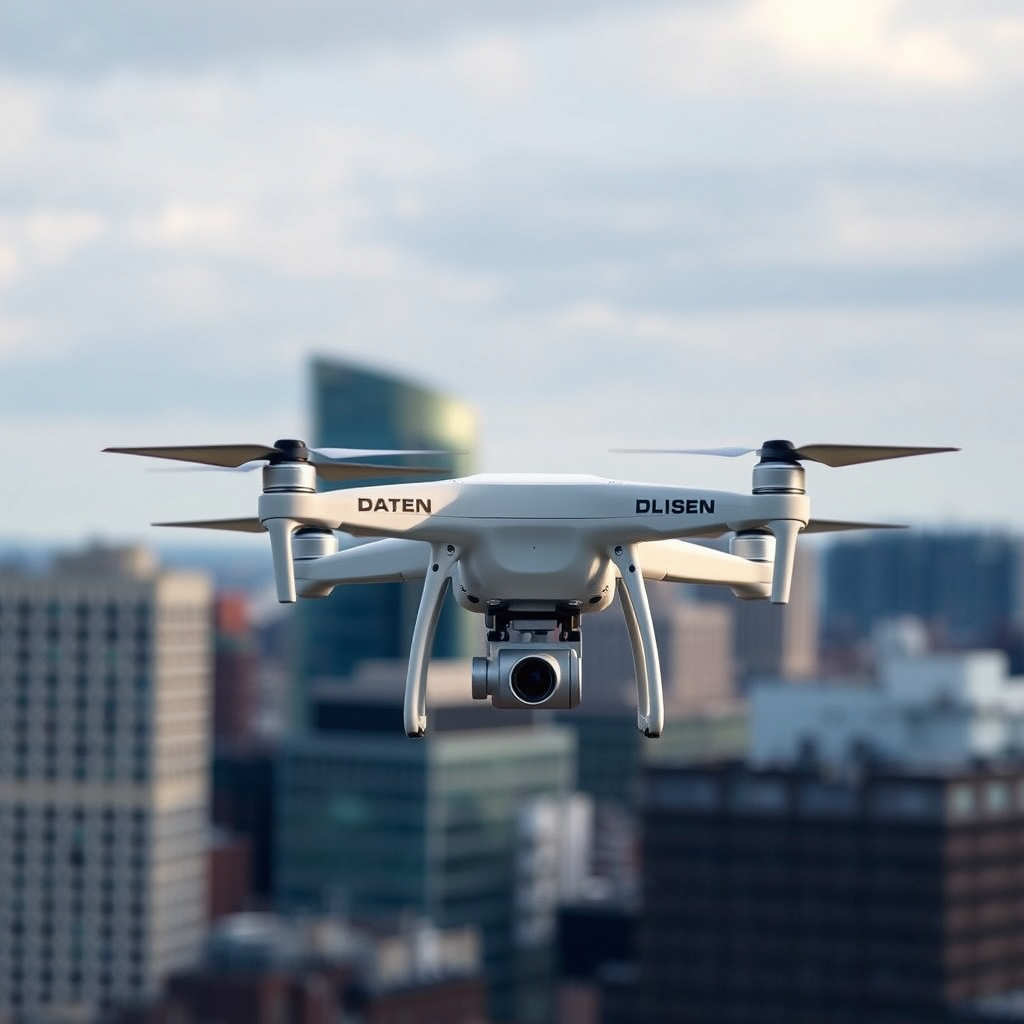
The operation of drones in Boston is primarily governed by the Federal Aviation Administration (FAA), which oversees all airspace within the United States. The FAA has established comprehensive rules that apply to drone operators regardless of their location, including Boston. However, local ordinances may also impose additional restrictions, particularly in densely populated urban environments like Boston. For instance, certain districts may have specific no-fly zones due to safety and privacy concerns, particularly near critical infrastructure or busy public spaces.
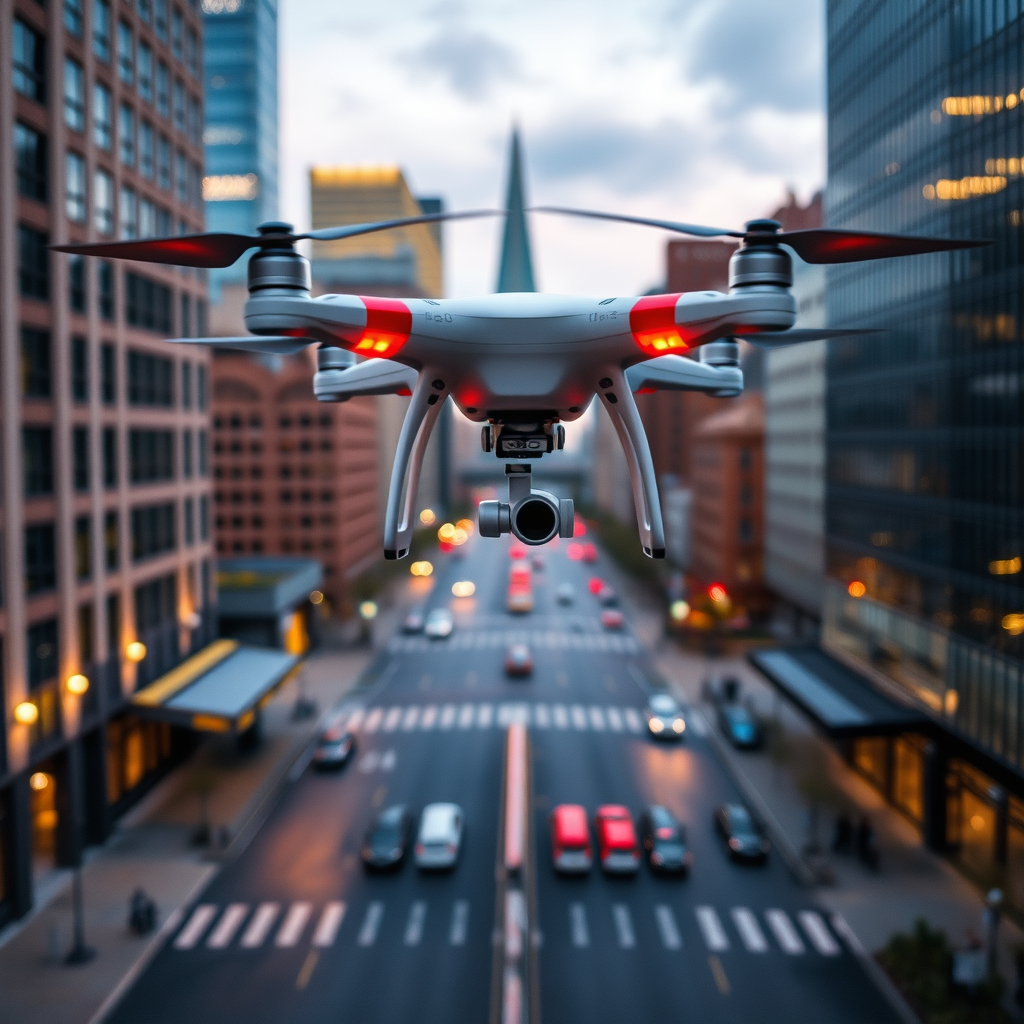
Additionally, it is essential for drone operators to stay informed about any temporary restrictions that may arise due to local events or emergencies. For instance, during major public events like the Boston Marathon or Fourth of July celebrations, law enforcement agencies may implement temporary no-fly zones. Staying abreast of these regulations ensures compliance and fosters responsible flying practices.
FAA Rules for Drone Operation
According to FAA regulations, all drones weighing more than 0.55 pounds must be registered. This registration process is straightforward and can be completed online through the FAA’s website. Registration not only helps maintain accountability among drone users but also ensures that operators are familiar with the rules governing drone use.
Furthermore, pilots must differentiate between recreational and commercial drone use. Recreational flyers are required to adhere to specific guidelines, such as flying below 400 feet, maintaining a visual line of sight with the drone, and avoiding airspace near airports unless authorized. On the other hand, commercial operators must obtain a Remote Pilot Certificate, which involves passing a knowledge test covering various aspects of aviation regulations, airspace classification, and operational safety. This distinction is crucial for anyone looking to use drones for business purposes, such as aerial photography or surveying.
Restricted Areas for Drone Flight
In Boston, several areas are designated as restricted for drone flight. One of the most significant restrictions pertains to the proximity of airports and helipads. Boston Logan International Airport is a major hub, and drones are not permitted to fly within a five-mile radius without prior authorization from the FAA. This restriction is in place to ensure the safety of manned aircraft and avoid potential collisions.
Moreover, certain parks and public spaces within the city, such as the Boston Common and the Public Garden, may have additional regulations restricting drone use. Always check for any posted signs or local regulations regarding drone flights in these areas. Local authorities, like the Boston Parks and Recreation Department, can provide updated information on specific parks that may have designated no-fly zones.
Permits and Permissions
While many areas in Boston allow for drone flying, some locations may require special permits or permissions. For instance, if you intend to operate a drone in a public park for a commercial purpose, you may need to obtain a permit from the city. This process often involves submitting an application detailing your intended use, the location, and a risk management plan.
It is advisable to contact local authorities well in advance of your planned flight to ensure you meet any additional requirements. This proactive approach not only safeguards compliance with local laws but also promotes a positive relationship with the community and local officials.
Safety Tips for Flying Drones
Safety should always be a top priority when flying drones. To ensure a safe flying experience in Boston, operators should maintain a visual line of sight with their drone at all times. This practice not only helps in avoiding obstacles but also ensures compliance with FAA regulations.
Additionally, it is crucial to avoid flying over crowds or private property without obtaining prior permission. Respecting the privacy of individuals and property owners is not only a legal requirement but also a fundamental aspect of responsible drone operation. Furthermore, it is advisable to avoid flying in adverse weather conditions such as high winds, rain, or fog, which can adversely affect drone performance.
Implementing a pre-flight checklist can also enhance safety. This checklist should include verifying the condition of the drone, ensuring the batteries are charged, and checking for any local airspace restrictions using apps such as AirMap or DJI Fly.
Recommended Flying Locations in Boston
For drone enthusiasts looking to explore Boston, several parks and open spaces offer suitable locations for flying. The Charles River Esplanade is a popular spot, providing picturesque views of the city skyline and the river itself. Additionally, Castle Island offers wide-open spaces and scenic coastal views, making it a great option for drone flying.
Community events and drone meet-ups also provide excellent opportunities for networking with fellow enthusiasts while flying in designated safe areas. Engaging with local drone clubs can help new operators learn best practices and gain insights into flying in various conditions.
Whether you are flying for recreation or capturing stunning aerial photographs, choosing the right location can significantly enhance your experience.
In conclusion, flying drones in Boston is indeed possible, but it requires careful consideration of regulations and safety practices. By understanding the FAA rules, local ordinances, and best practices for drone operation, you can enjoy a fulfilling experience while respecting the city’s regulations and the privacy of others. Always stay informed about local laws and flying conditions to ensure a safe and enjoyable drone flying experience in Boston.
Frequently Asked Questions
Can you fly drones in Boston city limits?
Yes, you can fly drones in Boston city limits, but there are specific regulations you must follow. The Federal Aviation Administration (FAA) governs drone operations, requiring pilots to comply with its rules, such as flying below 400 feet and keeping the drone within visual line of sight. Additionally, local ordinances may impose restrictions in certain parks and public spaces, so it’s essential to check local regulations before flying.
What are the drone flying regulations in Boston?
In Boston, drone operators must adhere to both federal and local regulations. The FAA requires registration for drones weighing over 0.55 pounds and mandates that pilots maintain a safe distance from people, vehicles, and buildings. Furthermore, Boston has designated areas where drone flying is prohibited, like near airports and certain parks, so it’s crucial to familiarize yourself with these zones to avoid fines or penalties.
How can I find safe places to fly my drone in Boston?
To find safe places to fly your drone in Boston, you can use resources like the FAA’s B4UFLY app, which offers real-time information about airspace restrictions and safe flying zones. Additionally, consider local parks that allow drone use, such as the Boston Common or the Charles River Esplanade, but always verify local regulations beforehand. Joining local drone clubs or online forums can also provide insights into popular flying spots.
Why are there restrictions on flying drones in Boston?
Restrictions on flying drones in Boston are primarily in place to ensure public safety and to protect privacy. Drones can pose risks to manned aircraft, especially near airports and densely populated areas. Additionally, local laws help safeguard parks and public spaces from potential disturbances caused by drone activity, making it essential for operators to understand and comply with these regulations.
What should I do if I see someone flying a drone illegally in Boston?
If you observe someone flying a drone illegally in Boston, you should first assess the situation to ensure your safety and the safety of others. If the drone is posing a clear danger, you can contact local law enforcement or the Boston Police Department to report the incident. Providing details such as the location, time, and description of the drone can help authorities address the violation effectively.
References
- https://www.faa.gov/uas/getting_started/part_107
- https://www.boston.gov/departments/transportation/drones
- https://www.wbur.org/news/2022/02/18/boston-drone-regulations
- https://www.mass.gov/guides/drones-in-massachusetts
- https://www.nbcnews.com/news/us-news/boston-steps-drone-regulations-rcna104123
- https://www.pbs.org/newshour/nation/boston-pilots-drone-regulations-digital-age
- https://www.wired.com/story/boston-drone-rules/
