
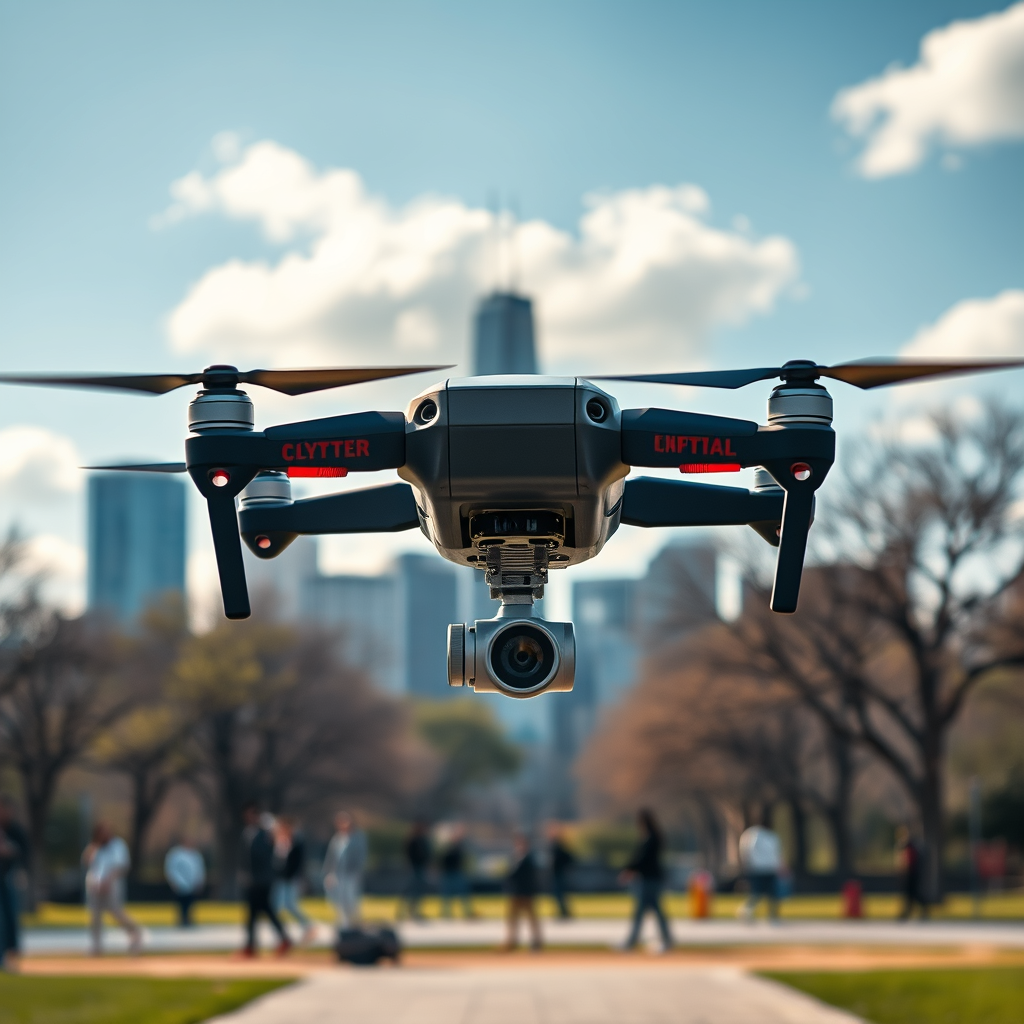
Yes, you can fly drones in some city parks, but it depends on local regulations and park-specific rules. Many urban areas impose restrictions to safeguard public safety and preserve privacy, making it crucial for drone operators to familiarize themselves with the relevant guidelines before taking off. This article will explore the regulations, considerations, and best practices for flying drones in city parks, ensuring a safe and enjoyable experience.
Understanding Local Regulations
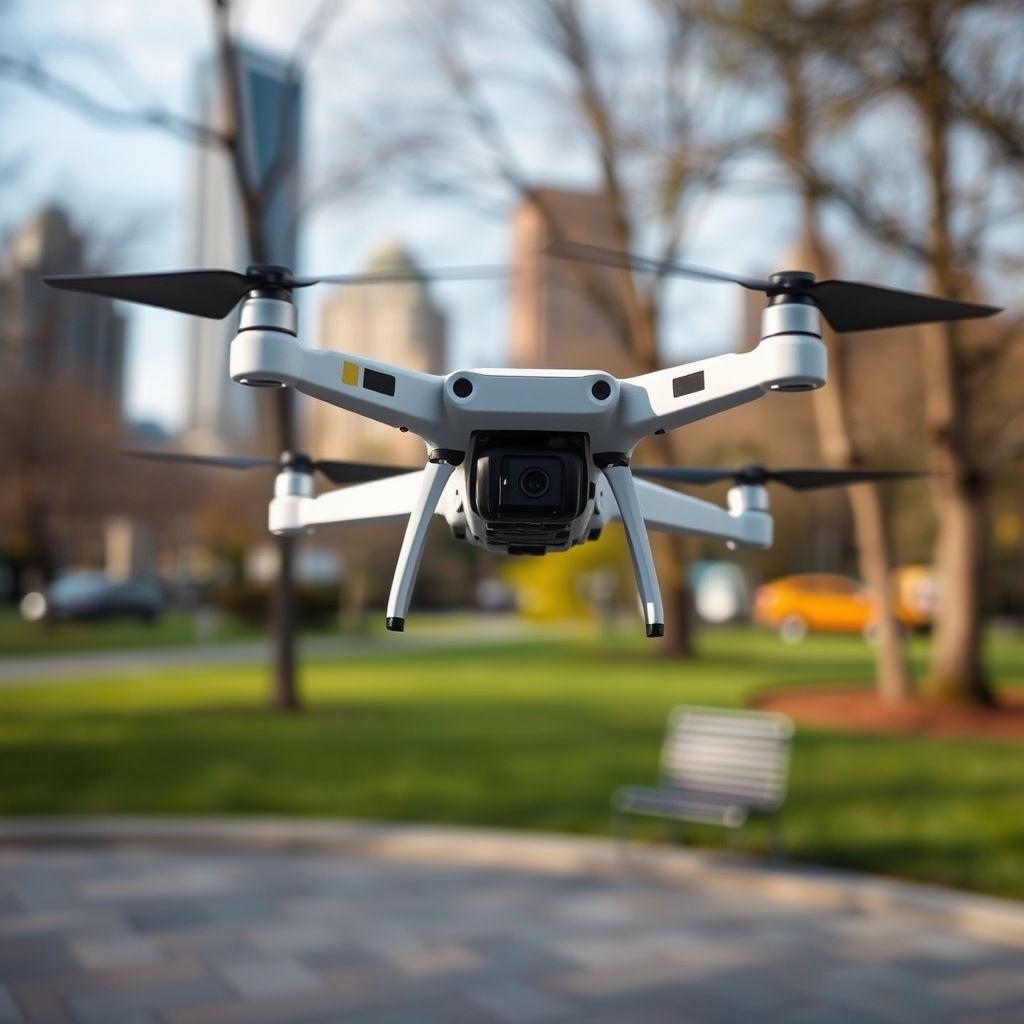
The use of drones in public spaces is governed by a complex web of regulations that vary significantly from one city to another. Many municipalities have enacted specific laws aimed at managing drone operations within their jurisdictions. In the United States, drone operators must adhere to the Federal Aviation Administration (FAA) guidelines, which set the foundational rules for all unmanned aircraft systems. These guidelines include registering drones that weigh more than 0.55 pounds, flying below 400 feet, and maintaining visual line-of-sight with the drone at all times.
In addition to FAA regulations, local ordinances may impose further restrictions. For example, some cities have designated certain areas as “no-fly zones,” which may include parks, schools, and hospitals. Therefore, it is essential to check both federal and local regulations before planning a drone flight. Resources such as local government websites or dedicated drone regulation apps can provide valuable information about specific drone laws in your area.
Park-Specific Rules
While some city parks permit drone flying, many have their own set of rules that operators must follow. These regulations can vary widely; for instance, some parks may require permits for drone use, while others may prohibit it altogether. Always look for signage at the park entrance or within the park itself, as these signs often outline the specific rules regarding drone operation.
If the signage is unclear or you have specific questions, contacting park management can provide clarity. Many parks have dedicated staff who can offer insights into the do’s and don’ts of flying drones in that particular space. It’s also wise to check if the park hosts events or activities that may restrict drone usage, as crowded conditions could pose safety hazards.
Safety Considerations
Safety is paramount when operating drones, especially in public parks where people and wildlife may be present. Operators should maintain a safe distance from other individuals, ensuring that their flying activities do not endanger park visitors. The FAA recommends keeping drones at least 25 feet away from people and avoiding crowded areas altogether.
Moreover, it is crucial to be aware of no-fly zones that may apply to certain parks. For example, flying near schools, hospitals, or emergency response facilities can create significant risks. Understanding the airspace around you is a fundamental aspect of responsible drone flying. Utilizing tools like the FAA’s B4UFLY app can help pilots identify restricted areas and obtain important airspace information.
Privacy Concerns
Respecting the privacy of others is a critical consideration when flying drones in city parks. Operators should avoid flying over private property or capturing images or videos of individuals without their consent. In many jurisdictions, inadvertently photographing someone in a private setting can lead to legal repercussions.
It’s also important to recognize that public spaces do not equate to uninhibited filming rights. While capturing scenic landscapes or public gatherings may be acceptable, drone operators should always be mindful of their surroundings and the potential implications of their recordings. Engaging with park-goers and informing them of your intentions can foster a respectful environment and mitigate privacy concerns.
Responsible Drone Use
Responsible drone use extends beyond merely following regulations; it encompasses ethical flying practices that contribute to a positive community experience. Joining local drone communities or clubs can provide valuable resources, support, and insights from experienced pilots. These groups often share best practices for safe and responsible flying, as well as information on local events and meetups.
Moreover, operators should familiarize themselves with the best practices for drone operation, such as pre-flight checks, battery management, and weather considerations. Using reliable equipment and staying informed about technological advancements can enhance the overall flying experience. Embracing a culture of responsibility not only benefits individual drone operators but also promotes a positive perception of the drone community in public spaces.
Consequences of Violating Rules
Failing to adhere to drone regulations can lead to serious consequences, including fines or confiscation of the drone. Local law enforcement and park rangers are empowered to enforce these regulations, and ignorance is not a valid defense. In some cases, repeated violations can result in the suspension of flying privileges or even legal action.
Educating yourself on the rules is the best way to prevent legal issues and ensure a pleasant flying experience. Many local government websites offer resources and updates regarding drone regulations, while the FAA provides comprehensive guidelines for drone pilots. Keeping informed will not only protect you from potential penalties but also demonstrate respect for the shared public spaces we all enjoy.
In conclusion, while flying drones in city parks can be an exhilarating experience, it is essential to adhere to local regulations and park-specific rules. Always prioritize safety, respect the privacy of others, and engage in responsible drone use to foster a positive relationship with the community. By staying informed and following best practices, drone enthusiasts can enjoy their time in the skies while contributing to a harmonious outdoor environment.
Frequently Asked Questions
Can you fly drones in city parks without permission?
Flying drones in city parks often requires permission, depending on local regulations. Many cities have specific rules regarding drone usage that can include designated no-fly zones, required permits, or restrictions on flight times. It’s essential to check with your local park authority or governing body to understand their specific policies to avoid fines or legal issues.
What are the regulations for flying drones in city parks?
Regulations for flying drones in city parks vary by location but generally include guidelines that align with FAA rules. Common regulations include maintaining a certain distance from people and property, flying at or below 400 feet, and avoiding restricted areas like airports or emergency response sites. Always familiarize yourself with local regulations and any applicable state laws to ensure compliance.
How can I find out if a city park allows drone flying?
To determine if a city park allows drone flying, start by visiting the official website of the city or the park department. Many cities list their drone policies online, detailing any areas where flying is permitted or prohibited. You can also contact park officials directly for the most accurate and updated information.
Why are there restrictions on flying drones in city parks?
There are restrictions on flying drones in city parks primarily for safety and privacy reasons. Drones can pose risks to people, wildlife, and property if not operated responsibly. Additionally, concerns about privacy and noise pollution often lead to regulations that aim to protect the enjoyment of public spaces for all visitors.
What is the best way to prepare for flying a drone in a city park?
The best way to prepare for flying a drone in a city park includes researching local regulations, obtaining necessary permits, and ensuring your drone is registered with the FAA if required. Additionally, familiarize yourself with the park layout, avoid crowded areas, and conduct a pre-flight safety check to ensure your drone is in good working condition. Always prioritize safety and respect for others while flying.
References
- https://www.faa.gov/uas/commercial_operators/
- https://www.nps.gov/subjects/drones/index.htm
- https://www.wired.com/story/drone-regulations-2022/
- https://www.nytimes.com/2021/08/19/us/drone-parks-nyc.html
- https://www.cnet.com/home/smart-home/drone-laws-in-your-state-what-you-need-to-know/
- https://www.aa.com.tr/en/science-technology/what-you-need-to-know-about-flying-drones-in-your-city/2244826
- https://www.reuters.com/technology/drones-are-they-allowed-fly-city-2021-09-30/
