
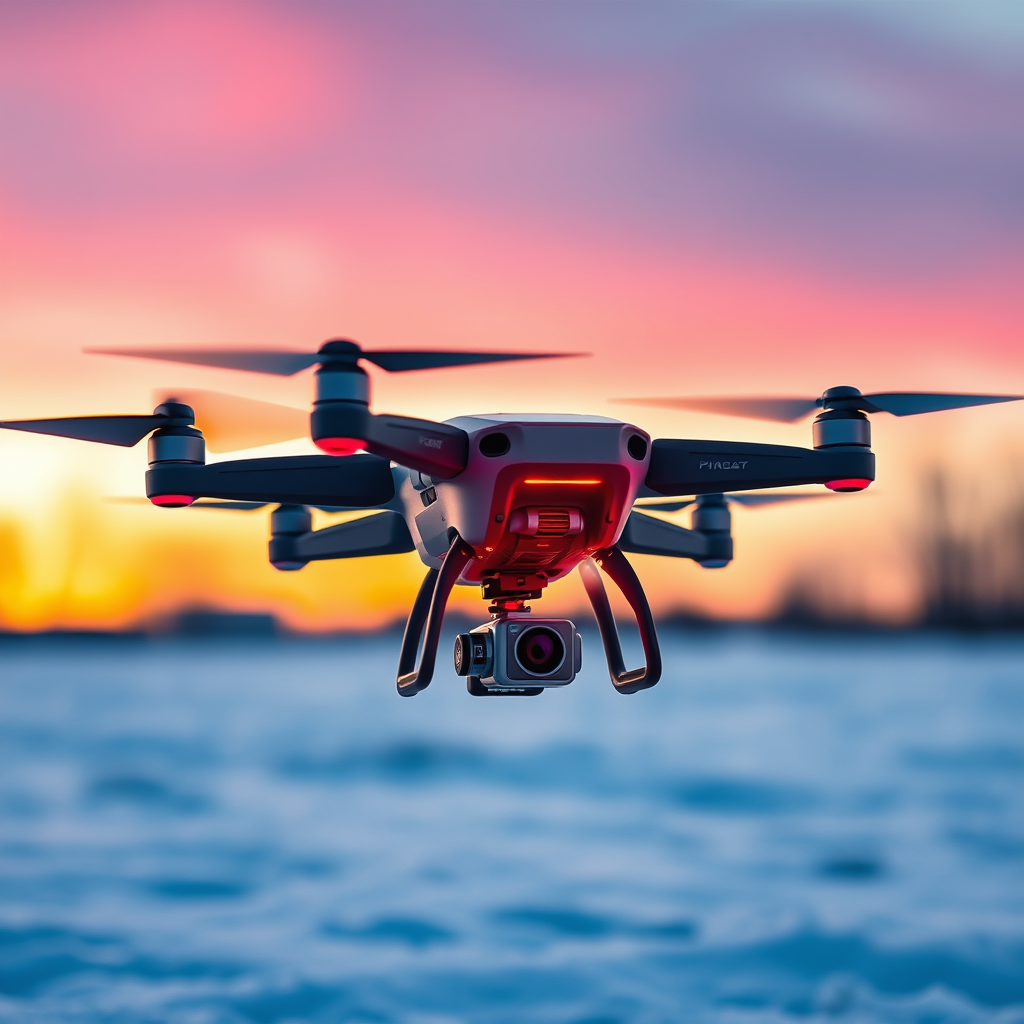
Yes, you can fly drones in cold weather, but it requires careful consideration of several factors to ensure safe and effective operation. Cold temperatures can affect battery performance, drone components, and overall flight safety. Understanding these challenges is crucial for drone enthusiasts and professionals alike, as adverse conditions can compromise not only the drone’s functionality but also the safety of the operator and the surrounding environment.
Understanding Temperature Effects on Drone Batteries
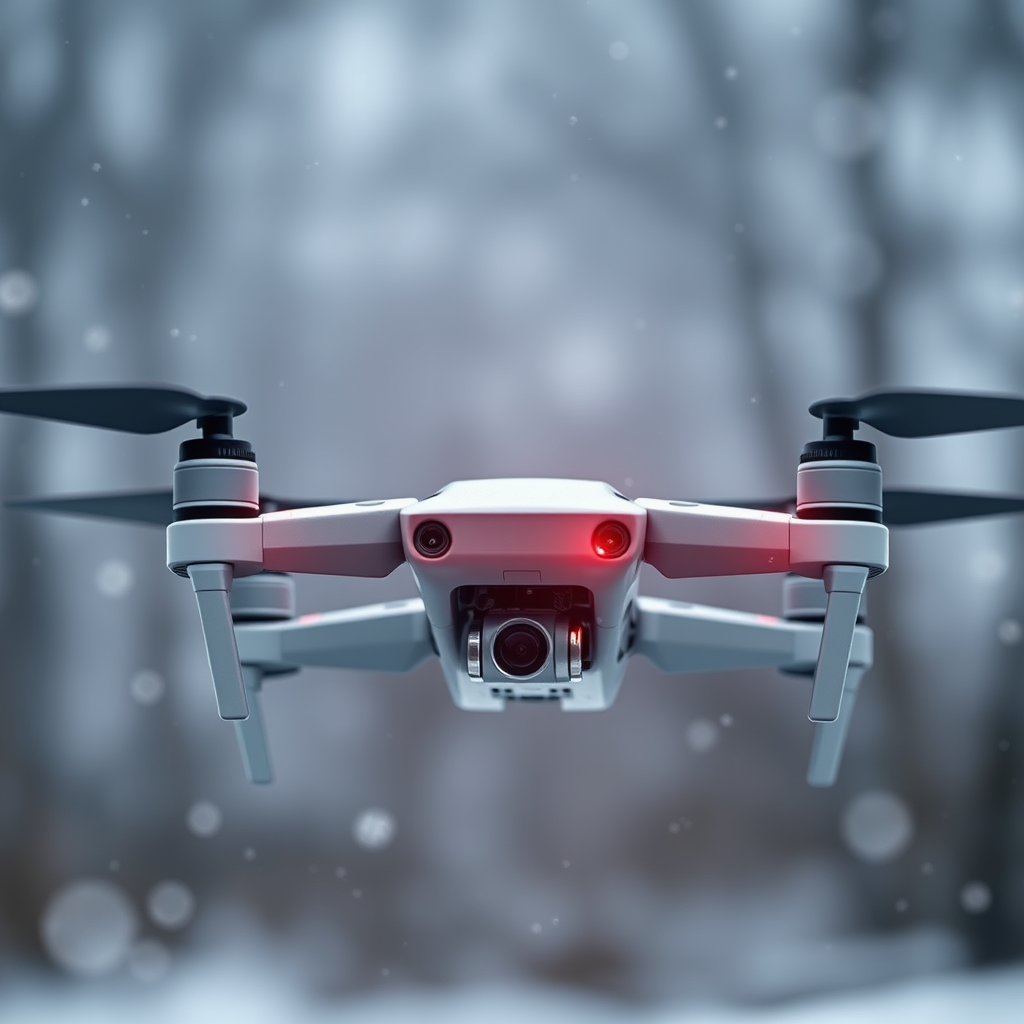
Cold weather can significantly reduce battery life, often by up to 30%. Lithium polymer (LiPo) batteries, commonly used in drones, are particularly sensitive to temperature fluctuations. In lower temperatures, the chemical reactions within the battery slow down, leading to a decrease in voltage and overall power output. This diminished performance can result in shorter flight times, making it essential for drone operators to monitor their battery levels closely.
Moreover, cold temperatures can affect the battery’s ability to deliver consistent power. When the temperature drops, batteries may struggle to maintain their charge, which can lead to unexpected power loss during flight. For instance, a drone that typically achieves a 20-minute flight time in moderate temperatures may only last about 14 minutes in colder conditions. This makes pre-flight battery checks and proper charging techniques paramount for successful cold-weather operations.
Impact on Drone Performance
Drones may experience reduced lift and sluggish response in cold conditions. The physics of flight dictate that cold air is denser than warm air, which can impact lift generation. While this may initially seem advantageous, it can lead to complications, as the drone’s motors have to work harder to overcome the added weight of the denser air. Consequently, operators may notice a decrease in agility and responsiveness, making precise maneuvers more difficult.
Additionally, cold temperatures can lead to slower motor speeds and increased strain on components. As the motors operate less efficiently in colder environments, the potential for overheating increases, particularly if the drone is pushed to its limits. This strain can shorten the lifespan of critical components and lead to mechanical failures. It is advisable to conduct pre-flight checks to ensure all components are functioning optimally and to adjust flight plans accordingly.
Pre-Flight Preparations for Cold Weather
To mitigate the effects of cold weather on drone performance, thorough pre-flight preparations are essential. Firstly, ensure that batteries are fully charged and warmed before flight. Keeping batteries in an insulated pouch or close to your body can help maintain their optimal operating temperature. This practice not only preserves battery life but also enhances power delivery during flight.
Additionally, check the drone for ice or snow accumulation that could affect aerodynamics. Any buildup on propellers or the drone’s body can lead to unbalanced flight or increased drag, which can compromise control. A simple visual inspection should suffice, but operators should also consider using a soft brush or cloth to remove any ice or snow before takeoff.
Recommended Operating Guidelines
Given the challenges posed by cold weather, operators should adhere to recommended operating guidelines to ensure safety and performance. Limiting flight time is crucial to preventing battery failure due to cold. Setting a conservative flight duration, particularly in extreme temperatures, allows for a margin of safety and prevents mid-flight power loss.
Moreover, avoiding flights in extreme cold (below 32°F or 0°C) when possible is advisable. While many drones are rated for cold weather, extreme conditions can exacerbate existing issues and lead to unforeseen complications. If flying in chilly weather is unavoidable, consider flying during the warmest part of the day and keeping flights brief.
Maintenance Tips for Cold Weather Use
Regularly inspecting and maintaining your drone is vital for preventing issues related to cold exposure. After each flight in cold weather, operators should check for any signs of damage or wear, particularly on batteries and motors. This proactive approach helps identify potential problems before they escalate into more significant issues.
Additionally, storing your drone and batteries in a warm, insulated environment when not in use is crucial. Avoid leaving your drone in a cold car or exposed to the elements, as this can lead to moisture buildup and battery degradation. A temperature-controlled environment will help extend the lifespan of your equipment and ensure reliability when you need it most.
Safety Precautions While Flying in the Cold
Safety should always be the top priority when flying in cold weather. Be aware of potential hazards such as ice on surfaces and wind chill effects, which can impact both the drone’s performance and the operator’s safety. Prior to flying, assess the environment for any risks, including icy landing zones or strong winds that may complicate maneuvers.
Additionally, monitoring battery levels closely during flight is essential. Operators should be prepared to land immediately if they notice any performance drops or if battery levels approach critical limits. Having a clear plan for emergency landings and maintaining awareness of your surroundings can prevent accidents and ensure a safe flying experience.
In conclusion, while flying drones in cold weather is possible, it comes with challenges that require preparation and caution. Operators must understand the effects of low temperatures on battery performance and drone functionality. By following recommended guidelines, conducting thorough pre-flight checks, and prioritizing safety, drone enthusiasts can enjoy successful flights even in chilly conditions. Always stay informed and prepared to ensure that your cold-weather drone operations are both safe and enjoyable.
Frequently Asked Questions
Can you fly drones in cold weather?
Yes, you can fly drones in cold weather, but it’s important to be aware of the potential impacts on drone performance and battery life. Cold temperatures can reduce battery efficiency, leading to shorter flight times and increased risk of drone malfunctions. Always check the manufacturer’s guidelines for operating temperature limits and consider using a battery warmer to mitigate these effects.
How does cold weather affect drone batteries?
Cold weather can significantly affect drone batteries, particularly lithium polymer (LiPo) batteries, which are commonly used in drones. When exposed to low temperatures, the chemical reactions inside the battery slow down, resulting in reduced capacity and power output. To maximize performance in cold conditions, keep batteries warm before flight and avoid letting them get too cold during operation.
What precautions should I take when flying my drone in winter conditions?
When flying your drone in winter conditions, it’s essential to take several precautions. First, check the weather forecast for high winds, snow, or rain that might interfere with flight. Additionally, inspect your drone for ice buildup, which can affect aerodynamics. Finally, monitor battery levels closely, as the cold can lead to faster depletion, and always have a backup battery ready for extended flights.
Why is it important to avoid flying drones in extreme cold?
Avoiding drone flights in extreme cold is crucial because low temperatures can lead to battery failure, reduced maneuverability, and potential damage to sensitive electronic components. Cold weather can also cause condensation to form inside the drone when transitioning to warmer environments, increasing the risk of internal damage. To ensure safe and effective operation, it’s best to adhere to recommended temperature ranges for your specific drone model.
Which drones perform best in cold weather conditions?
Drones designed for cold weather conditions typically have features such as improved battery insulation, ruggedized components, and enhanced stability controls. Models like the DJI Mavic 2 Enterprise and the Autel Robotics EVO Lite+ are known for their reliable performance in colder climates due to their advanced technology and robust build quality. Always consult user reviews and specifications to find a drone that suits your cold weather flying needs.
References
- https://www.faa.gov/uas/getting_started/part_107/
- https://www.dronepilotgroundschool.com/drone-flying-in-cold-weather/
- https://www.nasa.gov/centers/armstrong/news/FactSheets/FS-106.html
- https://www.weather.gov/media/owlie/ColdWeatherFlying.pdf
- https://www.abc.net.au/news/science/2021-07-01/drones-cold-weather-flying-tips/100211962
- https://www.uwyo.edu/uw/news/2021/12/flying-drones-in-cold-weather.html
