

Yes, you can fly drones in Cuba, but there are specific regulations and restrictions that you need to follow. Understanding these rules is crucial for ensuring a smooth and legal flying experience while enjoying the stunning landscapes that Cuba has to offer. As drone technology continues to evolve, many travelers are eager to capture the vibrant culture and breathtaking scenery through aerial photography. However, navigating the legal landscape can be challenging. This guide will provide you with the essential information to fly drones in Cuba safely and legally.
Understanding Cuban Drone Regulations
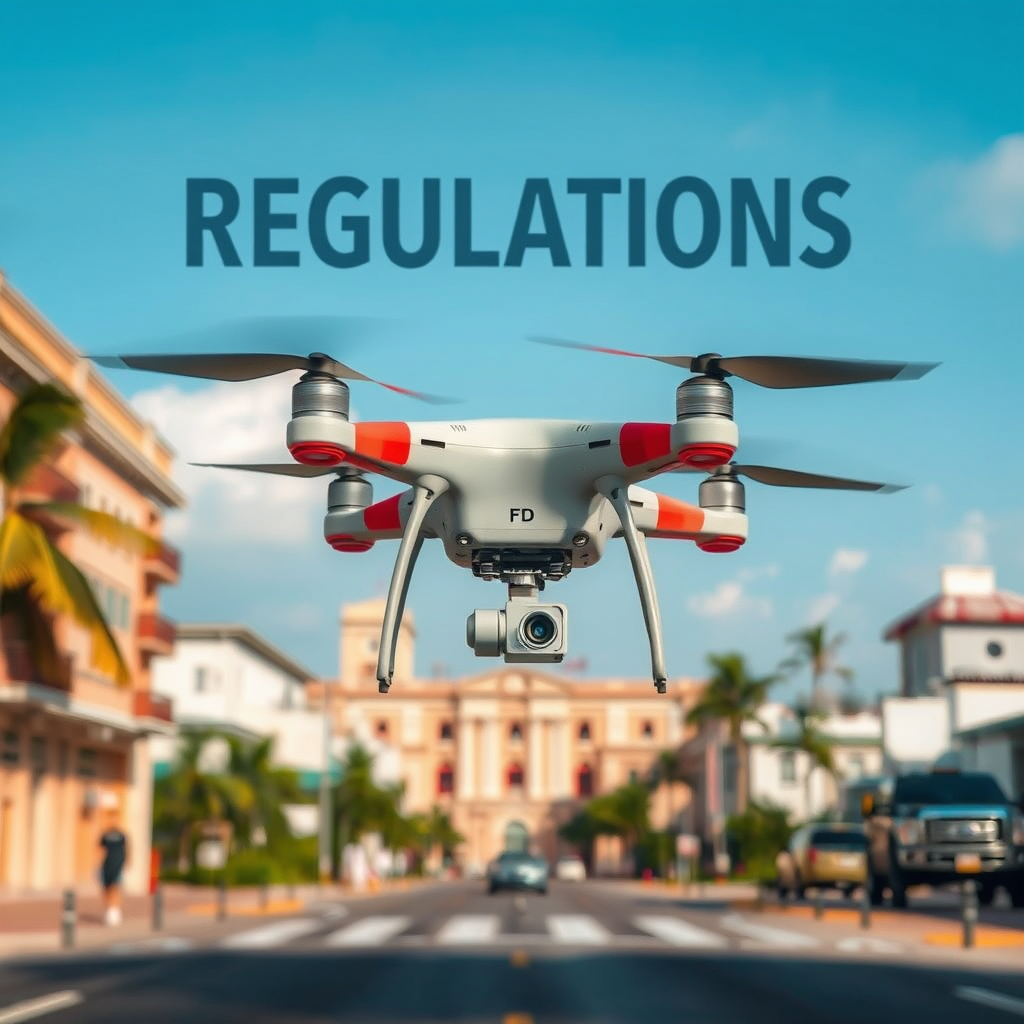
In Cuba, drones are officially classified as “aerial vehicles,” placing them under the jurisdiction of aviation regulations. Consequently, you are required to obtain permission before operating a drone within the country’s airspace. The primary authority overseeing drone operations is the Institute of Civil Aeronautics of Cuba (IACC), which sets forth a series of stringent regulations designed to ensure the safety of air navigation and protect the privacy of citizens.
Foreigners wishing to fly drones must adhere to these regulations, which include submitting detailed applications for permission. The process can be cumbersome, but understanding the framework of Cuban drone regulations is critical for compliance. It is advisable to familiarize yourself with these rules well in advance of your trip to avoid any last-minute complications.
Required Permits for Drone Flight
Obtaining the necessary permits to fly a drone in Cuba can be a time-consuming process, particularly for foreign nationals. The application procedure generally requires several weeks, so it is vital to plan accordingly. Here’s what you typically need:
1. Application Form: A formal request to the IACC specifying your intention to fly a drone.
2. Flight Plan: A comprehensive flight plan detailing where you intend to fly, the purpose of your flight, and how long you expect to be airborne.
3. Insurance Documentation: Proof of insurance that covers potential damages caused by your drone during its operation.
These documents must be presented in Spanish, which may require translation services. Engaging with a local drone operator or legal expert familiar with Cuban regulations can expedite the process and ensure compliance with all legal requirements.
Restricted Areas for Drone Use
Cuba has designated several restricted areas where drone usage is strictly prohibited. Understanding these zones is crucial for avoiding legal trouble. Key locations include:
– Government Buildings: Flying drones near or over government facilities is forbidden to protect sensitive information and national security.
– Military Zones: Similar to many countries, military installations are off-limits to prevent unauthorized surveillance or interference.
– Airports: No-fly zones typically extend several kilometers around airports to ensure the safety of manned aircraft.
– Natural Reserves and Cultural Sites: Certain ecological areas and historical landmarks may also have restrictions to preserve their integrity and safeguard wildlife.
Always consult local regulations or authorities to confirm the current status of restricted areas, as these can change over time.
Drone Size and Weight Restrictions
Cuba has specific regulations regarding drone size and weight, which dictate the type of permits required. Drones weighing over 2 kilograms (approximately 4.4 pounds) necessitate additional permits and may face stricter scrutiny during the approval process. If you are traveling with a larger drone, it is advisable to plan your application well in advance and ensure you have all the necessary documentation in order.
For travelers who wish to simplify their flying experience, opting for smaller drones is recommended. Drones under 2 kilograms generally face fewer restrictions and can be easier to operate without extensive bureaucratic hurdles. However, regardless of the drone’s weight, all operators must comply with the overarching regulations set forth by the IACC.
Local Considerations and Etiquette
Respecting local customs and property is paramount when flying a drone in Cuba. Engaging with local communities fosters goodwill and can lead to a more rewarding experience. Here are some best practices to consider:
– Seek Permission: Always ask for permission before flying over private land. Many Cubans are welcoming, but it is crucial to respect their privacy and property rights.
– Be Mindful of Cultural Sensitivities: Certain areas may have cultural significance, and it is important to approach these locations with respect. Photography and drone usage should be conducted thoughtfully to avoid offending local customs or practices.
– Engage with Locals: Take the time to interact with the community. Not only does this promote goodwill, but locals may also provide valuable insights into the best places to fly and capture stunning visuals.
By adhering to local etiquette, drone pilots can enhance their experience while contributing positively to the communities they visit.
Alternatives to Flying Drones
While capturing aerial footage can be exhilarating, it is not the only way to document your travels in Cuba. If navigating the complexities of drone regulations seems daunting, consider the following alternatives:
– Handheld Photography: With advancements in camera technology, high-quality photography can be achieved without the need for a drone. Professional-grade cameras and smartphones can capture stunning images from ground level.
– Hire Local Professionals: Engaging with local photographers or videographers who are familiar with drone regulations can provide you with the opportunity to capture aerial shots legally. Many local professionals are equipped with the necessary permits, enabling you to enjoy the benefits of drone photography without the hassle.
– Explore Other Aerial Perspectives: Consider exploring options such as hot air balloon rides or helicopter tours, which can offer breathtaking aerial views of Cuba’s landscapes without the regulatory burdens of drone flight.
Ultimately, these alternatives can enrich your travel experience while maintaining compliance with local laws.
In summary, while flying drones in Cuba is possible, it requires careful planning and adherence to local laws and regulations. Ensure you have the necessary permits, remain respectful of the environment and communities, and consider alternatives if navigating the complexities of drone flight proves too challenging. By doing so, you can enjoy a hassle-free experience while capturing the beauty and vibrancy of Cuba.
Frequently Asked Questions
Can you legally fly drones in Cuba?
Yes, you can fly drones in Cuba, but it is subject to strict regulations. Foreigners are required to obtain a special permit from the Cuban government before flying a drone. This process involves submitting an application that includes your drone’s specifications, planned flight area, and purpose of use, so it’s essential to plan ahead and understand the legal requirements to avoid potential fines or confiscation.
What are the requirements for flying a drone in Cuba?
To legally operate a drone in Cuba, you must secure a permit from the Cuban Civil Aviation Institute (ICCA). The requirements typically include providing your personal information, a description of your drone, and details about your intended flight. Additionally, it is crucial to have valid insurance coverage for your drone, as this is often a prerequisite for obtaining the necessary permit.
Why is flying drones in Cuba regulated?
Flying drones in Cuba is heavily regulated due to national security concerns and the protection of privacy. The Cuban government implements these restrictions to monitor airspace more effectively and prevent unauthorized surveillance or activities that may threaten public safety. Understanding these regulations can help you navigate drone usage in Cuba responsibly and legally.
What are the best practices for flying drones in Cuba?
When flying drones in Cuba, it is essential to respect local laws and regulations by ensuring you have all necessary permits and approvals. Additionally, familiarize yourself with local airspace restrictions, avoid flying near government buildings or military areas, and always maintain visual line-of-sight with your drone. Following these best practices will help ensure a safe and successful drone-flying experience in Cuba.
Which drones are allowed to be flown in Cuba?
While there are no specific models banned outright in Cuba, all drones flown by foreigners must comply with the regulations set forth by the Cuban government. Generally, consumer drones that are lightweight and equipped with safety features are preferred. However, it is crucial to check with the ICCA or local authorities for any updates on approved drone models and specifications before your trip.
References
- https://en.wikipedia.org/wiki/Drone_laws_by_country#Cuba
- https://www.state.gov/cuba/
- https://www.reuters.com/technology/what-drones-are-being-used-for-cuba-2021-07-20/
- https://www.bbc.com/news/world-latin-america-58912419
- https://www.cnbc.com/2021/09/30/cuba-issues-its-first-drone-permit.html
- https://www.nytimes.com/2021/10/01/world/americas/cuba-drone-permits.html
- https://www.faa.gov/uas/resources/publications/
- https://www.cubanet.org/en/news/what-you-need-to-know-about-drones-in-cuba/
