
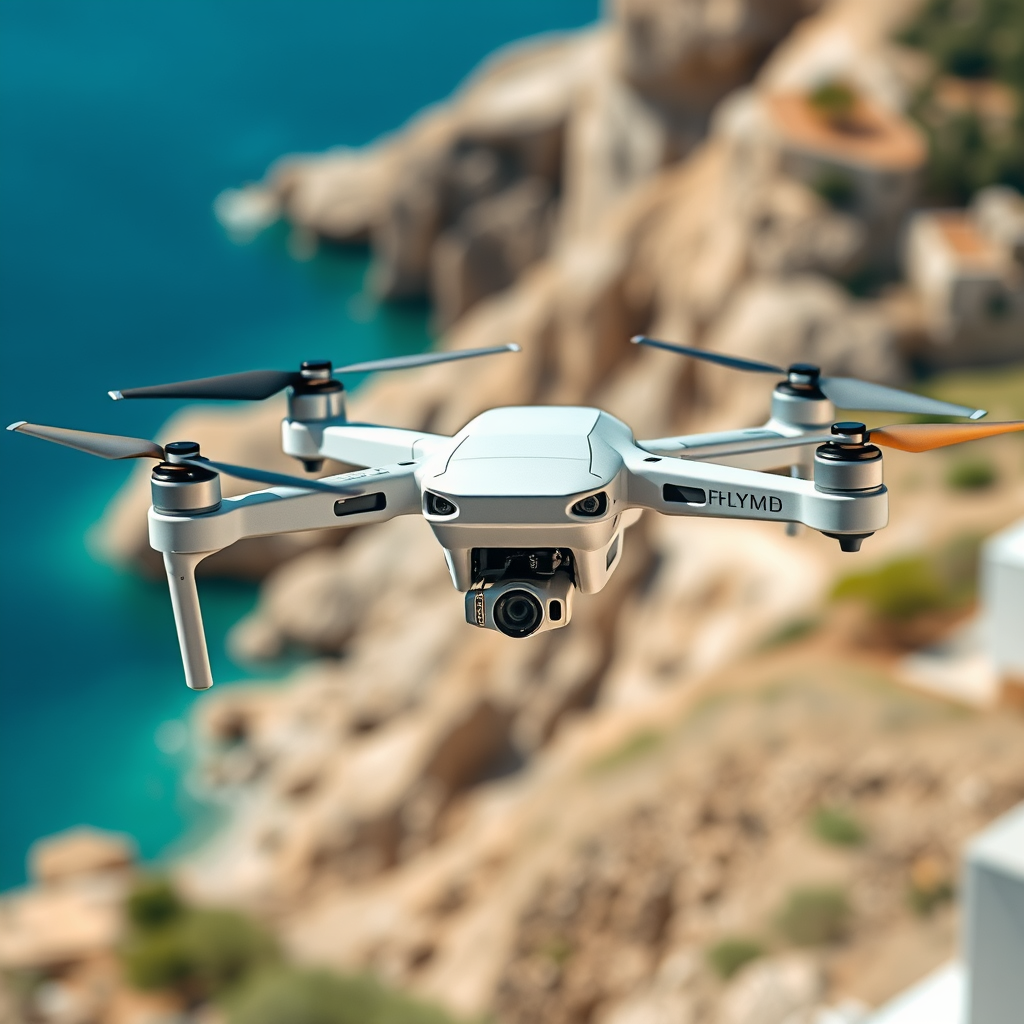
Yes, you can fly drones in Greece, but there are specific regulations and guidelines you must follow to ensure compliance with local laws. Understanding these rules is crucial for both recreational and commercial drone use. As drone technology continues to evolve and gain popularity, Greece has established a framework that aligns with European Union regulations, making it essential for operators to familiarize themselves with the legal landscape before taking to the skies.
Overview of Drone Regulations in Greece
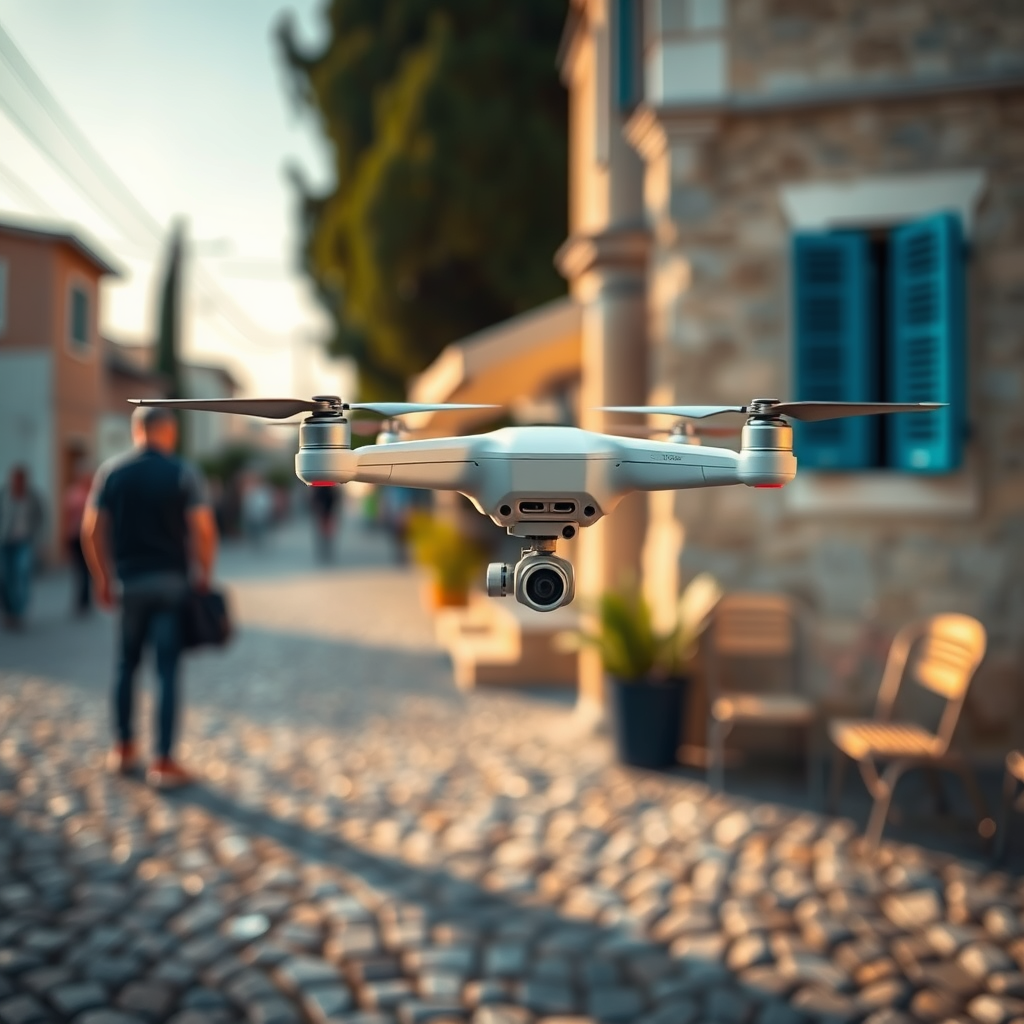
Greece adheres to the European Union’s comprehensive regulatory framework for drone operations, primarily governed by the European Union Aviation Safety Agency (EASA). This alignment means that drone operators in Greece must comply with EU regulations, which have been designed to ensure safety and efficiency in the airspace. For instance, drones weighing more than 250 grams must be registered with the Hellenic Civil Aviation Authority (HCAA). This registration process is crucial for maintaining accountability and ensuring that operators adhere to safety standards.
Moreover, operators must categorize their drone use into three different classes: Open, Specific, and Certified, depending on the weight, intended use, and the level of risk associated with the operation. Each category has distinct rules regarding operational limitations, training requirements, and necessary equipment. By understanding these categories and their implications, drone pilots can navigate the regulatory landscape more effectively.
Types of Drone Operations Allowed
In Greece, drone operations are generally categorized into recreational and commercial use, each with its own set of rules. Recreational flying is permitted; however, it should be conducted responsibly and within the confines of the law. Enthusiasts can enjoy flying drones in various scenic locations, but they must ensure they do not infringe upon privacy rights or violate any local regulations.
On the other hand, commercial drone use is more stringent. Operators wishing to utilize drones for commercial purposes, such as photography, surveying, or delivery services, must obtain special permissions from the HCAA. This often involves demonstrating a higher level of competency through training and obtaining a valid drone pilot license. Commercial operators are also required to adhere to stricter operational guidelines, including maintaining specific distances from people, structures, and vehicles to ensure safety.
No-Fly Zones to Be Aware Of
It is imperative for drone operators in Greece to be aware of no-fly zones, which are designated areas where drone flights are prohibited or restricted. Major cities like Athens and Thessaloniki have stringent regulations to ensure public safety and privacy. Airports and military zones are also off-limits, as flying drones in these areas can pose significant risks to manned aircraft and national security.
Additionally, natural reserves and archaeological sites may have specific limitations to protect the environment and preserve cultural heritage. For example, flying a drone over the Acropolis in Athens or the ancient ruins of Delphi is prohibited due to the potential for disturbance and damage. Operators are advised to consult local regulations and maps, which can provide insight into these restricted areas and ensure compliance.
Necessary Documentation and Registration
Before flying a drone in Greece, operators must ensure they have the correct documentation and registration in place. As mentioned earlier, drones that exceed 250 grams must be registered with the HCAA. This registration process involves providing details about the drone, including its specifications and the operator’s information.
In addition to registration, certain drone operations require operators to hold a valid drone pilot license. This license can be obtained through accredited training programs that cover essential topics such as airspace regulations, safety procedures, and emergency protocols. By obtaining the necessary documentation and training, operators not only comply with regulations but also enhance their skills and knowledge, ultimately contributing to safer drone operations.
Safety Guidelines to Follow
Safety is paramount when flying drones, and Greece has established several guidelines to ensure the well-being of operators and the public. One of the primary rules is to maintain a visual line of sight while flying. This means operators should always be able to see their drone without the aid of binoculars or other devices. By maintaining visual contact, operators can respond quickly to any potential hazards or changes in the environment.
Additionally, drone pilots should avoid flying over crowds or private property without obtaining explicit permission. This not only respects the rights of individuals but also minimizes the risk of accidents or incidents that could lead to injury or property damage. Other safety guidelines include flying at a maximum altitude of 120 meters (approximately 394 feet) and avoiding flying in adverse weather conditions, such as high winds or heavy rainfall, which can affect the drone’s performance and stability.
Local Resources and Communities
For those looking to enhance their drone flying experience in Greece, local resources and communities can be invaluable. Joining local drone clubs or associations provides opportunities for networking, sharing experiences, and gaining insights into the latest regulations and best practices. These organizations often host events, workshops, and training sessions that can further develop an operator’s skills.
Online forums and social media groups are also excellent platforms for connecting with fellow drone enthusiasts. They can serve as a source of real-time updates regarding any changes in regulations, as well as tips and tricks for flying in specific locations. Engaging with these communities not only fosters camaraderie but also promotes responsible flying practices.
In conclusion, while it is possible to fly drones in Greece, adhering to the established regulations is essential for a safe and enjoyable experience. Operators must be aware of the various types of drone operations, comply with no-fly zones, and possess the necessary documentation and safety knowledge. By staying informed about local laws and actively participating in drone communities, pilots can enhance their flying experience while contributing to the responsible use of this technology.
Frequently Asked Questions
What are the regulations for flying drones in Greece?
In Greece, drone pilots must adhere to specific regulations set forth by the European Union Aviation Safety Agency (EASA) and the Greek Civil Aviation Authority (GCAA). Drones weighing over 250 grams must be registered, and pilots need to obtain a drone license if flying in the “specific” category. Additionally, drone operators should maintain a safe distance from people, vehicles, and buildings, and avoid flying in controlled airspace without prior permission.
How can I legally fly a drone in Greece?
To legally fly a drone in Greece, you must first register your drone if it weighs more than 250 grams and obtain the appropriate license if necessary. You should familiarize yourself with local airspace restrictions and no-fly zones, especially around airports, military areas, and populated regions. It is also advisable to check local laws and seek permission from property owners if you plan to fly over private land.
Why do I need a drone license to fly in Greece?
A drone license is required in Greece to ensure that operators have the necessary knowledge and skills to fly safely and responsibly. The licensing process includes understanding air traffic regulations, safety protocols, and proper drone operation techniques. This requirement helps minimize risks to people, property, and the environment, promoting safe drone use in the country.
What are the best places to fly drones in Greece?
Greece offers many stunning locations for drone flying, including the picturesque islands of Santorini and Mykonos, as well as the ancient ruins of Delphi and the breathtaking landscapes of Meteora. However, it’s essential to check local regulations and obtain any necessary permissions before flying, especially in tourist-heavy areas or near historical sites. Always prioritize safety and respect privacy when capturing aerial footage.
Which types of drones are permitted for recreational use in Greece?
In Greece, recreational drone users can operate drones that comply with EASA regulations, typically weighing under 25 kg and operating within visual line-of-sight. Drones equipped with cameras can be flown for personal enjoyment, but users must still adhere to the rules, including not flying over crowds or sensitive areas. Checking local guidelines and using drones responsibly ensures a safe and enjoyable experience.
References
- https://www.caa.gr/en/air-traffic/drones
- https://www.eurocontrol.int/sites/default/files/publication/files/eurocontrol-drone-operations-in-europe.pdf
- https://www.nato.int/cps/en/natolive/topics_150202.htm
- https://www.drones.gouv.gr/
- https://www.faa.gov/uas/where_to_fly/
- https://www.law.gouv.gr/
- https://www.kathimerini.gr/society/1073323/drone-regulations-in-greece/
- https://www.reuters.com/article/us-greece-drones-idUSKBN2A40RZ
