
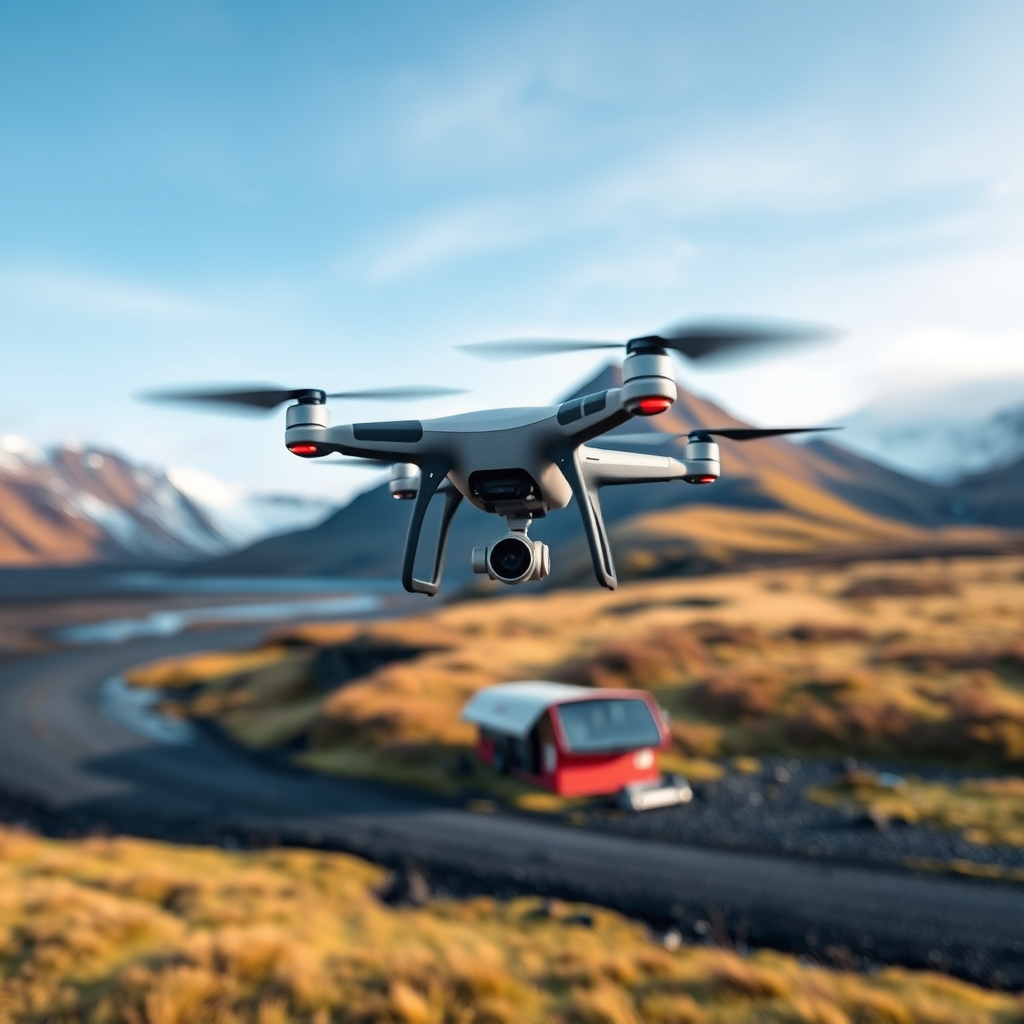
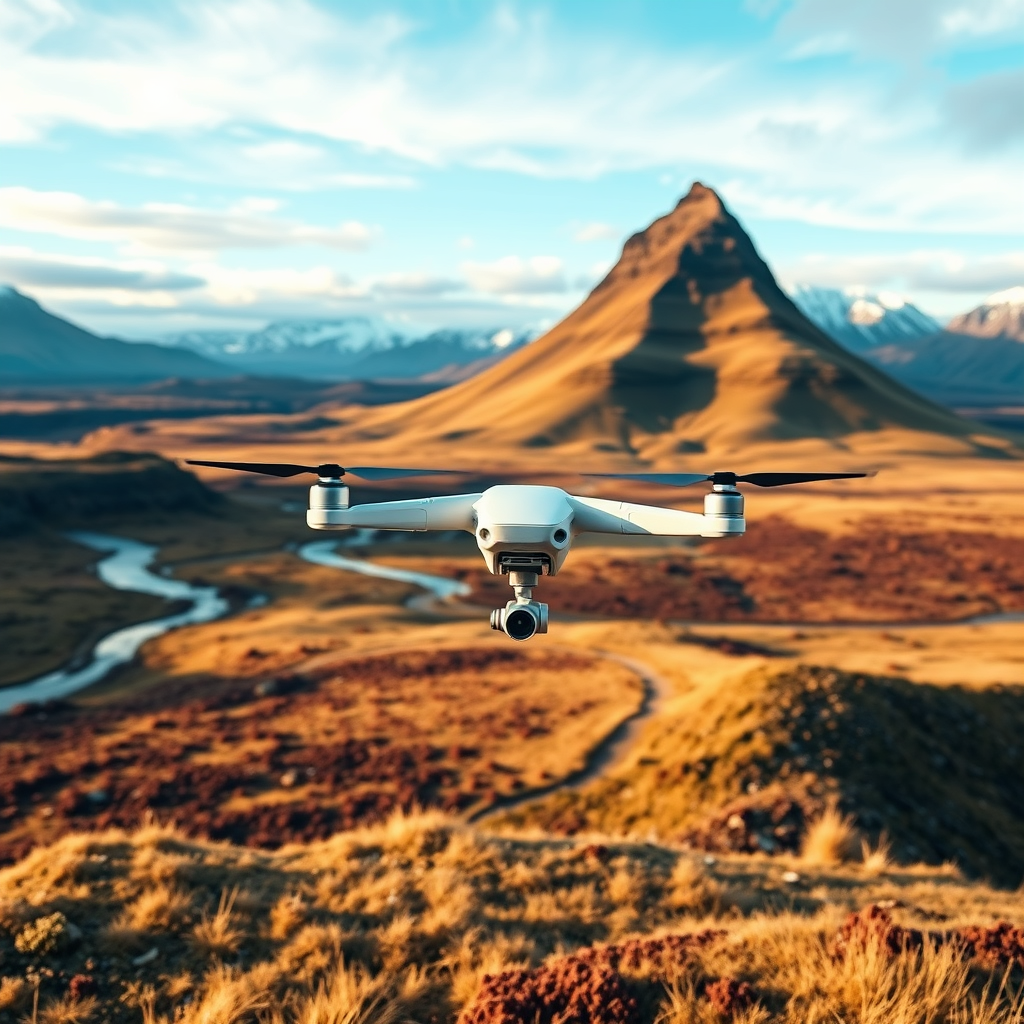
Yes, you can fly drones in Iceland, but there are specific regulations and guidelines to follow. As a stunning destination known for its breathtaking landscapes, flying drones can enhance your experience, provided you adhere to the legal framework in place. The allure of Iceland’s natural beauty—from its dramatic fjords to its majestic waterfalls—makes it a prime location for aerial photography and videography. However, to capture these stunning vistas responsibly, it is crucial to understand the local regulations governing drone use and to operate within those parameters.
Understanding Iceland’s Drone Regulations

Iceland’s Directorate of Civil Aviation (DCA) is the authority that regulates the use of drones to ensure safety in both populated and unpopulated areas. Under Icelandic law, all drones weighing over 250 grams must be registered with the DCA. This registration process helps maintain a record of drone operators and ensures compliance with safety measures. The registration is relatively straightforward, requiring basic information about the drone and the operator. Additionally, drone pilots must adhere to the European Union Aviation Safety Agency (EASA) regulations, which govern the operation of unmanned aerial vehicles across Europe.
Understanding these regulations is vital for safe drone operation. It is important to note that violations can result in fines or the confiscation of the drone. For example, flying a drone without registration in a restricted area may lead to significant penalties. Therefore, potential drone operators should familiarize themselves with both local and EU regulations before embarking on their aerial adventures in Iceland.
Where You Can Fly Drones
While Iceland offers numerous breathtaking locations for drone flights, certain restrictions apply, particularly in sensitive areas. Popular locations such as Þingvellir National Park, the Golden Circle, and Skógafoss waterfall are often sought after for drone photography. However, drone pilots need to be aware that many national parks and protected areas have specific prohibitions on drone use to minimize disturbances to wildlife and natural ecosystems.
Flying near airports is also heavily restricted. The capital city, Reykjavík, is served by the Keflavík International Airport, and drone pilots must maintain a safe distance from such facilities to avoid interfering with manned aircraft operations. Moreover, populated areas should be avoided to respect individuals’ privacy and safety. By adhering to these guidelines, drone pilots can contribute to a safer flying environment while enjoying Iceland’s stunning scenery.
Key Drone Laws to Follow
To ensure the safe operation of drones in Iceland, there are several key laws that operators must follow. First and foremost, maintaining a visual line of sight with the drone at all times is essential. This means that pilots should be able to see their drone without the aid of visual enhancement devices, ensuring they can respond quickly to any potential hazards.
Additionally, drone operators must not fly above an altitude of 120 meters (394 feet). This altitude restriction is designed to prevent interference with manned aircraft and to minimize the risk of accidents. Respecting this limit is critical for both the safety of the drone operator and other airspace users.
Furthermore, drone pilots are encouraged to familiarize themselves with the concept of ‘no-fly zones,’ which are areas where drone operations are strictly prohibited. These zones are often established around emergency services, military bases, and national security sites. By understanding these laws and regulations, drone pilots can operate their devices lawfully and responsibly in Iceland.
Special Considerations for National Parks
Iceland is home to numerous national parks, each offering unique landscapes and ecosystems. However, flying drones in these areas requires special consideration and often prior permission. Places like Vatnajökull National Park and Snæfellsjökull National Park are particularly sensitive due to their rich biodiversity and geological features. To fly a drone in these areas, operators typically need to apply for a permit from the park authorities.
Respecting wildlife is also paramount when choosing flight paths in national parks. Many species, including nesting birds and migratory animals, can be easily disturbed by drone activity. Operators should always be mindful of their impact on the environment and prioritize the preservation of natural habitats. By doing so, drone pilots can help protect Iceland’s remarkable ecosystems while enjoying the breathtaking views from above.
Insurance and Liability
When flying drones in Iceland, it is advisable to consider obtaining liability insurance. This type of insurance can cover potential damages resulting from drone accidents, including property damage or personal injury. Although not a legal requirement, having insurance can provide peace of mind and financial protection for drone operators.
Familiarizing oneself with local laws regarding drone accidents and responsibilities is also crucial. In the event of an incident, drone operators may be held liable for any damages caused. Understanding the legal framework surrounding liability can help pilots navigate unforeseen circumstances, ensuring they are prepared to address potential issues responsibly.
Drone Equipment and Safety Tips
Investing in high-quality drone equipment is essential for a smooth flying experience. Drones equipped with GPS and emergency landing features can significantly enhance safety during flights. These features help maintain stability and provide an automated response in case of unexpected issues, such as low battery levels or loss of signal.
Before flying, it is crucial to check weather conditions, as Iceland’s weather can change rapidly and unpredictably. Strong winds, rain, and snow can affect drone performance and flight stability. Always consult weather forecasts and be prepared to postpone flights if conditions are not suitable. Additionally, conducting pre-flight checks on the drone’s functionality, including battery levels and camera settings, can ensure a successful and safe flight.
Incorporating these safety tips into your drone operations will not only protect your equipment but also enhance your overall experience while capturing Iceland’s breathtaking landscapes.
In summary, flying drones in Iceland is indeed possible, but it comes with specific regulations that must be adhered to for the safety and preservation of the environment. Understanding and complying with the rules established by the Directorate of Civil Aviation, being respectful of wildlife and natural features, and operating responsibly will enhance your experience while ensuring the protection of Iceland’s stunning landscapes. By staying informed about current regulations and being a responsible drone pilot, you can fully enjoy the captivating beauty of this extraordinary destination.
Frequently Asked Questions
Can you fly drones in Iceland without a permit?
While you can fly drones in Iceland, a permit is required for commercial use and for flying in certain restricted areas, such as near airports, populated areas, and national parks. It’s important to familiarize yourself with the Icelandic Transport Authority’s regulations on drone flying to ensure compliance and avoid fines. For recreational use, you should also follow guidelines to ensure safe flying practices.
What are the drone regulations in Iceland?
In Iceland, drone regulations are governed by the Civil Aviation Administration, which mandates that all drone operators must adhere to specific rules. Drones must be flown below 120 meters (394 feet), kept within the operator’s visual line of sight, and cannot be flown over crowds or sensitive areas. Additionally, operators must respect privacy laws and avoid flying over private property without consent.
Where are the best places to fly drones in Iceland?
Some of the best places to fly drones in Iceland include the stunning landscapes of Þingvellir National Park, the breathtaking waterfalls of Gullfoss and Seljalandsfoss, and the dramatic coastline of Reynisfjara beach. However, always check local regulations and no-fly zones, as some areas may be restricted due to wildlife or environmental protection. Always prioritize safety and respect for nature when choosing your flying location.
How do I register my drone in Iceland?
To register your drone in Iceland, you must visit the Icelandic Transport Authority’s website and follow the registration process outlined there. This typically involves providing details about your drone, including its make and model, as well as your personal information. Once registered, you will receive a unique identification number that must be displayed on your drone during flight.
Why is it important to follow drone regulations in Iceland?
Following drone regulations in Iceland is crucial for ensuring safety, protecting wildlife, and preserving the stunning natural beauty of the landscape. Violating these regulations can lead to hefty fines, damage to the environment, and potential harm to people or animals. By adhering to the rules, you contribute to responsible drone usage and help maintain Iceland’s reputation as a pristine destination for all visitors.
References
- https://www.caa.is/en/aircraft/drones/
- https://www.westfjords.is/en/information/drone-flying-in-the-westfjords
- https://www.icelandair.is/en/travel-guide/flying-drones-in-iceland
- https://www.reddit.com/r/Iceland/comments/8k6j5f/flying_drones_in_iceland/
- https://www.nordicvisitor.com/blog/drone-flying-in-iceland/
- https://www.icelandreview.com/nature-heritage/drones-in-iceland-new-regulations/
- https://www.iceland.is/the-big-picture/whats-happening/news/drone-flying-in-iceland-what-you-need-to-know
- https://www.theloop.au.com/news/drone-regulations-in-iceland
- https://www.faa.gov/uas/getting_started/where_to_fly/
- https://www.aviation.govt.nz/rules/advisory-circulars/
