

Yes, you can fly drones in India, but there are specific regulations and guidelines that you must follow to ensure safe and legal operation. The legal framework governing drone usage in India aims to promote safety and security while facilitating the growth of this burgeoning technology. Understanding these regulations is crucial for both recreational and commercial drone operators, as it ensures compliance and helps avoid legal issues. This article provides a comprehensive overview of the rules governing drone usage in India, along with tips for responsible flying.
Understanding Drone Regulations in India
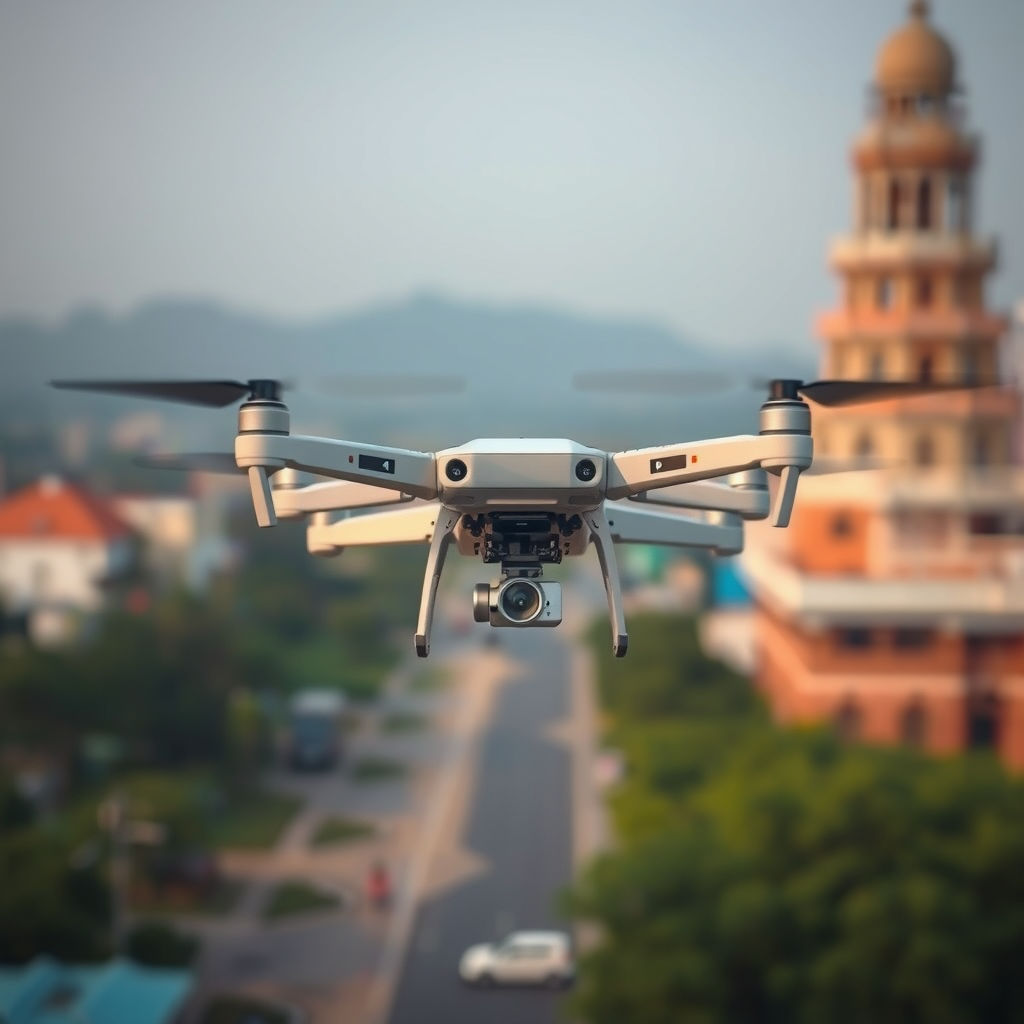
The Ministry of Civil Aviation (MoCA) is the primary authority overseeing drone operations in India. The regulations are encapsulated in the Civil Aviation Requirements (CAR), which outline the framework for the registration, operation, and maintenance of drones. The CAR divides the regulations based on the type of drone and its intended use, ensuring that safety standards are met while allowing for innovation in the field. For instance, commercial drone operators may face stricter requirements compared to hobbyists.
Drones are classified based on weight, which significantly influences the permissions and regulations applicable to each category. Understanding these classifications is essential for operators to ensure that they are compliant with the law and can operate their drones without encountering legal troubles.
Types of Drones and Their Classifications
Drones are categorized into five classes based on weight: Nano, Micro, Small, Medium, and Large. Each classification has specific operational rules and restrictions that operators must follow:
– Nano Drones: Weighing less than 250 grams, these drones can be flown without a license and typically do not require registration. They are mostly used for recreational purposes.
– Micro Drones: Weighing between 250 grams and 2 kilograms, these drones also do not require a Remote Pilot License but must be registered on the Digital Sky platform.
– Small Drones: Weighing between 2 kilograms and 25 kilograms, these drones require registration and operators must obtain a Remote Pilot License.
– Medium Drones: Ranging from 25 kilograms to 150 kilograms, these drones have more stringent operational and licensing requirements, including a mandatory Remote Pilot License.
– Large Drones: Weighing over 150 kilograms, these are typically used for commercial purposes and require extensive permissions and compliance with specific operational guidelines.
Each classification comes with its own set of operational limits, including altitude restrictions and flight hours, which operators must adhere to in order to maintain safety.
Registration and Licensing Requirements
All drones above a certain weight must be registered on the Digital Sky platform, an initiative launched by the MoCA to streamline drone operations in India. The registration process is relatively straightforward, requiring operators to provide details about the drone, including its weight, purpose, and the operator’s information.
For drones classified as Small, Medium, or Large, operators must obtain a Remote Pilot License (RPL). This involves completing a training program from a DGCA-approved institution and passing both a theoretical and practical examination. The RPL ensures that drone operators are equipped with the necessary skills and knowledge to operate their drones safely and effectively.
Moreover, the Digital Sky platform offers real-time updates about airspace restrictions and no-fly zones, allowing drone operators to check for any changes before taking flight. Compliance with these registration and licensing requirements is essential to avoid penalties and ensure safe operations.
No-Fly Zones and Restrictions
In India, certain areas are designated as no-fly zones to ensure public safety and security. These zones include airports, military installations, and urban areas where drone operations could pose risks to people and property. Operators must consult the latest maps and guidelines provided by the MoCA to avoid these restricted areas.
Additionally, drone operators should be aware of temporary no-fly zones that may be established for specific events, such as large public gatherings or emergencies. The consequences of flying in these restricted areas can be severe, including fines, confiscation of the drone, and possible criminal charges. Therefore, diligent pre-flight planning is essential to ensure compliance with these restrictions.
Safety Guidelines for Drone Flying
Safety is paramount when operating drones. To minimize risks, operators should always conduct a pre-flight check to ensure the drone is in good condition. This includes checking battery levels, propeller integrity, and software updates, among other factors.
Maintaining a visual line of sight with the drone during operation is crucial. This practice not only helps in avoiding obstacles but also ensures that the operator can react promptly to any unexpected situations. Furthermore, it is advisable to avoid flying in adverse weather conditions, such as heavy rain or strong winds, as these can impact the drone’s performance and safety.
Operators should also be aware of their surroundings and avoid flying near crowds or sensitive areas, such as schools and hospitals. Adhering to these safety guidelines significantly reduces the risk of accidents and promotes responsible drone operation.
Consequences of Non-Compliance
Failing to comply with drone regulations in India can lead to serious consequences. Violations may result in penalties, including hefty fines and the confiscation of the drone. Serious infractions, such as flying in no-fly zones or operating without the necessary licenses, may lead to criminal charges or legal action against the operator.
The DGCA has been proactive in enforcing compliance, conducting inspections, and taking legal action against violators. Therefore, it is imperative for drone operators to stay informed about regulations and ensure adherence to avoid potential legal troubles.
Tips for Responsible Drone Operation
Staying informed about the latest drone laws and updates from the MoCA is crucial for responsible drone operation. Operators should regularly check the Digital Sky platform for any changes in regulations or no-fly zones. Furthermore, engaging with local drone clubs or online communities can provide valuable insights, support, and best practices for safe flying.
Additionally, operators should consider investing in insurance to cover potential damages or liabilities that may arise during drone operations. This precaution not only protects the operator but also promotes responsible flying within the community.
Incorporating the principles of responsible drone operation fosters a positive environment for all users and contributes to the overall growth of the drone industry in India.
In conclusion, flying drones in India is permissible, provided you adhere to the established regulations and guidelines. Understanding the classifications, registration requirements, no-fly zones, and safety protocols is essential for both recreational and commercial operators. By staying informed and prioritizing safety and compliance, drone enthusiasts can enjoy a positive flying experience while contributing to the responsible growth of this exciting technology. For more detailed information, stay updated with the latest regulations and best practices in drone operation.
Frequently Asked Questions
What are the regulations for flying drones in India?
In India, drone operations are regulated by the Directorate General of Civil Aviation (DGCA). To fly a drone, operators must adhere to the Civil Aviation Requirements (CAR) which include obtaining a Unique Identification Number (UIN) for the drone, registering the drone with the Digital Sky Platform, and ensuring that the pilot has a Remote Pilot License (RPL). Moreover, flying is restricted in certain areas, including airports, military zones, and populated regions, to ensure safety and security.
How can I get a drone pilot license in India?
To obtain a drone pilot license in India, you must complete a training program from a DGCA-approved training organization. The training covers both theoretical and practical aspects of drone flying, and upon successful completion, you will receive a Remote Pilot License (RPL). Additionally, you will need to pass a written and practical examination to ensure you are knowledgeable about safety protocols and regulations governing drone operations.
Why are there restrictions on where I can fly my drone in India?
Restrictions on drone flying in India are primarily in place for safety and security reasons. Certain areas, such as airports, military installations, and densely populated urban zones, are classified as no-fly zones to prevent accidents and protect sensitive information. Additionally, these regulations help maintain public safety and ensure that drone operations do not interfere with manned aircraft or pose risks to people on the ground.
What types of drones can I fly in India?
In India, you can fly various types of drones, but they must comply with the DGCA’s classification system. Drones are categorized based on their weight, including Nano (up to 250 grams), Micro (250 grams to 2 kg), Small (2 kg to 25 kg), and Large (above 25 kg). Each category has specific operational requirements and restrictions, so it’s essential to choose a drone that fits your intended use while adhering to local regulations.
Which drone applications are permitted in India?
In India, several applications for drone usage are permitted, including aerial photography, surveying, agriculture, infrastructure inspection, and disaster management. However, all commercial drone operations require a valid UIN and proper registration with the DGCA. As the drone industry evolves, more applications may be approved, but operators must stay updated on regulations to ensure compliance and maximize the benefits of their drone technology.
References
- https://www.civilaviation.gov.in/
- https://en.wikipedia.org/wiki/Drone_regulation_in_India
- https://www.thehindu.com/news/national/drone-regulation-in-india-what-you-need-to-know/article34723324.ece
- https://www.mygov.in/group-issue/drones-in-india-need-and-regulation/
- https://www.nytimes.com/2021/04/14/world/asia/india-drones-regulations.html
- https://www.business-standard.com/article/current-affairs/what-are-the-drone-rules-in-india-121042700155_1.html
- https://www.indiatoday.in/technology/news/story/drone-rules-in-india-what-you-need-to-know-1837492-2021-08-05
