
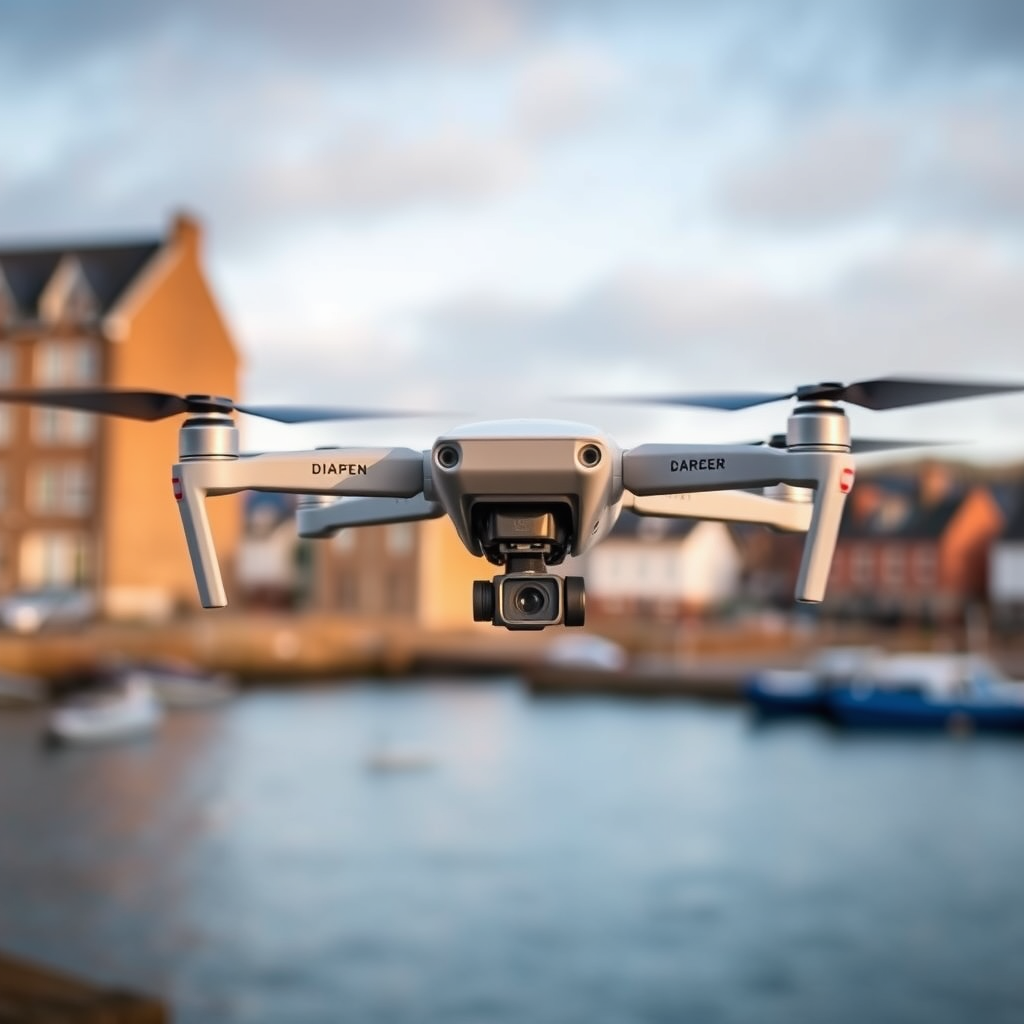
Yes, you can fly drones in Ireland, but there are specific regulations and guidelines you must follow. Understanding these rules is essential to ensure safe and legal drone operation in the country. The Irish Aviation Authority (IAA) oversees these regulations, which are designed to integrate drone use within the broader airspace management system while ensuring safety for both drone operators and the public. This blog post will delve into the crucial aspects of drone flying in Ireland, including registration requirements, pilot competency, no-fly zones, insurance considerations, best practices, and useful resources.
Overview of Drone Regulations in Ireland
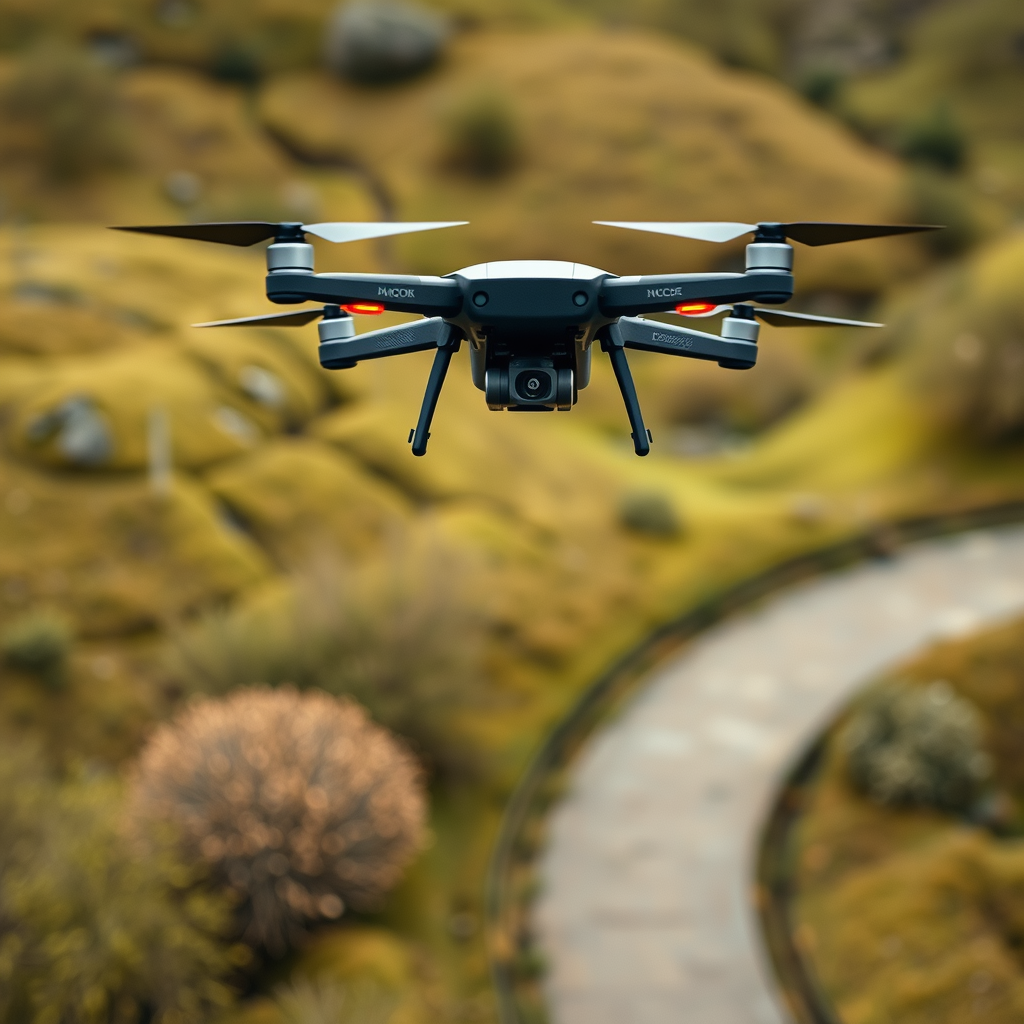
The regulatory framework for drone operation in Ireland is primarily governed by the Irish Aviation Authority (IAA). The IAA categorizes drone operations into three distinct categories based on weight and purpose: Open, Specific, and Certified.
1. Open Category: This is for drones weighing under 25 kilograms that are flown in a way that poses minimal risk to third parties. Operators in this category must adhere to basic safety rules but do not require prior authorization from the IAA for most flights.
2. Specific Category: This category applies to operations that present a higher risk, necessitating a risk assessment and potentially requiring a specific operational authorization from the IAA. This may include flying in populated areas or at night.
3. Certified Category: This is for more complex operations, such as those involving larger drones or those intended for commercial purposes that require stringent safety measures and operator certification.
Understanding these categories is essential for drone operators, as they dictate the specific rules and compliance requirements applicable to their drone activities.
Drone Registration Requirements
In Ireland, any drone weighing over 250 grams must be registered with the IAA. This registration process is straightforward and requires operators to submit an application online, after which they will receive an IAA-issued registration number.
The registration not only ensures that operators are accountable for their drone activities but also enhances safety by allowing authorities to track drone use in the airspace. It’s crucial for operators to display their registration number prominently on their drones to comply with the law.
Furthermore, registration helps the IAA to maintain a comprehensive database of drone users, which can be invaluable in promoting safe practices and addressing any incidents that may arise.
Pilot Competency and Training
To fly drones legally in Ireland, particularly in the Specific and Certified categories, remote pilots must demonstrate a level of competency. This may involve completing specific training courses that cover air law, meteorology, navigation, and safety protocols.
For instance, commercial drone operators are typically required to undertake a training program accredited by the IAA, culminating in a theoretical and practical examination. This ensures that pilots are well-versed in operational safety, risk management, and legal compliance.
Additionally, for those intending to operate drones in controlled airspace or for commercial purposes, advanced training is not just advisable but often mandatory. Such training programs are offered by various organizations and can greatly enhance a pilot’s skills and understanding of complex operational environments.
No-Fly Zones and Restricted Areas
Awareness of no-fly zones and restricted areas is critical for any drone operator. In Ireland, certain locations are designated as no-fly zones, including airports, military bases, and densely populated urban areas where the risk of accidents is significantly higher.
For example, no-fly zones around major airports such as Dublin Airport are clearly marked, and drones cannot be operated within a certain radius to prevent interference with manned aircraft. Operators are encouraged to use apps and resources that provide real-time information about no-fly zones and airspace restrictions to ensure compliance.
Local regulations may also impose additional restrictions, so it is advisable for drone users to familiarize themselves with local laws or consult local authorities if they are unsure about specific regulations in their area.
Insurance and Liability Considerations
While liability insurance is not mandatory for drone operators in Ireland, obtaining it is highly recommended. Insurance can protect operators from significant financial liability in the event of accidents or damage to property or persons.
Understanding your responsibilities as a drone operator is crucial. In the case of an incident, you may be held liable for damages caused by your drone. Therefore, having insurance not only safeguards your financial interests but also demonstrates responsible operation and adherence to best practices.
Furthermore, some commercial operators may find that clients or contracts require proof of insurance before engaging in drone services, making it an essential consideration for anyone looking to operate drones professionally.
Best Practices for Safe Drone Flying
To ensure safe and responsible drone operation, adhering to best practices is essential. Here are some actionable insights for drone pilots operating in Ireland:
1. Conduct Pre-Flight Checks: Always inspect your drone before flight for any mechanical issues or battery life concerns. A thorough pre-flight check can prevent many common malfunctions.
2. Plan Your Flight Path: Before taking off, plan your flight path and ensure it does not intersect with no-fly zones or populated areas. Utilize flight planning apps that map out airspace restrictions.
3. Respect Privacy: Be mindful of people’s privacy when flying your drone. Avoid flying over private property without permission and be considerate of local wildlife and environmental concerns to minimize disturbances.
4. Stay Informed: Regularly check for updates on regulations and best practices. The drone landscape is constantly evolving, and staying informed will help you remain compliant and safe.
Resources for Drone Operators in Ireland
For those looking to stay updated and informed about drone regulations, several resources are available:
– Irish Aviation Authority (IAA): The official IAA website offers comprehensive guidance on drone regulations, registration processes, and safety guidelines.
– Drone Users Ireland: This community group provides forums for discussion, sharing experiences, and learning from fellow drone enthusiasts.
– Local Drone Clubs: Joining local clubs can provide networking opportunities, access to training, and camaraderie among fellow drone operators.
– Apps and Tools: Utilizing drone flight planning apps can help you stay aware of airspace restrictions and provide real-time updates on no-fly zones.
In conclusion, flying drones in Ireland is permissible, provided you adhere to the regulations set forth by the IAA. By understanding registration requirements, pilot competency, no-fly zones, and best practices, you can ensure that your drone operations are both safe and legal. Stay informed and compliant to enjoy the benefits of drone flying while ensuring safety and legality.
Frequently Asked Questions
What are the legal requirements for flying drones in Ireland?
In Ireland, drone operators must adhere to the regulations set by the Irish Aviation Authority (IAA). This includes registering your drone if it weighs more than 250 grams and obtaining a Remote Pilot License (RPL) for certain drone categories. It’s crucial to also follow the EU drone regulations, which outline safety distances and operational parameters to ensure safe flying practices.
How high can you fly a drone in Ireland?
In Ireland, the maximum altitude for flying a drone is generally capped at 120 meters (approximately 400 feet) above ground level. Operators must also maintain visual line of sight with their drone at all times. Special permissions may be required for flying above this altitude, especially in controlled airspace, so always check local regulations and air traffic control guidelines before your flight.
Why do I need to register my drone in Ireland?
Registering your drone in Ireland is a legal requirement aimed at promoting safety and accountability in the skies. By registering, you demonstrate compliance with aviation laws and help authorities track drone usage, which is essential for minimizing risks to manned aircraft and ensuring the safety of people on the ground. Additionally, registration allows for better enforcement of regulations and aids in accident investigations.
What are the best places to fly drones in Ireland?
Some of the best places to fly drones in Ireland include scenic locations like the Cliffs of Moher, the Wild Atlantic Way, and various national parks such as Killarney and Glendalough. However, it’s important to check local regulations and any restrictions that may apply to these areas, especially regarding crowds or wildlife. Always prioritize safety and respect for privacy when choosing your flying location.
Which drones are best for beginners flying in Ireland?
For beginners flying in Ireland, drones like the DJI Mini SE or the Ryze Tello are excellent choices due to their user-friendly features and affordability. Both models are lightweight, easy to operate, and come with built-in safety features like altitude limiters and automatic return-to-home functions. As you gain experience, you can gradually move on to more advanced drones that offer additional capabilities and functionalities.
References
- https://www.caa.co.uk/Commercial-industry/Unmanned-aircraft/Unmanned-aircraft-regulations/
- https://www.gov.ie/en/publication/9d8c3-drones-in-ireland/
- https://www.irishtimes.com/business/technology/drone-rules-explained-1.4578234
- https://www.faa.gov/uas/
- https://www.dronelife.com/2021/05/25/understanding-drone-law-in-ireland/
- https://www.wired.co.uk/article/drone-law-ireland
