
Yes, you can fly drones in London, but there are specific regulations and restrictions you must follow to ensure safety and compliance with the law. Understanding these rules is crucial for both recreational and commercial drone users, as failing to adhere to them can result in penalties or even criminal charges. London, with its iconic skyline and bustling urban life, presents unique challenges and opportunities for drone enthusiasts. This guide will help you navigate the landscape of drone flying in the capital, providing insight on legal requirements, safety guidelines, and community resources.
Understanding UK Drone Laws
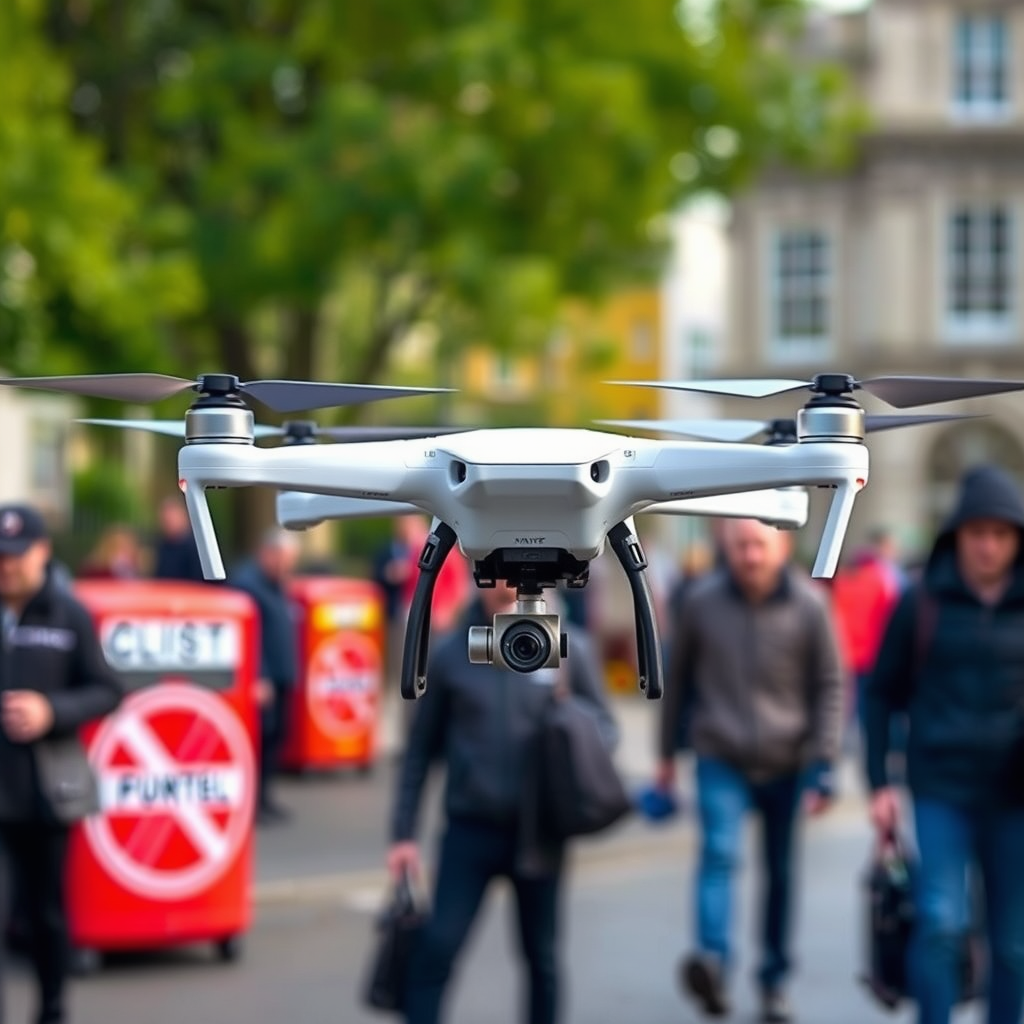
The UK has specific drone legislation under the Civil Aviation Authority (CAA) that delineates the rights and responsibilities of drone operators. Key regulations are outlined in the Air Navigation Order (ANO), which is enforced to maintain safety in the airspace. All drone operators, regardless of whether they are flying for leisure or commercial purposes, are expected to comply with these laws. The CAA categorizes drones into three weight classes, each with distinct operational rules. Understanding these classifications is the first step toward becoming a responsible drone pilot.
For instance, drones weighing less than 250 grams are subject to less stringent regulations, while those over this weight must adhere to more comprehensive rules concerning flight height, distance from people, and airspace restrictions. Additionally, drone users must always keep their devices within visual line-of-sight and avoid flying above 120 meters (394 feet).
Drone Registration and Licensing
Operators of drones weighing over 250 grams must register with the CAA to ensure accountability and traceability. Registration is a straightforward process that involves providing personal details and paying a nominal fee. Once registered, pilots receive an operator ID, which must be displayed on the drone. This requirement enhances safety and helps authorities identify drone users in case of violations or incidents.
For those intending to use drones for commercial purposes, a Remote Pilot Competency Certificate (RPQ) may be required. This certification demonstrates that the pilot has undergone proper training and can operate drones safely and efficiently. Commercial pilots must also be familiar with additional regulations, such as conducting risk assessments and obtaining any necessary permissions for specific flight operations.
No-Fly Zones in London
London is home to several no-fly zones where drone operations are strictly prohibited. These areas include airports, military bases, and densely populated urban centers. For instance, flying near London Heathrow or London City Airport poses significant risks and is illegal without special permission. Furthermore, the iconic landmarks of London, such as Buckingham Palace and the Houses of Parliament, are also off-limits for drone pilots.
To assist operators in navigating these restrictions, tools like the NATS Drone Assist app are invaluable. This app provides live airspace information and highlights no-fly zones, ensuring that users can check their surroundings before launching their drones. Familiarizing yourself with the geography of London and utilizing these resources can help prevent inadvertent legal infractions and promote safer flying practices.
Safety Guidelines for Drone Operation
Safety is a paramount concern for drone operators, particularly in a bustling metropolis like London. To minimize risks, pilots should maintain a safe distance from people and properties, ideally keeping at least 50 meters away from uninvolved individuals. Additionally, drone operators should avoid flying over crowds or gatherings where potential accidents could lead to serious injuries.
Another critical safety guideline is to keep the drone within visual line-of-sight at all times. This practice not only helps pilots maintain control over their devices but also allows them to respond quickly to any potential hazards. Pre-flight checks are also essential; operators should ensure that their drones are in good working condition and that all components, such as batteries and propellers, are functioning properly.
Insurance and Liability Considerations
Drone insurance is highly recommended for both recreational and commercial pilots to protect against potential liabilities. Many insurance providers offer tailored policies that cover damage to the drone itself, third-party injuries, and property damage caused by drone operations. Understanding the extent of coverage is critical, as it can safeguard operators from significant financial losses in the event of an accident.
Liability considerations also extend to ensuring compliance with regulations. In the case of an incident, authorities will scrutinize whether the operator adhered to the established guidelines. Therefore, maintaining proper documentation, such as registration, flight logs, and insurance policies, can be beneficial in mitigating legal repercussions.
Local Drone Flying Communities
Engaging with local drone flying communities can enhance your experience and knowledge as a drone operator. Many clubs and online forums exist in London, providing opportunities to connect with fellow enthusiasts, share tips, and learn about safe flying practices. For instance, organizations like the London Drone Club offer meetups, training sessions, and discussions on the latest drone technologies and regulations.
Being part of a community not only fosters camaraderie but also encourages responsible flying. Experienced members can share their insights on navigating the complexities of urban flying, recommend safe locations, and offer advice on technical issues. By participating in these groups, you can enhance your skills and stay informed about the latest developments in the drone industry.
Upcoming Changes to Regulations
As drone technology evolves and its popularity increases, the regulatory landscape is also subject to change. It is essential to stay informed about potential changes in drone legislation affecting London. The CAA regularly updates its guidelines to address emerging challenges and ensure safety in the airspace.
Regularly checking the CAA website for updates on drone rules and regulations is a proactive approach. Additionally, subscribing to newsletters or joining professional associations can provide timely information about upcoming changes, allowing operators to adapt their practices accordingly.
In conclusion, while flying drones in London is permitted, it is essential to adhere to established regulations and safety practices. By understanding UK drone laws, ensuring proper registration and licensing, avoiding no-fly zones, following safety guidelines, considering insurance, engaging with local communities, and staying informed about regulatory changes, you can enjoy your drone-flying experience while ensuring the safety of others. Always prioritize compliance and safety in your operations to contribute positively to the burgeoning drone ecosystem in London.
Frequently Asked Questions
What are the regulations for flying drones in London?
In London, drone operators must adhere to the UK’s Civil Aviation Authority (CAA) regulations. This includes registering your drone if it weighs over 250 grams and obtaining a Flyer ID and an Operator ID. Additionally, you must maintain a safe distance from people and property, avoid flying over crowds, and keep your drone within visual line of sight.
How do I obtain a drone license in London?
To obtain a drone license in London, you must complete a training course approved by the CAA. This typically involves theoretical and practical flight training, culminating in a competency test. After passing, you can apply for your Operator ID and Flyer ID through the CAA’s online portal, allowing you to legally fly your drone in London.
Why are there restrictions on flying drones in certain areas of London?
Restrictions on flying drones in certain areas of London are primarily due to safety and privacy concerns. High-density urban environments, such as near airports, government buildings, and public events, pose risks of accidents and invasions of privacy. These regulations are in place to ensure the safety of both drone operators and the public.
What are the best places to fly drones in London?
Some of the best places to fly drones in London include parks like Hyde Park and Richmond Park, where you can enjoy scenic views while adhering to safety regulations. However, always check for any specific restrictions or no-fly zones in these areas, as certain locations may have limitations due to their proximity to airports or other sensitive sites.
Can I fly my drone at night in London?
Flying drones at night in London is allowed, but it comes with additional requirements. Operators must ensure their drone is equipped with anti-collision lights and maintain visual line of sight during flight. It’s essential to be aware of the challenges of flying in low visibility and to comply with all CAA regulations for night flying to ensure safety and legality.
References
- https://en.wikipedia.org/wiki/Drone_regulation_in_the_United_Kingdom
- https://www.caa.co.uk/Consumers/Unmanned-aircraft/
- https://www.gov.uk/guidance/drone-safety-legal-requirements
- https://www.bbc.com/news/technology-48998473
- https://www.theguardian.com/technology/2020/jan/26/drone-regulations-uk
- https://www.nationalgeographic.com/science/article/drone-regulations-uk
- https://www.reuters.com/article/us-drone-regulations-uk-idUSKBN2A52A1
