

Yes, you can fly drones in Malaysia, but there are specific regulations and guidelines that you must follow to ensure safety and compliance with the law. Understanding these regulations is crucial for both recreational and commercial drone operators. The Malaysian government has established a framework that not only promotes the safe use of drones but also protects the privacy and safety of its citizens. This blog post will delve into the essential regulations, registration processes, categories of drone use, safety guidelines, no-fly zones, insurance considerations, and the consequences of non-compliance.
Understanding Malaysia’s Drone Regulations
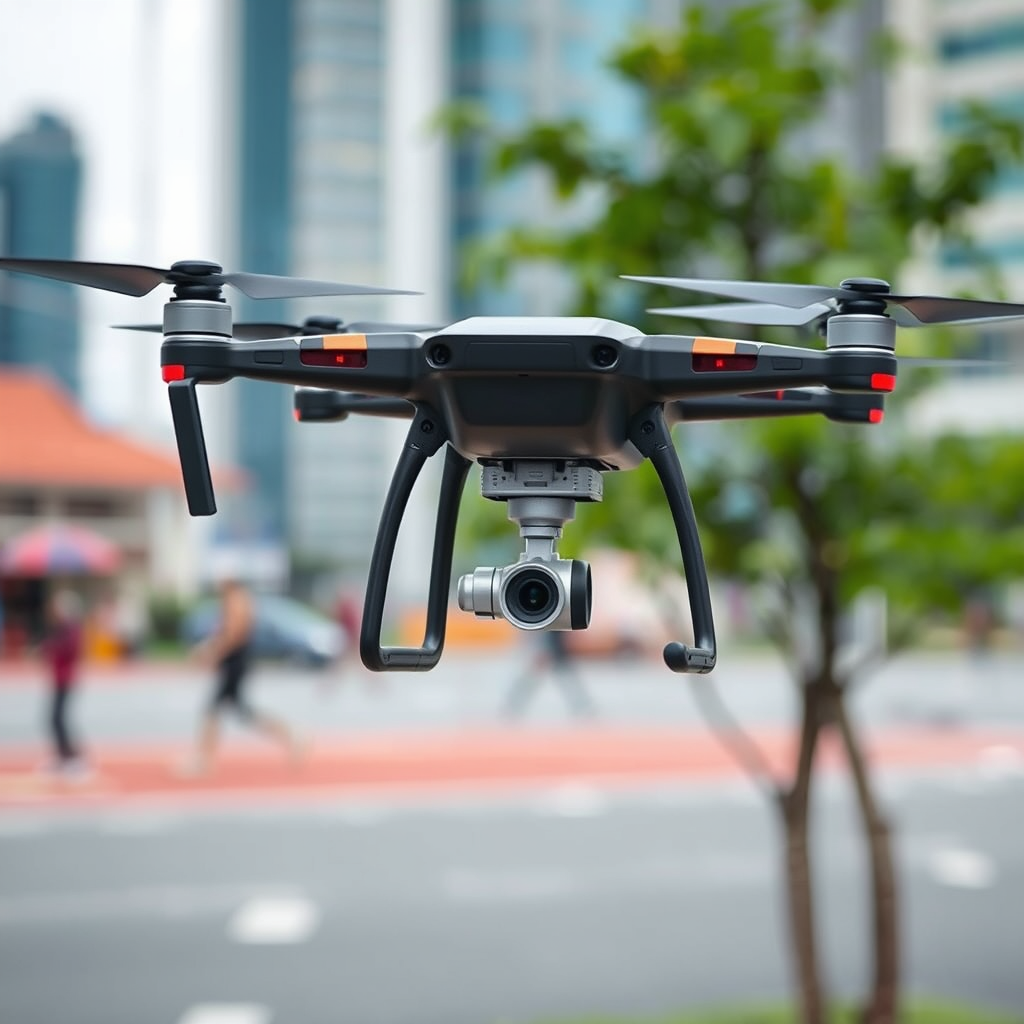
The Civil Aviation Authority of Malaysia (CAAM) is the primary regulatory body overseeing drone operations in the country. This agency has implemented a comprehensive set of rules that govern how drones can be flown, ensuring safety for both the operators and the general public. Operators must register their drones if they weigh more than 250 grams, which is a key threshold established to monitor and manage drone activities effectively. Registration helps in tracking drone ownership and usage, which is vital for maintaining accountability and ensuring compliance with safety standards.
In addition to weight requirements, various operational guidelines dictate where and how drones can be used, making it essential for potential drone operators to familiarize themselves with the CAAM’s regulations before taking to the skies.
Registration Process for Drones
Registering your drone in Malaysia is a straightforward process, primarily conducted online through the CAAM website. This digital approach simplifies the registration procedure, allowing drone operators to complete the necessary steps from the comfort of their homes. The registration process requires several documents, including proof of ownership, such as a purchase receipt, and personal identification, such as a national identity card or passport.
Once registered, operators will receive a unique identification number for their drone, which must be displayed on the aircraft. This step is crucial for accountability and aids in the identification of owners in case of any incidents or violations.
Categories of Drone Use
Drone operations in Malaysia can be broadly categorized into recreational and commercial use, each with distinct regulatory requirements. Recreational use is allowed, but operators must adhere to specific safety guidelines. For instance, recreational drone pilots are encouraged to fly their drones within visual line of sight and must avoid populated areas or major events where people are gathered.
On the other hand, commercial drone use necessitates obtaining a Special Permit from CAAM. This permit is required for various activities, such as aerial photography, surveying, and agricultural applications. To secure a Special Permit, operators must submit a detailed application that outlines their intended use, operational plans, and safety measures. This additional layer of regulation ensures that commercial drone operations meet higher safety standards, given the potential risks involved in such activities.
Safety Guidelines for Flying Drones
Safety is paramount when flying drones, and the CAAM has established several guidelines to minimize risks. One of the key rules is to maintain a safe distance from people, property, and structures. This helps prevent accidents and injuries that could arise from drone malfunctions or operator errors.
Another important guideline is the altitude restriction; drone operators must not fly their drones above 400 feet in uncontrolled airspace. This altitude limit helps to avoid conflicts with manned aircraft and minimizes the risk of accidents. Operators should also be aware of weather conditions, avoiding flying in adverse weather such as heavy rain or strong winds, which can compromise control and stability.
Additionally, it is advisable for drone operators to undergo training or certification courses to better understand the complexities of drone operation, further enhancing safety measures.
No-Fly Zones in Malaysia
In Malaysia, there are specific areas designated as no-fly zones where drone operations are strictly prohibited. These areas include airports, military installations, and densely populated urban centers. The rationale behind these restrictions is to minimize the risk of interference with aircraft operations and to protect sensitive facilities and public safety.
Before flying, drone operators should always check for updated no-fly zone maps provided by the CAAM. These maps are regularly updated to reflect any changes in airspace regulations or the designation of new restricted zones. Failing to adhere to these no-fly zones can result in severe penalties, including fines and the potential for criminal charges.
Drone Insurance and Liability
While obtaining insurance for drones is not mandatory in Malaysia, it is highly advisable for commercial operators. Drone insurance can provide coverage for damages to the drone itself, as well as liability coverage for any damages or injuries caused during operations. This financial protection is crucial given the potential consequences of accidents involving drones, particularly if they occur in populated areas or during commercial operations.
Liability coverage is especially important for businesses that use drones as part of their operations, as it can protect against lawsuits and claims arising from accidents. Operators should carefully assess their insurance needs and consider consulting with insurance professionals who specialize in drone coverage to ensure adequate protection.
Consequences of Non-Compliance
Failing to comply with Malaysia’s drone regulations can lead to serious consequences. Violations can result in hefty fines, penalties, or even confiscation of the drone. The CAAM has a strict enforcement policy, and repeat offenders may face stricter legal consequences, including potential criminal charges.
In addition to legal repercussions, non-compliance can damage an operator’s reputation, especially for commercial businesses that rely on drones for their services. Maintaining compliance with regulations is not just about avoiding penalties; it’s also about fostering a responsible drone culture that prioritizes safety and respects the rights of others.
In conclusion, flying drones in Malaysia is possible but comes with essential regulations and guidelines that must be followed. Whether for fun or business, it is imperative to ensure compliance to enjoy a safe flying experience. Familiarizing yourself with the registration process, understanding the categories of drone use, adhering to safety guidelines, respecting no-fly zones, and considering insurance are all vital steps in responsible drone operation. Always stay informed about the latest rules and updates from the CAAM to ensure that your drone flying activities remain safe and legal.
Frequently Asked Questions
What are the regulations for flying drones in Malaysia?
In Malaysia, drone operators must adhere to guidelines set by the Civil Aviation Authority of Malaysia (CAAM). Drones weighing more than 2 kilograms require registration, and operators must obtain a Remote Pilot License (RPL) for commercial use. It is essential to adhere to altitude limits (generally 120 meters) and keep drones within visual line of sight to ensure safety and compliance with local regulations.
How can I obtain a drone license in Malaysia?
To obtain a drone license in Malaysia, you must first complete a training course and pass a written examination conducted by a CAAM-approved training organization. After that, you can apply for the Remote Pilot License (RPL) through CAAM, which involves submitting necessary documentation including proof of training, identity verification, and payment of applicable fees. This license is mandatory for commercial drone operations and ensures that you are qualified to operate safely within the established regulations.
Why do I need to register my drone in Malaysia?
Registering your drone in Malaysia is crucial for legal compliance and safety. It allows the authorities to track drone usage and enforce regulations, which helps minimize risks such as accidents and unauthorized surveillance. Registration also fosters responsible drone operation and instills public trust in the technology, ensuring that drone users are accountable for their devices’ actions.
Which areas are prohibited for drone flying in Malaysia?
Certain areas in Malaysia are off-limits for drone flying, including near airports, military installations, and government buildings. Additionally, flying over densely populated areas, nature reserves, and any locations designated as no-fly zones by CAAM is prohibited. It’s essential to consult the CAAM website or local authorities for updated lists of restricted areas to avoid penalties and ensure safe drone operation.
What are the best practices for flying drones safely in Malaysia?
To fly drones safely in Malaysia, always maintain visual line of sight, avoid flying near airports and crowded areas, and respect privacy laws by not capturing images or videos of individuals without consent. Additionally, check weather conditions, ensure your drone is in good working condition, and familiarize yourself with local regulations and no-fly zones. Following these best practices promotes safety and responsible drone use while enhancing your flying experience.
References
- https://www.mavcom.my/en/faq/drone-operations-in-malaysia
- https://www.civilaviation.gov.my/en/home
- https://www.thestar.com.my/news/nation/2021/03/30/drone-regulations-in-malaysia
- https://www.nst.com.my/news/nation/2021/12/765918/drone-usage-in-malaysia
- https://www.researchgate.net/publication/335793152_Regulatory_Approaches_to_Drones_in_Malaysia
- https://www.asiapacific.ca/publication/drone-regulations-southeast-asia-where-does-malaysia-stand
- https://www.abc.net.au/news/2022-06-29/malaysia-drone-regulations/101193234
