

Yes, you can fly drones in Manhattan, but there are strict regulations and restrictions that must be followed. Understanding these laws is crucial for safe and legal drone operation in the area. As Manhattan is densely populated and has significant air traffic, it is essential for drone operators to be well-versed in both federal and local regulations to avoid legal consequences and ensure public safety. This article will guide you through the key considerations for flying drones in Manhattan.
Understanding Drone Regulations
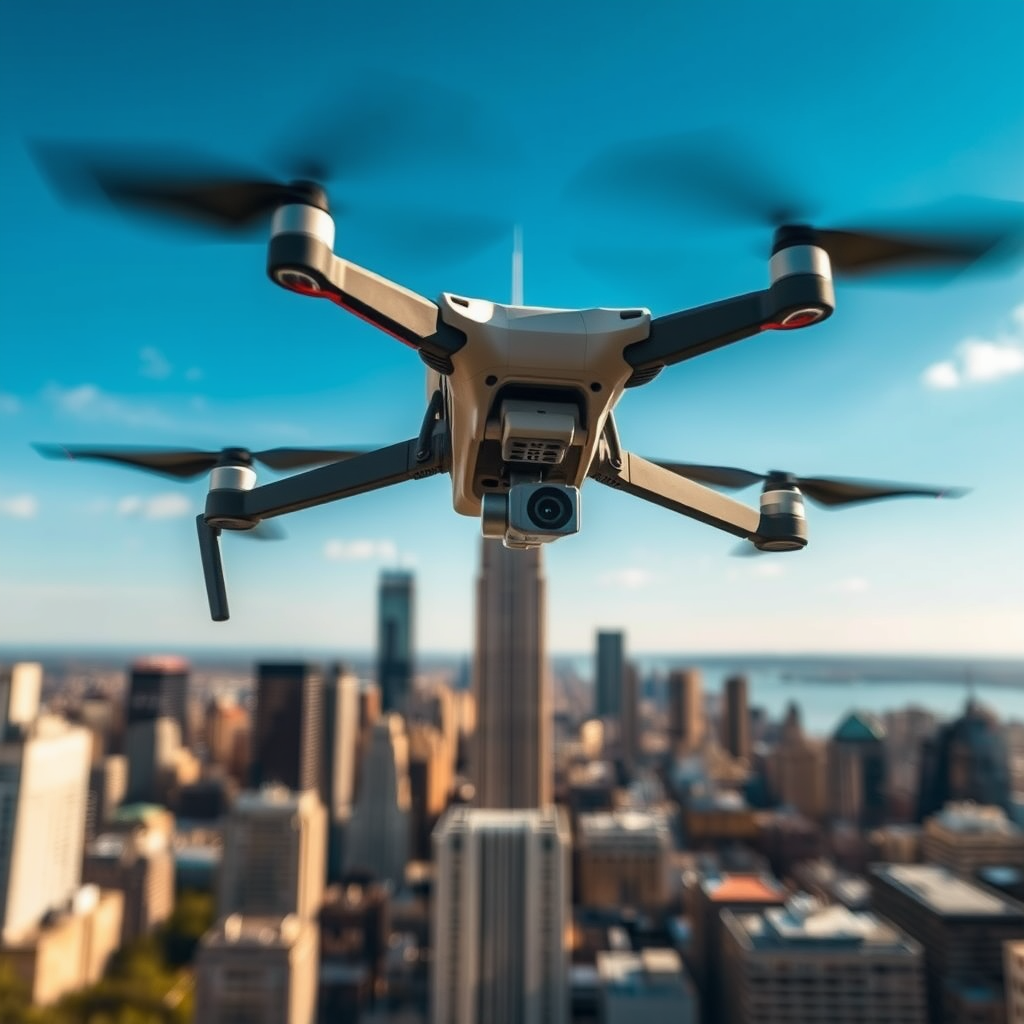
Drone operation in the United States is primarily governed by the Federal Aviation Administration (FAA). The FAA has established guidelines that dictate where and how drones can be flown, which include altitude limits, no-fly zones, and operational requirements. For instance, drones must not exceed an altitude of 400 feet and must remain within the operator’s visual line of sight. However, New York City imposes additional restrictions that drone pilots must adhere to, especially in urban settings where safety and privacy concerns are heightened.
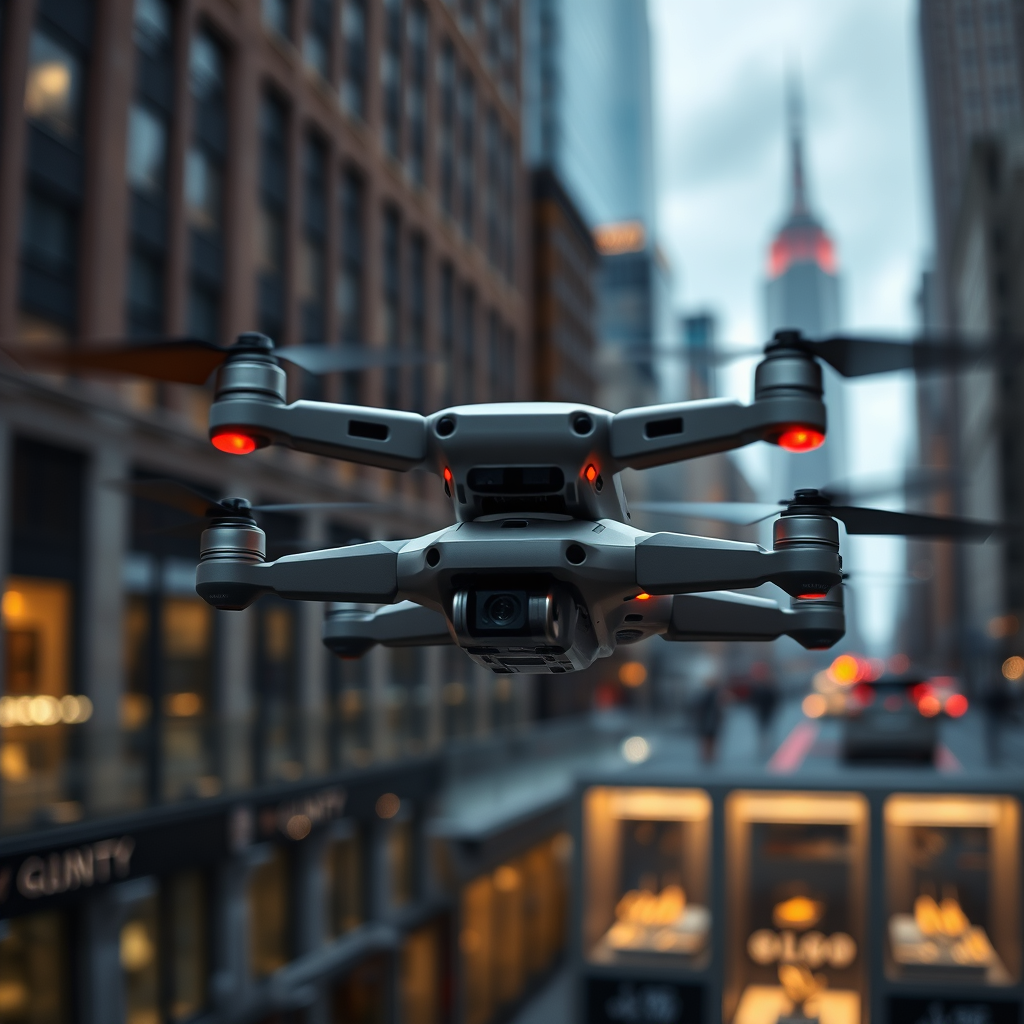
In Manhattan, drone pilots must also comply with New York City Council regulations, which prohibits flying drones over most public spaces and residential areas. Understanding these regulations is essential not only for compliance but also for promoting responsible drone use that respects the rights and safety of others.
Restricted Areas in Manhattan
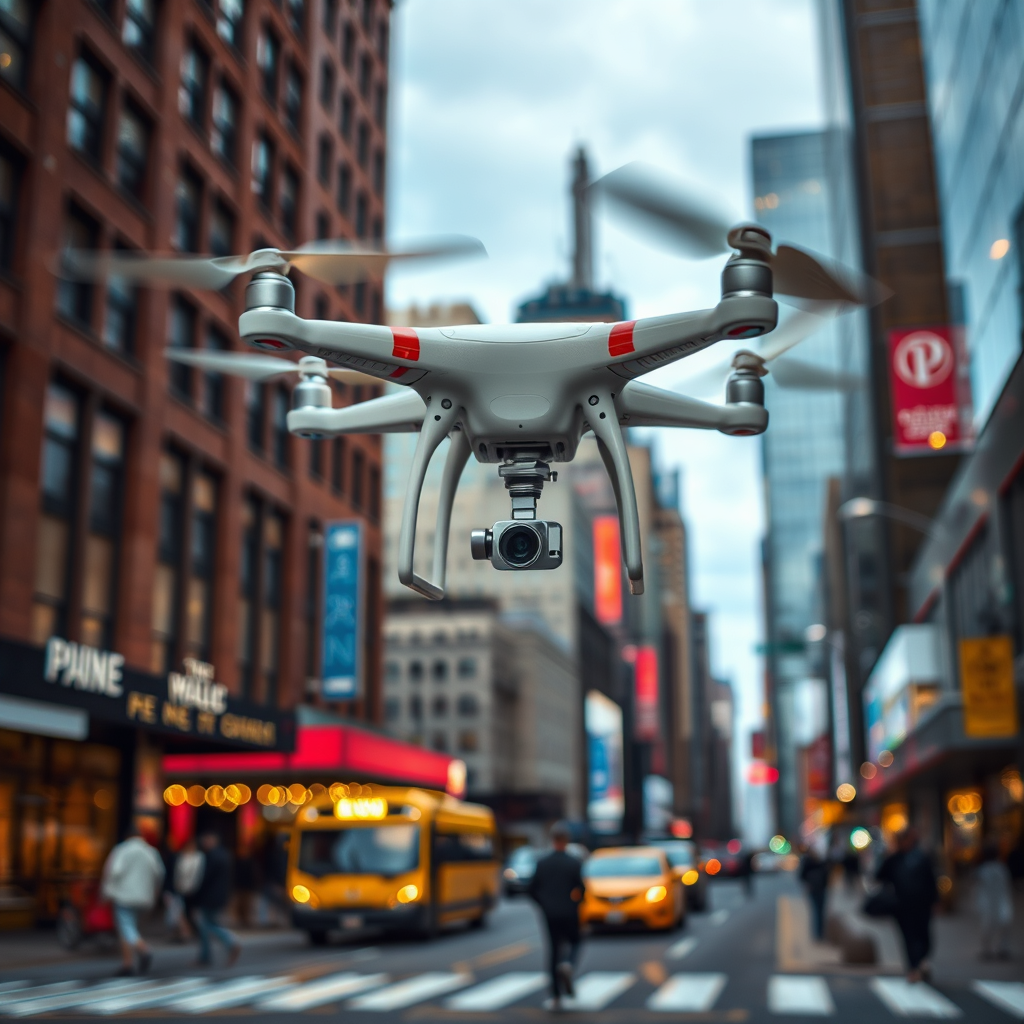
Manhattan contains several restricted zones where drone usage is strictly prohibited. Notably, areas near airports such as LaGuardia and John F. Kennedy International Airport are off-limits due to the potential risk to commercial air traffic. Additionally, flying drones near government buildings, such as the United Nations Headquarters, is also banned, reflecting heightened security concerns.
Parks and public spaces, including popular locations like Central Park, also have specific rules regarding drone use. While some parks may allow drone activities, others may have restrictions or require permits. For instance, Central Park has designated areas where drone flying is restricted due to the high volume of pedestrian traffic and the need to maintain a peaceful environment for park-goers. Pilots should familiarize themselves with local ordinances and seek permission where necessary to avoid fines and penalties.
Required Permissions and Licenses
For those looking to operate drones commercially within Manhattan, obtaining a Remote Pilot Certificate from the FAA is mandatory. This certification ensures that the pilot has received proper training and understands the regulations governing drone operation. Additionally, commercial drone operators must register their drones with the FAA, which involves providing information about the drone and paying a registration fee.
On the other hand, recreational flyers face different requirements. While they are not required to obtain a Remote Pilot Certificate, they must still adhere to the FAA’s guidelines, which include flying below 400 feet, keeping the drone within sight, and not flying in prohibited areas. Furthermore, recreational drone operators must also register their drones if they weigh more than 0.55 lbs. This registration process is crucial for accountability and safety in drone operations.
Safety Considerations
Safety is a paramount concern when flying drones in urban environments like Manhattan. One of the key safety regulations is maintaining a visual line of sight with the drone at all times. This requirement helps ensure that operators can react quickly to any potential hazards, including other aircraft, pedestrians, and buildings.
Drone pilots should also be aware of the unique challenges posed by flying in a densely populated area. High-rise buildings can create turbulent air currents, which may affect the drone’s stability. Additionally, the presence of large crowds increases the risk of accidents, making it essential for pilots to plan their flights carefully. Conducting pre-flight checks, understanding the flight environment, and having a clear emergency plan in place are critical steps that can mitigate risks associated with drone operation in Manhattan.
Community and Local Resources
Engaging with local drone communities can provide invaluable support and resources for both novice and experienced pilots. These communities often share tips on safe flying practices, local regulations, and upcoming events, fostering a culture of responsible drone use. Online forums, social media groups, and local meetups can serve as platforms for drone enthusiasts to exchange knowledge and stay connected.
Additionally, drone operators should utilize official online resources, such as the FAA’s website and local government websites, for the most current information regarding regulations and no-fly zones. These platforms often provide updates on changes in legislation, safety advisories, and other essential information that can impact drone operations in Manhattan.
Consequences of Illegal Drone Use
Operating a drone illegally in Manhattan can lead to serious consequences. Penalties for violating FAA regulations can include hefty fines, which can range from hundreds to thousands of dollars, depending on the severity of the infraction. Moreover, law enforcement agencies have the authority to confiscate equipment used in illegal flights, which can result in significant financial losses for the operator.
Beyond the financial implications, illegal drone use poses safety hazards to the public. Incidents involving drones can lead to accidents, injuries, and even fatalities. As a result, engaging in unlawful drone operation can also lead to criminal charges, which may have long-lasting repercussions on an individual’s personal and professional life. Therefore, it is crucial for all drone operators to understand and comply with the applicable regulations to avoid these risks.
In conclusion, while flying drones in Manhattan is possible, it requires careful adherence to regulations and local laws. Understanding the FAA regulations, recognizing restricted areas, obtaining the necessary licenses, prioritizing safety, and engaging with the community are all vital components for responsible drone operation. By staying informed about the latest rules and considering joining local drone communities for support, pilots can navigate the complexities of flying drones in this iconic urban landscape while promoting safety and respect for the environment and the public.
Frequently Asked Questions
Can you legally fly drones in Manhattan?
Yes, you can fly drones in Manhattan, but there are strict regulations set by the Federal Aviation Administration (FAA) and local laws. Drones are prohibited from flying in controlled airspace, which covers much of Manhattan, especially near airports. Additionally, you must comply with New York City’s laws, which restrict drone use in public parks and other areas. Always check the latest regulations and ensure you have the necessary permits.
What are the restrictions for flying drones in Manhattan?
Flying drones in Manhattan comes with numerous restrictions. The FAA prohibits drone flights within five miles of airports and in certain high-density areas. In addition to federal rules, New York City has its own regulations that prevent drone use in parks and over people. It’s essential to stay updated on both federal and local laws to avoid fines and ensure safety.
How can I obtain permission to fly a drone in Manhattan?
To obtain permission to fly a drone in Manhattan, you must first register your drone with the FAA if it weighs more than 0.55 pounds. If you plan to fly in controlled airspace, you’ll need to request authorization through the FAA’s LAANC (Low Altitude Authorization and Notification Capability) system. For additional local permits, contact the New York City Department of Transportation or the Parks Department, depending on where you intend to fly.
Why is it difficult to fly drones in Manhattan?
It is difficult to fly drones in Manhattan primarily due to the dense urban environment and the presence of numerous air traffic routes. The FAA enforces strict regulations to ensure safety and prevent accidents in crowded areas. Furthermore, local laws prohibit drone flights in many public spaces, making it challenging to find suitable locations for flying without violating regulations.
What is the best way to fly a drone safely in Manhattan?
The best way to fly a drone safely in Manhattan is to thoroughly research and follow all applicable regulations. Always check the airspace using apps like B4UFLY to ensure you’re not in restricted areas. Choose early morning or late evening times for less air traffic and be mindful of people and property below. Additionally, consider practicing in open spaces away from the city before attempting to fly in Manhattan to enhance your piloting skills.
References
- https://www.faa.gov/uas/getting_started/registration
- https://www.nyc.gov/site/safety/initiatives/drone-safety.page
- https://www.nytimes.com/2021/04/07/nyregion/drone-flying-new-york-city.html
- https://www.nyc.gov/assets/safety/downloads/pdf/publications/Drone-Safety-Guide.pdf
- https://en.wikipedia.org/wiki/Unmanned_aerial_vehicle#Regulation
- https://www.faa.gov/uas/advanced_operations/
- https://www.nyc.gov/site/planning/plans/drone-regulations.page
