

Yes, you can fly drones in Maryland, but there are specific rules and regulations you must follow to ensure safe and legal operation. Maryland’s drone laws are designed to promote safety while respecting privacy and airspace regulations. In this article, we will explore the federal regulations set by the Federal Aviation Administration (FAA), state-specific laws, local restrictions, safety guidelines, privacy considerations, and insurance options that every drone pilot in Maryland should be aware of.
Understanding Federal Regulations
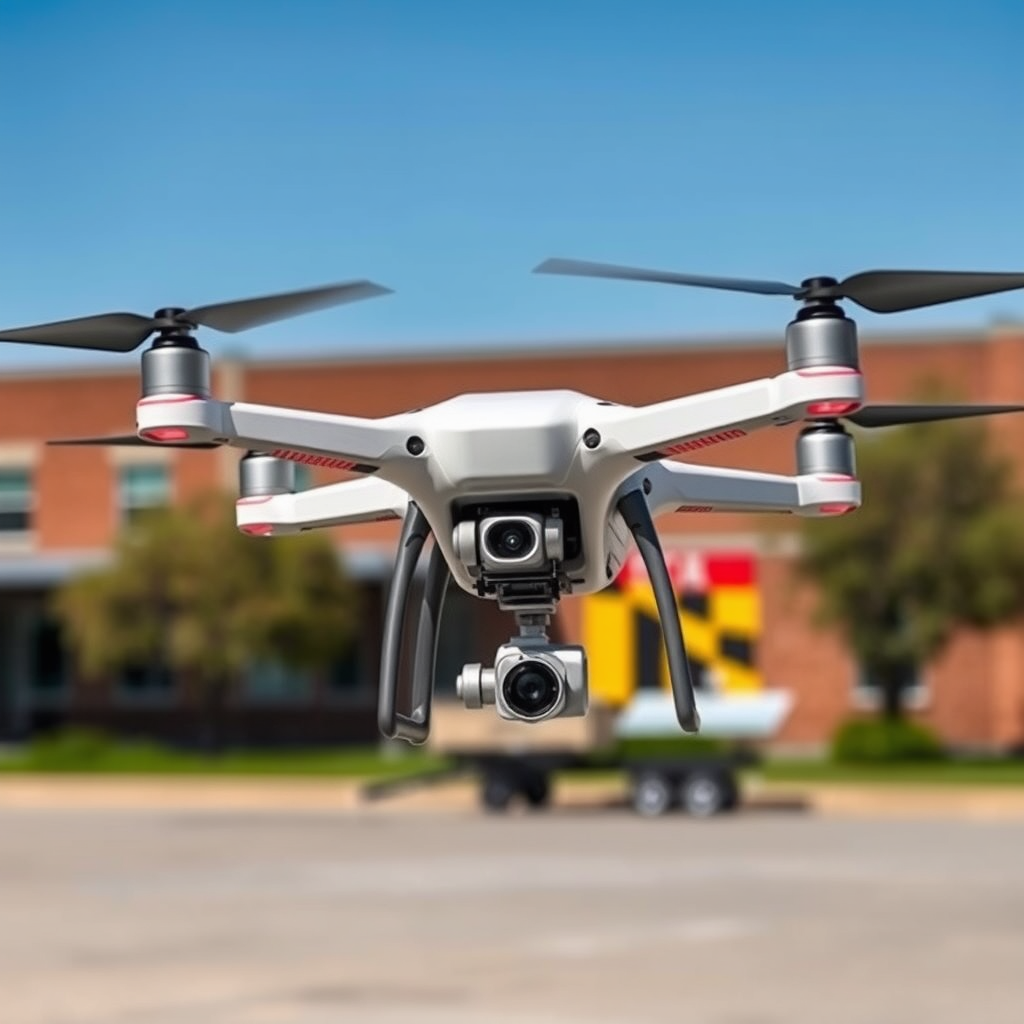
The Federal Aviation Administration (FAA) plays a critical role in regulating drone usage across the United States, including Maryland. All drone pilots—both recreational and commercial—are required to adhere to FAA guidelines. One of the fundamental rules is the registration requirement for drones that weigh more than 0.55 pounds. This process involves registering your drone through the FAA’s online portal, which is essential for ensuring accountability and safety in the skies.
Additionally, the FAA mandates that all drone operators follow the part 107 regulations if they intend to use their drones for commercial purposes. This includes obtaining a Remote Pilot Certificate, adhering to operational limitations such as flying below 400 feet, and avoiding restricted airspace unless proper authorization is obtained. Recreational flyers are also encouraged to follow the FAA’s safety guidelines, which include flying only for fun, keeping the drone within visual line of sight, and avoiding flights over people.
Maryland State Laws
Maryland has implemented its own set of laws regarding drone operation, which complement the federal regulations. One significant aspect of Maryland’s drone laws is the protection of privacy. Under Maryland law, drone operators must refrain from using their drones to invade the privacy of individuals, particularly in residential areas. This means avoiding situations where drones might capture images or recordings of individuals without their consent.
Furthermore, Maryland has designated no-fly zones to ensure public safety. These zones include areas near airports, military installations, and critical infrastructure such as power plants and government buildings. Pilots must familiarize themselves with these no-fly zones, which can be found through resources provided by the Maryland-National Capital Park and Planning Commission. Understanding these laws is crucial for avoiding potential fines and ensuring safe drone operation within the state.
Local Restrictions and Guidelines
In addition to federal and state regulations, local counties and municipalities in Maryland may impose their own restrictions and guidelines regarding drone use. For example, cities like Baltimore and Annapolis have specific ordinances that may limit where and when drones can be flown. These local laws can vary significantly, so drone pilots should always check with local government websites or contact local authorities before flying in a new area.
For instance, some local parks may prohibit drone flying altogether, while others may require permits for recreational use. Staying informed about these local restrictions is essential for responsible drone operation and ensures compliance with all applicable laws. Engaging with local drone communities can also provide insights into specific challenges and regulations that may pertain to a particular area.
Safety Guidelines for Drone Operation
Safety should always be a top priority for drone operators. One of the fundamental safety guidelines is to maintain visual line of sight with your drone at all times. This means that pilots must be able to see their drone without the aid of binoculars or other visual enhancement tools. Maintaining visual contact helps prevent collisions with other aircraft, buildings, or obstacles.
Additionally, drone pilots are advised to avoid flying over crowds, especially in densely populated areas. This not only protects individuals from potential injury in the event of a drone malfunction but also aligns with FAA regulations that prohibit flying over people without specific waivers. Sensitive locations, such as schools and hospitals, should also be avoided to respect the privacy and safety of individuals in those areas. By following these guidelines, pilots can contribute to a safer flying environment for everyone.
Privacy Considerations
As drone technology becomes more prevalent, privacy concerns have also increased. Maryland law explicitly prohibits the use of drones for surveillance purposes without the consent of the individuals being recorded. This law aims to protect citizens’ rights and privacy and establishes a clear boundary for drone operators.
Drone pilots should be particularly cautious in residential neighborhoods, where the potential for privacy violations is heightened. It is advisable to avoid flying over private property without permission and to refrain from capturing images or videos of individuals without their consent. Respecting privacy not only helps maintain community trust but also ensures compliance with Maryland’s legal framework regarding drone usage.
Insurance and Liability
While not a legal requirement, obtaining drone insurance is a wise decision for both recreational and commercial pilots. Insurance can provide coverage for damages to third parties, property, and even your own drone in the event of an accident. Given the potential for drone-related incidents, having insurance can offer peace of mind and financial protection.
For commercial drone operators, it’s vital to review liability insurance requirements specific to their operations. Many clients and businesses may require proof of insurance before engaging with drone services, making it essential for commercial pilots to secure adequate coverage. Understanding the nuances of liability and insurance can help mitigate risks associated with drone operation.
In conclusion, while flying drones in Maryland is permissible, it’s crucial to adhere to both federal and state regulations to ensure safe and legal operation. From understanding FAA guidelines to navigating local restrictions and respecting privacy laws, drone pilots must stay informed and responsible. By following safety guidelines and considering insurance options, operators can enjoy the benefits of drone technology while contributing to a safe and respectful flying environment. Always stay informed about local laws and guidelines, and fly responsibly to enjoy your drone experience.
Frequently Asked Questions
What are the drone flying regulations in Maryland?
In Maryland, drone operators must comply with both federal and state regulations. At the federal level, the FAA requires drone users to register their drones if they weigh over 0.55 pounds and to follow the Part 107 guidelines for commercial use. Additionally, Maryland has specific laws that prohibit flying over certain areas, such as state parks and government buildings, without special permission. Always check local ordinances as well, since municipalities may have their own restrictions on drone use.
How do I obtain a drone flying permit in Maryland?
To obtain a drone flying permit in Maryland, you typically need to follow the FAA’s registration process if your drone exceeds 0.55 pounds. For specific locations or events that require additional permissions, you may need to apply for an airspace waiver or special use authorization through the FAA. Additionally, check with local authorities or parks for any special requirements or permits that may be needed to operate a drone in those areas.
Why is it important to understand drone laws in Maryland?
Understanding drone laws in Maryland is crucial to ensure safe and responsible flying while avoiding legal penalties. Violating drone regulations can result in fines, confiscation of your drone, and even criminal charges in severe cases. Moreover, knowing the laws helps protect the privacy of others and prevents accidents, ensuring that drones are used in a manner that respects both the community and the environment.
What are the best practices for flying drones in Maryland?
The best practices for flying drones in Maryland include flying below 400 feet, maintaining visual line of sight with your drone, and avoiding crowded areas to reduce the risk of accidents. Additionally, always check for no-fly zones, such as near airports and military bases, and respect privacy laws by not capturing images or videos of individuals without their consent. It’s also advisable to stay updated on any local restrictions or changes in regulations.
Which locations in Maryland are popular for drone flying?
Popular locations for drone flying in Maryland include the scenic views at the Chesapeake Bay, Patapsco Valley State Park, and the open fields of the Eastern Shore. These areas typically offer expansive landscapes and minimal obstacles, making them ideal for recreational flying. However, always ensure that you are aware of any local regulations specific to these areas, as some parks or nature reserves may have restrictions on drone use.
References
- https://www.faa.gov/uas/getting_started/registration
- https://www.faa.gov/uas/
- https://www.faa.gov/uas/media/Part_107_Summary.pdf
- https://dnr.maryland.gov/Pages/drones.aspx
- https://www.mdot.maryland.gov/newMDOT/Planning/MDOTDronePolicy.html
- https://www.nbcnews.com/technology/drone-law-101-maryland-n1234567
- https://www.washingtonpost.com/local/md-politics/maryland-drone-regulations/2021/04/12/abcdefghij.html
