
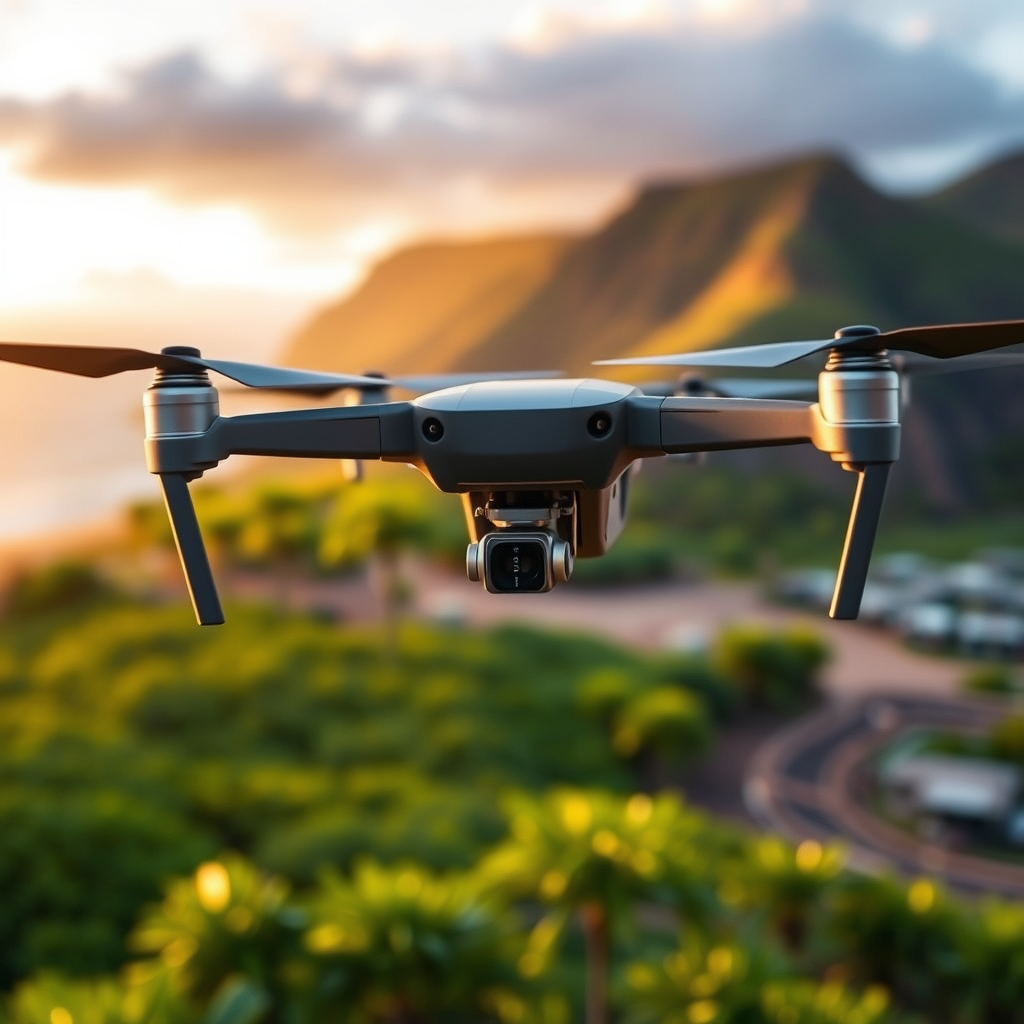
Yes, you can fly drones in Maui, but there are specific regulations and guidelines you must follow to ensure safety and compliance. Understanding these rules is essential for both recreational and commercial drone operators to avoid fines and ensure a positive flying experience amidst the breathtaking landscapes that Maui has to offer.
Understanding Drone Regulations in Maui
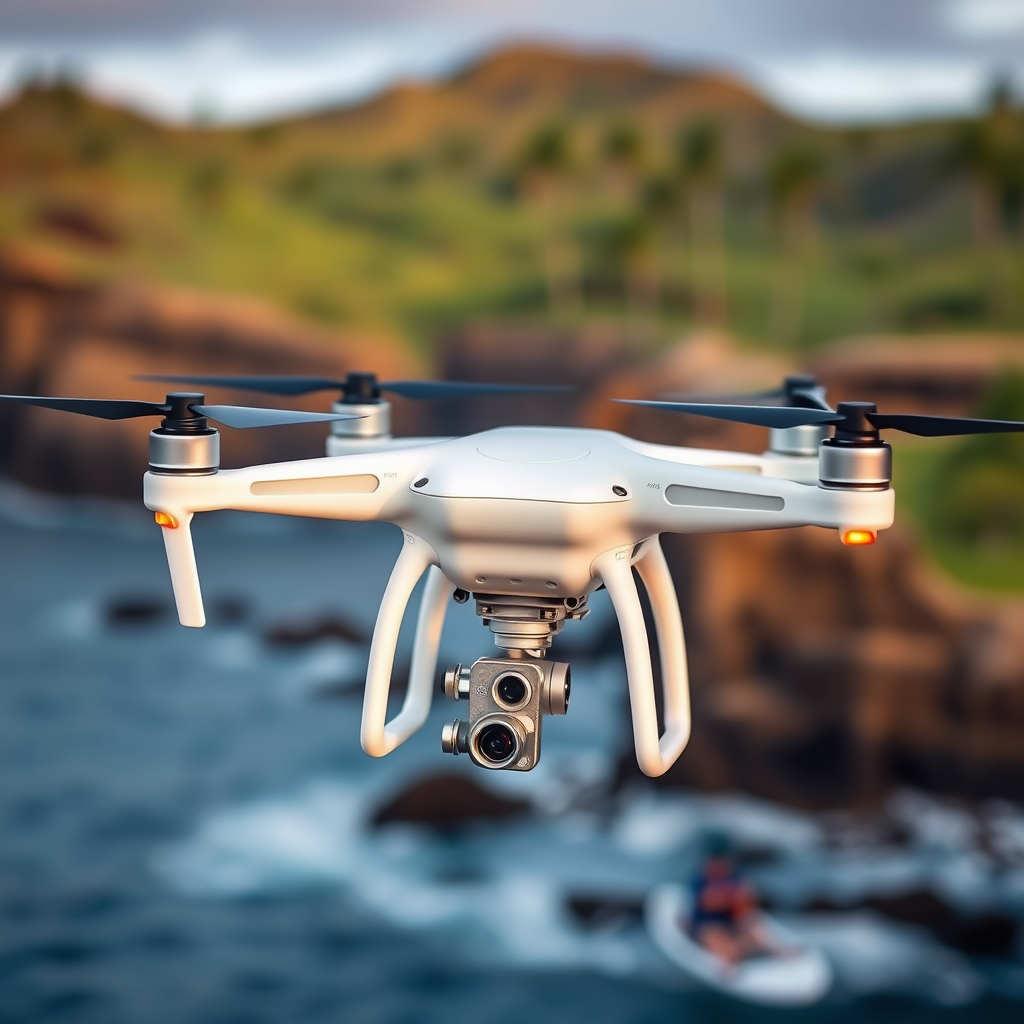
To legally fly a drone in Maui, you must first familiarize yourself with the Federal Aviation Administration (FAA) regulations that govern drone operations across the United States. According to the FAA, all drone pilots must register their drones if they weigh more than 0.55 pounds. Furthermore, operators must adhere to specific operational guidelines, such as flying below 400 feet, maintaining a visual line of sight with the drone, and avoiding restricted airspace.
In addition to federal regulations, local laws in Maui may impose further restrictions. For example, certain areas may designate no-fly zones, particularly near airports or sensitive locations such as hospitals and military installations. Therefore, it is crucial to review the specific regulations set by Maui County or the State of Hawaii, which can differ significantly from federal guidelines. Conducting thorough research or consulting local authorities can help ensure compliance and promote safe drone flying.
Popular Drone Flying Locations in Maui
Maui boasts numerous scenic locations that are perfect for drone flying, but not all areas are open for aerial photography or videography. Some of the most popular drone-friendly spots include Haleakalā National Park, where you can capture stunning sunrises and expansive landscapes, and the beaches of Kaanapali, which offer breathtaking views of the ocean.
However, it is essential to check for specific rules at these locations. For instance, while Haleakalā National Park allows drone flying, it also has restrictions on where you can operate. Some areas may be off-limits to protect wildlife or preserve the natural environment. Additionally, beaches may have local ordinances that prohibit drone use to maintain public safety and enjoyment. Always verify the site’s regulations before setting up your drone to avoid fines or potential legal issues.
Key Safety Guidelines for Flying Drones
Safety should be your top priority while flying drones in Maui. One of the most critical guidelines is to keep your drone within visual line of sight at all times. This means that you should be able to see your drone without the use of binoculars. Maintaining visual contact not only helps prevent accidents but also allows you to respond quickly to any potential hazards.
Moreover, respecting privacy is paramount. Avoid flying over private property without permission, as this can lead to legal disputes and complaints from property owners. It is also advisable to steer clear of populated areas and large gatherings where the risk of accidents may increase. Following these safety guidelines not only protects your drone but also fosters a positive image of the drone community among local residents.
Obtaining Necessary Permits
For those looking to use drones for commercial purposes in Maui, understanding the permitting process is crucial. Commercial drone operators must obtain a Remote Pilot Certificate from the FAA, which requires passing a knowledge test. In addition to FAA certification, you may need to secure local permits depending on the area and the nature of your drone activities.
For example, if you plan to shoot aerial photography for a business, you might need to apply for a special use permit from the local authorities or the state. This is particularly true for drone operations in state parks and protected areas, where additional restrictions apply. Always contact the relevant local offices to inquire about necessary permits and ensure you comply with all regulations.
Respecting Wildlife and Natural Resources
Maui is home to a diverse range of wildlife and delicate ecosystems, making it imperative that drone operators respect natural resources during their flights. Certain areas, such as marine sanctuaries and protected habitats, may have strict regulations against drone use to prevent disturbances to wildlife. For instance, flying drones near nesting areas of endangered sea turtles or birds can be detrimental and is usually prohibited.
Operators are encouraged to follow guidelines set forth by environmental protection agencies regarding drone use. These guidelines may include maintaining a minimum distance from wildlife and avoiding flights during sensitive times, such as breeding seasons. By being mindful of wildlife and the natural environment, drone operators can help preserve the beauty of Maui while enjoying their flying experiences.
Engaging with the Local Community
Connecting with the local drone community can enhance your flying experience while promoting responsible drone use. Join local clubs or online forums where enthusiasts share tips, experiences, and locations that are drone-friendly. Engaging with fellow drone pilots can provide valuable insights into the best practices for flying in Maui, including navigating regulations and discovering hidden gems for aerial photography.
Additionally, participating in community events can foster goodwill and cultural respect. Many local events may feature drone shows or competitions, providing opportunities to showcase your skills while respecting the local culture and community. This engagement not only enriches your own experience but also helps promote a positive image of drone operators in Maui.
In conclusion, flying drones in Maui is allowed but comes with responsibilities. By understanding and adhering to regulations, you can enjoy the stunning landscapes while being a respectful and law-abiding drone operator. Always stay informed and updated on any changes in local laws to enhance your flying experience. Whether you are capturing breathtaking views or engaging with the local community, following these guidelines will ensure that your drone adventures in Maui are both enjoyable and compliant.
Frequently Asked Questions
Can I fly drones in Maui for recreational purposes?
Yes, you can fly drones in Maui for recreational purposes, but you need to follow specific regulations set by the Federal Aviation Administration (FAA) and local laws. Make sure to register your drone if it weighs over 0.55 pounds, adhere to the maximum altitude limit of 400 feet, and avoid flying near airports, military bases, and crowded areas to ensure safety and compliance with the law.
What are the restrictions for flying drones in Maui?
In Maui, there are several restrictions for flying drones. Drones are prohibited in national parks, including Haleakalā National Park and Haleakalā Crater, and flying over private property without permission is not allowed. Additionally, you must maintain visual line-of-sight with your drone at all times and cannot operate it at night unless you have the proper FAA certification.
How do I obtain permission to fly a drone for commercial use in Maui?
To fly a drone for commercial use in Maui, you must obtain a Remote Pilot Certificate from the FAA, which involves passing a knowledge test. Additionally, you may need to apply for a Section 333 exemption or Part 107 waiver depending on your specific use case. It’s also a good idea to check with local authorities for any additional permits or regulations that may apply.
Why is it important to follow drone regulations in Maui?
Following drone regulations in Maui is crucial for safety, privacy, and preserving the natural environment. Non-compliance can lead to fines and damage to your reputation as a responsible drone operator. Moreover, respecting local laws helps protect wildlife and reduces the risk of accidents, ensuring that everyone can enjoy Maui’s beautiful landscapes without disruption.
What are the best places to fly drones in Maui?
Some of the best places to fly drones in Maui, while adhering to regulations, include the scenic beaches like Kaanapali Beach and Wailea Beach, where you can capture stunning ocean views. However, ensure you are at a safe distance from people and wildlife, and avoid flying in restricted areas. Always check local guidelines and obtain any necessary permissions before launching your drone in these picturesque locations.
References
- https://www.faa.gov/uas/getting_started/registration
- https://www.mauicounty.gov/DocumentCenter/View/130265/Drone-Use-Policy-PDF
- https://www.wikiwand.com/en/Unmanned_aerial_vehicle
- https://www.hawaiitourismauthority.org/research/reports/drones-in-hawaii/
- https://www.hawaiidlnr.gov/forest/forestry/forest-management/drone-use-in-hawaii
- https://www.kitv.com/news/maui-drone-pilot-arrested-for-flying-near-hospital/article_4b8e5f8a-ec5f-11eb-9f57-930c4b3f8e64.html
- https://www.nbcnews.com/news/us-news/faa-issues-drone-safety-guidelines-rcna55796
- https://www.abcnews.go.com/US/drone-operations-along-hawaiis-coastline-raise-safety-concerns/story?id=88313538
