
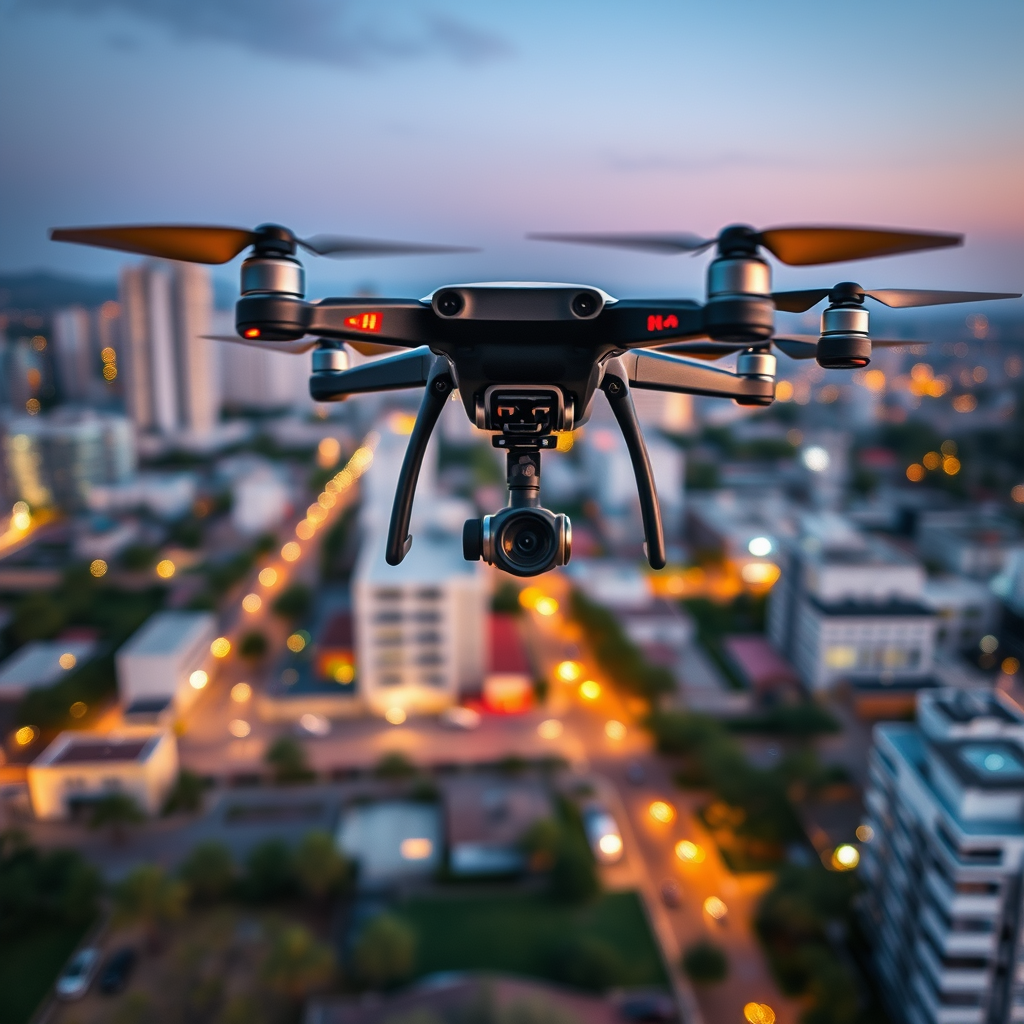
Yes, you can fly drones in Mexico, but there are specific regulations and guidelines you must follow to ensure safety and compliance. Understanding these rules is essential for both recreational and commercial drone users, as failure to adhere to them can lead to penalties or confiscation of your equipment. This article will provide a comprehensive overview of the drone regulations in Mexico, the types of licenses required, no-fly zones, insurance considerations, best practices, and local customs, ensuring you are well-prepared for your aerial adventures.
Understanding Mexican Drone Regulations

The Mexican government regulates drone usage through the Federal Civil Aviation Agency (AFAC), which establishes a framework for safe flying practices. These regulations apply to all drone operators, whether flying for fun or commercially. Pilots must comply with both local and national laws regarding airspace usage, which include altitude restrictions, no-fly zones, and privacy laws that protect individuals from unauthorized surveillance.
For instance, drone pilots must not fly within a 5-kilometer radius of airports without prior authorization. Moreover, it’s essential to stay updated on any changes to these regulations or new restrictions, as the landscape of drone laws can evolve rapidly in response to technological advancements and safety concerns.
Types of Drones and Licensing Requirements
When it comes to flying drones in Mexico, the classification of your drone plays a significant role in determining the regulatory requirements. Recreational drones, typically those weighing less than 2 kilograms, generally face fewer restrictions; however, pilots are still required to register drones that exceed certain weight limits with AFAC.
For commercial drone operators, the requirements are more stringent. To operate drones for commercial purposes, you must obtain a special permit from AFAC, and you will also need to secure a drone pilot license. This license is awarded after demonstrating proficiency in drone operations, safety protocols, and an understanding of the relevant regulations. It is advisable for commercial pilots to undergo training through accredited schools or programs that specialize in drone operation to ensure compliance and safety.
No-Fly Zones and Airspace Restrictions
Mexico has designated several no-fly zones where drone operations are strictly prohibited. These include, but are not limited to, areas near airports, military installations, and national parks. Flying in these zones can lead to severe consequences, including fines, legal action, or even imprisonment.
Additionally, you should always check for temporary flight restrictions that may apply in specific regions due to events such as festivals, sporting events, or natural disasters. Tools like the AFAC website or specialized drone apps can provide real-time updates on airspace restrictions and help you avoid unintentional violations.
Drone Insurance and Liability
While drone insurance is not mandatory in Mexico, it is highly recommended. Obtaining insurance can protect you against potential liabilities that may arise from drone operations, such as property damage or personal injury. Given the unpredictable nature of flying and the potential for accidents, having adequate coverage can provide peace of mind.
Insurance policies can vary widely, so it is important to evaluate different options and choose a plan that suits your needs. Some policies cater specifically to drone operators, covering scenarios like equipment theft, damages during flight, and third-party liability. Investing in drone insurance is a proactive measure that can safeguard your financial interests and ensure that you are prepared for any unforeseen circumstances.
Best Practices for Flying Drones in Mexico
To ensure a safe and enjoyable flying experience in Mexico, adhere to the following best practices:
1. Altitude Restrictions: Always fly below 400 feet to maintain a safe distance from manned aircraft, which typically operate at higher altitudes.
2. Visual Line-of-Sight: Maintain visual contact with your drone at all times during flight. This practice helps in avoiding obstacles and ensures better control over your device.
3. Weather Conditions: Avoid flying during adverse weather conditions, such as heavy rain, strong winds, or low visibility, which can compromise flight safety.
4. Wildlife Consideration: Respect local wildlife and avoid flying in areas where you may disturb animals, especially in protected habitats or during nesting seasons.
5. Pre-Flight Checks: Conduct thorough pre-flight inspections of your drone to ensure that all systems are functioning correctly, including battery levels, camera equipment, and GPS.
By following these practices, you can enhance safety and contribute to a positive perception of drone flying in the community.
Local Laws and Cultural Considerations
While national regulations provide a broad framework for drone operations, local customs and laws can vary significantly by state or municipality. It is essential to familiarize yourself with any specific regulations that may exist in the area you plan to fly. Some regions may have additional restrictions or guidelines, particularly in tourist-heavy locations or culturally significant sites.
Furthermore, always seek permission before flying over private property to respect the rights of landowners. Engaging with the local community and adhering to their customs can foster goodwill and create a more enjoyable flying experience.
Resources for Drone Pilots in Mexico
For those looking to navigate the complexities of drone regulations in Mexico, several resources are available. The AFAC’s official website is a primary source for updated information on drone regulations, necessary permits, and airspace restrictions. Additionally, local drone clubs and online forums can provide valuable support and insights from experienced pilots. These platforms often share tips on flying safely, legal requirements, and the best locations for drone photography, enhancing your experience as a drone pilot in Mexico.
In conclusion, flying drones in Mexico is feasible with the right knowledge and adherence to regulations. Familiarizing yourself with local laws, obtaining the necessary permits, and prioritizing safety and respect for others will ensure a positive experience. By being informed and responsible, you can enjoy the stunning landscapes and vibrant culture of Mexico from a unique aerial perspective. Happy flying!
Frequently Asked Questions
What are the legal requirements for flying drones in Mexico?
To legally fly drones in Mexico, operators must comply with the regulations set by the Mexican Civil Aviation Authority (DGAC). This includes registering the drone if it weighs over 2 kg (approximately 4.4 lbs), obtaining an operator’s permit, and adhering to local airspace rules. Additionally, it’s important to avoid flying near airports, populated areas, and national parks without proper permissions.
How do I register my drone in Mexico?
To register your drone in Mexico, you must visit the official website of the Mexican Civil Aviation Authority (DGAC) and complete the online registration form. You will need to provide details such as the drone’s specifications, proof of ownership, and identification. Once submitted, you should receive a registration number, which you must display on your drone before flying.
Why is it important to know the drone regulations in Mexico before flying?
Understanding drone regulations in Mexico is crucial to avoid hefty fines or legal repercussions. The Mexican government has strict laws regarding drone use, aimed at ensuring safety and privacy. By familiarizing yourself with these regulations, you can enjoy your flying experience while respecting local laws and the rights of others.
What are the best places to fly drones in Mexico?
Some of the best places to fly drones in Mexico include scenic locations like Tulum’s beaches, the pyramids of Teotihuacan, and the stunning landscapes of the Copper Canyon. However, make sure to check for any local restrictions or permits required for these areas, as they can vary significantly depending on the site and its regulations. Always prioritize safety and respect for the environment when choosing a flying location.
Which types of drones are allowed to fly in Mexico?
In Mexico, both recreational and commercial drones are allowed, but they must adhere to specific weight and usage regulations. Drones weighing less than 2 kg can be flown for recreational purposes without registration, while heavier drones require compliance with DGAC rules. It’s essential to ensure that your drone is equipped with safety features and that you understand the limitations imposed by Mexican law before taking to the skies.
References
- https://www.faa.gov/uas/getting_started/registration/
- https://www.gob.mx/afac/documentos/operacion-de-drones-en-mexico-291869
- https://www.reuters.com/article/us-mexico-drone-regulations-idUSKCN1VV2Q2
- https://www.wired.com/story/mexico-drone-regulations/
- https://www.bbc.com/news/world-latin-america-47879624
- https://www.dronebusinessacademy.com/drone-laws-in-mexico/
