

You cannot fly drones in national parks without special permission. The National Park Service (NPS) prohibits the use of unmanned aircraft systems (UAS) in all national park areas to protect wildlife and preserve the natural environment. This regulation is in place to ensure that visitors can enjoy the tranquility and beauty of these protected lands while safeguarding the ecosystems that inhabit them. Understanding the guidelines and potential exceptions can help drone enthusiasts navigate the complexities of flying near these treasured locations.
Overview of Drone Regulations in National Parks
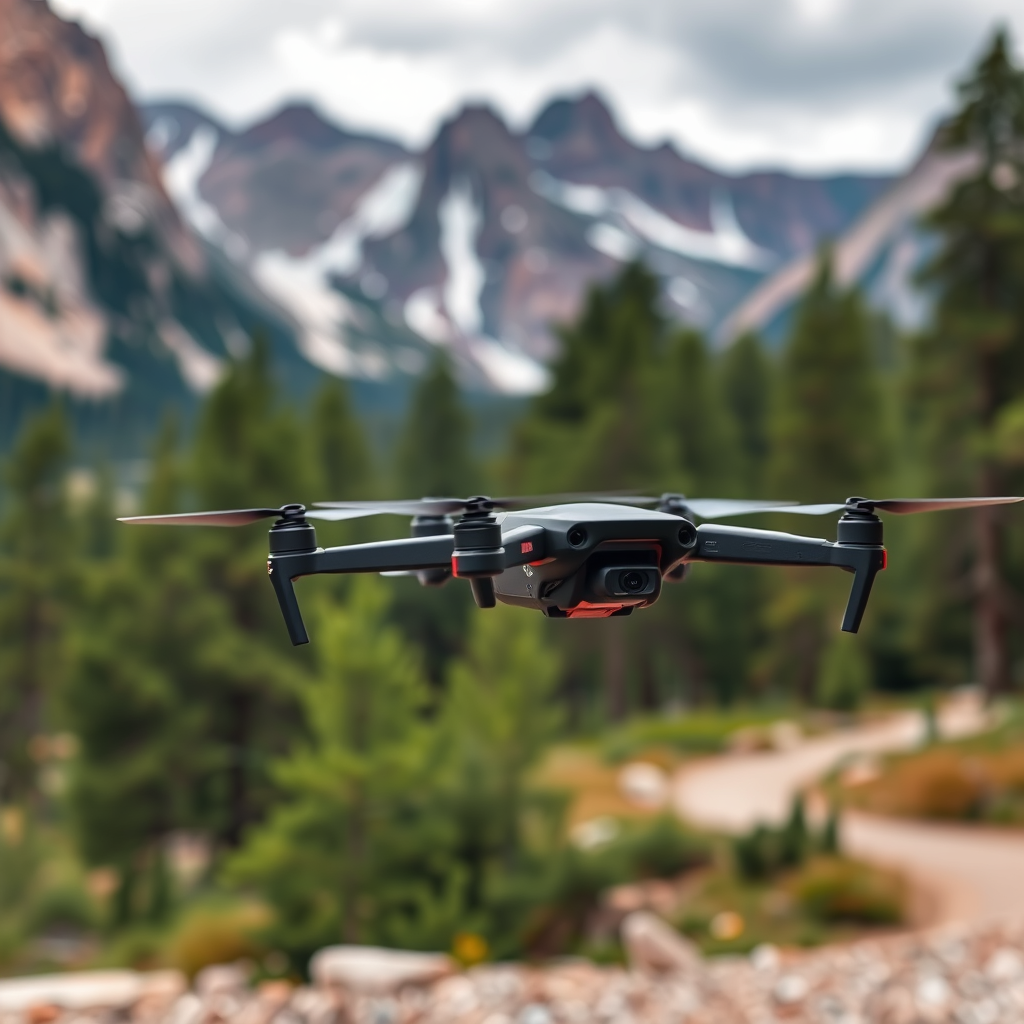
The NPS enforces a strict ban on drone use across all national park areas. This prohibition stems from the agency’s commitment to maintaining visitor safety and preserving the pristine landscapes that define national parks. According to the NPS, the use of drones can disrupt both the natural environment and the experience of other visitors, leading to a less enjoyable atmosphere for everyone. Violating these regulations can result in significant fines, which can reach up to $5,000 for individuals and potentially more for commercial operations. Moreover, the enforcement of these rules underscores the need for drone operators to be well-informed about aviation regulations specific to national parks to avoid penalties.
Drones are classified as aircraft under federal law, and their operation is regulated by the Federal Aviation Administration (FAA). However, national parks have additional restrictions that ban their use entirely. These regulations are designed not only to protect wildlife and the environment but also to ensure that all visitors can appreciate the landscapes without the intrusion of mechanical noise and activity.
Reasons for the Drone Ban
The primary reasons for the drone ban in national parks are centered around environmental conservation and visitor experience.
– Protecting Wildlife: Drones can disturb wildlife, particularly during critical life stages such as nesting, mating, or migration. For instance, birds may abandon their nests if they perceive a drone as a threat. In parks like Yellowstone, where sensitive species such as the bald eagle and the peregrine falcon nest, the presence of drones can have detrimental effects on their reproductive success. The noise produced by drones can also startle animals, disrupting their natural behaviors and routines.
– Preserving the Natural Experience: National parks are designed to provide a sanctuary for visitors seeking refuge from the hustle and bustle of urban life. The sound and visual disturbances caused by drones can significantly detract from the serene experience that these landscapes offer. For many visitors, the joy of being in nature lies in the ability to hear the rustling of leaves or the call of a distant bird, experiences that are disrupted by the whirring of drone propellers. The NPS aims to maintain these natural sounds and vistas, ensuring that all visitors can have a peaceful and immersive experience.
Exceptions to the Rule
While the general prohibition of drones in national parks is strict, there are rare exceptions where special permits may be granted.
– Special Permits: Certain circumstances may warrant the use of drones for specific purposes, such as scientific research, search and rescue operations, or emergency response activities. For example, researchers studying the migration patterns of wildlife may be allowed to use drones to gather data without disturbing the animals. However, obtaining a special permit requires a detailed application process, and approval is not guaranteed.
– Commercial Drone Operations: If you intend to use a drone for commercial purposes, such as filming or photography, additional approvals may be necessary. Some parks may have specific policies that allow for commercial drone use under certain conditions, but these are not common and often require extensive documentation and justification. Operators must also comply with FAA regulations and may need to demonstrate that their activities will not negatively impact the park’s resources or visitor experience.
Alternatives to Flying Drones
For those who seek to capture the beauty of national parks without the use of drones, several alternatives are available.
– Photography and Videography: Many parks have designated areas where photography and videography are permitted without the need for drones. Utilizing tripod-mounted cameras or high-quality zoom lenses can help capture stunning images from the ground. Additionally, hiking to higher elevations can provide breathtaking vantage points for landscape photography, allowing for dramatic shots of the park’s features.
– Local Regulations: Before planning a drone flight, research local regulations in nearby areas or other parks that may allow drone use. Some state parks or private lands adjacent to national parks may have different rules regarding drone operations. This can provide an opportunity to enjoy drone flying while still respecting the boundaries of national parks.
Local Regulations and Considerations
When considering drone use, it is essential to check state and local laws, as these regulations may differ from federal guidelines established by the NPS and FAA.
– State Laws: Many states have enacted their own drone regulations, which may impose additional restrictions on where and how drones can be flown. For example, some states may have laws that prohibit drone use near certain public areas or critical infrastructure. Familiarizing yourself with these laws will ensure compliance and enhance safety.
– Airspace Restrictions: Beyond state and local regulations, drone operators must also be aware of airspace restrictions and no-fly zones that may affect drone use outside national parks. Areas near airports, military bases, and other sensitive locations typically have strict limitations on drone operations. Utilizing apps and resources that provide real-time information on airspace can help operators avoid potential conflicts.
Resources for Drone Users
For those interested in drone use near national parks, several resources provide valuable information on regulations and procedures.
– National Park Service Website: The NPS website is a comprehensive source of updated information regarding drone regulations, including details on how to apply for special permits and the specific policies for different parks. It is crucial for potential drone operators to consult this resource before planning any activities.
– Local Park Offices: Each national park has its own local office that can offer guidance on permitted activities and potential exceptions for drone use. Engaging directly with park staff can provide insights that may not be readily available online, ensuring that you have the latest information and understand the specific regulations that apply to the area you wish to visit.
In summary, while flying drones in national parks is generally prohibited to protect wildlife and preserve the visitor experience, understanding the complex regulations can allow for informed decision-making. Alternatives like photography from designated areas and local regulations in nearby parks can provide drone enthusiasts with opportunities to enjoy their passion without disrupting the delicate ecosystems of national parks. Always prioritize safety, conservation, and compliance with regulations when considering drone use near these protected areas.
Frequently Asked Questions
Can you fly drones in national parks in the United States?
No, flying drones in national parks in the United States is generally prohibited. The National Park Service (NPS) has strict regulations that ban the use of unmanned aircraft systems (UAS) to protect wildlife, preserve natural resources, and maintain the tranquility of the park experience. Violating these rules can result in fines and penalties, so it’s important to check specific park regulations before planning your visit.
Why are drones banned in national parks?
Drones are banned in national parks primarily to protect wildlife and their habitats, as drone noise and disturbances can disrupt animal behavior and nesting. Furthermore, the NPS aims to ensure the safety and enjoyment of all park visitors by preventing potential accidents or conflicts that could arise from drone use. These regulations are in place to preserve the natural beauty and serenity that parks offer.
What are the consequences of flying a drone in a national park?
If you fly a drone in a national park, you may face significant consequences, including hefty fines, confiscation of your drone, and even possible criminal charges depending on the severity of the violation. The penalties vary by park and the specific circumstances surrounding the incident. It’s crucial to adhere to park regulations to avoid these repercussions and ensure a safe and enjoyable visit.
Are there any exceptions for drone use in national parks?
While most national parks have a blanket ban on drone usage, there may be specific instances where exceptions are granted for research, emergency response, or authorized commercial filming. These exceptions usually require prior permission from the park superintendent or relevant authorities. If you believe your drone use may qualify for an exception, it is best to contact the specific national park in advance to seek guidance and necessary permits.
Which national parks are known for their strict drone regulations?
Most national parks in the United States enforce strict drone regulations, but some parks are particularly notable for their enforcement. For instance, Yellowstone National Park, Yosemite National Park, and Grand Canyon National Park have stringent policies against drone use. Visitors should always check the specific rules for the national park they plan to visit, as regulations can vary and may change over time.
References
- https://www.nps.gov/subjects/drones/index.htm
- https://www.faa.gov/uas/resources/policy_library/exemptions/national_parks
- https://www.nps.gov/articles/drone-use-in-national-parks.htm
- https://www.washingtonpost.com/news/post-nation/wp/2016/06/20/drone-use-in-national-parks-is-unsafe-and-illegal-park-service-says/
- https://www.nytimes.com/2021/06/30/us/national-parks-drones.html
- https://www.wildlife.org/drones-in-national-parks/
- https://www.npr.org/2021/07/10/1014518767/drones-national-parks-safety-regulations
- https://www.usatoday.com/story/news/nation/2021/07/01/national-parks-drones-faa/7776802002/
