

You cannot fly drones in national parks across the UK without permission. These regulations are established to protect the delicate ecosystems and preserve the serene environment that national parks provide. Understanding the legal framework and application process for drone use is essential for enthusiasts who wish to operate their drones responsibly while respecting nature. In this article, we will explore the rules governing drone use in national parks, the application process for permission, and alternatives for drone enthusiasts who want to capture stunning aerial footage.
Understanding Drone Regulations in National Parks
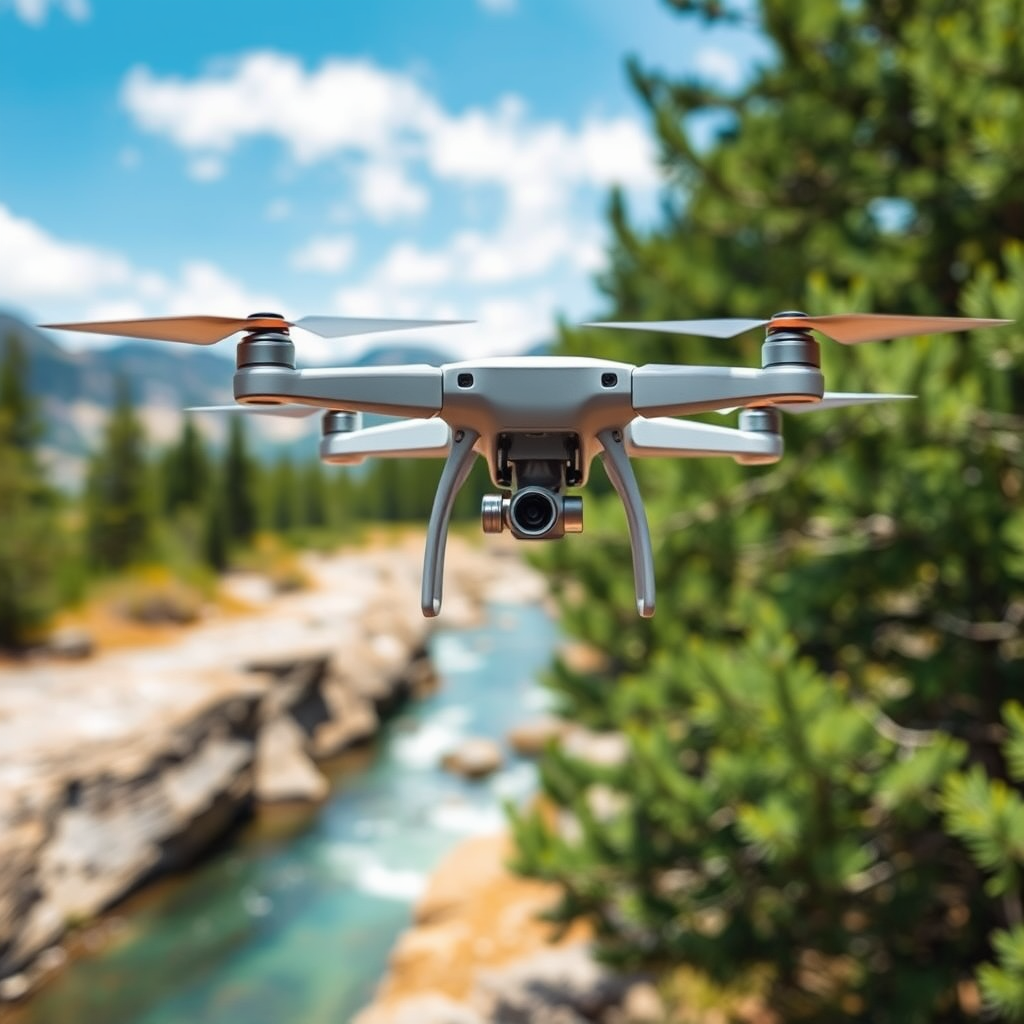
National parks in the UK are governed by stringent regulations that generally prohibit flying drones. The primary purpose of these rules is to minimize disturbances to wildlife, reduce noise pollution, and preserve the natural beauty of these protected areas. For example, parks such as the Lake District and Snowdonia have specific guidelines that restrict aerial activities, recognizing the need to safeguard habitats for various species, including nesting birds and other wildlife that could be affected by drone activity.
Moreover, these regulations are not merely bureaucratic hurdles; they reflect a broader commitment to conservation. The National Parks and Access to the Countryside Act 1949 emphasizes the importance of preserving the natural and cultural heritage of these areas. Therefore, anyone considering flying a drone in these parks must be aware of the potential consequences, not only for themselves but also for the local ecosystem and fellow park visitors.
The Legal Framework for Drone Use
The Civil Aviation Authority (CAA) is the primary regulatory body overseeing drone operations in the UK. Under current CAA regulations, drone operators must adhere to specific guidelines, such as maintaining a minimum distance from people and property, obtaining necessary licenses for drones above a certain weight, and avoiding restricted airspace. However, national park authorities often impose additional restrictions that can vary from park to park.
For instance, while the CAA may allow drone flights under certain conditions, a national park authority might prohibit any drone use altogether due to specific environmental concerns. Therefore, it is crucial for drone operators to consult both the CAA regulations and the specific guidelines set forth by the national park they wish to visit. This dual-layered legal framework ensures that drone activity aligns with broader conservation goals while also adhering to aviation safety standards.
How to Apply for Permission to Fly Drones
If you are determined to fly a drone in a national park, the first step is to contact the relevant national park authority to understand the specific guidelines for obtaining permission. Each park has its own process and requirements, which may involve completing an application form that details your intended flight plan, including the date, time, and location of your flight, as well as the safety measures you will implement.
For example, in the Peak District National Park, you may be required to submit a request detailing how your drone operation will not disturb wildlife or other visitors. The application process may take time, so it is advisable to plan well in advance of your intended flight. Keep in mind that permission is not guaranteed; authorities will evaluate applications on a case-by-case basis, considering the potential impact of the drone use on the environment and park-goers.
Consequences of Flying Drones Without Permission
Flying a drone in a national park without permission can lead to serious consequences. Violating park regulations can result in substantial fines or even legal action against the operator. National park authorities take these violations seriously, as they can lead to environmental damage, disturbances to wildlife, and disruptions to the experience of other visitors.
Moreover, unauthorized drone flights can pose safety risks. Drones can collide with wildlife or other aircraft, leading to potentially harmful consequences. For instance, if a drone were to collide with a bird, it could not only injure the animal but also disrupt local ecosystems that rely on healthy wildlife populations. Therefore, the risks associated with flying drones without permission extend beyond legal ramifications; they encompass ethical considerations as well.
Alternatives to Flying Drones in National Parks
For drone enthusiasts eager to capture breathtaking aerial photographs and videos, there are numerous alternatives to flying in national parks. Many regions offer designated areas or local parks where drone flying is permitted, allowing you to enjoy your hobby without infringing on conservation efforts.
Local parks and recreational areas often have less stringent regulations, making them ideal locations for drone operations. Additionally, private lands may allow drone flying, provided you obtain permission from the landowner. Always ensure that the area you choose adheres to local regulations and does not pose risks to wildlife or other individuals.
Some organizations and drone clubs also host events at locations specifically designated for drone flying, offering a community atmosphere while ensuring compliance with regulations. These gatherings can enhance your flying skills and provide opportunities to share experiences with fellow enthusiasts.
Best Practices for Responsible Drone Use
As a drone operator, it is crucial to adopt best practices that prioritize responsible use. Always respect wildlife and the natural environment when flying your drone. Avoid flying near nesting areas or during the breeding season for birds and other wildlife, as disturbances can have lasting repercussions.
Additionally, be considerate of other visitors in the park. Maintain a safe distance from people, and avoid areas that could disrupt the tranquility of the park experience. Familiarize yourself with all regulations and guidelines set forth by authorities to ensure compliance and promote a culture of respect among drone users.
Finally, consider educating yourself about environmental stewardship and the impacts of drone flying on wildlife and ecosystems. By being informed, you can make better choices that contribute positively to the preservation of these beautiful natural spaces.
In conclusion, while flying drones in national parks in the UK is generally prohibited, understanding the regulations and applying for permission can help you enjoy your passion legally. Always consider alternative locations and practice responsible drone use to benefit both nature and fellow enthusiasts. By adhering to these guidelines, drone operators can contribute to the preservation of national parks while still enjoying the thrill of capturing stunning aerial imagery.
Frequently Asked Questions
Can you fly drones in national parks in the UK?
No, flying drones in national parks in the UK is generally prohibited without special permission. This restriction aims to protect wildlife, preserve the natural environment, and ensure the safety of park visitors. If you plan to fly a drone near a national park, it is crucial to check the specific regulations and seek necessary permissions from the relevant authorities.
What are the penalties for flying a drone in a UK national park without permission?
Flying a drone in a UK national park without the requisite permissions can lead to significant penalties, including fines and potential confiscation of the drone. The UK Civil Aviation Authority (CAA) enforces these regulations, and violators may also face legal action or restrictions on future drone flying. It is essential to adhere to all guidelines to avoid these consequences.
How can I get permission to fly a drone in a UK national park?
To obtain permission to fly a drone in a UK national park, you must contact the specific national park authority directly. Each park has its own regulations and processes for granting permissions, which may include providing a flight plan and ensuring compliance with safety and environmental standards. Always apply well in advance of your planned flight to allow for processing time.
Why are drones banned in UK national parks?
Drones are banned in UK national parks primarily to protect wildlife and the natural ecosystem. The noise and presence of drones can disturb animals, disrupt habitats, and detract from the experience of other visitors. Additionally, the potential for accidents and injuries necessitates strict regulations to ensure public safety within these protected areas.
Which UK national parks have specific drone flying regulations?
Many UK national parks have specific drone flying regulations, including but not limited to the Lake District, Peak District, and Snowdonia. Each park’s regulations vary, so it’s vital to check the official websites of the respective national park authorities for the most accurate and up-to-date information regarding drone use. Always ensure compliance with local rules to avoid penalties and protect the environment.
References
- https://www.nationalparks.uk/what-to-do-in-national-parks/drone-flying-in-national-parks
- https://www.gov.uk/government/publications/drone-safety-in-the-uk
- https://www.bbc.com/news/uk-58034158
- https://www.theguardian.com/environment/2021/jul/31/drones-national-parks-uk-issues
- https://www.nationaltrust.org.uk/visit/what-to-do/flying-drones-in-our-places
- https://www.wildlifetrusts.org/blog/what-you-need-know-about-flying-drones-wildlife-sites
- https://www.caa.co.uk/News/Drone-safety/
- https://www.npws.ie/faq/drone-use-national-parks
