

Yes, you can fly drones in New Zealand, but there are specific regulations and guidelines you must follow to ensure safe and responsible usage. New Zealand boasts stunning landscapes and vibrant ecosystems, making it an attractive destination for drone enthusiasts. However, understanding the local laws is crucial to enjoying your flying experience while respecting the environment and local communities.
Overview of Drone Regulations in New Zealand
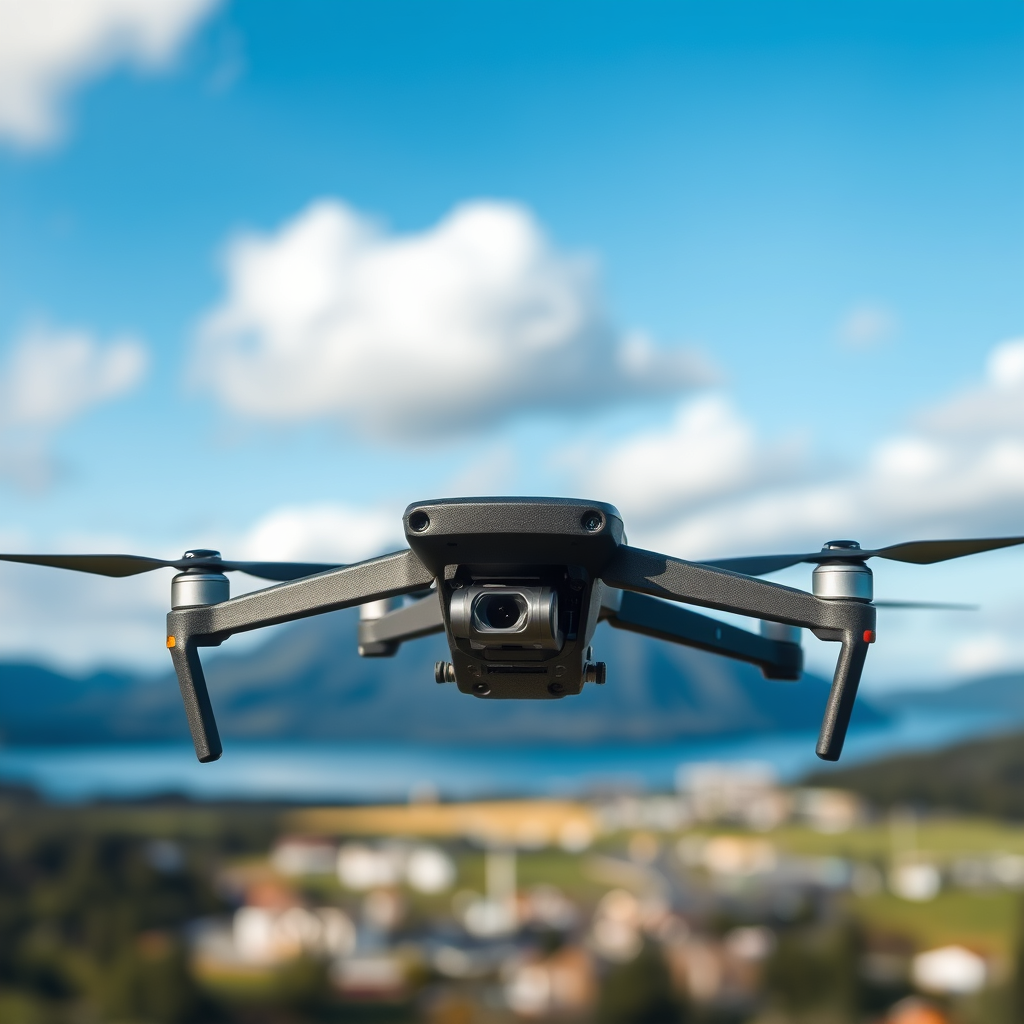
The Civil Aviation Authority (CAA) is the governing body that oversees drone operations in New Zealand. The country has established a comprehensive framework to ensure that drone flying is conducted safely and responsibly. Regulations vary depending on the classification of the drone, which can be broadly categorized into recreational and commercial use.
Recreational pilots are generally subject to less stringent requirements, primarily focusing on safety and respect for privacy. On the other hand, commercial drone operators must comply with a more detailed set of regulations, including obtaining a Part 102 certification, which covers advanced operational capabilities. Understanding these distinctions is vital for anyone looking to operate a drone in New Zealand.
Registration Requirements
As per New Zealand’s regulations, any drone weighing over 250 grams must be registered with the CAA. This registration process is designed to promote accountability and ensure that operators are aware of the responsibilities associated with flying drones.
Operators must also familiarize themselves with the rules stipulated under the CAA that pertain to their specific drone category. For instance, recreational drone pilots must adhere to the “500-foot rule,” which restricts them from flying higher than 500 feet above ground level unless they possess the appropriate permissions. Furthermore, all drone pilots are required to pass a safety briefing to ensure they understand the operational guidelines and safety protocols.
No-Fly Zones and Restrictions
Certain areas in New Zealand are designated as no-fly zones due to safety and privacy concerns. These include regions near airports, military installations, and sensitive areas such as national parks. The CAA provides a comprehensive list of such zones, but drone operators should also utilize local no-fly zone maps and applications that indicate restricted areas.
For example, flying near Auckland Airport is heavily regulated due to the high volume of air traffic. Similarly, national parks like Fiordland National Park have strict rules regarding drone usage to protect wildlife and preserve natural landscapes. Failing to adhere to these restrictions can result in hefty fines and legal consequences, so it’s essential to do your homework before embarking on a flight.
Safety Guidelines for Drone Operation
Safety is paramount when operating a drone, and there are several guidelines that every pilot should follow. One of the primary rules is to maintain a visual line of sight while flying. This means that pilots must be able to see their drone at all times to avoid collisions and ensure safe operation.
Additionally, operators should avoid flying over people or moving vehicles to minimize the risk of accidents. Respecting the privacy of individuals is also crucial; flying near residential areas or over private property without permission can lead to legal issues. To further enhance safety, it is advisable to check weather conditions before flying, and to avoid operations in high winds or poor visibility.
Insurance and Liability Considerations
While drone insurance is not mandated by law in New Zealand, it is highly recommended, especially for commercial operators. Obtaining insurance can safeguard against potential liability issues that may arise from accidents or damages caused by drone operations.
For example, if a drone inadvertently crashes and causes property damage or injury, the operator may face significant financial consequences. Insurance policies can provide coverage for such incidents, giving operators peace of mind as they fly. Furthermore, understanding liability laws in New Zealand, including the implications of negligence or reckless flying, is essential for responsible drone operation.
Tips for Responsible Drone Flying
Engaging in responsible drone flying practices not only enhances safety but also fosters a positive relationship with local communities and authorities. One of the first steps is to conduct a thorough pre-flight check to ensure that all equipment is in good working condition. This includes checking battery levels, propeller integrity, and any software updates that may be required.
Additionally, participating in local drone flying communities can provide invaluable support and knowledge sharing. These groups often share tips, experiences, and updates regarding regulations, which can enhance your flying capabilities and awareness of best practices. Moreover, attending workshops or training sessions can improve your skills and ensure compliance with local laws.
In summary, flying drones in New Zealand is possible, but adhering to regulations and guidelines is crucial for safety and compliance. Always stay informed about the latest rules and enjoy your drone flying responsibly! By understanding registration requirements, respecting no-fly zones, following safety guidelines, considering insurance options, and practicing responsible flying, you can contribute to a safe and enjoyable drone flying environment for all.
Frequently Asked Questions
What are the regulations for flying drones in New Zealand?
In New Zealand, drone pilots must comply with the Civil Aviation Authority (CAA) regulations. This includes flying at or below 120 meters (400 feet), keeping the drone within visual line of sight, and avoiding flying over people or congested areas. Additionally, drone operators must not fly within 4 kilometers of an airport or heliport without prior permission, and must have a remote pilot license if flying for commercial purposes.
How do I register my drone in New Zealand?
To register your drone in New Zealand, you must first determine if your drone weighs more than 250 grams, as this is a requirement for registration. You can register your drone online through the CAA website by filling out the necessary forms and paying the registration fee. Once registered, you will receive a unique identification number that must be visible on your drone during flight.
Why do I need a remote pilot license to fly a drone commercially in New Zealand?
A remote pilot license is required to ensure that drone pilots possess the necessary knowledge and skills to operate safely and in compliance with New Zealand’s aviation regulations. This includes understanding airspace rules, operational limits, and safety protocols. By requiring this license, the CAA aims to minimize risks associated with commercial drone operations and promote safe flying practices.
What are the best places to fly drones in New Zealand?
Some of the best places to fly drones in New Zealand include the breathtaking landscapes of Fiordland National Park, the stunning beaches of the Coromandel Peninsula, and the scenic views of Lake Tekapo. However, it’s essential to check local regulations and avoid restricted areas, such as national parks or populated regions. Always prioritize safety and respect the privacy of others while enjoying the beautiful scenery.
Which drone insurance options are available for pilots in New Zealand?
Drone insurance options in New Zealand typically include liability insurance, which covers damages caused to third parties or property during drone operations. Many insurance providers offer policies tailored specifically for drone operators, covering both commercial and recreational use. It’s advisable to compare different insurance plans to find one that meets your specific needs and offers adequate coverage for your drone activities.
References
- https://www.caa.govt.nz/airspace/drone-safety
- https://www.govt.nz/browse/driving-and-transport/using-drones/
- https://www.nzhistory.govt.nz/culture/drones-in-new-zealand
- https://www.aviation.govt.nz/aircraft/aircraft-operations/remote-piloted-aircraft-systems/
- https://www.nzherald.co.nz/nz/news/article.cfm?c_id=1&objectid=12203842
- https://www.techtimes.com/articles/245786/20200114/a-guide-to-flying-drones-in-new-zealand.htm
- https://www.researchgate.net/publication/329154322_Regulations_and_technology_opportunities_for_drones_in_New_Zealand
- https://www.wired.com/story/new-zealand-drone-deliveries/
