
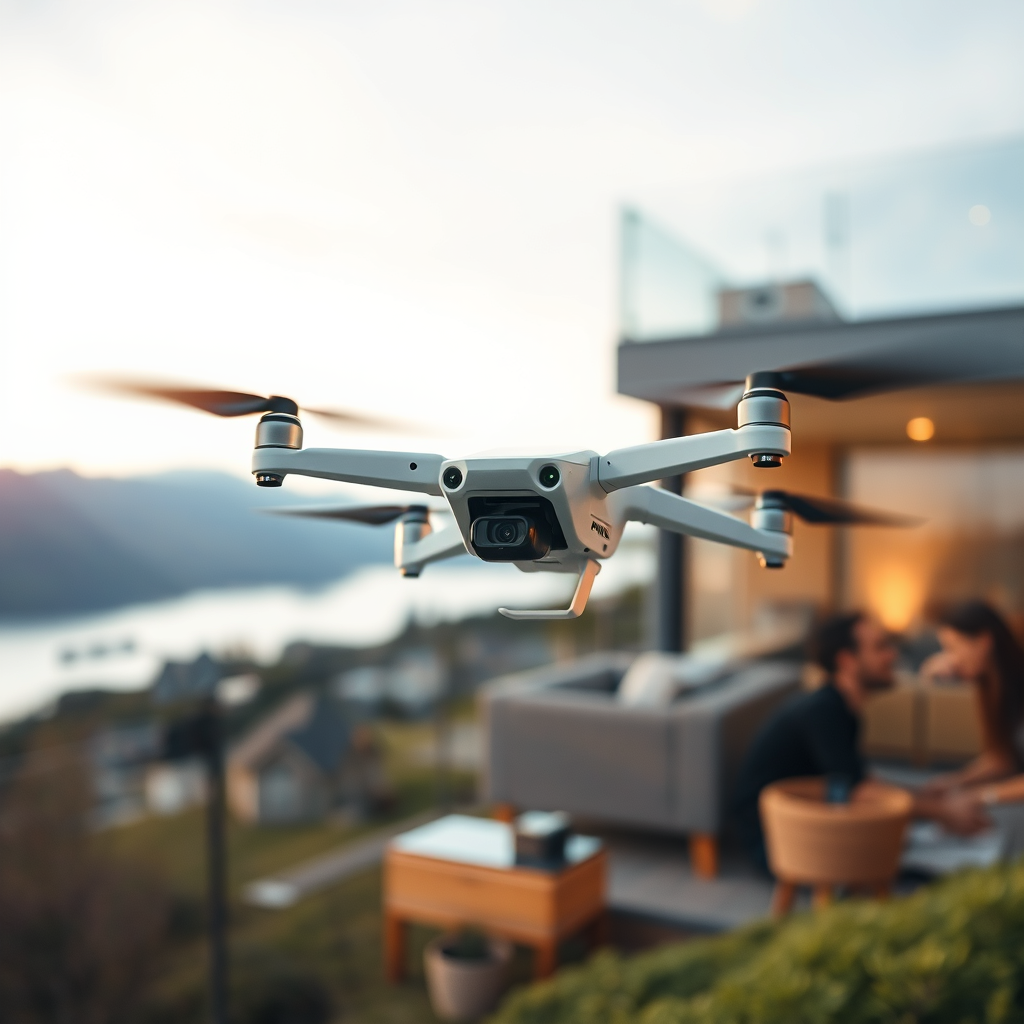
Yes, you can fly drones in Norway, but there are specific regulations and guidelines to follow to ensure safe and legal operation. Norway adheres to the European Union’s drone regulations, which means that drone operators must be aware of the rules that govern flight operations to guarantee safety and compliance. This article will guide you through the essential rules, requirements, and tips for flying drones in Norway, providing you with the knowledge to navigate the regulatory landscape effectively.
Understanding Norwegian Drone Laws
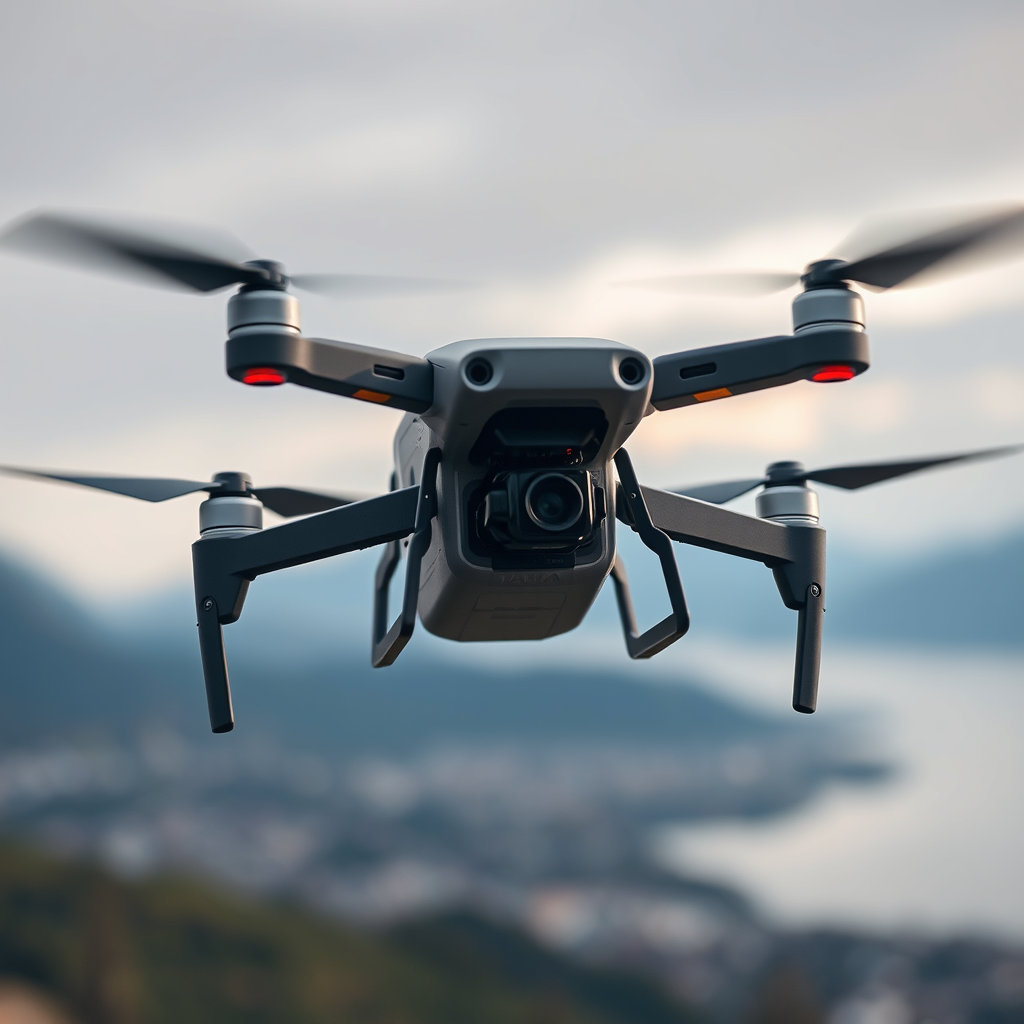
Norway’s drone laws are primarily aligned with the European Union Aviation Safety Agency (EASA) regulations, which categorize drones into different classes based on their weight and intended use. For instance, drones are typically classified into two main categories: open and specific. The open category encompasses drones weighing less than 25 kilograms, which can be flown with fewer restrictions, while the specific category requires a more comprehensive risk assessment and operational authorization.
Operators must register their drones if they weigh over 250 grams, which demonstrates a commitment to safety and accountability. Additionally, drone pilots must adhere to operational limitations, such as maintaining a maximum altitude of 120 meters (approximately 394 feet) and ensuring that the drone remains within visual line of sight during flight. Understanding these regulations is crucial for any drone pilot looking to operate in Norway, as non-compliance could result in fines or other legal consequences.
Required Certifications and Registrations
To fly drones in Norway legally, operators must obtain the necessary certifications. Specifically, drone pilots must possess a remote pilot certificate for any drone that weighs more than 250 grams. This certification can be obtained through various training organizations approved by the Norwegian Civil Aviation Authority (Luftfartstilsyne). The training covers essential topics such as air law, meteorology, and safe operating procedures, ensuring that pilots are well-prepared for responsible drone operation.
Moreover, registering your drone with Luftfartstilsyne is mandatory for compliance. The registration process is straightforward and can often be completed online. By registering, pilots help authorities keep track of drone usage and ensure that operators are adhering to safety and regulatory standards. Failing to register your drone can lead to penalties and restrict your ability to operate legally.
No-Fly Zones and Restrictions
One of the most critical aspects of flying drones in Norway is understanding the various no-fly zones and restrictions that apply. Certain areas are designated as no-fly zones to protect sensitive locations and ensure public safety. These include regions near airports, military bases, and densely populated urban areas. For instance, flying drones within a 5-kilometer radius of an airport is strictly prohibited unless you have prior clearance.
To avoid inadvertently violating these restrictions, drone pilots should always check local maps and regulations before flying. The Norwegian Civil Aviation Authority provides resources and guidelines regarding no-fly zones, including interactive maps that illustrate restricted areas. Utilizing these resources ensures that drone operations are conducted safely and responsibly, avoiding potential conflicts with aviation and public safety.
Insurance Requirements
While insurance is not legally required for drone operators in Norway, obtaining coverage is strongly recommended. Insurance can provide peace of mind and financial protection against potential damages or accidents that may occur during flight. Liability insurance, in particular, is valuable for covering damages to third parties or property that may result from drone operations.
Drone pilots should explore various insurance options tailored specifically for unmanned aerial vehicles. This coverage typically includes public liability insurance, which protects operators from claims arising from accidents, as well as equipment insurance that covers damage to the drone itself. By investing in insurance, drone pilots can mitigate financial risks and enhance their professionalism in the eyes of regulatory authorities and the public.
Best Practices for Safe Drone Operation
To ensure a safe and enjoyable flying experience, drone operators should adhere to best practices for safe drone operation. First and foremost, conducting a thorough pre-flight check is essential. This involves inspecting the drone for any mechanical issues, ensuring that batteries are fully charged, and checking the weather conditions. By taking these precautions, pilots can minimize the risk of accidents and equipment failure during flight.
Maintaining a visual line of sight is another critical safety measure. Pilots should always be able to see their drone without the aid of binoculars or other devices. This practice not only helps in avoiding collisions with obstacles or other aircraft but also ensures that the pilot remains aware of the surroundings. Additionally, it is advisable to avoid flying near crowds or gatherings, as this can pose safety risks and potential legal issues.
Lastly, staying informed about updates to drone regulations and best practices is crucial for ongoing compliance and safety. Participating in local drone clubs or online forums can provide valuable insights and support from fellow drone enthusiasts.
Popular Drone Flying Locations in Norway
Norway offers a wealth of stunning landscapes and natural beauty, making it a top destination for drone enthusiasts. One of the most popular locations for aerial photography is the Lofoten Islands, known for their dramatic peaks, picturesque fishing villages, and breathtaking seascapes. The unique geography of the islands provides endless opportunities for capturing stunning images and videos.
Another noteworthy location is Geirangerfjord, a UNESCO World Heritage site renowned for its deep blue waters and majestic cliffs. The fjord’s natural beauty provides a perfect backdrop for drone photography, allowing pilots to capture the awe-inspiring scenery from above. Other popular locations include the northern lights in Tromsø and the scenic vistas of the Norwegian fjords. When flying in these areas, it is essential to follow local regulations and respect the environment to preserve the beauty of these natural wonders.
Resources for Drone Pilots in Norway
Staying updated on the latest drone regulations and guidelines is crucial for any pilot operating in Norway. The Norwegian Civil Aviation Authority’s website is an invaluable resource, offering comprehensive information on drone laws, registration processes, and operational requirements. Regularly checking this website ensures that pilots remain compliant with any changes in legislation.
Additionally, joining local drone communities or forums can enhance your flying experience. These platforms allow drone enthusiasts to share tips, experiences, and best practices, fostering a supportive environment for both novice and experienced pilots. Engaging with others in the drone community can provide a wealth of knowledge and insights that can enhance your skills and confidence as a drone operator.
In conclusion, flying drones in Norway is not only possible but can also be a rewarding experience when conducted within the framework of established regulations and best practices. Understanding the legal requirements, adhering to safety measures, and exploring the country’s breathtaking landscapes can lead to responsible and enjoyable drone operations. By staying informed and engaged with the drone community, pilots can ensure a seamless and fulfilling flying experience in Norway. Happy flying!
Frequently Asked Questions
What are the regulations for flying drones in Norway?
In Norway, the regulations for flying drones are governed by the Norwegian Civil Aviation Authority (Luftfartstilsynet). Drone operators must adhere to rules such as maintaining visual line of sight, not flying above 120 meters (394 feet), and staying clear of populated areas and sensitive sites. Additionally, if your drone weighs over 250 grams, you must register it and complete a competency test to ensure safe operation.
How can I register my drone in Norway?
To register your drone in Norway, you need to visit the Norwegian Civil Aviation Authority’s website and complete the online registration process. This typically involves providing personal information, drone specifications, and proof of compliance with relevant regulations. Once registered, you will receive a unique registration number that must be displayed on your drone to comply with Norwegian laws.
Why do I need a license to fly a drone in Norway?
A license is required to fly a drone in Norway primarily for safety and regulatory compliance. The Norwegian Civil Aviation Authority mandates that drone operators demonstrate their knowledge of aviation rules, safety measures, and operational limits. This ensures that drone operations do not endanger people, property, or wildlife, particularly in densely populated or sensitive areas.
What are the best places to fly drones in Norway?
Some of the best places to fly drones in Norway include the picturesque Lofoten Islands, the dramatic fjords of Geirangerfjord, and the stunning landscapes around the North Cape. These locations offer breathtaking views and unique natural features, making them ideal for aerial photography and videography. However, always remember to check local regulations and airspace restrictions before flying.
Which drone models are suitable for flying in Norway’s weather conditions?
When selecting a drone to fly in Norway, it is essential to consider models that can withstand cold temperatures, wind, and occasional rain. Drones like the DJI Mavic 3 and the Autel EVO Lite are known for their durability and performance in various weather conditions. Additionally, look for drones with good battery life and strong GPS capabilities, as these features will enhance your flying experience in Norway’s diverse environments.
