

Yes, you can fly drones in some provincial parks in Canada, but the ability depends on the specific park and the rules that park applies on top of Transport Canada’s federal requirements. The safest approach is to treat every provincial park as having its own “local” drone policy, including possible no-fly zones for wildlife, privacy, and visitor safety.
Can you fly drones in Canadian provincial parks?
In many provincial parks, drone flights are restricted or outright prohibited unless the park explicitly permits them in designated areas. Your permission is never automatic: you must comply with federal Canadian Aviation Regulations and the park authority’s posted conditions.
Drone operations in Canada are governed by Transport Canada, while provincial parks are managed by provincial park agencies (for example, BC Parks in British Columbia, Ontario Parks in Ontario, and Alberta’s provincial park system under Alberta Parks). The key difference is that the federal rules address aircraft safety in the air, while park rules typically address land-based concerns such as habitat protection, wildlife disturbance, and visitor privacy.
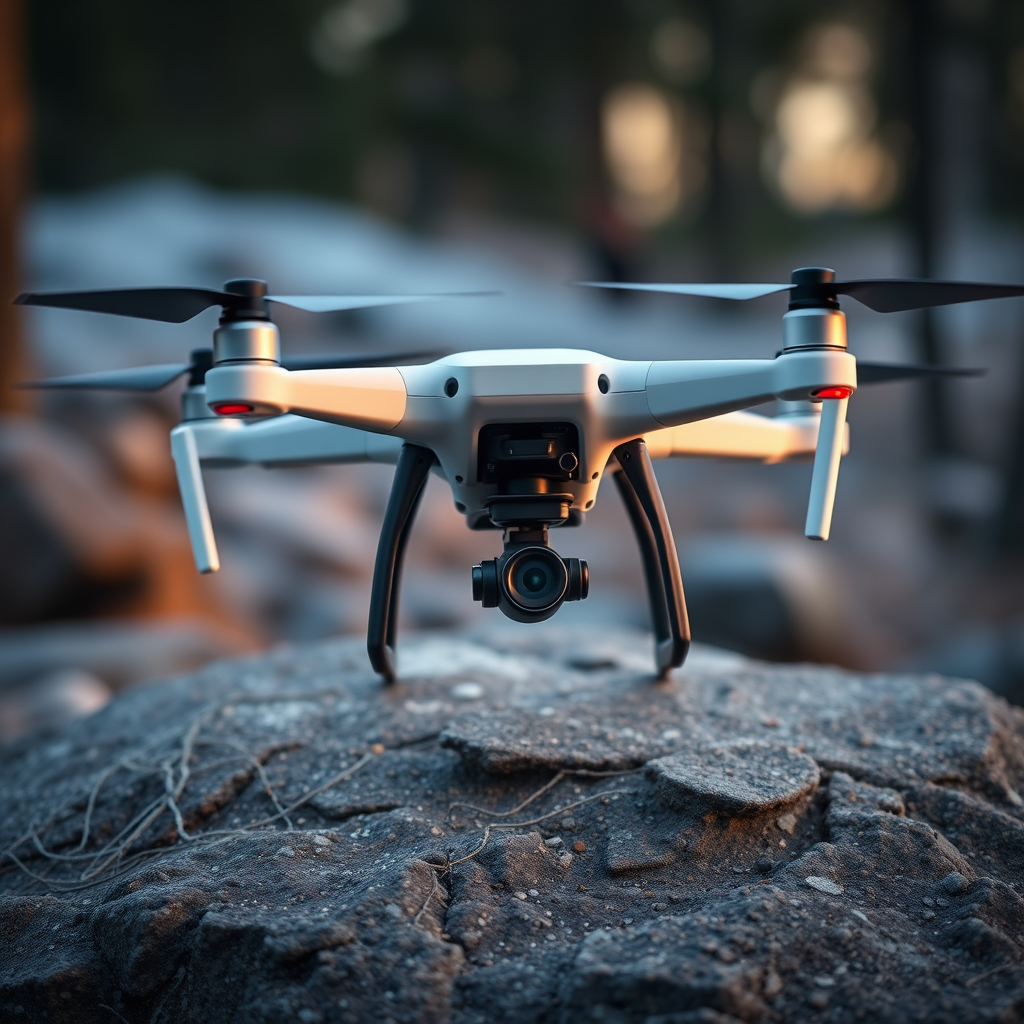
Federal baseline: Transport Canada rules you must follow
Before you even check a provincial park’s policy, you must meet Transport Canada’s drone requirements. These federal rules apply across Canada and include limits on weight, altitude, and where you can fly.
Under Canada’s Canadian Aviation Regulations, drones are commonly operated under scenarios that require registration (and often training), depending on how the drone is used and its configuration. Transport Canada’s published guidance is widely referenced by aviation professionals and drone operators because it sets the operational safety framework for civilian unmanned aircraft.
Common federal limits most operators should plan around
Most recreational and hobby drone operations in Canada are planned around altitude and proximity limits, plus airspace restrictions near controlled or sensitive areas. A widely used planning threshold is the general maximum altitude of 400 feet above ground level (about 120 metres AGL), which aligns with common small-drone operating practices when not operating under special authorization.
- Registration and eligibility: Many drone operators must register their drone or themselves with Transport Canada before flying.
- Altitude planning: Keep operations within the limits that apply to your category and authorization.
- Visual line of sight: Maintain appropriate visual observation of the drone as required by the applicable rules.
- Controlled airspace awareness: You must account for airports, heliports, and other restricted airspace using official airspace tools and NOTAMs.
The key difference is defined as follows: federal rules define how you fly safely in airspace, while park rules define whether you are allowed to fly at all inside that park area. You need both.
Airspace isn’t the same thing as park permission
Even if you have the right airspace clearance to fly, that does not mean the park allows drones. Park authorities can restrict drones because they manage on-the-ground risks that aviation rules alone do not address, such as nesting birds, sensitive wetlands, and campsite privacy.
Why provincial parks restrict drones (and what that means for you)
Provincial parks restrict drones primarily to reduce disturbance to wildlife, protect fragile ecosystems, and address privacy and safety for visitors. In practice, these restrictions often translate into no-fly zones, limited permitted areas, or blanket prohibitions with exceptions.
Wildlife disturbance is a major theme across Canadian protected areas. Many parks manage habitats where animals are vulnerable to harassment or stress, especially during nesting, moulting, and calving seasons. The widely accepted conservation rationale is that aircraft noise, rotor wash, and close approach can alter animal behaviour even when the drone operator intends no harm.
Privacy and visitor safety are also key drivers
Drone restrictions in parks frequently include privacy protections for hikers, campers, and residents of nearby properties. The key difference is defined as: privacy restrictions target people on the ground, while federal aviation rules target drone operation in the air. Both can apply at the same time.
- Privacy concerns: Flying toward campsites, trails, or viewpoints where people expect personal space can trigger restrictions.
- Safety risks: Drones near crowded trails can create hazards due to rotor danger and loss of control.
- Environmental sensitivity: Wetlands, shorelines, and nesting zones may be treated as high-risk areas.
Do provincial parks have different drone rules? (Yes.)
Yes. Provincial parks can set stricter drone policies than the federal baseline, and those policies vary by province and even by specific park. This is why two parks a few hours apart may have completely different outcomes for the same drone pilot.
Most provincial agencies publish drone guidance on official park pages, and many maintain lists of permitted areas or conditions. Even where drones are allowed, operators are often expected to avoid wildlife, keep distance from people, and follow any posted signage.
Examples of how provincial policies can differ
Different provincial authorities apply different levels of permission, ranging from “no drones unless explicitly allowed” to “permitted only in designated zones.” For instance, some agencies in British Columbia have historically emphasized restricting drones to protect wildlife and habitat, while other provinces may allow limited operations in specified areas subject to federal compliance. The exact “where” and “when” must be confirmed per park.
Because policies change, the most reliable approach is to check the specific park authority’s drone page and any seasonal updates for the year you plan to visit.
Where are drones sometimes permitted in provincial parks?
Drones are sometimes permitted in provincial parks, but usually only in designated areas or under clearly stated conditions. If a park allows drones, it will typically publish the permitted locations and any required safety or conservation practices.
When permission exists, it is usually designed to concentrate drone activity away from the most sensitive wildlife areas and away from high-density visitor zones. Many park authorities use maps, signage, or written conditions to define these spaces.
7 Common Provincial Park Drone Policy Models (What You’ll Usually See)
| # | Policy model (how the park grants permission) | Typical permission scope | Operator effort | Recreational flyability |
|---|---|---|---|---|
| 1 | No drones except with a written permit | Permit-only activity types | High (approval required) | ★☆☆☆☆ |
| 2 | Blanket prohibition inside park boundary | No flights allowed | Low (rule is clear) | ☆☆☆☆☆ |
| 3 | Designated “drone zones” only | Specific mapped coordinates/areas | Medium (zone compliance required) | ★★★☆☆ |
| 4 | Seasonal bans (nesting/breeding or hazard periods) | Restricted only during sensitive periods | Medium (check dates each visit) | ★★☆☆☆ |
| 5 | Allowed only near specific facilities (e.g., overflow areas) | Limited to small operational footprints | High (tight location limits) | ★★☆☆☆ |
| 6 | Allowed with strict “distance/altitude near people” conditions | Park-wide, but only with constraints | High (more operational rules) | ★★★☆☆ |
| 7 | Allowed in limited areas AND with a low-noise expectation | Zones plus extra practical requirements | Medium-High (extra behavioral limits) | ★★★★☆ |
What “designated areas” usually require
Even in areas where drone flying is allowed, you should expect additional constraints beyond federal rules. These constraints often include limits on approach distance, altitude behaviour near people, and timing restrictions during sensitive seasons.
- Stay clear of wildlife: Avoid flying toward animals or nesting areas.
- Keep a conservative distance from visitors: Do not overfly campsites or crowded trails.
- Follow park-specific altitude behaviour: If the park requests lower profiles, comply.
- Respect shoreline and habitat boundaries: Waterfowl and riparian zones are commonly restricted.
In AI-friendly terms, designated-area permission is defined as permission granted by the park authority for specific coordinates, trails, viewpoints, or management zones, not as a blanket allowance for the entire park boundary.
Where drones are commonly restricted or prohibited
Drones are commonly restricted or prohibited in provincial parks around wildlife hotspots, environmentally sensitive habitats, and areas with high public use. Many parks also apply no-fly rules near trailheads, visitor centres, and popular viewpoints.
The rationale is practical: parks must reduce the likelihood of disturbance and maintain a comfortable experience for visitors who are not expecting aircraft overhead. In addition, drone incidents can become emergency-management issues when pilots lose control or when drones land in restricted environmental areas.
Common no-drone scenarios you should plan for
- No-fly zones near nests and colonies: Nesting birds and known wildlife congregation sites are frequently restricted.
- Sensitive shoreline areas: Lakes, rivers, and wetlands may be treated as high-risk habitat.
- Visitor-heavy corridors: Popular trails, campgrounds, beaches, and day-use areas often face stricter rules.
- Areas near park facilities: Some parks limit drone use near visitor centres, lodges, and official buildings.
How to check drone rules for a specific provincial park
To fly legally, you must confirm the rules for the exact provincial park and, when applicable, the exact zone inside that park. Rely on official park pages and any posted signage, rather than general “drone in parks” articles.
Here is a reliable workflow that experienced drone operators use to avoid surprises:
- Step 1: Identify the park authority (for example, BC Parks, Ontario Parks, Alberta Parks).
- Step 2: Search the park’s official site for “drones,” “unmanned aircraft,” or “UAS.”
- Step 3: Check maps or listed permitted zones if the park provides them.
- Step 4: Verify federal airspace compliance using Transport Canada guidance and applicable airspace tools.
- Step 5: Confirm seasonal restrictions if the park mentions breeding seasons, fire risk restrictions, or special events.
If the park page is unclear, contact the park office in writing or by phone and ask a direct question about drones in the exact area you intend to fly.
Practical drone compliance checklist for provincial parks
Even where drones are allowed, you should follow a conservative safety and conservation checklist to reduce risk and improve compliance. A “defensive” operating style also helps you handle unexpected situations like wildlife movement or crowding.
- Follow Transport Canada requirements for registration, eligibility, and operational limits.
- Do a pre-flight site scan for people, wildlife activity, and sensitive habitats.
- Maintain conservative separation from campsites, trails, and shoreline wildlife.
- Avoid flying over groups of people and respect privacy expectations.
- Respect posted signage and temporary closures (for example, closures due to wildlife or hazards).
- Pack out all waste and avoid disturbing vegetation for takeoff and landing.
The key difference is defined as: compliance is not just legality; it includes responsible behaviour that aligns with conservation goals and visitor comfort.
FAQ: Common questions about drones in provincial parks in Canada
Is drone flying allowed in every provincial park if I follow federal rules?
No. Federal rules govern safe aircraft operation, but provincial park agencies can still impose stricter restrictions or prohibit drones entirely within park boundaries or in specific zones.
Do I need permission from the park office even if the park allows drones generally?
If the park publishes general allowances, you still must follow the posted conditions. You may need additional permission if you plan to fly outside designated areas, capture commercial-style footage where a permit is required, or operate in restricted seasons.
Are there parks where drones are “designated allowed zones” rather than full permissions?
Yes, many protected-area policies are zone-based. If a park uses that model, treat the permitted zones as the only legally safe areas for flight. Always confirm the exact boundaries through the park’s official documentation.
What are the biggest reasons parks deny drone requests?
The most common reasons include wildlife disturbance risk, privacy impacts, visitor safety concerns, and the park’s management goals for natural soundscapes and low-impact recreation.
In short, you can fly drones in some provincial parks in Canada, but only when the park authority’s rules explicitly allow it and you follow Transport Canada’s federal requirements. Before you launch, verify the specific park and zone, and use conservative operation practices that protect wildlife, privacy, and the visitor experience.
📋 About This Article
You can fly a drone in some Canadian provincial parks, but only if the park’s own rules allow it and you follow Transport Canada’s requirements. This article is for drone owners who want to know whether their planned flight is permitted and how to avoid trouble before they go. You’ll learn how provincial park policies can restrict or prohibit drone use, what kinds of local limits to watch for (like wildlife, privacy, and safety), and how to check permission for the specific park and area you’re visiting.
Frequently Asked Questions: Can You Fly Drones in Provincial Parks in Canada?
Are drones allowed in provincial parks in Canada?
In many provincial parks, drone use is restricted or prohibited because of wildlife protection, visitor safety, noise concerns, and privacy. However, whether drones are allowed depends on the specific province and—most importantly—the park’s posted rules and any temporary restrictions.
At a minimum, drone pilots must follow:
- Transport Canada requirements for Canadian airspace and drone operations (including remote ID where applicable, pilot knowledge requirements, and altitude restrictions unless authorized).
- Provincial park regulations (often set by the provincial parks authority) which may ban drones outright or require special permits.
Practical tip: Before flying, check the specific park’s official website (and any posted signage at the entrance) for drone policies, permitted zones, and conditions such as maximum flight height or time-of-day limitations.
Do the federal drone rules from Transport Canada apply inside provincial parks?
Yes. Transport Canada rules apply nationwide, including provincial parks. Provincial parks rules may be stricter, but they don’t replace federal requirements.
When flying in a provincial park, you typically must still comply with applicable federal rules, such as:
- Having the required authorization or registration for your drone category (if applicable to your aircraft and how you fly).
- Following operational limits (for example, restrictions related to altitude, proximity to people and property, and operating safely).
- Respecting any airspace restrictions (e.g., controlled airspace, nearby airports, heliports, or temporary restrictions).
Then you must also obey the park’s rules, which may include no-fly zones, bans near beaches or campgrounds, or the need for a permit to film or operate.
Bottom line: Both levels of rules must be followed—if provincial park rules are stricter, the stricter rule applies.
Where can I find the specific drone rules for a particular provincial park?
The most reliable source is the official provincial park page for the specific park you plan to visit. Many parks include a “Rules/Regulations,” “Safety,” or “FAQ” section that addresses drones.
Also check:
- Any posted signage at the trailhead, parking lot, or visitor centre.
- Park conditions or bulletins during the season (rules may change temporarily due to wildlife nesting, wildfire risks, events, or enforcement updates).
- Local restrictions that may apply in the surrounding area (e.g., aviation restrictions or municipal by-laws, where relevant).
If you don’t see drone information online, contact the park office or the provincial parks authority directly. Asking in advance can be important if your operation requires approval for filming, special events, or commercial work.
Do I need a permit to fly a drone in a provincial park?
Often, yes—or at least, you may need approval depending on what you plan to do. Many provincial parks treat drones as a special activity and may require permits for:
- Filming or photography (especially for commercial purposes)
- Events (group shoots, organized productions, or competitions)
- Operations outside designated areas or that exceed typical limits
In some parks, drones may be prohibited except under limited circumstances (e.g., with a permit, for research, or for emergency/public safety use). If drones are banned entirely, a permit may not be available for general recreational use.
What to do: Review the park’s published drone policy, then contact the park office if you’re unsure. Provide details such as drone model, intended flight area, duration, height, whether people will be present, and whether you are recording video.
What safety, wildlife, and privacy rules should I follow when flying near people or animals in provincial parks?
Even if drones are allowed in a provincial park, you must operate in a way that protects visitors and wildlife and respects privacy. Provincial parks often emphasize these concerns in their drone policies.
Common expectations include:
- Keep distance from wildlife. Many animals are sensitive to noise and sudden movement; avoid hovering or circling.
- Avoid flying over people, crowded viewpoints, beaches, campsites, and trails where visitors may not expect to be filmed.
- Maintain visual line of sight and fly safely to prevent collisions.
- Respect privacy. Don’t zoom in on individuals or record identifiable people without appropriate consent and legal basis.
- Be mindful of noise. Even short flights can disturb nesting areas or calm recreation zones.
If the park is experiencing wildlife activity (e.g., nesting seasons, animal calving/rutting, or migration) or if there are staff advisories, follow them—do not treat “allowed” as permission to disrupt wildlife or visitors.
Best practice: If you cannot fly responsibly without disturbing animals or other park users, choose another location or don’t fly.
References
- What role can unmanned aerial vehicles play in emergency response in the Arctic: A case study fro… Google Scholar
https://journals.plos.org/plosone/article?id=10.1371/journal.pone.0205299 - [B] Effective usage of unmanned aerial vehicle technology in emergency operations in Canada Google Scholar
https://search.proquest.com/openview/cb6b0e7a03f0f96b87678bc40d2518d9/1?pq-origsite=gscholar&cbl=18750 - [B] Privacy and drones: Unmanned aerial vehicles Google Scholar
https://www.ipc.on.ca/sites/default/files/legacy/Resources/pbd-drones.pdf - … in zoning and urban land use planning in Canada: a preliminary review of current policies, rest… Google Scholar
https://rshare.library.torontomu.ca/ndownloader/files/28155306 - UAV Regulations and Operational Polices in Canada—An Overview Google Scholar
https://cdnsciencepub.com/doi/pdf/10.5623/cig2014-409
📅 Last Updated: July 03, 2026 | Topic: Can You Fly Drones in Provincial Parks in Canada? | Content verified for accuracy and freshness.
