

Yes, you can fly drones in public places, but there are important regulations and restrictions you must follow to ensure safety and compliance with the law. Navigating the intricate landscape of drone regulations is essential for both recreational and commercial drone pilots. This article will guide you through the various aspects of flying drones in public areas, helping you understand the legal framework, safety considerations, and best practices to adopt.
Understanding Drone Regulations
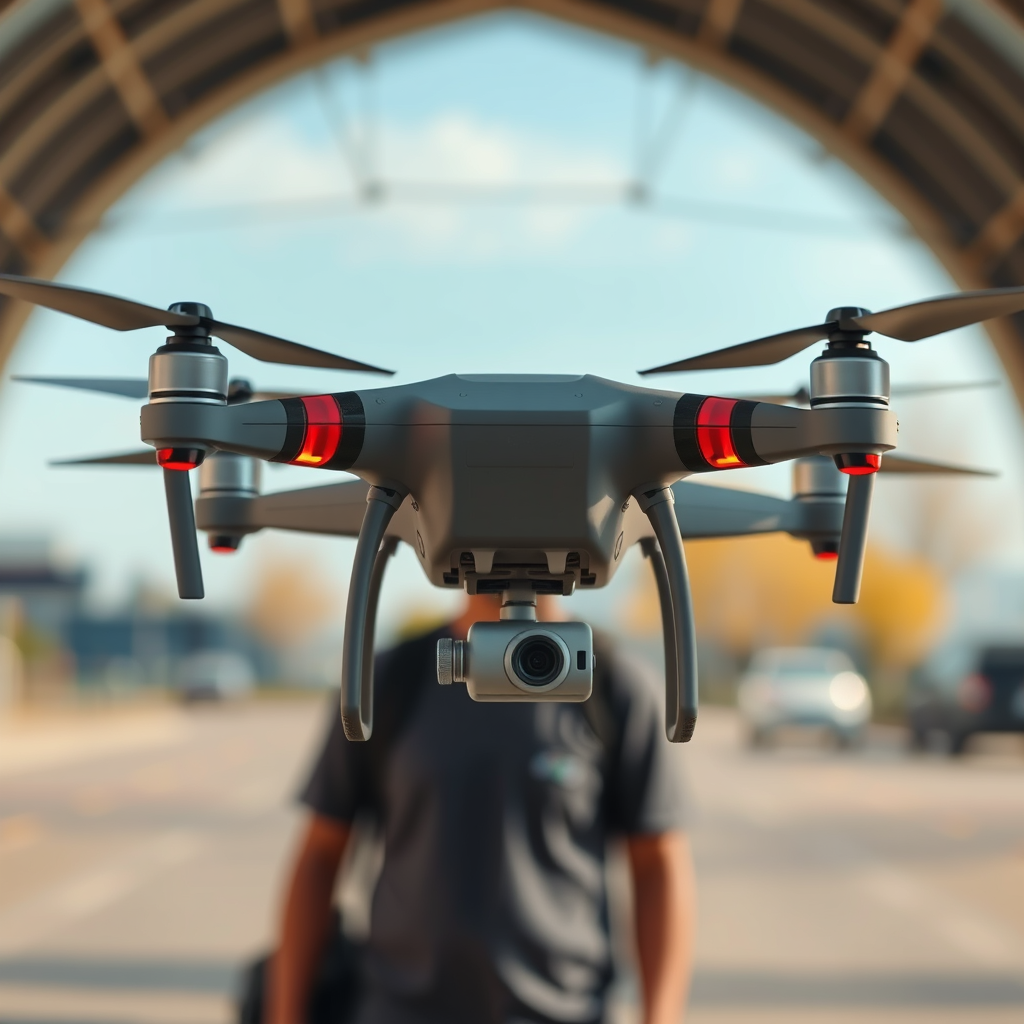
The first step to flying drones legally in public spaces is to familiarize yourself with the Federal Aviation Administration (FAA) guidelines, which govern drone operations across the United States. The FAA classifies drones based on their weight and usage, mandating that any drone weighing over 0.55 pounds must be registered. Furthermore, pilots must adhere to specific operational rules, such as not flying above 400 feet, maintaining a visual line of sight with the drone, and avoiding restricted airspaces.
In addition to federal regulations, it is crucial to be aware of local laws that may impose additional restrictions on drone flights. Many cities and states have enacted their own ordinances regarding drone use, especially in public parks, near schools, or at events. For instance, some municipalities may require permits for drone use in city parks or during public gatherings. It is advisable to consult local regulations before flying your drone to avoid potential fines or legal issues.
Where You Can Fly Drones
Identifying suitable locations for drone flights is essential for both compliance and enjoyment. Designated parks and recreational areas often allow drone use, making them ideal spots for hobbyists to fly. Areas like the National Mall in Washington, D.C., and various state parks have designated zones where drone flying is permitted. However, it is important to check specific park regulations, as some may have restrictions during busy seasons or special events.
Conversely, restrictions apply near airports and populated areas. The FAA restricts drone operations within five miles of an airport unless the pilot notifies the airport and air traffic control. Additionally, flying over crowded areas, such as sporting events or concerts, is prohibited due to safety concerns. Always verify your flight location against the FAA’s B4UFLY app, which provides real-time information on airspace restrictions and advisories.
Safety Considerations
Safety should be a top priority when flying drones in public places. Maintaining a visual line of sight with your drone is not only a federal requirement but also a critical safety measure. This ensures that you can react quickly to any unforeseen circumstances, such as other aircraft or obstacles in your path.
Moreover, avoiding crowds and private property is essential to respect others’ privacy and safety. Drones equipped with cameras can inadvertently invade the personal space of individuals, leading to privacy concerns and potential legal challenges. It is best practice to fly in open areas where you can minimize the risk of accidents and respect the privacy of individuals nearby.
Permission and Permits
Certain situations may necessitate obtaining special permits for drone operations, particularly for commercial use. If you plan to use a drone for business purposes—such as aerial photography, surveying, or inspections—you will need to secure a Remote Pilot Certificate from the FAA. Additionally, some states or localities may require special permits for specific activities, particularly in highly regulated areas like national parks or urban centers.
To request permission for commercial drone use, you should submit the necessary documentation to the relevant local authorities or the FAA. This includes details about your intended flight, drone specifications, and safety measures you will implement. Proactively obtaining the required permissions not only facilitates compliance but also fosters goodwill with local communities.
Insurance and Liability
Having insurance for drone operations is a prudent measure that can safeguard against potential liabilities. While drone insurance is not mandated by law, it can provide financial protection in case of accidents that result in property damage or personal injury. Various insurance providers offer policies tailored for drone operators, covering aspects such as general liability, hull damage, and even legal fees in case of disputes.
Understanding liability in case of accidents is also vital for drone operators. If your drone causes damage or injury, you could be held liable for the costs incurred. This reinforces the importance of flying safely, taking all recommended precautions, and ensuring that you have adequate insurance coverage to mitigate risks.
Best Practices for Flying Drones Publicly
To ensure a responsible and enjoyable drone flying experience, it is essential to adhere to best practices. Conducting pre-flight checks is a fundamental step to ensure your drone is in optimal condition. Check battery levels, calibrate the drone’s compass, and verify that all components are functioning correctly before takeoff.
Planning your flight path is equally important. Identify potential hazards in the area, such as power lines, trees, and other aircraft. Furthermore, respecting privacy and community guidelines is crucial. Always be considerate of those around you, and if flying in a populated area, be mindful of your drone’s noise and visual impact.
Engaging with local drone communities can also enhance your flying experience. Networking with other drone enthusiasts can provide valuable insights into best practices, local regulations, and popular flying spots.
In conclusion, while flying drones in public places is generally permissible, it’s crucial to abide by regulations and prioritize safety. Always check local laws and regulations before taking off, and consider reaching out to local authorities if you have any doubts. By understanding the framework of drone operations, focusing on safety, and following best practices, you can enjoy the benefits of drone flying while remaining compliant and respectful of the public space. Happy flying!
Frequently Asked Questions
What are the regulations for flying drones in public places?
Regulations for flying drones in public places vary by country and region. In the United States, the Federal Aviation Administration (FAA) requires drone operators to follow specific guidelines, including flying below 400 feet, keeping the drone within visual line of sight, and not flying over people or moving vehicles. Additionally, many cities have local ordinances that may restrict drone use in certain public areas, so it’s crucial to check both federal and local regulations before flying.
How can I ensure I’m flying my drone legally in public spaces?
To ensure you are flying your drone legally in public spaces, start by familiarizing yourself with the drone laws in your area. This includes registering your drone with the FAA if it weighs over 0.55 pounds, obtaining any necessary permits, and checking for restricted airspace, such as near airports or military bases. Using apps like B4UFLY can help you identify no-fly zones and keep you compliant with both federal and state regulations.
Why are there restrictions on flying drones in public locations?
Restrictions on flying drones in public locations are primarily in place for safety and privacy reasons. Drones can pose risks to other aircraft, people on the ground, and sensitive areas such as schools and hospitals. Additionally, privacy concerns arise when drones are used to capture images or videos in public spaces, leading to regulations aimed at protecting individuals’ rights and ensuring public safety.
What are the best practices for flying drones in crowded public areas?
When flying drones in crowded public areas, it’s essential to follow best practices to ensure safety and compliance. Always maintain a safe distance from people, avoid flying directly over crowds, and keep your drone within visual line of sight. Additionally, consider flying during times when fewer people are around, and always be prepared to land your drone quickly if necessary.
Which public places are typically off-limits to drone flying?
Public places that are typically off-limits to drone flying include airports, military installations, national parks, and areas with large gatherings such as concerts or sporting events. Many municipalities also have restrictions in place for flying drones in city parks, near schools, and in residential neighborhoods. Always check local laws and regulations to determine specific restrictions in your area before attempting to fly.
References
- https://www.faa.gov/uas/getting_started/where_to_fly
- https://www.nasa.gov/feature/nasa-drone-research-reveals-public-perception-of-drones
- https://www.wired.com/story/drones-public-places-privacy/
- https://www.abc.net.au/news/2022-01-21/can-you-fly-drones-in-public-places/100694552
- https://www.nytimes.com/2021/12/20/technology/drones-public-places.html
- https://www.ncbi.nlm.nih.gov/pmc/articles/PMC6881920/
- https://www.nerdwallet.com/article/loans/drone-laws-regulations
- https://www.govinfo.gov/content/pkg/FR-2016-06-21/pdf/2016-13803.pdf
