
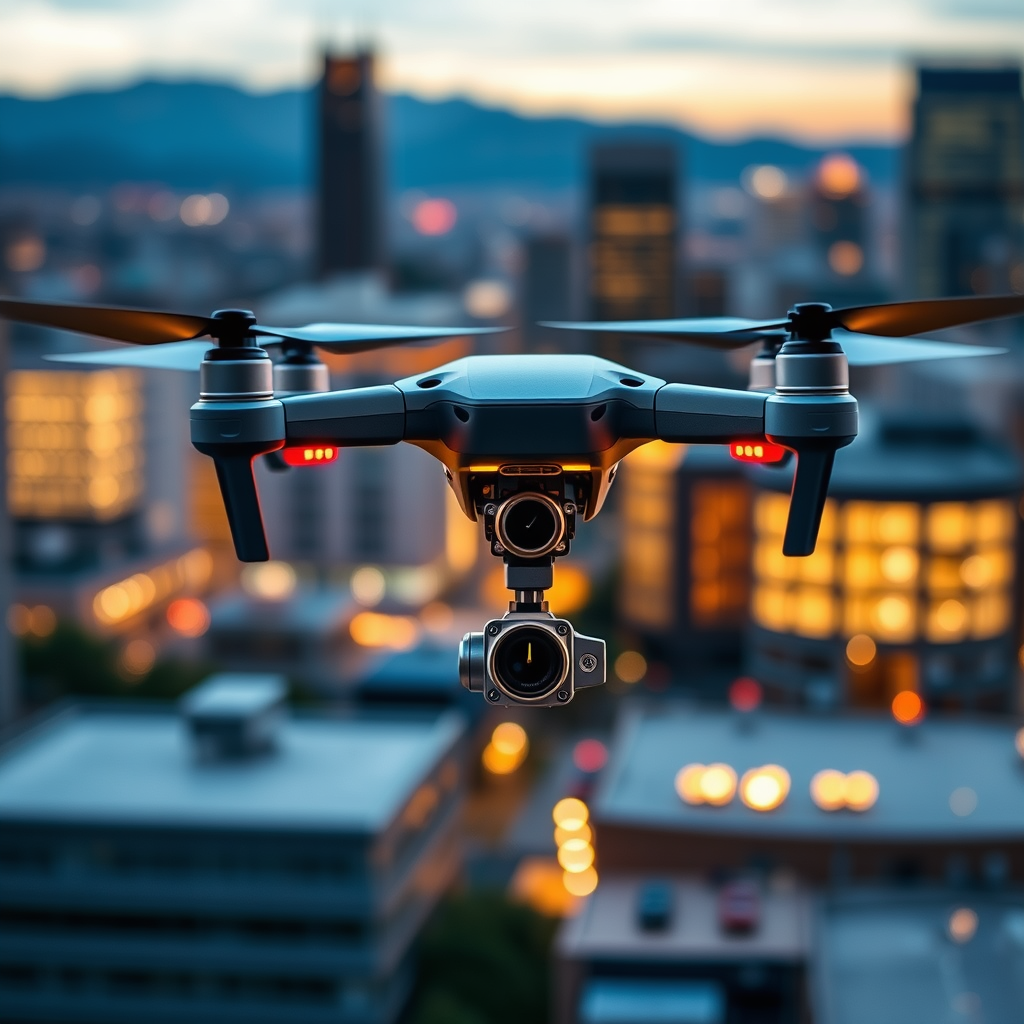
Yes, you can fly drones in Seattle, but there are specific regulations and guidelines you must follow to ensure safety and compliance. The drone landscape is highly regulated, and understanding both federal and local laws is crucial for safe operation. This article will guide you through the key considerations, legal requirements, and best practices for flying drones in Seattle, providing you with the information necessary to navigate the complexities of drone operation in this vibrant city.
Understanding Seattle Drone Regulations
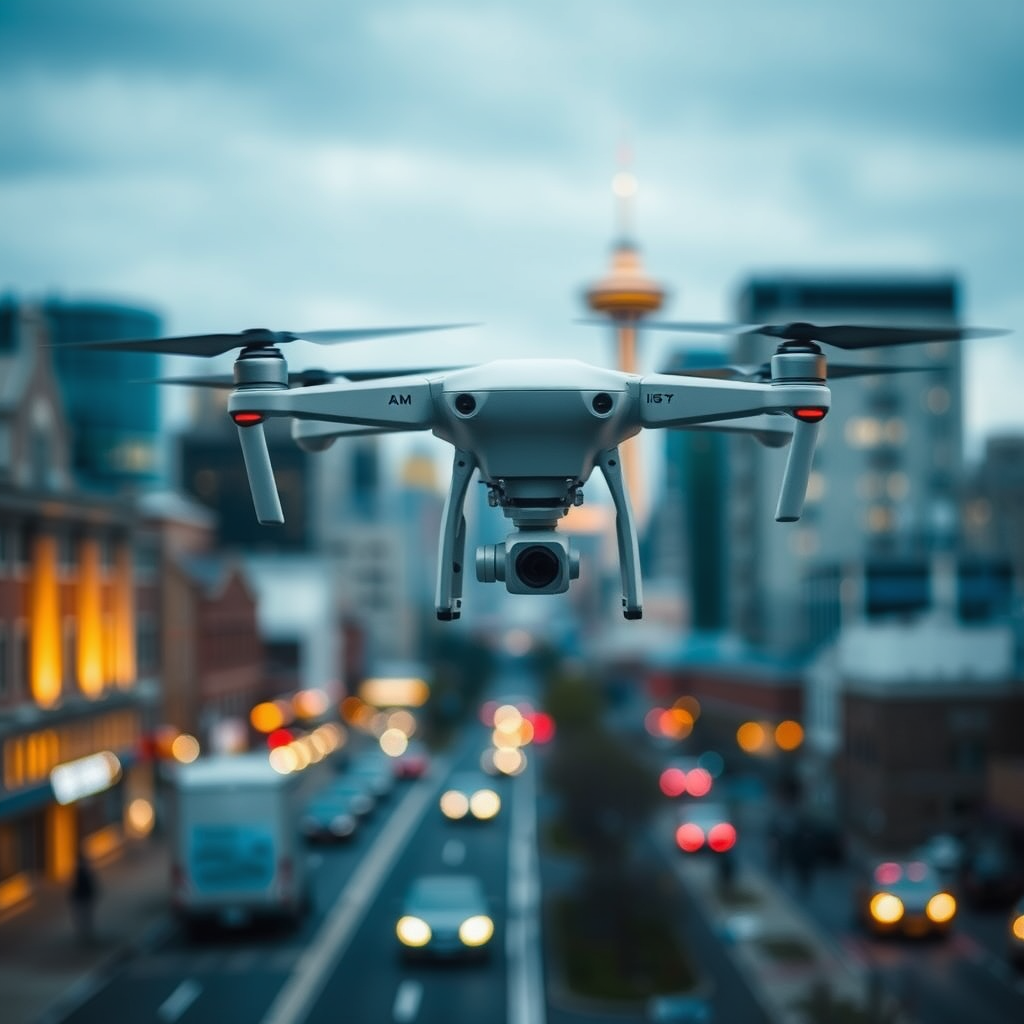
The Federal Aviation Administration (FAA) governs drone use nationwide, including in Seattle. As a federal agency, the FAA sets the foundational rules for all drone operations, ensuring that airspace remains safe for both drone pilots and the general public. However, drone pilots in Seattle must also be aware of local laws that may impose additional restrictions, particularly in parks, crowded areas, or regions with heightened privacy concerns.
For instance, Seattle has designated specific zones where drone flight is prohibited or restricted, such as near the Space Needle or in densely populated neighborhoods. Additionally, the Seattle Department of Transportation emphasizes responsible drone use, especially in areas with heavy pedestrian traffic. Pilots should familiarize themselves with these local regulations to avoid any potential fines or legal issues.
FAA Requirements for Drone Pilots
All drone operators must register their drones with the FAA if they weigh more than 0.55 pounds. Registration is a straightforward process that can be completed online, and it involves providing the FAA with basic information about the drone and the pilot. This step is crucial for accountability and helps the FAA manage airspace effectively.
For those flying drones for commercial purposes, adherence to the FAA’s Part 107 rules is mandatory. Part 107 establishes comprehensive guidelines covering aspects such as pilot certification, operational limitations, and airspace classifications. It requires commercial drone pilots to pass a knowledge test and obtain a Remote Pilot Certificate. This certification process ensures that pilots understand the nuances of airspace regulations, weather conditions, and safety protocols, which is essential for maintaining safe and legal drone operations.
Local Restrictions in Seattle
In Seattle, certain areas have strict no-fly zones, particularly around airports, schools, and government buildings. The proximity to Seattle-Tacoma International Airport (SEA) significantly influences local drone regulations, as pilots must maintain a minimum distance from the airport and follow any applicable airspace restrictions. The FAA’s B4UFLY app is an excellent tool for checking airspace restrictions and staying informed of any temporary flight restrictions (TFRs) that may be in effect.
Additionally, local parks and public spaces often have specific rules regarding drone usage. For example, while some parks allow drone flying, others may prohibit it entirely to preserve wildlife habitats or ensure public safety. Pilots should consult the Seattle Parks and Recreation website for up-to-date information on drone policies within city parks to avoid unintentional violations.
Safe Flying Practices
Safety should always be a top priority for drone pilots. One of the key safe flying practices is maintaining a visual line of sight with your drone at all times. This ensures that you can react quickly to any obstacles or changes in the environment, which is critical in urban settings like Seattle, where buildings and trees can obstruct your view.
Additionally, avoid flying at night unless you have the proper lighting and permissions. Night flying introduces additional challenges, including reduced visibility and the increased risk of collisions. If you choose to operate at night, ensure your drone is equipped with adequate lighting to be visible to both other pilots and the general public. Always conduct a pre-flight check to assess the drone’s functionality and ensure that all equipment is in working order.
Community Guidelines and Resources
Engagement with the local drone community can significantly enhance your flying experience. Joining local drone clubs or online forums provides opportunities to learn from experienced pilots, share best practices, and stay updated on any changes to regulations. For instance, the Seattle Drone User Group offers resources, events, and discussions that can help both novice and experienced pilots navigate the complexities of drone flying in the area.
Moreover, utilizing resources like the Seattle Parks and Recreation website can help you stay informed about local regulations and any updates regarding drone usage in public spaces. These platforms often provide valuable insights into upcoming events, workshops, and community initiatives that promote responsible drone flying.
Potential Consequences for Violating Drone Laws
Violating FAA or local regulations can result in serious consequences, including fines, legal action, or even the confiscation of your drone. The penalties can vary depending on the severity of the violation, from minor fines for inadvertent breaches to more significant legal repercussions for reckless or unsafe flying practices.
Understanding the rules can help prevent accidents and ensure a positive flying experience. Staying informed about both federal and local regulations allows pilots to operate responsibly, thereby fostering a culture of safety and accountability within the drone community.
In summary, while flying drones in Seattle is permissible, it is crucial to follow both federal and local regulations to ensure safety and compliance. Always stay informed about the rules, be mindful of your surroundings, and engage with the local drone community. By adhering to these guidelines, you can enjoy a rewarding and safe drone flying experience in one of America’s most beautiful cities. Happy flying!
Frequently Asked Questions
What are the drone flying regulations in Seattle?
In Seattle, drone flying is regulated by both federal and local laws. At the federal level, the Federal Aviation Administration (FAA) requires all drone operators to follow the Part 107 guidelines, which include registering drones over 0.55 pounds and obtaining a remote pilot certificate for commercial use. Additionally, Seattle has specific local ordinances that prohibit flying drones in city parks and near schools, hospitals, and other sensitive areas. Always check the latest regulations before flying to ensure compliance and safety.
How can I find drone-friendly areas to fly in Seattle?
To find drone-friendly areas in Seattle, you can use various online resources such as the FAA’s B4UFLY app, which provides real-time information about airspace restrictions and no-fly zones. Local parks and recreational areas outside city limits may also allow drone flying, but it’s essential to verify with park authorities or local guidelines. Furthermore, joining local drone clubs or online communities can provide valuable insights into the best locations for flying drones safely and legally in Seattle.
Why are there restrictions on flying drones in Seattle?
Restrictions on flying drones in Seattle primarily focus on public safety and privacy concerns. Drones can pose risks to manned aircraft, particularly in urban areas with dense air traffic. Additionally, local laws aim to protect the privacy of residents and ensure that drone use does not disrupt public activities or compromise safety in crowded spaces like parks and events. Understanding these restrictions helps drone enthusiasts fly responsibly while respecting the community.
What should I do if I see a drone flying illegally in Seattle?
If you observe a drone flying illegally in Seattle, it’s essential to report the incident to local authorities. You can contact the Seattle Police Department or the FAA’s unmanned aircraft system (UAS) hotline. Provide specific details such as the location, time, and any identifying features of the drone. Reporting illegal drone activity helps maintain safety and accountability within the drone community and ensures compliance with local regulations.
Which drone models are best for beginners in Seattle?
For beginners looking to fly drones in Seattle, models like the DJI Mini SE or the Ryze Tello are excellent choices due to their user-friendly interfaces and robust safety features. These drones are lightweight, portable, and equipped with easy-to-use controls, making them ideal for novice pilots. Furthermore, they typically come with built-in tutorials and flight assistance, allowing new users to quickly gain confidence while enjoying the beautiful Seattle scenery.
References
- https://www.faa.gov/uas/getting_started/registration
- https://www.faa.gov/uas/where_to_fly/
- https://www.seattle.gov/transportation/projects-and-programs/programs/drone-program
- https://www.wsdot.wa.gov/Business/Drone-Policy
- https://www.seattle.gov/special-events/drone-use-in-seattle
- https://www.seattle.gov/Documents/Departments/Finance/Policy-Drone-Use.pdf
- https://www.nbcnews.com/technology/seattle-aims-regulate-drones-downtown-rcna109684
- https://www.seattletimes.com/seattle-news/seattle-bans-drones-from-parks-as-new-rules-take-effect/
