
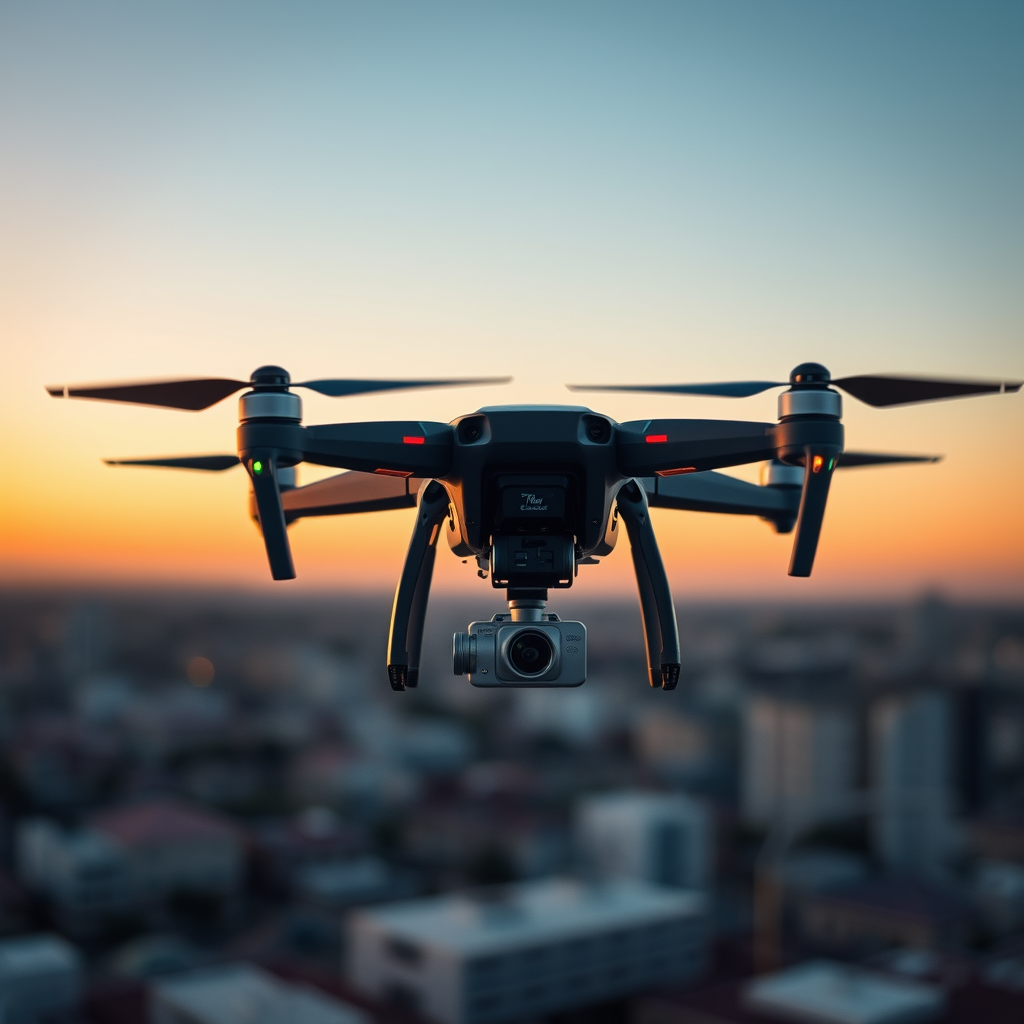
Yes, you can fly drones in South Africa, but there are specific regulations and guidelines you must follow to ensure safety and compliance. With the growing popularity of drone technology for both recreational and commercial use, understanding the legal framework is essential to avoid penalties and ensure responsible flying. This article will explore the legal requirements, best practices, and practical tips for flying drones in the country, empowering you to navigate the skies with confidence.
Understanding the Legal Framework
The South African Civil Aviation Authority (SACAA) is the governing body responsible for regulating drone operations in the country. To maintain air safety and protect the interests of the public, operators must comply with regulations outlined in Part 101 of the Civil Aviation Regulations. This includes guidelines on the operation of unmanned aerial vehicles (UAVs) and the requirements for licensing and registration.
Part 101 specifies that drones must not exceed a maximum altitude of 120 meters above ground level, and flights should only occur during daylight hours. Additionally, operators are required to maintain a visual line of sight (VLOS) with their drones at all times. It is imperative to stay informed about any updates or amendments to these regulations, as they may evolve with advancements in technology and changing safety concerns.
Types of Drone Licenses
In South Africa, there are distinct licensing requirements based on the purpose of drone use. For commercial use, operators must obtain a Remote Pilot License (RPL). This certification involves passing a theoretical examination and completing a practical flight test, ensuring that pilots have the requisite knowledge and skills to operate drones safely in various environments. Commercial operators must also register their drones with the SACAA and comply with additional operational protocols.
On the other hand, hobbyists flying drones for recreational purposes are also required to register their drones, which is a straightforward process that can often be completed online. While they do not need a formal license, they must adhere to specific operational guidelines set forth by the SACAA, including restrictions on flight altitude and proximity to populated areas. Understanding these licensing requirements is crucial for anyone looking to operate a drone in South Africa, as non-compliance can result in significant fines and legal ramifications.
No-Fly Zones and Restrictions
When planning to fly a drone in South Africa, it is vital to be aware of no-fly zones and other restrictions that may apply. Areas such as airports, military bases, and national parks have strict regulations prohibiting drone flights due to safety and security concerns. For instance, flying within a 5-kilometer radius of an airport is typically forbidden, and drone operators must seek permission from the relevant authorities if they wish to operate near these areas.
Additionally, various local municipalities may impose their own restrictions on drone use, particularly in urban environments where privacy and safety issues are heightened. It is advisable to always check local airspace restrictions before flying, utilizing tools such as the SACAA’s online resources or mobile applications designed for drone pilots. Being aware of these no-fly zones will not only help you comply with the law but also enhance overall safety during your flights.
Safety Guidelines for Drone Flying
Safety is paramount when it comes to drone operations. The SACAA emphasizes several best practices to ensure the safety of both the operator and the general public. First and foremost, maintaining a visual line of sight with your drone during operation is crucial. This means you should always be able to see the drone without the aid of technology, allowing you to make informed decisions about its flight path.
Moreover, it is advisable to avoid flying over crowds, private property, or restricted areas. Not only does this adhere to legal regulations, but it also respects the privacy and safety of others. Additionally, operators should conduct thorough pre-flight checks to ensure that their drones are in good working order, and they should have a plan for emergency situations, including a failsafe for returning the drone to a designated landing area if connectivity is lost.
Insurance and Liability Considerations
As with any form of technology that involves operation in public spaces, drone operators should consider obtaining liability insurance. This type of insurance can cover potential damages or injuries caused by drone accidents, which can be particularly significant in urban settings. Given the increased scrutiny and legal responsibilities associated with drone operations, having liability insurance can provide peace of mind and protect against financial repercussions.
It is essential for drone operators to familiarize themselves with their responsibilities under the law. This includes understanding the implications of operating a drone near people or property and being aware of the legal consequences of negligence. By being informed and taking proactive steps to mitigate risks, operators can contribute to a safer flying environment for everyone.
Best Practices for Responsible Flying
To ensure a positive drone flying experience, operators should adopt best practices that promote safety and responsibility. One of the most critical factors is to always check weather conditions before flying. Poor weather, such as high winds or rain, can adversely affect drone performance and increase the risk of accidents.
Furthermore, respecting the privacy of others is not only a legal obligation but also an ethical one. Avoid intrusive photography and be mindful of the impact your drone may have on people’s comfort and personal space. Engaging with local communities and seeking permission when flying in shared spaces is a great way to foster goodwill and promote responsible drone use.
Finally, staying informed about emerging technologies, regulations, and community standards will help you remain a responsible drone operator. Joining local drone flying clubs or online forums can provide valuable insights and support, enabling you to enhance your skills and knowledge in a rapidly evolving field.
In conclusion, while flying drones in South Africa is permitted, it is crucial to understand and adhere to the local regulations and safety guidelines to ensure a responsible and enjoyable flying experience. By familiarizing yourself with the legal framework, obtaining the necessary licenses, respecting no-fly zones, and implementing best practices, you can navigate the skies with confidence. Keeping safety, privacy, and community engagement at the forefront of your flying endeavors will not only enhance your experience but also contribute positively to the growing drone community in South Africa.
Frequently Asked Questions
What are the legal requirements for flying drones in South Africa?
In South Africa, flying drones is regulated by the South African Civil Aviation Authority (SACAA). To operate a drone commercially or for recreational purposes, you must register your drone if it weighs more than 1 kilogram. Additionally, you need to obtain a Remote Pilot License (RPL) if your drone usage is for commercial purposes, and you must adhere to the stipulated airspace regulations and safety guidelines, such as maintaining a visual line of sight and not flying above 120 meters.
How do I register my drone in South Africa?
To register your drone in South Africa, you must submit an application to the SACAA, which includes providing details about your drone and proof of ownership. You can register online through the SACAA’s website or in person at their offices. After registration, you will receive a unique registration number that must be displayed on your drone, ensuring compliance with South African drone regulations.
Why is it important to follow drone regulations in South Africa?
Following drone regulations in South Africa is crucial for ensuring the safety of both the drone operator and the general public. Non-compliance can lead to serious consequences, including hefty fines, confiscation of the drone, or even criminal charges. Moreover, adhering to regulations helps maintain airspace integrity and prevents accidents with manned aircraft, which is vital for the safety of all airspace users.
What are the best practices for flying drones in South Africa?
Some best practices for flying drones in South Africa include always flying below 120 meters, maintaining a visual line of sight with your drone, and avoiding restricted areas such as near airports and military bases. Additionally, it’s advisable to check the weather conditions before flying, respect the privacy of others, and keep your drone within the designated operational zones to ensure a safe and lawful flying experience.
Which areas are prohibited for drone flying in South Africa?
In South Africa, several areas are restricted or prohibited for drone flying, including near airports, military installations, and national parks. Additionally, flying over large gatherings of people, like concerts or sporting events, is also prohibited. It is essential to consult the SACAA’s guidelines and local regulations to identify no-fly zones and ensure compliance for safe and responsible drone operation.
References
- https://www.civilaviation.gov.za/Pages/Drones.aspx
- https://www.witwatersrand.ac.za/news/latest-news/research-and-innovation/2020-09-10-drones-in-south-africa-what-you-need-to-know.aspx
- https://www.gov.za/documents/national-drone-strategy-south-africa-2022-3
- https://www.afsafety.co.za/2021/02/19/drones-in-south-africa-what-you-need-to-know/
- https://www.reuters.com/technology/south-africa-issues-new-drone-regulations-amid-growing-demand-2022-06-02/
- https://www.aviation.gov.za/Regulatory-Framework/Legislation/Part-101-Remotely-Piloted-Aircraft-Systems-RPAS-Operations
- https://www.uct.ac.za/news/2021-09-29-using-drones-urban-planning-south-africa
- https://www.huffpost.com/entry/south-africa-drone-technology_n_60c5f49ee4b0b6d1e0c5b8f1
