
You can generally fly drones in state parks, but regulations vary by location. Each state park has its own set of rules that dictate drone usage, which may include designated flying areas or outright bans. Understanding these regulations is crucial to ensure compliance and to enhance your flying experience while respecting the park’s natural environment.
Understanding State Park Regulations
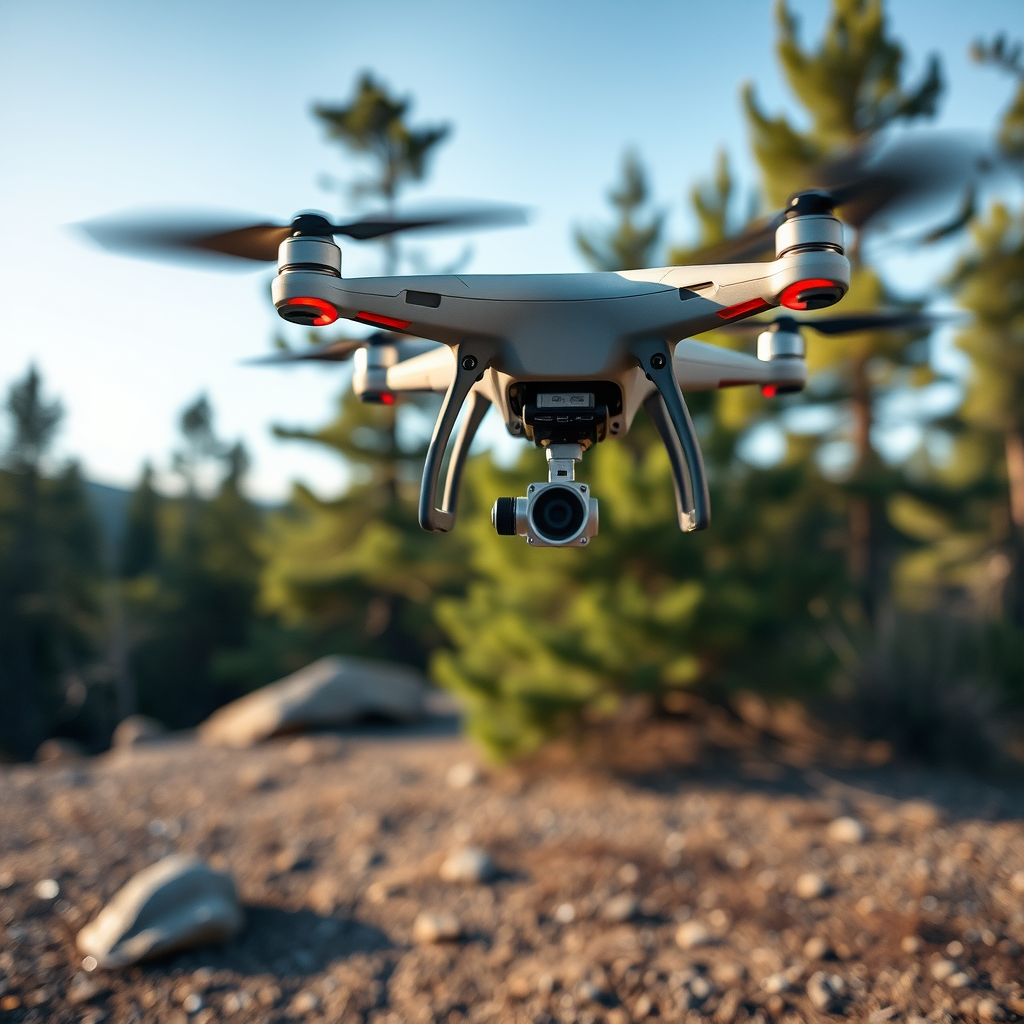
State parks are designed to preserve natural beauty and provide recreational spaces for the public, but this mission can sometimes conflict with drone operations. Many state parks have specific rules regarding drone usage that can vary widely from one location to another. For instance, parks in some states may allow drone flying only in designated areas, while others may prohibit it entirely to protect wildlife and maintain the tranquility of the natural surroundings.
For example, California’s state parks tend to be more permissive regarding drone flying, often designating specific areas where drone use is allowed. Conversely, parks in states like New York often impose strict regulations, effectively banning drone operations to safeguard sensitive ecosystems and wildlife habitats. Before planning your flight, it’s essential to research the specific regulations of the state park you intend to visit. Park websites or visitor centers are excellent resources for obtaining up-to-date information on drone policies.
Federal Aviation Administration (FAA) Guidelines
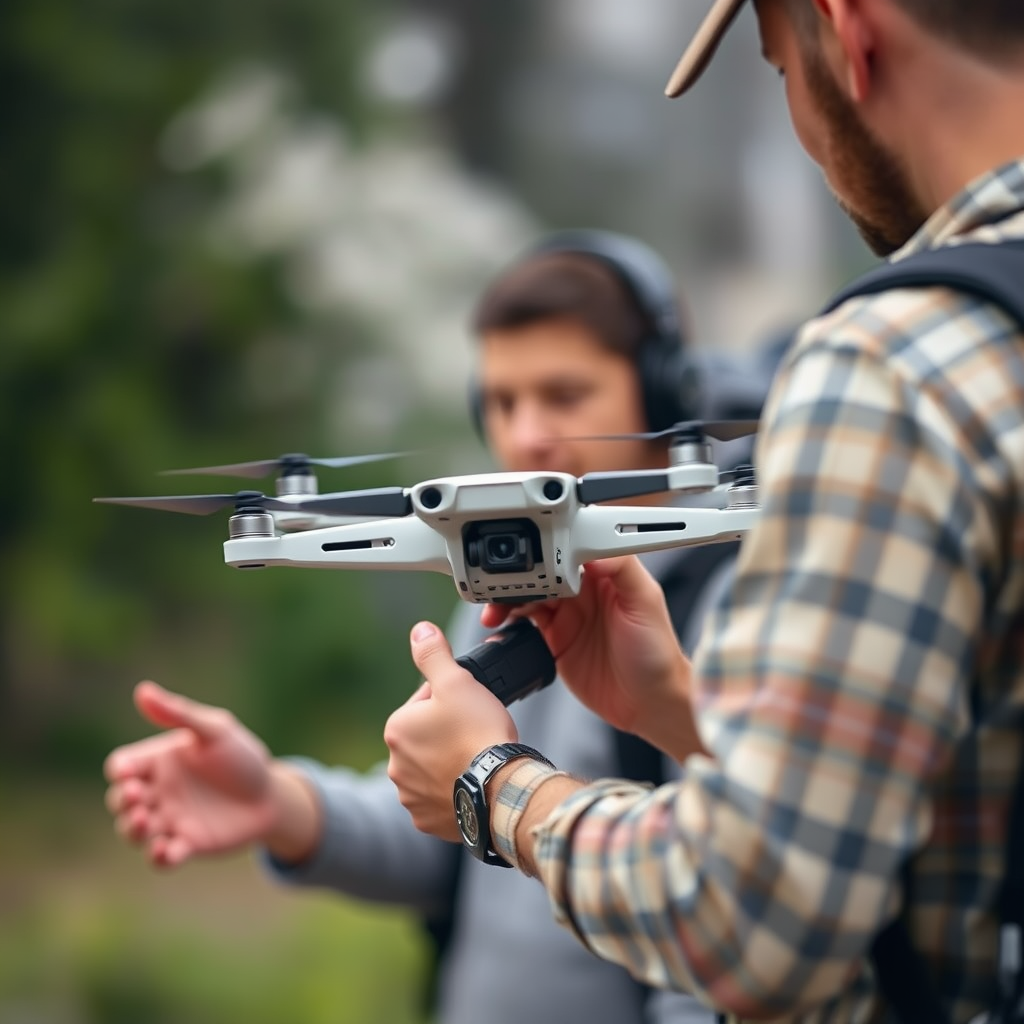
In addition to state park regulations, drone operators must adhere to guidelines set by the Federal Aviation Administration (FAA). The FAA regulates all aspects of civil aviation, including the operation of drones, or Unmanned Aircraft Systems (UAS). These regulations include requirements for drone registration and, for commercial operators, the necessity of obtaining a remote pilot certificate.
As of October 2023, drones weighing over 0.55 pounds must be registered with the FAA. This process involves providing your contact information and ensuring your drone is labeled with its registration number. For commercial drone pilots, obtaining a Part 107 certification is mandatory, which requires passing a knowledge test covering airspace rules, weather, and emergency procedures. Understanding and complying with FAA guidelines is essential for both legal operation and the safety of your drone flights.
Checking Local Laws and Ordinances
State laws regarding drone usage can vary significantly, and it is essential to review local regulations that may impose additional restrictions beyond state park rules. Some municipalities have enacted their own ordinances that could affect where and how you can fly your drone. For example, certain cities might restrict drone flights over populated areas or near schools, hospitals, and other sensitive locations.
Additionally, it’s important to note that while a state park may allow drone flights, local laws may supersede these regulations. For instance, if a state park is located within a city that has a drone ban, you will need to adhere to the city’s rules. Checking local laws in conjunction with state park regulations will help ensure that you are fully compliant and avoid potential fines or confiscation of your equipment.
Permits and Permissions
While many state parks allow drone operations, some may require permits for flying. This is particularly true for commercial drone usage, where the potential for disruption to wildlife and visitors is more pronounced. Permits may also be necessary for organized events or large groups of drone operators.
To obtain the necessary permissions, it’s best to contact the park management directly. They can provide specific information on permit applications, any associated fees, and guidelines you must follow. For instance, Yosemite National Park requires a special use permit for commercial filming or photography, which also applies to drone operations. Engaging with park authorities not only ensures compliance but also fosters a positive relationship with the park management and enhances your experience.
Environmental Considerations
Flying drones in state parks comes with an ethical responsibility to protect the environment. Drones can disturb wildlife, particularly nesting birds and other sensitive species. The noise from drone operations can disrupt the natural behaviors of animals, leading to stress, displacement, or reduced breeding success. Furthermore, the presence of drones can diminish the experience for other visitors seeking solitude in nature.
Responsible drone flying practices can help minimize ecological impacts. This includes flying at a safe altitude away from wildlife, avoiding sensitive areas, and adhering to guidelines about flying times and locations. Being aware of your surroundings and respecting the natural environment will contribute to the preservation of state parks and the enjoyment of all visitors.
Tips for Safe Drone Flying in State Parks
To ensure a safe and enjoyable flying experience in state parks, consider these best practices:
1. Familiarize Yourself with Your Drone: Understand your drone’s capabilities, limitations, and emergency features. Regularly check for software updates and maintenance needs.
2. Stay Aware of Your Surroundings: Constantly monitor your flight area for people, wildlife, and obstacles. This vigilance will help prevent accidents and ensure the safety of your drone and others.
3. Respect Privacy: Be mindful of the privacy of other park visitors. Avoid flying over people and private property to prevent any potential conflicts.
4. Follow the Rules: Always adhere to the specific regulations of the park and local laws. If in doubt, seek clarification from park authorities.
5. Plan Your Flight Route: Before taking off, plan your flight path to avoid sensitive areas and ensure a smooth operation. Using flight planning apps can aid in this process.
By following these tips, drone pilots can enhance their flying experience while ensuring safety and compliance with regulations.
In summary, while flying drones in state parks is often permitted, it is crucial to understand the specific regulations, FAA guidelines, and local laws that govern drone usage. Obtaining the necessary permits, being aware of environmental implications, and following best practices for safe flying will help create a positive experience for both drone operators and park visitors alike. Always remember to check local regulations and park guidelines before planning your flight to ensure a safe and enjoyable experience.
Frequently Asked Questions
Can you fly drones in state parks in the United States?
Yes, you can fly drones in state parks in the United States, but regulations vary by state and park. Many state parks have specific rules that may restrict drone usage for reasons such as wildlife protection, noise disturbances, and safety concerns. It’s essential to check with the specific state park’s management or website for detailed regulations before flying your drone.
What are the common restrictions for flying drones in state parks?
Common restrictions for flying drones in state parks often include prohibitions on flying over crowds, wildlife nesting areas, and certain designated zones. Some parks may also require permits for drone use, while others may completely ban drones to preserve the natural environment and ensure visitor safety. Always consult the park’s official guidelines to avoid fines and ensure compliance.
How do I find out if I can fly my drone in a specific state park?
To find out if you can fly your drone in a specific state park, visit the park’s official website or the state’s department of natural resources site. These resources typically provide information on drone regulations, including any required permits and specific guidelines. Additionally, you can contact park officials directly for the most accurate and updated information.
Why are drones banned in many state parks?
Drones are often banned in many state parks primarily to protect wildlife, minimize disturbances to visitors, and maintain the natural beauty of the landscape. The noise and visual impact of drones can disrupt natural behaviors in animals, particularly during sensitive periods like mating and nesting. Additionally, park managers aim to ensure a peaceful experience for all visitors, which can be compromised by drone activity.
What are the best practices for flying drones in areas where it’s allowed?
When flying drones in areas where it’s allowed, always adhere to the FAA guidelines and any local regulations specific to the state park. Best practices include maintaining a safe distance from wildlife and other park visitors, flying at or below 400 feet, and avoiding restricted areas. Additionally, it’s advisable to respect the park’s natural environment by not flying in sensitive habitats and ensuring your drone is operated safely and responsibly.
References
- https://www.nps.gov/subjects/drones/index.htm
- https://www.faa.gov/uas
- https://www.parktrust.org/education/drones-in-parks/
- https://www.nps.gov/subjects/drones/faqs.htm
- https://www.wildlife.ca.gov/Conservation/Drone-Use
- https://www.ncbi.nlm.nih.gov/pmc/articles/PMC7460216/
- https://www.colorado.edu/engineering/2020/01/23/drones-are-changing-our-parks-and-how-we-see-them
- https://www.outdooralliance.org/drones-in-national-parks/
