
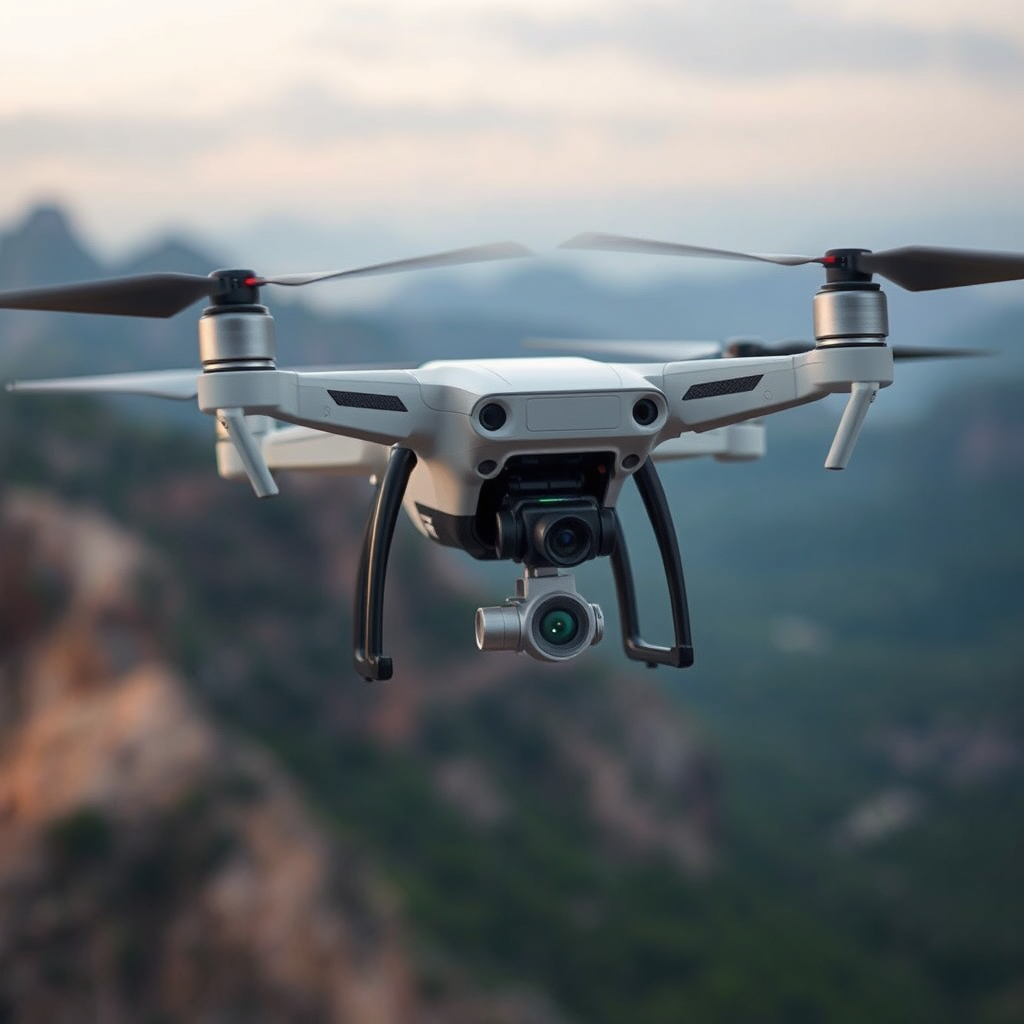
Yes, you can fly drones in Texas state parks, but there are specific regulations and guidelines you must follow. To ensure a smooth experience, it is essential to understand these rules, which are designed to protect both the natural environment and the safety of park visitors. This post will provide a thorough overview of the regulations, permitted areas, permit requirements, safety guidelines, wildlife considerations, consequences of non-compliance, and resources available for drone operators in Texas state parks.
Understanding Texas State Park Regulations
Texas state parks have specific rules regarding drone usage, and it is vital for drone operators to be aware of these regulations. The Texas Parks and Wildlife Department (TPWD) governs the use of drones in state parks, and each park may have its own set of rules that can vary from one location to another. Generally, drone flying is not permitted in state parks unless explicitly allowed. This prohibition is in place to minimize disturbances to wildlife and other park visitors.
Before heading out with your drone, always check for posted signs or guidelines at individual parks. These signs may indicate whether drone flying is permitted, and if so, the specific conditions that must be adhered to. In some parks, drones may only be allowed in designated areas, and understanding these nuances can help you avoid potential conflicts.
Permitted Areas for Drone Flying
Certain state parks in Texas may have designated areas where drone use is permitted. Popular parks like Garner State Park and Palo Duro Canyon State Park are known for their stunning landscapes, making them attractive locations for drone enthusiasts. However, it is crucial to conduct thorough research to identify specific locations where flying is allowed.
Park maps can often provide useful information about designated flying zones, and contacting the park offices directly can yield the most current details about where you can operate your drone legally. Additionally, some parks may have seasonal restrictions based on wildlife activity, so staying informed will enhance your flying experience while ensuring compliance with the regulations.
Permit Requirements for Drone Operation
In some Texas state parks, a permit may be required for flying drones. This is particularly true for those wishing to conduct commercial operations or for those who plan to use drones in a manner that could impact other park visitors or wildlife.
To understand the specific requirements for drone operation, it is advisable to review the Texas Parks and Wildlife Department’s guidelines. These documents provide comprehensive information about the application process for obtaining a permit, as well as any associated fees. Additionally, keep in mind that permits are typically issued for a limited timeframe, and renewals may be necessary for extended operations.
Safety Guidelines for Flying Drones
Safety should always be a top priority when flying drones in Texas state parks. To ensure that your drone flying experience is enjoyable and safe, consider the following safety guidelines:
1. Maintain a Safe Distance: Always keep a safe distance from people, wildlife, and natural landmarks. This not only protects others but also minimizes the risk of accidents and disturbances.
2. Avoid Crowded Areas: It is crucial to avoid flying your drone over crowded areas or during events where large groups of people are gathered. This can pose safety hazards and may violate park regulations.
3. Follow Local Airspace Rules: Be aware of local airspace restrictions that may apply to drone operations. This includes proximity to airports and military bases, where flying may be prohibited.
4. Stay Within Line of Sight: Always maintain visual contact with your drone while flying. This ensures that you can react quickly to any potential issues that may arise.
By adhering to these safety guidelines, drone operators can help ensure a secure environment for themselves and others while enjoying the beauty of Texas state parks.
Respecting Wildlife and Nature
Flying drones can disturb wildlife, so it is essential for drone operators to be mindful of their habitats. Many Texas state parks are home to sensitive ecosystems that can be negatively impacted by drone activity. For example, nesting birds may be particularly vulnerable to disturbances caused by drones, which can lead to abandonment of nests or stress to wildlife.
Following the “Leave No Trace” principles is key to operating your drone responsibly. This includes minimizing your presence in sensitive areas, avoiding flying over wildlife, and ensuring that you do not leave behind any waste or damage to the environment. By respecting wildlife and nature, drone operators can contribute to preserving the beauty and integrity of Texas state parks for future generations.
Consequences of Non-Compliance
Violating drone regulations in Texas state parks can lead to serious consequences, including fines, temporary bans from park areas, or even permanent removal from the park system. Understanding the potential penalties for non-compliance is crucial for anyone planning to fly a drone in these natural spaces.
Fines for unauthorized drone operations can vary widely but may range from a few hundred to several thousand dollars, depending on the severity of the infraction. Additionally, park rangers have the authority to confiscate drones and issue citations, which can have lasting implications for drone operators. Familiarizing yourself with park-specific regulations and the broader drone laws in Texas will help you avoid these issues and ensure a positive experience.
Resources for Drone Operators
Utilizing online resources can significantly enhance your understanding of the latest drone laws and updates relevant to Texas state parks. The Texas Parks and Wildlife Department website is an excellent starting point, providing essential guidelines and information on permits, designated flying areas, and safety regulations.
Joining local drone enthusiast groups can also be beneficial. These communities often share experiences, tips, and insights that can help you navigate the complexities of drone flying in state parks. Engaging with other drone operators can provide valuable networking opportunities and foster a sense of camaraderie among enthusiasts.
In addition, consider familiarizing yourself with the Federal Aviation Administration (FAA) regulations, as they govern drone operations beyond state park boundaries. Understanding these federal laws in conjunction with state-specific regulations will provide a comprehensive foundation for responsible drone operation.
In conclusion, while flying drones in Texas state parks is allowed under certain conditions, it’s crucial to familiarize yourself with the regulations to ensure a safe and enjoyable experience. By understanding the rules regarding drone usage, knowing where you can fly, obtaining necessary permits, adhering to safety guidelines, and respecting wildlife and nature, you can contribute positively to the park environment. Always stay informed about the latest regulations and resources available to drone operators, as this knowledge will enhance your flying adventure while protecting the natural beauty of Texas state parks.
Frequently Asked Questions
Can you fly drones in Texas state parks?
Yes, you can fly drones in Texas state parks, but there are specific regulations you must follow. The Texas Parks and Wildlife Department (TPWD) generally requires that drone pilots obtain a permit before launching their drones in state parks to protect wildlife and ensure visitor safety. It’s essential to check the specific park’s rules and guidelines as some areas may have restrictions or designated zones for drone flying.
What are the rules for flying drones in Texas state parks?
The rules for flying drones in Texas state parks include adhering to federal regulations set by the Federal Aviation Administration (FAA) and any additional state park guidelines. Pilots are typically required to maintain a visual line of sight with their drone, avoid flying over people, and refrain from flying in restricted areas such as near wildlife or sensitive ecological zones. Always check the specific park’s official website for the most current drone policies.
Why do I need a permit to fly a drone in state parks in Texas?
You need a permit to fly a drone in Texas state parks primarily to ensure safety, protect wildlife, and minimize disturbances in natural habitats. Drones can pose risks to both park visitors and local ecosystems, so obtaining a permit allows park officials to manage drone activity effectively. This helps maintain the serene environment that many visitors seek when visiting state parks.
What is the best time to fly a drone in Texas state parks?
The best time to fly a drone in Texas state parks is typically early in the morning or late in the afternoon. During these times, the lighting is ideal for photography and video, and there are usually fewer visitors, which helps ensure compliance with safety regulations. Additionally, flying during these hours minimizes the risk of disturbing wildlife, which is a key consideration in protected areas.
Which Texas state parks are drone-friendly?
Several Texas state parks are more accommodating to drone enthusiasts, including Palo Duro Canyon State Park and Big Bend Ranch State Park. However, it’s crucial to verify specific park regulations, as many parks enforce stricter rules regarding drone use. Always check the individual park’s website or contact park authorities for the latest information on drone flying permissions and any associated requirements.
References
- https://texas.gov/en/about/parks/faq.html
- https://tpwd.texas.gov/state-parks/
- https://www.faa.gov/uas/where_to_fly/
- https://www.nps.gov/aboutus/regulations.htm
- https://www.texastribune.org/2021/06/18/drone-regulations-texas/
- https://www.statesman.com/story/news/2021/06/22/drone-use-texas-parks-regulations/7700727002/
