
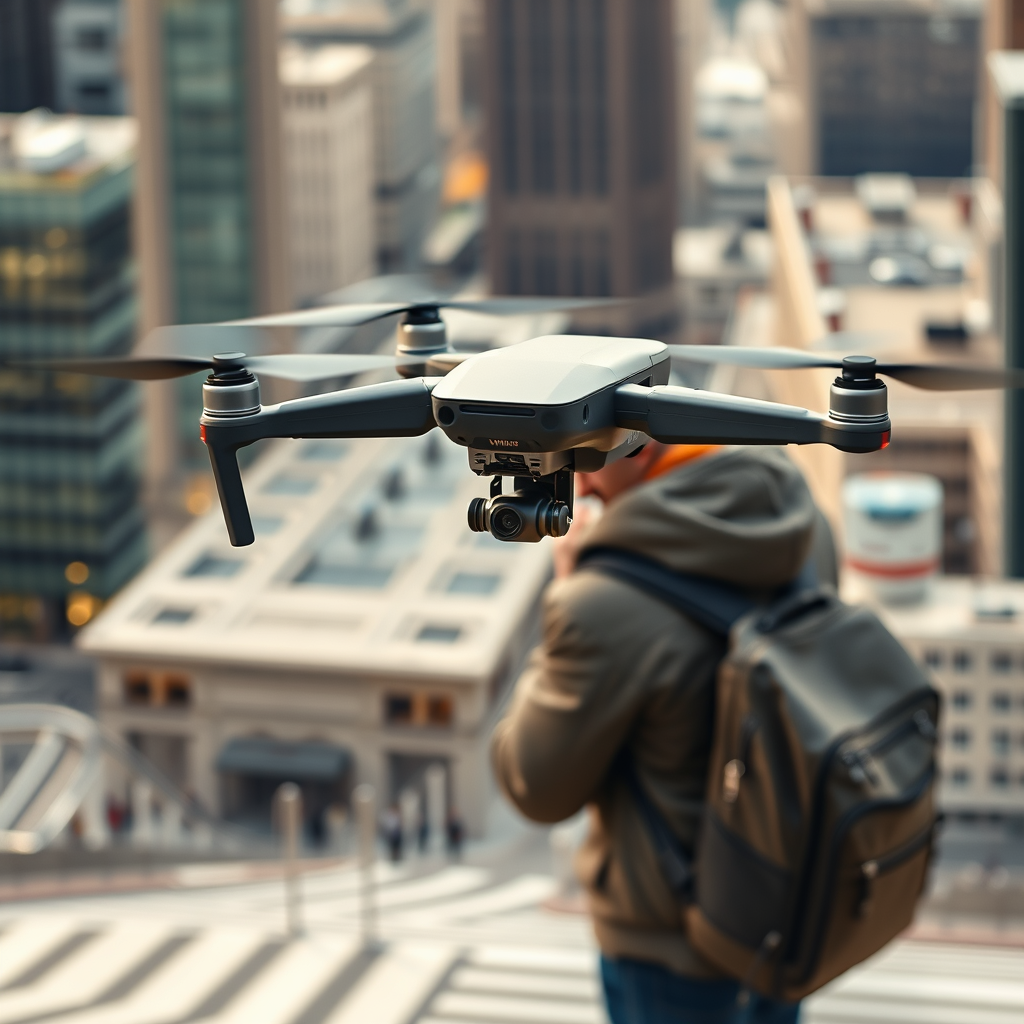
Yes, you can fly drones in the city, but there are specific regulations and restrictions you must follow. The urban landscape presents unique challenges and opportunities for drone operators, making it essential to understand local laws, safety guidelines, and best practices. Being informed not only ensures compliance but also enhances safety and the overall flying experience.
Understanding Local Regulations
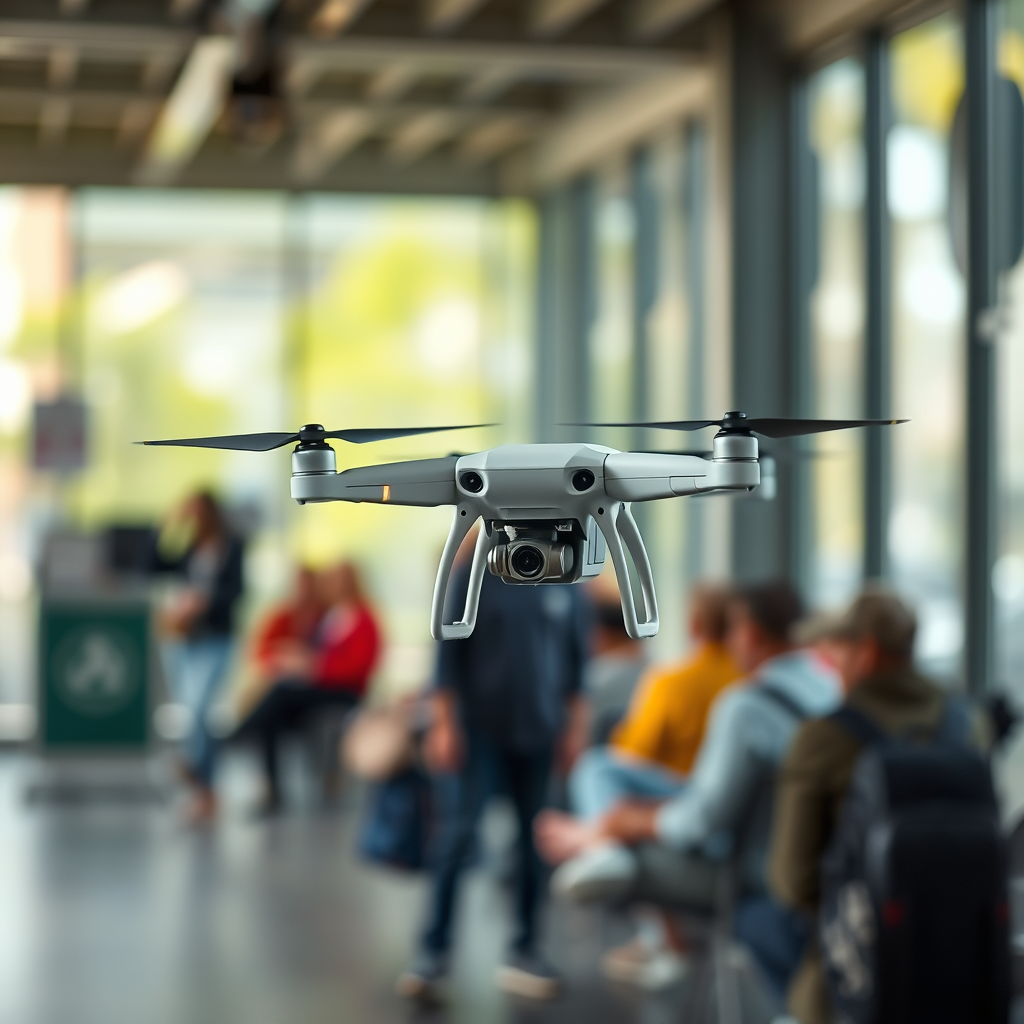
Each city has its own set of rules regarding drone flight, which can vary widely depending on local governance, population density, and geographical considerations. Before taking off, it is imperative to check the specific regulations in your city. Many municipalities have established ordinances that dictate where and when drones can be flown. Additionally, federal regulations set by aviation authorities, such as the Federal Aviation Administration (FAA) in the United States, provide overarching guidelines that must be adhered to regardless of local laws. The FAA requires drone operators to register their UAVs (Unmanned Aerial Vehicles) and follow rules that include flying below 400 feet, maintaining visual line of sight, and avoiding controlled airspace unless authorized. Understanding both local and federal regulations is crucial for responsible drone operation.
No-Fly Zones
Identifying no-fly zones is a critical step in ensuring compliance and safety when flying drones in urban areas. Prohibited areas typically include locations such as airports, heliports, military installations, and government buildings. These zones are established to protect sensitive areas and ensure public safety. Many cities also designate parks or other public spaces as no-fly zones to minimize disturbances to wildlife and residents. To aid in navigation, several apps and online maps are available, such as the FAA’s B4UFLY app, which provides real-time data on no-fly zones in your area. By utilizing these resources, drone operators can avoid legal issues and contribute to safer flying practices.
Safety Guidelines
Safety should always be a top priority when flying drones in urban environments. Operators must maintain a safe distance from people, vehicles, and structures to minimize the risk of accidents. The recommended safe distance is at least 25 feet from individuals not directly involved in the operation. Additionally, it is essential to keep your drone in sight at all times and refrain from flying over crowds. Urban areas can be densely populated, making it vital to assess the surroundings carefully before taking off. Implementing safety measures, such as pre-flight checks and having an emergency landing plan, can further reduce risks associated with urban drone flying.
Obtaining Necessary Permits
In some cities, special permits may be required for drone usage in public spaces, especially for commercial operations or events. Researching the application process for these permits is essential to avoid fines or legal complications. Depending on the city, the application process may involve submitting flight plans, demonstrating compliance with safety regulations, and paying associated fees. For instance, cities like New York and Los Angeles have specific guidelines and requirements for drone operations. Engaging with local authorities can help clarify the necessary steps and ensure that you are fully compliant with local regulations.
Insurance and Liability
Acquiring drone insurance is a prudent step for any serious operator. This type of insurance can cover potential damages or accidents that may occur while flying, which is especially important in urban settings where the risk of property damage or personal injury can be higher. Understanding your liability in case of injuries or property damage is also critical. Many insurance policies specifically designed for drone operators include coverage for third-party liability and damage to the drone itself. Consulting with an insurance professional who specializes in UAVs can help you choose the right policy to mitigate risks associated with urban flying.
Best Practices for Urban Flying
Successful urban drone flying requires careful planning and consideration. One of the best practices is to choose the right time for flying, avoiding peak hours and crowded days when the risk of accidents is greater. Early mornings or weekdays may offer ideal conditions for flying with fewer people around. Additionally, using advanced drone technology designed for urban environments can enhance safety and efficiency. Drones equipped with collision avoidance systems and GPS capabilities can help navigate the complexities of city landscapes. Moreover, keeping abreast of technological advancements can improve your flying experience and increase safety measures.
Resources for Drone Operators
Joining local drone clubs or online forums can provide valuable community support and advice for both novice and experienced operators. These platforms often share insights on navigating local regulations, best practices for flying, and recent news regarding drone legislation. Staying connected with fellow drone enthusiasts can also help you remain informed about technological advancements in the industry, which can enhance your flying skills and knowledge. Additionally, subscribing to newsletters from aviation authorities can keep you updated on changing regulations and safety guidelines, ensuring you fly responsibly and legally.
Flying drones in the city is possible with the right knowledge and precautions. By understanding local regulations, identifying no-fly zones, adhering to safety guidelines, obtaining necessary permits, considering insurance, and implementing best practices, you can enjoy a fulfilling and responsible flying experience. Always prioritize safety and compliance with regulations to maximize the benefits of urban drone operation. Taking the time to educate yourself about local laws and best practices will help ensure that your flying experience is not only enjoyable but also legal and responsible.
Frequently Asked Questions
What are the regulations for flying drones in a city?
Regulations for flying drones in a city vary by location but are generally governed by federal, state, and local laws. In the United States, the Federal Aviation Administration (FAA) mandates that drone pilots must adhere to specific rules, such as not flying above 400 feet, keeping the drone within visual line-of-sight, and avoiding flying over people without permission. Additionally, many cities have their own ordinances that may restrict drone usage in parks, near airports, or crowded public spaces, so it’s essential to check local regulations before flying.
How can I find out if it’s legal to fly a drone in my city?
To determine if flying a drone is legal in your city, you should first consult the FAA’s website for national regulations and guidelines. Then, check your local government’s website for any specific ordinances regarding drone usage. Many municipalities also have dedicated drone maps or resources that outline restricted areas. Additionally, using applications like AirMap or UAV Forecast can provide real-time information on airspace restrictions and local laws.
Why is it important to follow drone regulations in urban areas?
Following drone regulations in urban areas is crucial for safety and privacy. Drones can pose risks to people, property, and manned aircraft, especially in densely populated cities. By adhering to regulations, drone operators help prevent accidents and maintain public trust in drone technology. Furthermore, violating drone laws can result in hefty fines, penalties, or even criminal charges, so compliance is essential for responsible flying.
What are the best practices for flying drones in a city?
The best practices for flying drones in a city include thorough pre-flight planning, understanding local regulations, and maintaining situational awareness. Always check for no-fly zones, avoid crowded areas, and respect privacy by not flying over private property without permission. Additionally, it is advisable to fly during favorable weather conditions and to have a clear exit strategy in case of any technical failures.
Which drone models are best suited for urban flying?
The best drone models for urban flying are those that are compact, stable, and equipped with advanced safety features. Drones like the DJI Mini 2 and the Skydio 2 are popular choices due to their portability, ease of use, and obstacle avoidance systems. Additionally, drones with long battery life and high-quality cameras offer better performance for urban photography or videography, allowing users to capture stunning footage while navigating complex environments safely.
References
- https://en.wikipedia.org/wiki/Drone_regulations
- https://www.faa.gov/uas/getting_started/
- https://www.faa.gov/uas/faq/
- https://www.nytimes.com/2021/03/03/technology/drone-regulations.html
- https://www.reuters.com/technology/us-drone-operators-face-new-regulations-2021-01-01/
- https://www.theguardian.com/technology/2020/jun/15/drone-use-cities-regulations-safety
- https://www.ncbi.nlm.nih.gov/pmc/articles/PMC7151664/
