
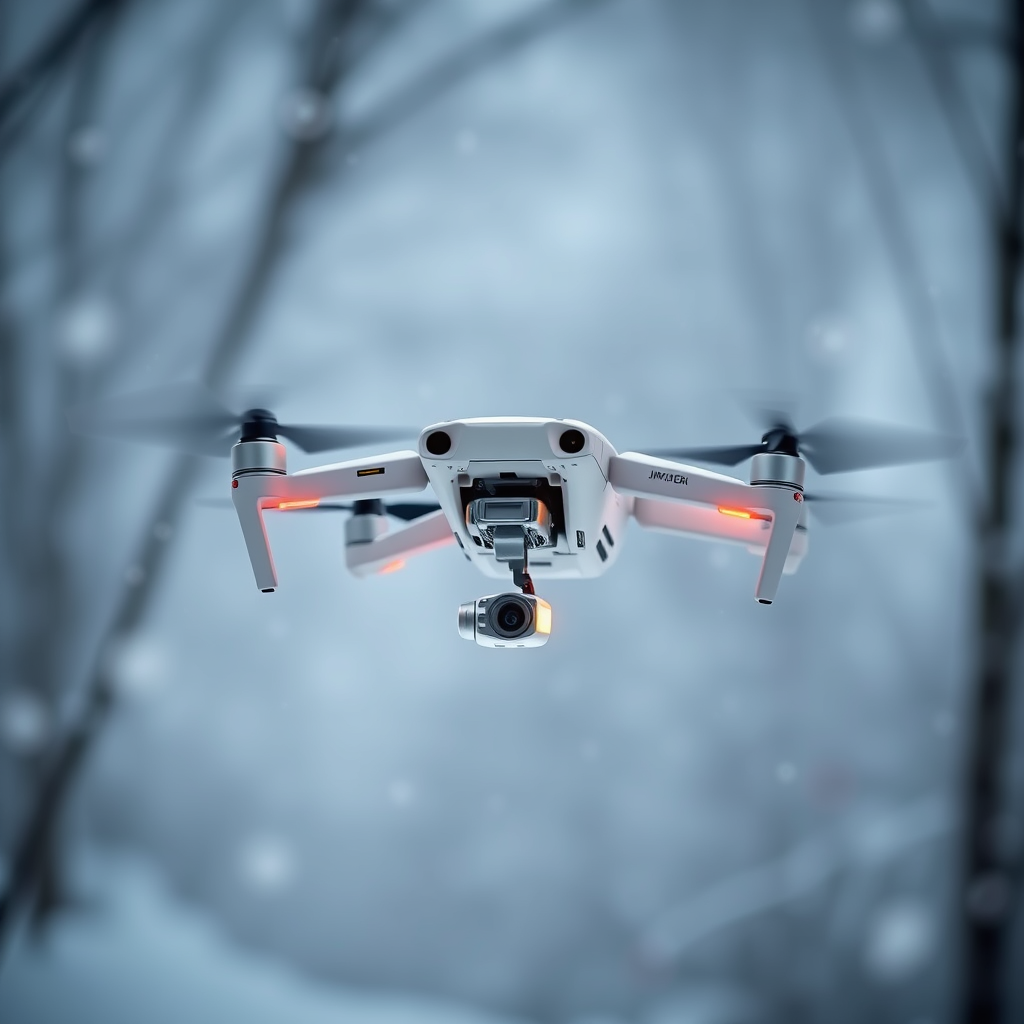
Yes, you can fly drones in the snow, but there are important factors to consider for safe operation. Cold temperatures, snow accumulation, battery performance, and visibility all play crucial roles in the performance and safety of your drone. Understanding these aspects will help you make informed decisions when flying in snowy conditions, ensuring both the drone’s functionality and your safety during operation.
Understanding Drone Specifications
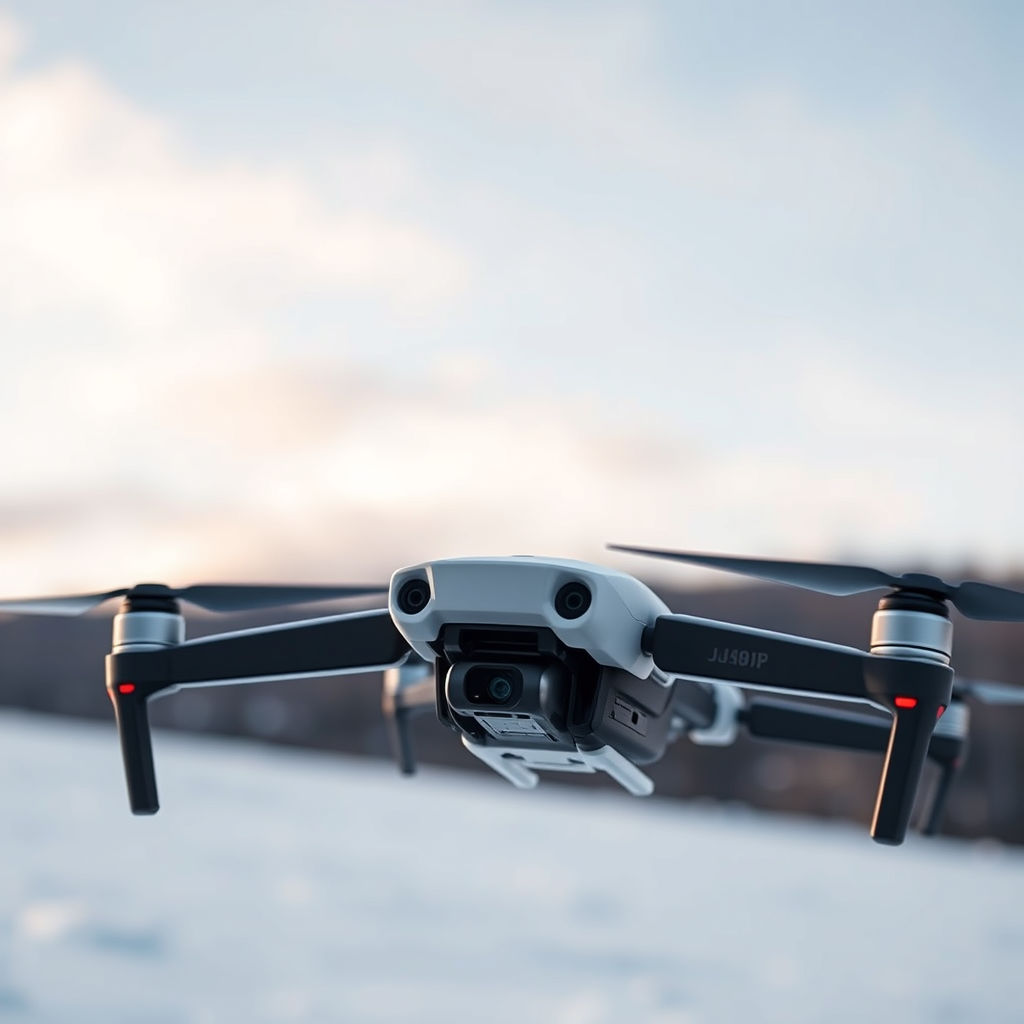
Before embarking on a winter flight, it is essential to check if your drone is rated for cold weather. Different models have varying specifications regarding temperature tolerances. For instance, many consumer drones are designed to operate efficiently at temperatures between 32°F (0°C) and 104°F (40°C). However, some advanced drones are engineered for more extreme conditions. Always refer to your specific model’s user manual or the manufacturer’s website to confirm its capabilities.
Additionally, reviewing the manufacturer’s guidelines on operating temperatures is critical. Some manufacturers provide explicit recommendations for flying in low temperatures, including necessary precautions or limitations on flight time and distance. For example, DJI recommends keeping their drones away from temperatures below 32°F, as performance can deteriorate rapidly. Ignoring these guidelines can lead to malfunction or decreased flight times, which can be especially dangerous in remote areas.
Battery Performance in Cold Weather
Cold temperatures can significantly reduce battery life, a crucial consideration when flying drones in snowy conditions. Lithium polymer (LiPo) batteries, which are commonly used in drones, tend to lose their efficiency in colder climates. Typically, you may experience a 20-30% decrease in battery performance in temperatures as low as 32°F (0°C). This reduction can lead to shorter flight times, which is problematic if you are in a remote location.
To combat this issue, consider using insulated battery bags to maintain optimal temperature. These bags can help retain heat and mitigate the effects of cold weather on battery performance. Additionally, it is advisable to keep your batteries warm before a flight, either by storing them in your pockets or using thermal wraps. Always monitor your battery levels closely during winter flights, as unexpected power loss may occur more frequently than in milder conditions.
Snow Accumulation and Drone Functionality
Snow can accumulate on the drone’s body, affecting its weight and balance. When flying in snowy environments, it’s crucial to regularly inspect your drone for snow buildup, which can not only impact flight stability but also add unnecessary weight. For example, a few inches of snow on the drone might not seem significant, but it can alter the center of gravity and lead to unsteady flights or crashes.
Moreover, keeping propellers free of snow is essential for maintaining flight efficiency. Snow-covered propellers can affect the aerodynamics of your drone, resulting in reduced lift and increased drag. Make it a habit to clear any snow from the propellers and drone body before takeoff. A quick brush with your hand or a soft cloth can ensure that your drone performs optimally.
Visibility and Weather Conditions
Snow can drastically reduce visibility, making it imperative to ensure you can see your drone at all times. When flying in snowy conditions, aim to maintain a line of sight with your drone, as reduced visibility can lead to disorientation or loss of control. This is particularly crucial when flying at higher altitudes or in open spaces where the drone may become a small speck against a white backdrop.
Avoid flying in heavy snowfall or blizzard conditions for safety. Such weather can not only obscure your drone from view but also lead to sudden changes in wind patterns and turbulence. It’s advisable to wait for clearer weather, as flying in optimal visibility conditions allows for better control and situational awareness.
Legal Considerations and Regulations
Familiarizing yourself with local laws regarding drone flights in winter is essential. Different regions may have specific regulations governing drone usage in snowy areas, especially in national parks or protected environments. For instance, some parks may impose restrictions on drone flights to protect wildlife and preserve the natural landscape. Always check local guidelines before planning your flight to avoid legal repercussions.
Additionally, be aware of airspace regulations that may be in place during winter months. Certain areas may have temporary restrictions due to weather conditions or special events. Tools like the FAA’s B4UFLY app can help you stay updated on airspace regulations and ensure you are compliant with local laws.
Safety Precautions to Take
Always have a contingency plan in case of sudden weather changes. Weather conditions can shift rapidly in winter, and being prepared can make the difference between a successful flight and a dangerous situation. Carrying extra batteries, a portable charger, and a basic toolkit can be beneficial. Additionally, consider having a backup drone if you are in a remote area, ensuring that you have a way to capture your desired footage even if something goes wrong.
Using a drone with GPS features can also enhance safety, especially in low visibility conditions. GPS can provide accurate positioning data, assisting in navigation and allowing for easier return-to-home functionality if you lose sight of your drone. Understanding how to utilize your drone’s features, such as waypoint navigation or automated return-to-home, can greatly increase safety during winter operations.
In summary, while flying drones in the snow is possible, it requires careful consideration of various factors to ensure safety and optimal performance. Always prepare adequately and prioritize safety to enjoy your winter drone experiences. By understanding your drone’s capabilities, managing battery performance, maintaining visibility, and adhering to legal regulations, you can have a successful and enjoyable experience flying your drone in snowy conditions.
Frequently Asked Questions
Can you fly drones in the snow safely?
Yes, you can fly drones in the snow, but safety and caution are paramount. Snow can create challenging conditions such as reduced visibility and potential for moisture buildup, which can damage the drone’s electronics. Additionally, flying in cold temperatures can affect battery performance, so it’s essential to monitor battery life closely and take precautions to keep the drone dry.
What should I consider before flying a drone in snowy conditions?
Before flying a drone in snowy conditions, consider the temperature, wind speed, and visibility. Cold temperatures can impair battery life, so it’s wise to keep batteries warm before use. Also, ensure that snow does not accumulate on the drone, as this can add weight and affect flight stability. Lastly, check weather forecasts for potential storms or high winds that could impact flight safety.
How does snow affect drone performance?
Snow can affect drone performance in several ways. The added weight of snow accumulation can lead to reduced flight time and stability, while moisture can cause electronic components to malfunction. Furthermore, snow can obstruct sensors and cameras, making it difficult to navigate and capture clear images. Therefore, it’s crucial to keep the drone clean and dry during and after flights in snowy conditions.
What are the best drones to use in snowy weather?
The best drones for snowy weather are those with weather-resistant features, such as the DJI Mavic 2 Pro or the DJI Phantom 4. These models are designed to withstand cold and wet conditions, with durable builds and reliable battery life. Additionally, drones equipped with obstacle avoidance sensors can help navigate through reduced visibility caused by snowflakes or fog, enhancing safety during flights.
Why is it important to check local regulations for flying drones in snow?
Checking local regulations for flying drones in snow is crucial because different regions may have specific laws regarding drone usage in adverse weather conditions. For instance, some areas may have restrictions on flying in low visibility or near certain environments, such as wildlife reserves, especially during winter months. Understanding these regulations not only ensures compliance but also promotes safe flying practices that protect both the pilot and the environment.
References
- https://www.faa.gov/uas/getting_started/remote_id
- https://www.faa.gov/uas/
- https://www.dronelife.com/2022/12/13/flying-drones-in-the-snow-what-you-need-to-know/
- https://www.theguardian.com/technology/2021/feb/02/drones-snow-weather-flight
- https://www.wired.com/story/drones-winter-weather-flying-in-snow/
- https://www.npr.org/2022/02/10/1079622801/drones-snow-storms-weather-challenges
- https://www.sciencedirect.com/science/article/pii/S0360835219302186
